

The right way to choose a wallet color is to judge the shade in your real light, against your real wardrobe, before the showroom convinces you otherwise. Tan, cognac, and burgundy are the three browns most people reach for after black, and they behave differently the moment they leave the store. Tan runs warm and casual. Cognac sits in the versatile middle. Burgundy adds depth that edges toward oxblood without ever becoming a true red.
Choose a leather wallet color by how the shade behaves in your real light and wardrobe: tan reads casual and warm, cognac is the versatile everyday middle, and burgundy adds depth without going black.
- Light is the real test: a color judged under store LEDs looks different in daylight, lamplight, and against your own skin and clothes.
- Full-grain shows the dye, coated faces flatten it: an open full-grain hide takes color unevenly and deepens with oils and sun, while an embossed Saffiano or Epsom face holds a flatter, more uniform tone.
- Patina only goes richer: full-grain darkens as it ages, so a wallet always travels toward deeper, never lighter, over months of carry.
- Match temperature, not tone: tan and cognac belong with brown and tan leathers, while burgundy reaches toward oxblood shoes and cooler, darker outfits.
- Black hides, cognac records: black masks dye and scuffs for a uniform look, while cognac shows the marks of daily life as character.
Two facts settle most of the confusion before you start. First, full-grain and top-grain take color differently: full-grain keeps its natural surface, so dye sinks in unevenly and the shade varies across the hide, while a corrected or coated face accepts color more flatly and uniformly. Second, the darkness of a shade decides how forgiving it is. A black or near-black wallet hides dye and scuffs and stays uniform, while a cognac or tan shows the small marks of daily carry and reads them back as patina. Hold those two ideas and almost every other color question answers itself.
On our bench, we watch a single hide read three different ways depending on the window, the bulb overhead, and the cuff resting beside it. When we sample a new finish, we check each piece by a north window in daylight, under a warm desk lamp, and beneath the cool LEDs most offices and stores run, because a color that only holds up under one of those is a color we have not finished judging. That is the whole problem with picking a shade from a screen or a single overhead light. So we work by a simple house method we call the Daylight Pocket Test: carry the shade you think you want in the light you actually live in, morning, office, evening, for a day before you commit. The showroom is the worst place to choose a wallet color, and this guide will show you why.
What actually separates tan, cognac, and burgundy leather wallets?
The real difference between tan, cognac, and burgundy is undertone and depth, not just "lightness." Tan is a pale-to-mid brown with a warm, sandy undertone. Cognac is a richer mid-brown pulled toward amber and orange, named for the spirit it resembles. Burgundy is a deep brown-red, sitting where wine meets leather, darker than both, with a cooler base.
Color is also a conversation between the dye and the cut beneath it. An open full-grain hide takes color with more variation across the surface because the grain is intact and the leather drinks dye unevenly; that natural mottling is the character we want, and it is also why two browns from different dye lots rarely match exactly. An embossed or coated face, such as a Saffiano weave, a fine-grained Epsom, or a heavily corrected top-grain, sits between the dye and your eye and holds a flatter, more uniform color across the whole piece. So "cognac" on a pebbled calfskin and "cognac" on a smooth Italian calf will not read identically, even when they share a name. To see how the construction beneath the finish shapes what you are looking at, our breakdown of every part of a wallet is a useful companion.
The pitfall here is treating a color name as a guarantee. Two wallets both labeled "tan" can sit a full step apart depending on leather type and finish. Read the leather first, then the color name, never the reverse.
| Shade | Undertone | Depth | Reads as | Best leather match |
|---|---|---|---|---|
| Tan | Warm, sandy | Light to mid | Casual, relaxed, summery | Full-grain, calfskin |
| Cognac | Amber / orange | Mid | Versatile, refined-casual | Italian calf, full-grain |
| Burgundy | Cool, wine-red | Deep | Dressy, distinctive | Epsom, Saffiano, smooth calf |

How does tan differ from cognac in natural light?
In natural light, tan looks brighter and more golden, while cognac glows warmer and shows more red-orange depth. Daylight is the honest judge: it pulls the gold forward in tan and the amber forward in cognac, so the gap between them widens compared to how they look under flat indoor lighting.
Step the same two wallets under a warm tungsten lamp and the picture shifts. Tan can deepen toward a soft caramel, and cognac can read almost mahogany. Under cool white LEDs, the showroom default, both flatten and lose a little of their warmth, which is exactly why a store is a poor place to judge them. This is the same three-light check we run on the bench, only carried into your own hands.
Picture choosing tan because it looked "lighter and cleaner" under store LEDs, then finding it reads orange-gold in sunlight beside your wardrobe. If your days run bright and outdoor, tan will sing, and occasionally shout. If you want warmth that stays composed across lighting, cognac is the steadier of the two.
Where does burgundy fit between brown and oxblood, and who is it for?
Burgundy sits between true brown and oxblood, deeper and cooler than cognac, with a wine-red core that reads dressier than either tan or cognac. Oxblood pushes further into dark red-brown; burgundy keeps a touch more red and a touch less black. Think of a spectrum: tan, then cognac, then burgundy, then oxblood, each step darker and more formal than the last.
Burgundy is for the person who wants a non-black wallet that still carries weight in a tailored setting. It works against charcoal, navy, and gray, and it gives a quietly distinctive note that brown shades do not. A burgundy zip-around or slim card holder reads intentional rather than casual.
Where this trips people up is expecting burgundy to behave like a brown. It pairs differently: it asks for cooler, darker companions, and it can clash beside warm tan shoes. If most of your shoes and belts are mid-brown, burgundy will feel like an outlier rather than an anchor. For the full warm-and-cool logic behind that pairing, our guide on matching your wallet to your belt and shoes lays it out in detail.
Which of these three brown shades is the most versatile everyday choice?
Cognac is the most versatile of the three, because it bridges casual and dressed-up more comfortably than tan or burgundy. It is dark enough to look considered with a blazer and light enough to feel easy with denim. If you carry one non-black wallet and want it to suit most of your week, cognac is the answer, and that single quality is why it tends to be the lowest-regret pick for a first colored wallet.
Tan is the most casual and the most seasonal: wonderful in warmer months and with relaxed tailoring, less natural under a dark suit. Burgundy is the dressiest and the most distinctive, ideal as a second or third wallet once you already own a workhorse. Cognac splits the difference and asks the least of the rest of your wardrobe.
| Use case | Tan | Cognac | Burgundy |
|---|---|---|---|
| Daily, mixed wardrobe | Good | Best | Good |
| Casual / warm season | Best | Good | Fair |
| Tailored / formal | Fair | Good | Best |
| First non-black wallet | Good | Best | Fair |
| Distinctive second wallet | Fair | Good | Best |
Versatile does not mean "right for you." If your wardrobe runs cool and dark, burgundy may serve you better than cognac despite cognac's broader appeal. And if no stock shade lands exactly where you want it, the shade itself becomes a choice you make: our Custom Leather Wallets line exists for precisely that, letting you settle a color and personalization before a single stitch goes in. Choose for the closet you own, not the average closet.

How does each shade age and patina over years of carry?
Every shade darkens and deepens as it patinas, so a wallet always ages toward richer, never lighter. Full-grain is the most durable cut and the one that develops the most character, because its intact surface drinks the oils from your hands, plus light and air, over time. Sunlight especially accelerates the shift: leather left in daylight deepens faster than a piece that lives in a drawer. That is the trade you accept with a non-black wallet: it will not stay exactly the color you bought.
Tan changes the most visibly: over months of carry it travels from sandy toward a warm honey-caramel, and it shows scuffs and water spots more readily along the way. Cognac deepens toward a darker amber or light mahogany, gracefully absorbing the small marks of everyday use. Burgundy darkens toward oxblood, its red quieting into something closer to deep wine-brown. None of this runs on a clock; pace depends on how often you carry, your climate, and the oils on your hands. A coated or embossed face, by contrast, holds its original tone far longer, because the finish that flattens the color also shields it from the oils that would otherwise deepen it.
The mistake is buying tan and expecting it to look new forever. If an even, untouched surface is what you want, a deeper shade or a coated finish like Saffiano will hold its look longer; if you want a wallet that records your years, full-grain in any of these shades will reward you. Patina is the point, not a flaw, and learning to read it is part of knowing whether a leather wallet is well made in the first place.
| Shade | Direction of patina | Speed of change | Marks / scuffs |
|---|---|---|---|
| Tan | Toward honey-caramel | Faster, visible | Shows readily |
| Cognac | Toward dark amber / mahogany | Moderate | Hides well |
| Burgundy | Toward oxblood / wine-brown | Slower, subtle | Hides well |

Which outfits and shoe colors does tan, cognac, or burgundy pair with best?
Pair warm with warm: tan and cognac sit alongside brown and tan footwear, while burgundy reaches toward oxblood shoes and cooler, darker outfits. A wallet lives mostly in a pocket, so it does not need to match your shoes exactly, but when it appears, it should belong to the same family. The working rule is simple: keep the wallet in the same temperature zone as your belt and shoes.
Tan pairs with light to mid-brown shoes, tan or olive trousers, denim, and warm-season tailoring. Cognac handles brown shoes of nearly any depth, navy, gray, and earth tones; its amber warmth is forgiving. Burgundy belongs with oxblood or dark-brown shoes, charcoal and navy suiting, and cooler palettes; it is the one shade that can stand slightly apart from your footwear and still look deliberate.
| Shade | Shoe colors | Trousers / outfits |
|---|---|---|
| Tan | Light-mid brown, tan | Denim, khaki, olive, warm casual |
| Cognac | Brown (any depth) | Navy, gray, earth tones, smart-casual |
| Burgundy | Oxblood, dark brown | Charcoal, navy, cool / formal |
Avoid forcing an exact match. A cognac wallet beside dark-brown shoes looks intentional; a tan wallet beside black formal shoes looks like an accident. When in doubt, go one shade deeper than your shoes rather than lighter: depth reads as a choice, lightness can read as a mismatch.

Which shade should you pick for your first non-black wallet?
For your first non-black wallet, choose cognac: it is the lowest-risk shade that still feels distinct from black. It carries the warmth and character people want when they move away from black, without the seasonality of tan or the formality of burgundy. If you buy one colored wallet in your life, this is the one that will disappoint you least.
Pick tan instead if your wardrobe and life run casual, bright, and warm, and if you genuinely like that a wallet shows its history quickly. Pick burgundy if you dress mostly in cool, dark colors and want a wallet that reads dressy from day one. Both are excellent choices for the right person.
The trap is buying the boldest shade first to "make a statement," then finding it pairs with only a third of your wardrobe. Build from versatile to distinctive: a workhorse first, then tan or burgundy as the specialist once you know your own habits. The same build-from-the-middle logic applies whether you carry a slim front-pocket card holder, a bifold, or a money clip wallet.
How does GENTCREATE develop tan, cognac, and burgundy leathers so each shade stays rich as it ages?
We develop each shade on full-grain and fine calf leathers so the color lives in the hide and deepens with carry rather than wearing thin. Because we control every stitch, fold, and cut on our own bench, color is a process decision for us, not a price tier. During sampling we sign off on a finish only after it has read true across daylight, a warm lamp, and the cool light of an office, never under one bulb alone. That three-light check is the working version of the Daylight Pocket Test, the same discipline we ask you to bring home. It is also why we tell customers that two browns from different dye lots rarely match perfectly: a full-grain hide takes color on its own terms, and we would rather honor that than flatten it.
One note worth clearing up: when you see "Italian leather," that names the hide, a calf leather sourced from Italian tanneries, not where the wallet itself is made. It is a material, not a manufacturing origin.
Our minimalist doctrine shapes the palette: clean lines, uncluttered forms, and shades that age into character instead of fading away from it. You will find these browns across our hand-stitched everyday-carry pieces: slim card holders around 2mm thin, bifolds, money clip wallets, and zip-arounds, each cut to carry only what you use. Warm shades like tan and cognac are typically where our vintage leather wallets collection lives, where full-grain is built to patina; the smoother, dressier expressions of cognac and burgundy tend to show best across our Italian leather wallets. Stock colorways shift over time, so treat those as the natural home of each shade rather than a fixed promise, and when you want a particular color settled in advance, our Custom Leather Wallets line lets you choose it outright.
Because we sell direct from the maker, you get atelier quality without the middleman markup. Every wallet ships free, is covered by our product warranty, and, when it is meant as a gift, arrives in a sustainable gift box. If you are buying for someone else, our note on what giving a wallet means is worth a read before you decide.
Your wallet color checklist
Decide for your own wardrobe and light first, because that single judgment settles which shade is right far better than any showroom can.
- Run the Daylight Pocket Test. Judge the shade in morning daylight, indoor light, and evening lamplight, never only under store LEDs.
- Read the leather before the color name. "Cognac" on open full-grain and on coated Saffiano are not the same shade.
- Match the temperature, not the exact tone. Keep the wallet in the same warm or cool family as your belt and shoes.
- Expect it to darken. Choose a shade you will love one or two steps deeper, because patina only goes richer.
- Decide how much wear you want to see. A darker face hides marks and dye; an open full-grain shows its history.
- Choose for your wardrobe. Cool, dark closet, burgundy. Warm, casual closet, tan. Mixed, cognac.
- If no stock shade fits, set your own. The Custom Leather Wallets line lets you lock a color and personalization before we cut.
- Pick the form to match the carry. Card holder, bifold, money clip, or zip-around: color and format are separate decisions.
Frequently asked questions
Cognac is the safest all-around answer to most color questions, but the right shade still depends on your own light, wardrobe, and tolerance for wear.
Is tan, cognac, or burgundy the easiest wallet color to keep clean? Cognac and burgundy hide everyday marks best, while tan shows scuffs and water spots most readily. Tan's lighter surface reveals fingerprints, ink, and water faster, though it also patinas into character quickly. If a pristine look matters to you, a deeper shade or a coated finish like Saffiano will stay even longer. Basic conditioning helps every shade age well regardless of color.
Will a tan or cognac wallet turn darker over time? Yes: full-grain leather darkens and deepens as it patinas, so both shades age toward richer tones. Tan moves toward honey-caramel, cognac toward dark amber or light mahogany, the change driven by oils from your hands and exposure to light. It is the natural behavior of real leather, not a defect. Choose the shade you will enjoy a step or two deeper than it looks new.
Does my wallet color have to match my belt and shoes exactly? No: your wallet should share the same warm or cool family as your belt and shoes, not match them precisely. A wallet spends most of its life in a pocket, so temperature matters more than an exact tone. Keep tan and cognac with brown and tan leathers; keep burgundy with oxblood and cooler, darker pieces. When two leathers are close but not identical, the deeper one should usually be the shoe.
Which color works best for a more formal wardrobe? Burgundy is the dressiest of the three and pairs best with charcoal, navy, and cool, tailored outfits. Its wine-red depth reads more refined than tan or cognac in a suited setting, and a smooth or lightly embossed face suits formal wear better than an open, mottled full-grain. Cognac is the flexible runner-up, comfortable from blazer to denim, while tan is best reserved for casual and warm-season looks.
Is a colored wallet a good gift, or is black safer? A colored wallet makes a thoughtful gift when you know the recipient's wardrobe; cognac is the safest choice if you do not. It feels more personal than black while still pairing with most outfits; for a dresser, burgundy reads considered, and for a casual recipient, tan suits warm, relaxed style. When you cannot picture their closet, lean to the versatile middle and let the leather do the rest.
Can I tell a wallet's true color from a product photo? Not reliably: screens and studio lighting shift color, which is why the Daylight Pocket Test exists. A photo flattens the warmth and variation that real leather shows in daylight, and full-grain especially reads differently across a single hide and between dye lots. Use photos to narrow your shortlist, then judge the finished shade in your own light, paying attention to whether the leather is an open full-grain or a coated, uniform face.
Choose the shade your week actually lives in, expect it to deepen, and let full-grain earn its character one carry at a time.
-






 Save $16 USD
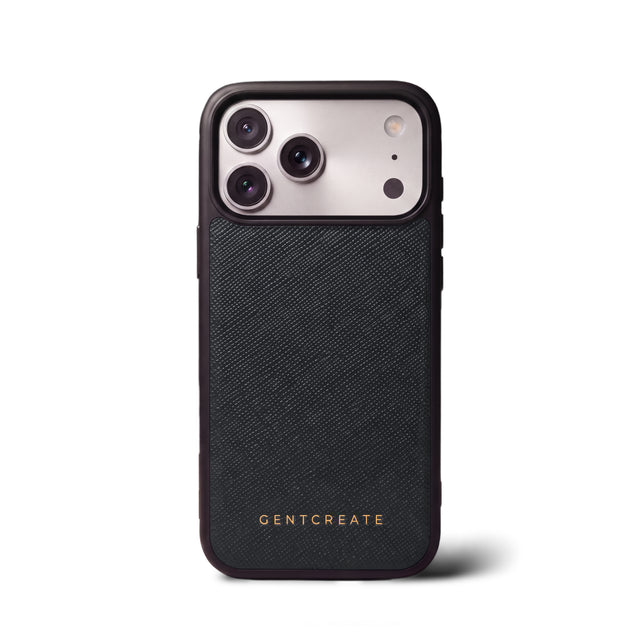
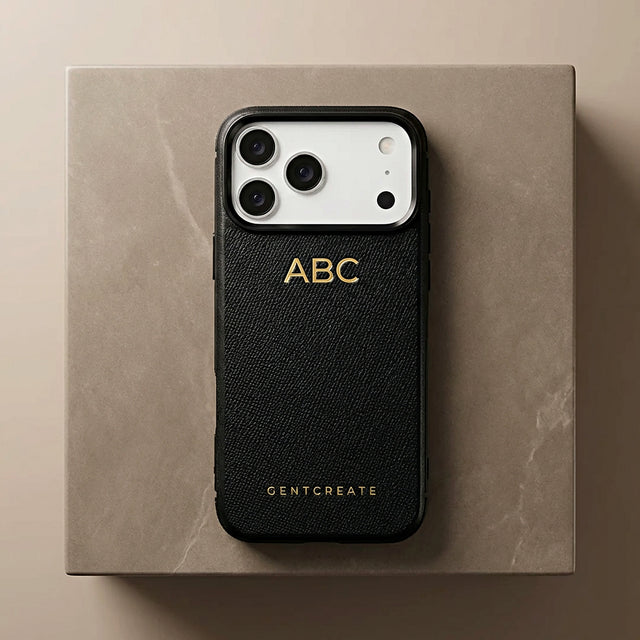
Leather iPhone Case Saffiano Pattern
- Product Specifications
- GENTCREATE Leather iPhone Case Saffiano Pattern— Uniquely Designed Contemporary Genuine Leather iPhone Case by Gentcreate Looking for a luxury leather iPhone case that will keep your device safe and ,Non-Slip, Gritty Feel, Raised Camera Edge , Luxury , Calfskin Leather , fits iPhone 18 Pro Max, iPhone 18 Pro, iPhone 18, iPhone 17 Pro Max, iPhone 17 Pro, iPhone 17, iPhone 16 Pro Max, iPhone 16 Pro, iPhone 16, iPhone 15 Pro Max, iPhone 15 Pro, iPhone 15, iPhone 14 Pro, iPhone 14 Plus, iPhone 14 Pro Max, iPhone 14 , available in Navy, Black .
(60)From $59 $75 -






 Save $50 USD
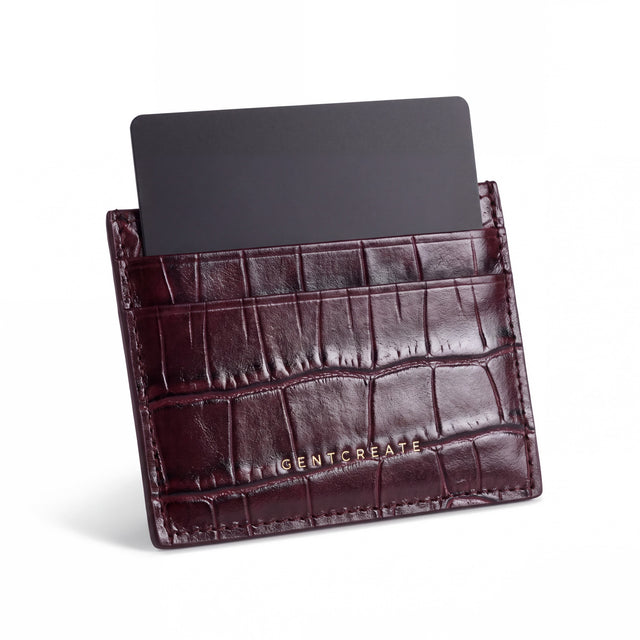
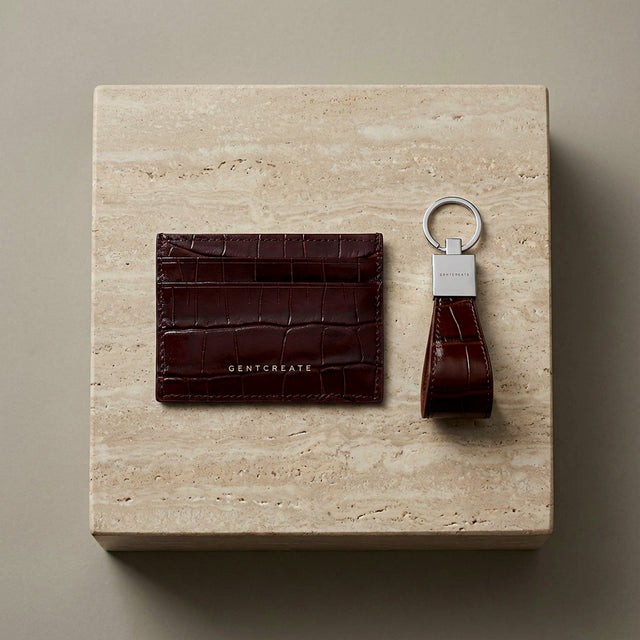
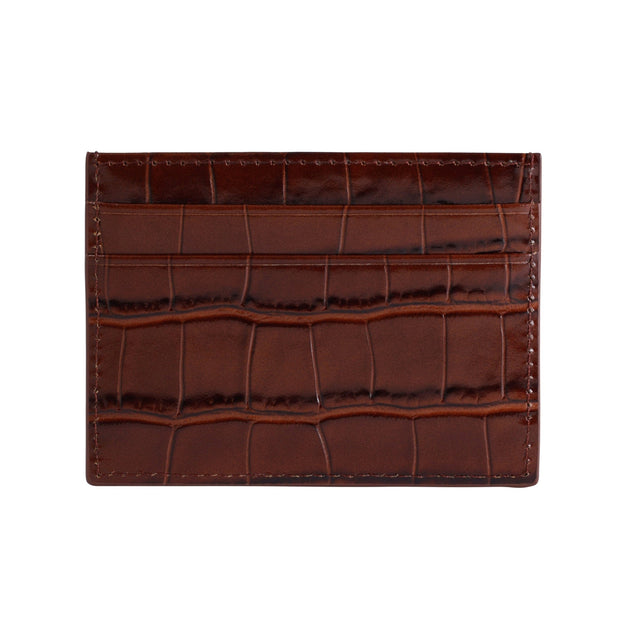
Crocodile Embossed Leather Cardholder
- Product Specifications
- GENTCREATE Crocodile Embossed Leather Cardholder— Our Crocodile Embossed Leather Cardholder is made with premium calfskin leather with an embossed crocodile pattern, it features four card slots and a central ,Lightweight , Luxury , Calfskin Leather , 7.3 cm / 2.87 inch x 10.3 cm / 4,52 inch , available in Black, Burgundy, Green, Navy, Brown .
(47)$130 $180 -






 Save $85 USD
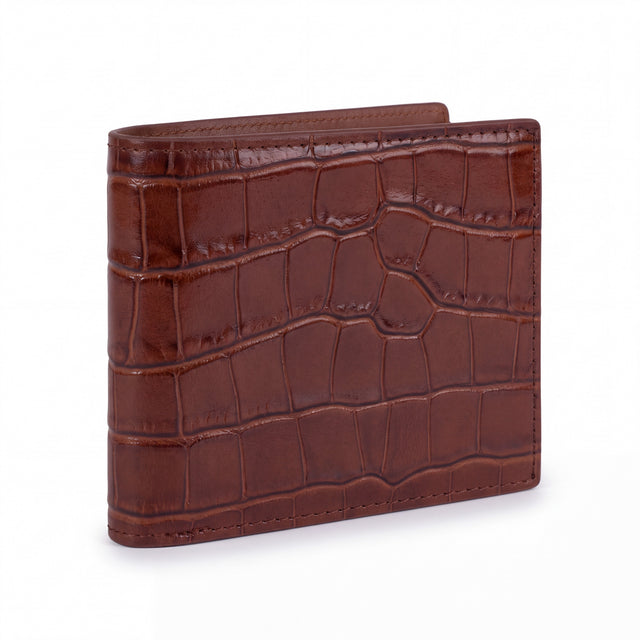
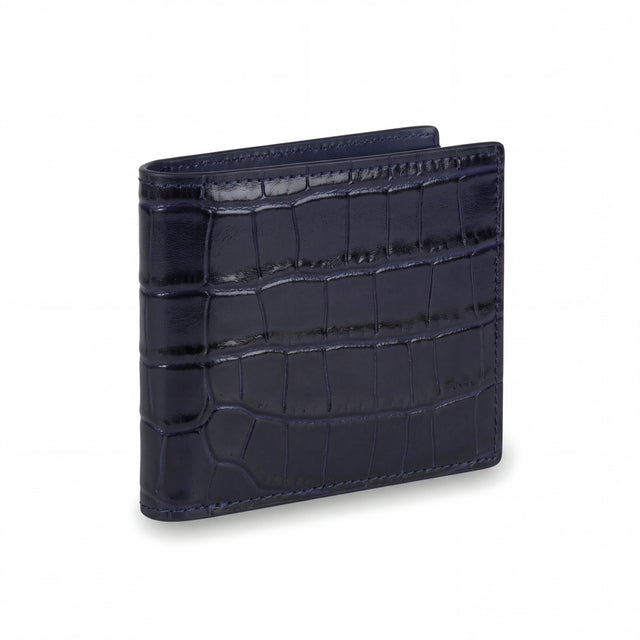
Crocodile Embossed Leather Wallet
- Product Specifications
- GENTCREATE Crocodile Embossed Leather Wallet— The crocodile bifold leather wallet is made from premium calfskin with a crocodile-embossed texture, offering a luxurious and timeless appeal. ,Lightweight , Luxury , Calfskin Leather , 9.5 cm / 3.74 inch x 11.5 cm / 4.52 inch , available in Black, Green, Brown, Burgundy, Navy .
(37)$165 $250 -




 Save $38 USD
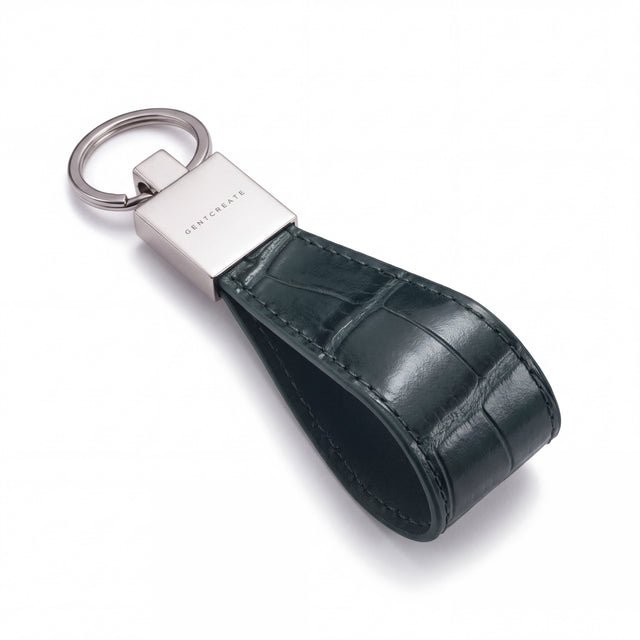
Crocodile Leather Keychain
- Product Specifications
- GENTCREATE Crocodile Leather Keychain— Crocodile Leather Keychain - Leather Accessories For Men and Women Made as a part of our crocodile leather accessories set, this keychain will only improve ,Stainless Steel , Luxury , Calfskin Leather , available in Black, Burgundy, Green, Navy, Brown .
(18)$59 $97 -




 Save $25 USD
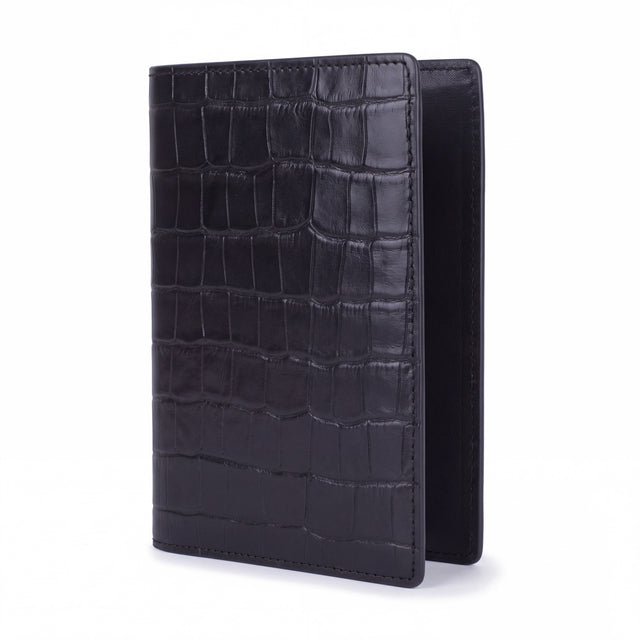
Crocodile Leather Passport Holder
- Product Specifications
- GENTCREATE Crocodile Leather Passport Holder— The perfect companion for your travels, the Crocodile Leather Passport Holder combines elegance and practicality. ,Boarding Pass Pocket and Card Slots , Luxury , Calfskin Leather , 10.6 cm / 4.17 inch x 14.7 cm / 5.8 inches , available in Black, Brown, Navy .
(21)$130 $155 -


 Save $55 USD
Glossy Leather Passport Holder
- Product Specifications
- GENTCREATE Glossy Leather Passport Holder—Boarding Pass Pocket, Nappa Leather Interior , Luxury , Calfskin Leather , 10.6 cm / 4.17 inches x 14.7 cm / 5.8 inches , available in Black, Blue, Burgundy, Green .
(21)$190 $245


