

A well-made leather wallet announces itself in four places: the stitch, the edge, the fold, and the corner. Read those four, and you can grade a wallet in under a minute without ever asking the price.
A well-made leather wallet reveals itself through tight, even stitching, burnished and sealed edges, consistent thickness, clean symmetrical corners, quiet hardware, and the natural grain markings that prove it is real full-grain leather.
- Stitch quality leads: even SPI, straight lines, and reinforced backstitching at the card-bay corners separate hand-finished work from glued shortcuts.
- Edges tell the truth: a burnished, sealed edge that resists fraying signals a maker who finished what they started, while a raw painted edge often hides cut corners.
- Full-grain shows its face: small natural blemishes, grain variation, and a developing patina are proof of real hide, not flaws to reject.
- The bench test is the method: run the seam, edge, fold, and corner checks in sequence and a wallet's true grade surfaces in under a minute.
- Hardware and lining whisper: quiet snaps, clean linings, and symmetric panels reveal restraint, the heart of minimalist construction.
On our bench, we call this the four-point bench test, and it is the same sequence we run before any GENTCREATE wallet leaves a maker's hands. It is not a score sheet or a statistic. It is a way of looking, a habit of attention that the eye learns once and keeps for life.
This guide walks you through each point the way we would at the cutting table. By the end, you will know how to tell if a leather wallet is high quality craftsmanship by touch and sight alone, whether you are holding a card holder, a bifold, or a long zip-around. The doctrine underneath it is simple: quality is a process choice, not a price tier. A patient maker who controls every stitch, fold, and cut leaves evidence everywhere, and that evidence is what you are learning to read.
What construction details separate a well-made wallet from a cheap one?
A well-made wallet is assembled to be taken apart and trusted; a cheap one is assembled to be sold and forgotten. The difference lives in how the panels are joined, how the edges are treated, and whether the leather was chosen to last or chosen to photograph.
Start with how the layers meet. A quality wallet is stitched through its layers so that load travels into the thread and the leather together. A cheap one leans on glue, with a token row of stitching laid on top for appearance. Flex the wallet gently and watch the seam: if the layers shift independently or the edge gaps open, the construction is cosmetic.
Then consider the leather itself. Full-grain is the outermost, strongest cut of the hide, and it earns a patina as it ages. Top-grain is sanded smooth and sealed, cleaner but with less of that living character. Bonded leather, ground scraps pressed with adhesive, is the tell of a wallet built down to a cost.
The failure mode here is mistaking thickness for quality. A bulky wallet often hides cheap, loosely structured leather padded out to feel substantial. A single credit card is only about 0.76mm thick, so a well-built card holder of roughly 2mm is carrying two layers of leather and your cards in less space than four cards stacked alone. That density, not bulk, is the better-made object. For the full economics of where money actually goes, our guide on what a leather wallet should cost maps price to real value.
How do you read stitch quality, SPI, and reinforced stress points?
Stitch quality is the single most honest signal of craftsmanship, because thread cannot be faked the way a finish can. Read three things: evenness, angle, and reinforcement.
SPI means stitches per inch, and it tells you how fine the seam is. A higher SPI count produces a tighter, more refined line, while a low count looks coarse and leaves longer thread spans exposed to wear. There is no single correct number, but the stitches should be uniform in length from one end of a seam to the other. When we hand-stitch a card bay, each stitch is set to match its neighbor, and that rhythm is what your eye reads as quiet quality.
Next, check the angle. Hand saddle-stitching often sits at a slight, consistent slant because of how the two needles cross the awl hole. Machine stitching sits straight. Neither is automatically better, but inconsistency within a single seam, wandering lines, skipped stitches, or loose loops, is always a sign of rushed work.
Finally, the stress points. The mouth of every card slot and the corners of the bill compartment take the most strain. A careful maker reinforces these with backstitching, a doubling-back of the thread that locks the seam against pulling. The failure mode is a seam that simply stops at the slot opening with a loose tail, the first place a cheap wallet unravels.
| Stitch signal | Well made | Cut corners |
|---|---|---|
| Stitch length | Uniform end to end | Wanders, skips, varies |
| SPI feel | Fine, tight line | Coarse, long spans |
| Tension | Snug, seated in the leather | Loose loops, puckering |
| Stress points | Backstitched at slot mouths | Stops abruptly, loose tail |
| Thread ends | Tucked and sealed | Frayed or glued blob |

What do finished, burnished, or folded edges tell you about the maker?
The edge is where a maker either finishes the job or hides from it, which makes it the fastest read in the whole bench test. A leather edge can be raw-cut, painted, burnished, or folded, and each tells you something different about the patience behind the piece.
Burnishing is the process of sanding, sealing, and friction-polishing a raw edge until the fibers compress into a smooth, rounded, almost glassy line. It takes time and cannot be rushed, which is exactly why it signals care. Run your fingertip along a burnished edge and it should feel continuous and sealed, with no fuzz lifting away.
A folded edge is the other mark of high craft, where the leather is skived thin and turned over itself so no raw cut shows at all. This is common on dressier calfskin and Italian leather pieces and demands real skill to keep flat and even.
The counter-case is the raw painted edge. A thin coat of edge paint over an unsanded cut looks acceptable in a photo but cracks and peels within months of pocket friction. If you see paint flaking at a corner in the store, the wallet is already failing. To understand how each edge type names a different part of the build, our anatomy of a wallet breaks down every component by name.

Why do consistent thickness, symmetry, and clean corners matter so much?
Consistency is the quiet proof of skill, because anyone can make one good corner but only a disciplined maker makes every corner match. Thickness, symmetry, and corners are the third point of the bench test, and together they reveal whether the wallet was built to a standard or built to a deadline.
Lay the wallet flat and look across its profile. The body should be even in thickness, with no lumps where layers bunch or thin spots where the leather was over-skived. When you fold a bifold closed, the two halves should align so the edges meet rather than overhang. A trifold should close without one panel proud of the others.
Symmetry is the same idea seen from the front. Card slots should sit at matching heights, the stitching should mirror left to right, and any logo or stamp should sit square. Small natural variation in the leather is fine and expected. Sloppy alignment of the construction is not.
Corners are where it all concentrates. A well-made corner is clean, rounded or crisply squared by intent, with the stitching turning the corner in a controlled curve. The failure mode is a corner that puckers, bulges, or shows thread bunching, the signature of a seam taken too fast around the hardest part of the path.
What do hardware, lining, and snaps reveal about quality?
Hardware and lining reveal a maker's restraint, and restraint is the whole spirit of minimalist construction. The best hardware does its job and then disappears; the worst announces itself and then fails.
Test any snap by opening and closing it several times. A quality snap seats with a clean, firm action and holds without you fighting it. A cheap snap is either so stiff it threatens to tear the leather or so loose it pops open in the pocket. Zippers on a zip-around should run smoothly end to end with no catching, and the pull should feel solid rather than tinny.
Lining matters just as much as the outside. A well-made wallet is often lined with leather or a clean, tightly woven fabric that is cut and seated without wrinkles or stray adhesive. Peek into the bill compartment: messy glue lines, frayed lining, or a flimsy backing are all signs the inside was treated as the place where corners get cut.
The counter-case is over-hardware, a wallet loaded with branded plates, chains, and rivets to perform luxury it does not have. The minimalist read is the opposite. Carry only what you use, and let the leather and the stitch carry the wallet. For styles that offer RFID-protected layers, that shielding is integrated quietly into the build rather than bolted on.

How do natural blemishes signal real full-grain rather than a flaw?
A small natural blemish is not a defect in a full-grain wallet; it is a signature, the proof that the surface was never sanded away. Learning to read these marks is what separates an informed buyer from one who rejects the very thing they should want.
Full-grain leather keeps the hide's outermost layer intact, which means it also keeps the hide's history: faint healed scars, subtle insect marks, grain that tightens and loosens across the panel, and slight tone variation. These are the fingerprints of a real animal hide and a maker confident enough not to grind them off. On our bench, we read consistent grain variation as a green flag, not a reason to discard a panel.
Compare that to corrected top-grain, where the surface is sanded and an even, printed grain is stamped on. It looks flawless and uniform, which is its appeal, but it will never develop the deep, individual patina that full-grain earns with use. Neither is wrong; they are different choices. But uniformity is not the same as quality, and many shoppers wrongly treat a perfectly even surface as the higher grade. If you want to predict how a given hide will deepen, our guide to leather color and patina shows how tone shifts with carry.
The failure mode is confusing a natural mark with actual damage. A healed scar that sits flush with the surface is character. A deep cut, a crack in the finish, or a delaminating top layer is damage. When in doubt, our guide on how long a leather wallet lasts explains how full-grain ages versus other cuts over years of carry.
| Surface trait | Real full-grain | Corrected / bonded |
|---|---|---|
| Grain | Varies naturally across panel | Uniform, printed, repeating |
| Blemishes | Faint healed marks present | None, sanded away |
| Patina over time | Deepens and personalizes | Stays flat or cracks |
| Feel | Supple, breathes, warms | Plasticky, sealed-cold |
| Aging | Earns character | Wears thin and peels |
How does GENTCREATE build these standards into every wallet?
GENTCREATE builds the four-point bench test into the wallet itself, because we are the maker, not a reseller, and we control every stitch, fold, and cut. That control is the whole point: when no third party stands between the bench and your pocket, quality becomes a decision we make rather than a margin someone trims.
Every piece begins with the leather choice named honestly for what it is: full-grain where character and durability lead, calfskin or Italian leather where a finer hand is wanted, Saffiano or Epsom where a crisp structured surface suits the form. We hand-stitch the stress points, burnish or fold the edges, and check symmetry and corners before a wallet is allowed to pass.
The forms follow the minimalist doctrine: ultra-slim card holders around 2mm, bifolds and slim front-pocket wallets that hold up to roughly eight cards without bulking, and longer continental and zip-around styles for those who carry more. Where a style offers RFID protection, it is integrated into the construction. Each wallet ships in a sustainable gift box and carries a product warranty, and the Custom Leather Wallets line lets you personalize the piece.
When you are ready to apply the bench test yourself, browse our fine leather wallets and handmade leather wallets collections and run the four points across any piece that catches your eye.

Your well-made wallet checklist
Decide first whether the wallet passes all four bench-test points: if the stitch, edge, thickness, and corners hold up, it is built to last. Run these in order, the way we do at the bench.
- Stitch: Are the stitches even in length, snug in tension, and backstitched at the card-slot mouths and bill-compartment corners?
- Edge: Is the edge burnished smooth or cleanly folded, with no flaking paint, fuzz, or lifting fibers?
- Thickness and symmetry: Is the body even in profile, do the halves align when closed, and do the card slots sit at matching heights?
- Corners: Are the corners clean and controlled, with the stitching turning the curve without puckering or bunching?
- Hardware and lining: Do snaps seat firmly, zippers run smoothly, and is the lining cut clean without stray glue?
- Leather: Does the surface show natural full-grain grain variation rather than a printed, perfectly uniform face?
Frequently asked questions
These answers distill the four-point bench test into the questions buyers ask most, so you can judge any wallet with confidence.
Does hand-stitching always mean a wallet is better made than machine-stitched? Not automatically, but hand saddle-stitching has a structural advantage worth understanding. A saddle stitch uses two needles locking each hole independently, so if one segment is cut, the seam does not unravel down the line the way a single-thread machine lockstitch can. What matters most is consistency and reinforcement at the stress points, regardless of method. A flawless machine seam beats a sloppy hand seam every time.
What is a good SPI for a leather wallet? There is no single magic number, but finer, uniform stitching reads as higher craft. SPI counts that look tight and even across the whole seam indicate care, while long, coarse spans leave thread exposed to abrasion. Focus less on counting and more on whether every stitch matches its neighbor in length and tension. Uniformity is the real signal.
Are blemishes in leather a sign of poor quality? No, faint natural blemishes are evidence of genuine full-grain leather, not a defect. Healed scars, grain variation, and slight tone shifts are the hide's natural fingerprints, and a maker who leaves them visible is showing confidence in the material. Actual damage, a deep crack, a cut through the finish, or a peeling top layer, is different and should be rejected. Learn to tell character from injury.
How can I tell full-grain from top-grain in a store? Look at the surface uniformity and feel the hand of the leather. Full-grain shows natural variation and a supple, breathing feel that warms in the hand; corrected top-grain looks perfectly even because its surface was sanded and printed. Full-grain also develops a richer patina over time, while corrected surfaces tend to stay flat or eventually crack. When a brand names the cut honestly, trust that over a guess.
Why do wallet edges fray, and can I prevent it? Edges fray when a raw cut was painted over instead of properly burnished or folded. A burnished edge has its fibers compressed and sealed, so pocket friction has nothing to lift; a cheap painted edge cracks and peels with use. You cannot fully fix a poorly finished edge after the fact, though our guide on repairing a scratched or worn wallet covers what can be salvaged. The real prevention is buying a well-finished edge to begin with.
Does a more expensive wallet always mean better craftsmanship? No, price and craftsmanship are related but not the same thing. Much of a high price can be brand markup rather than build quality, which is why a direct-from-maker wallet can offer atelier-level construction without the middleman premium. Run the four-point bench test rather than reading the tag. The stitch, edge, fold, and corner will tell you the truth that the price never can.
The marks are on the leather if you know where to look; when you want to put the bench test to work, our fine leather and handmade collections are a good place to start reading them.
-




 Save $50.00 USD
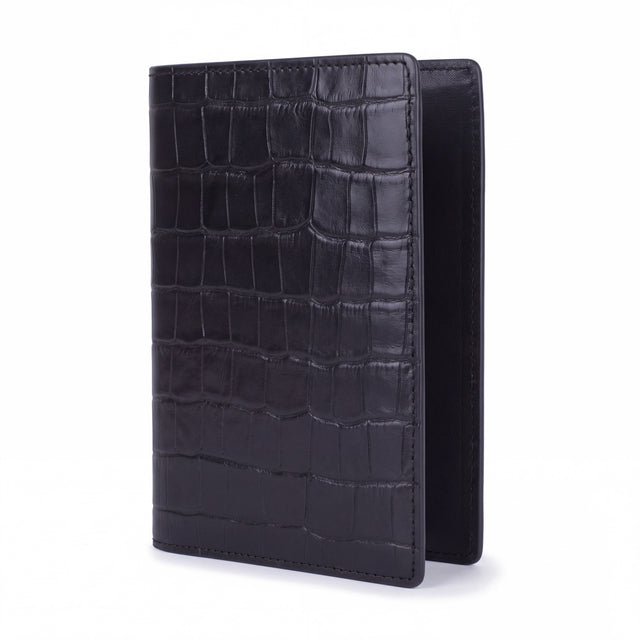
Crocodile Leather Passport Holder
- Product Specifications
- GENTCREATE Crocodile Leather Passport Holder— The perfect companion for your travels, the Crocodile Leather Passport Holder combines elegance and practicality. ,Boarding Pass Pocket and Card Slots , Luxury , Calfskin Leather , 10.6 cm / 4.17 inch x 14.7 cm / 5.8 inches , available in Black, Brown, Navy .
(21)$105.00 $155.00 -


 Save $55.00 USD
Glossy Leather Passport Holder
- Product Specifications
- GENTCREATE Glossy Leather Passport Holder—Boarding Pass Pocket, Nappa Leather Interior , Luxury , Calfskin Leather , 10.6 cm / 4.17 inches x 14.7 cm / 5.8 inches , available in Black, Blue, Burgundy, Green .
(21)$190.00 $245.00 -













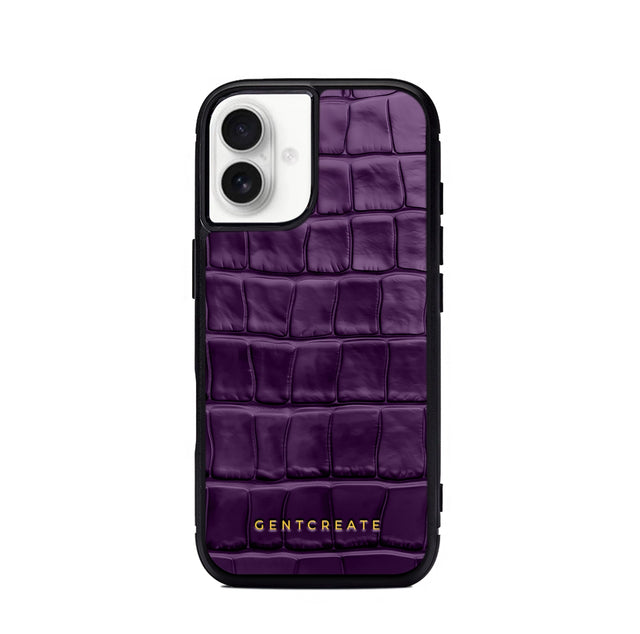


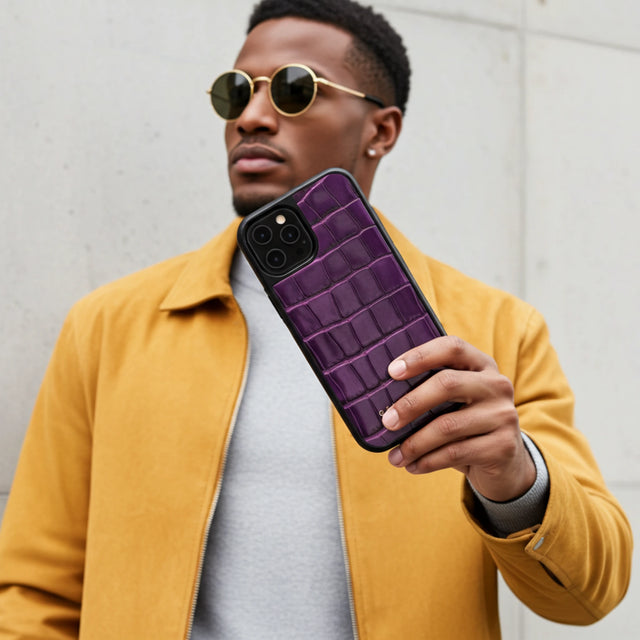


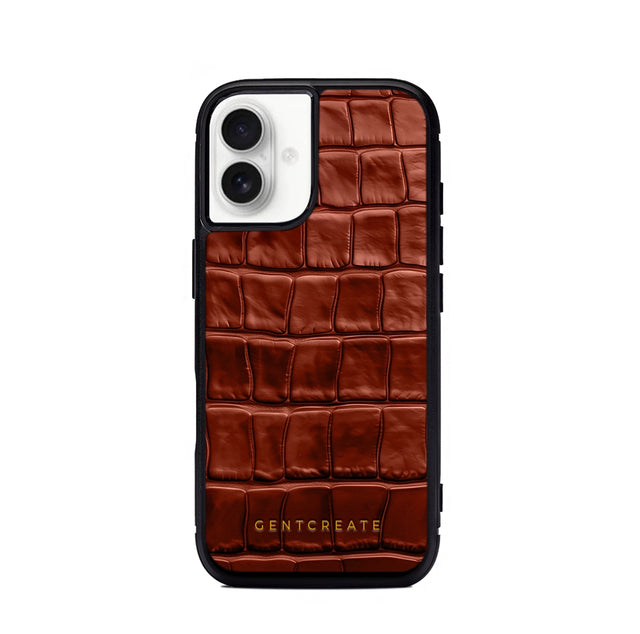
 Save $50.00 USD
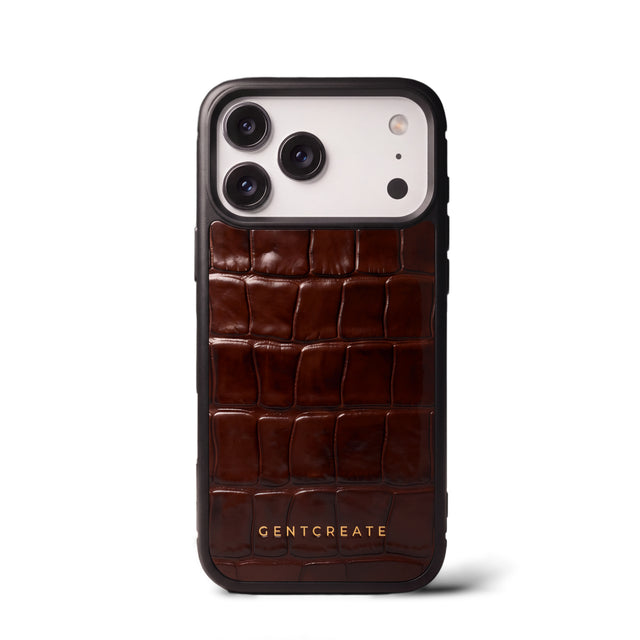
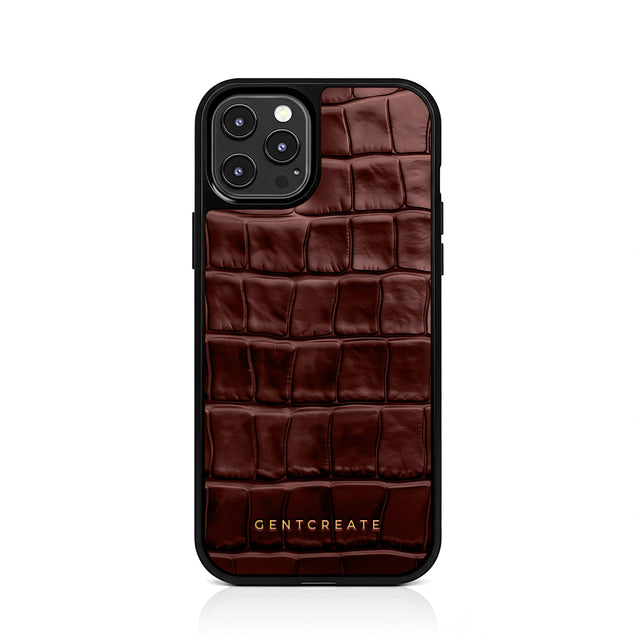
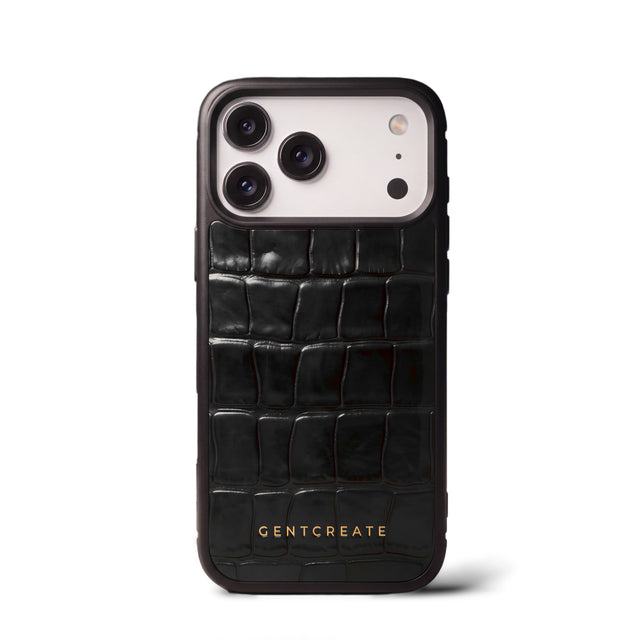
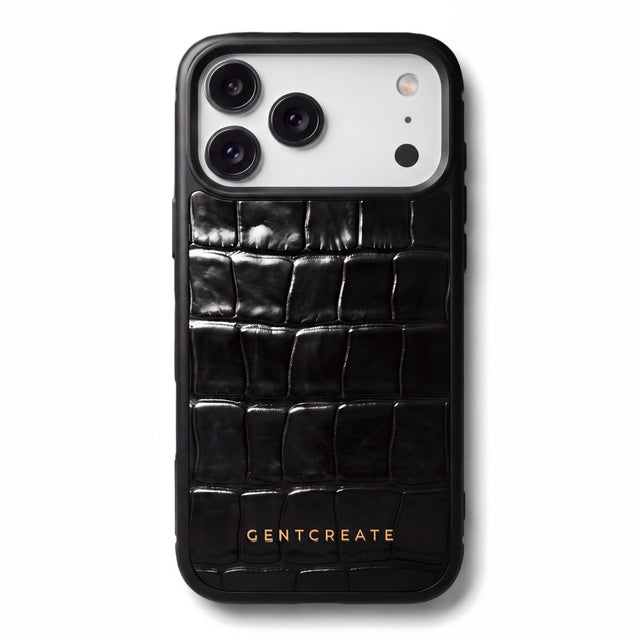
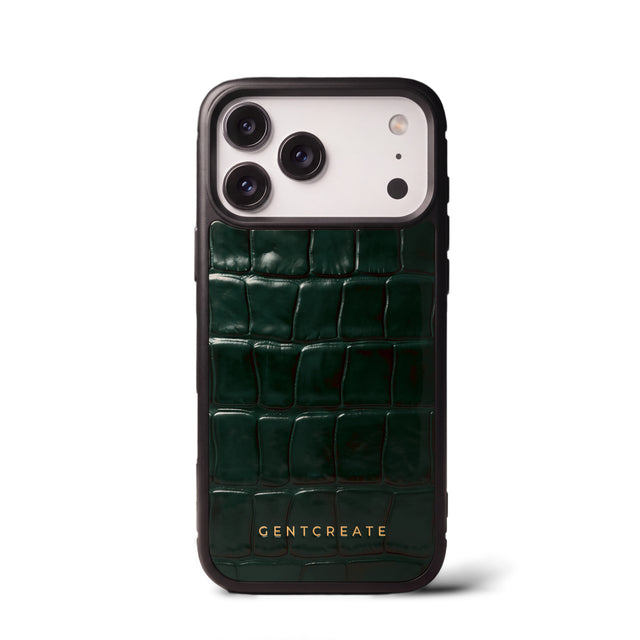
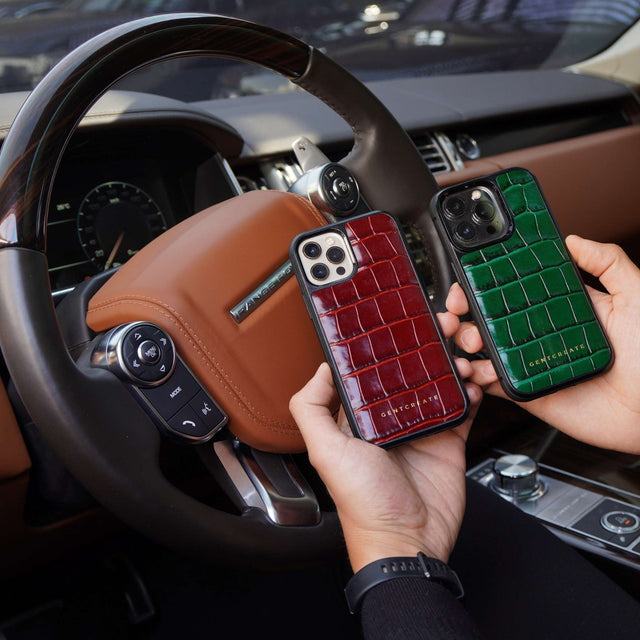
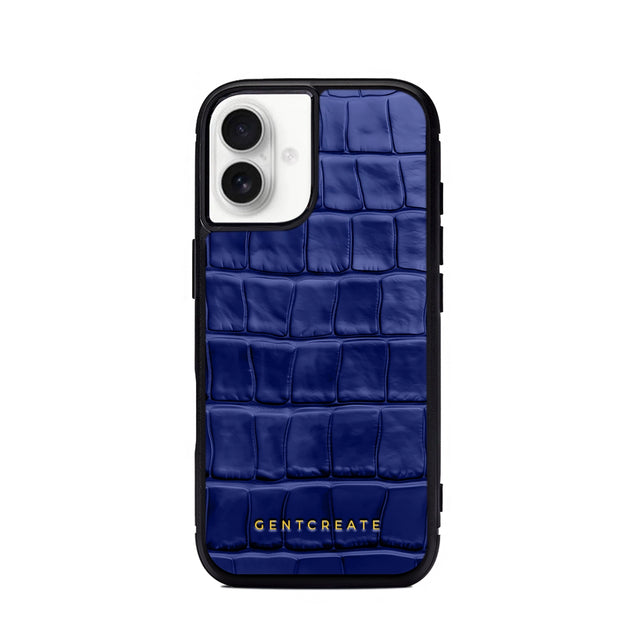
Leather iPhone Case Croco Glossy
- Product Specifications
- GENTCREATE Leather iPhone Case Croco Glossy— Premium leather iPhone case with crocodile pattern. Handcrafted Italian calf leather, wireless charging straight through. Fits all recent iPhone models. Shop now. ,Rubber Edge, Raised Camera Edge , Luxury , Calfskin Leather , fits iPhone 18 Pro Max, iPhone 18 Pro, iPhone 18, iPhone 17 Pro Max, iPhone 17 Pro, iPhone 17 Air, iPhone 17, iPhone 16, iPhone 16 Pro, iPhone 16 Pro Max, iPhone 15, iPhone 15 Pro, iPhone 15 Pro Max, iPhone 14, iPhone 14 Pro, iPhone 14 Pro Max , available in Glossy Burgundy, Glossy Black, Glossy Green, Glossy Blue, Glossy Magenta, Glossy Brown .
(264)From $65.00 $115.00 -
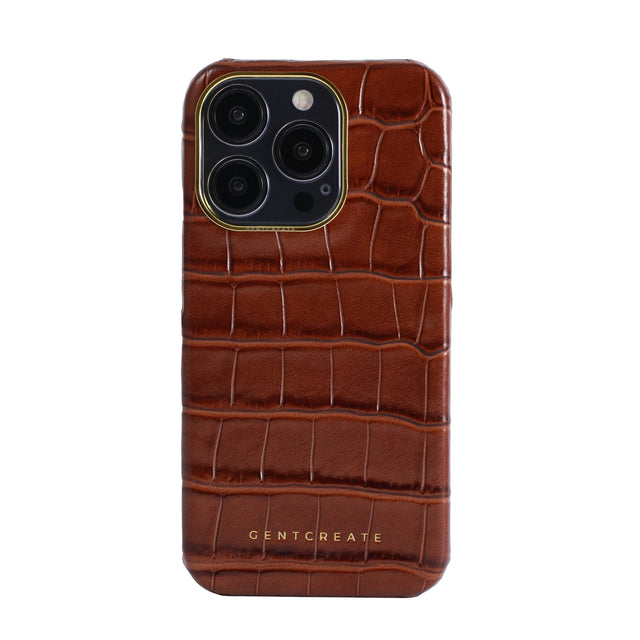





 Clearance Sale
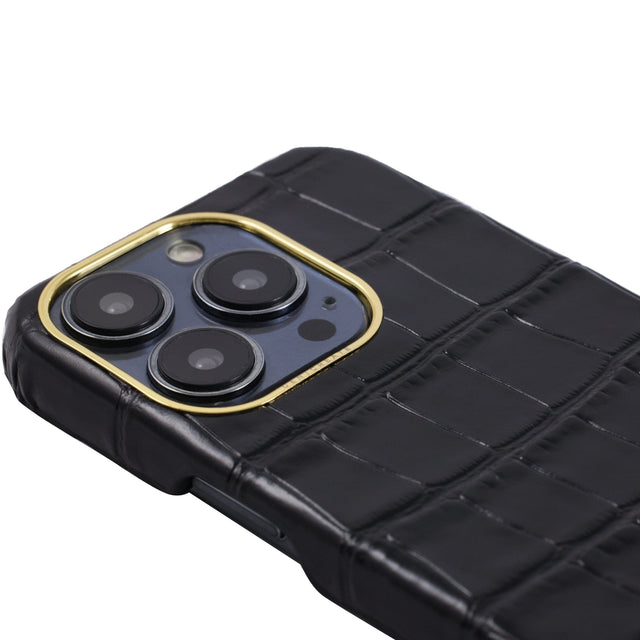
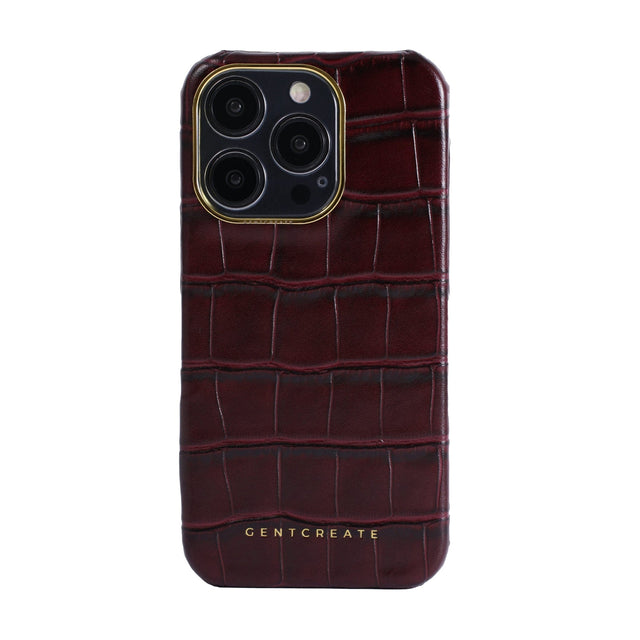
Leather iPhone Case Crocodile Pattern
- Product Specifications
- GENTCREATE Leather iPhone Case Crocodile Pattern— Our classic Leather iPhone Case with a Crocodile Pattern creates a 'classic look' for your iPhone, often preferred by our minimalist-oriented customers. ,Full Pattern Raised Camera Edge , Luxury , Calfskin Leather , fits iPhone 15 Pro Max, iPhone 15 Pro, iPhone 14 Pro Max, iPhone 14 Pro , available in Brown, Green, Black, Burgundy, Dark Navy .
(70)$60.00 $115.00 -






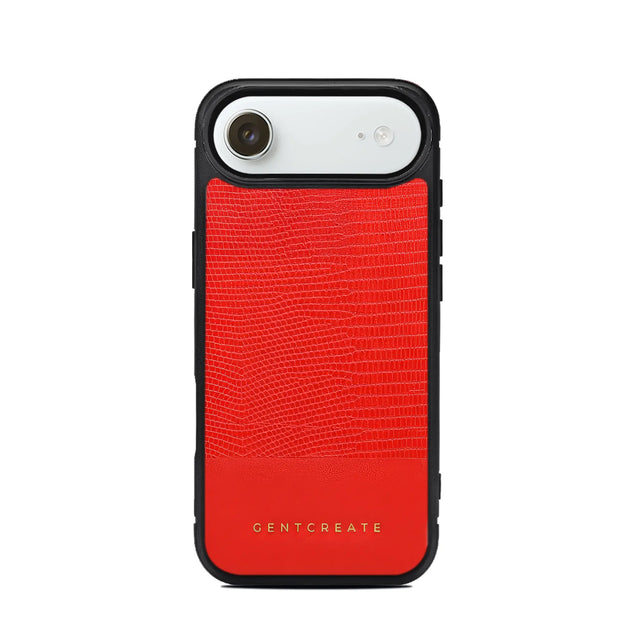


 Save $19.95 USD
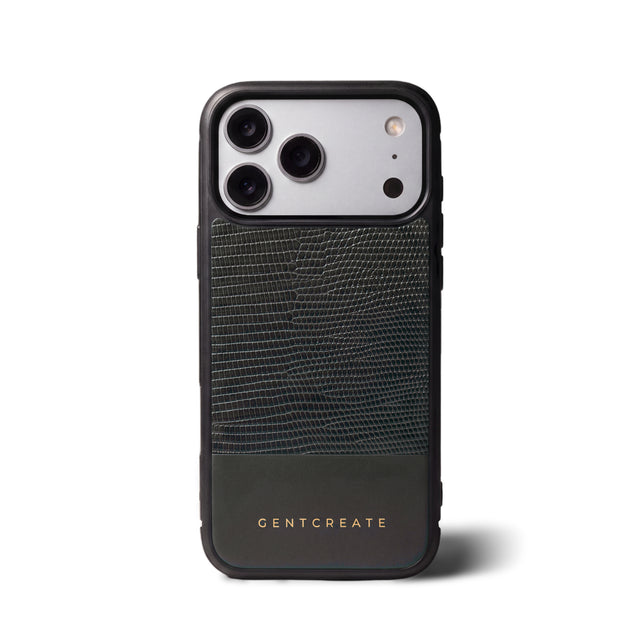
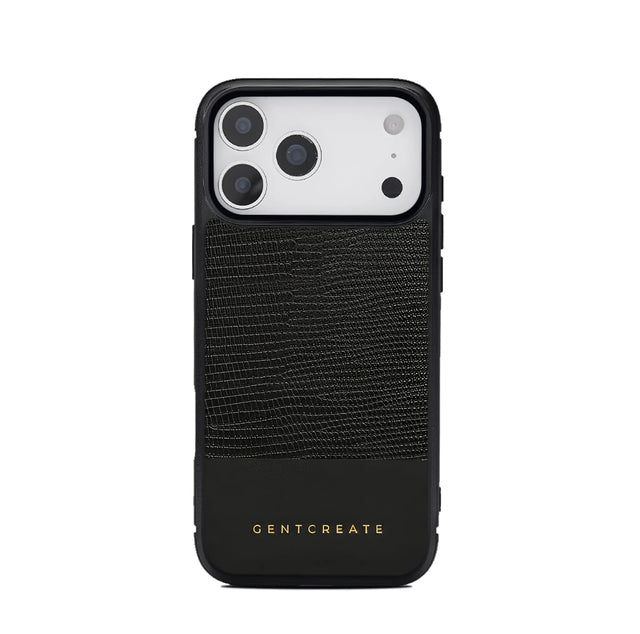
Leather iPhone Case Lizard Pattern
- Product Specifications
- GENTCREATE Leather iPhone Case Lizard Pattern— Leather iPhone Case Lizard Pattern - Luxury Minimalistic Phone Case Our Lizard Leather iPhone case from Gentcreate is the perfect blend of style and ,Rubber Edge, Raised Camera Edge , Luxury , Calfskin Leather , fits iPhone 18 Pro Max, iPhone 18 Pro, iPhone 18, iPhone 17 Pro Max, iPhone 17 Pro, iPhone 17 Air, iPhone 17, iPhone 16 Pro Max, iPhone 16 Pro, iPhone 16, iPhone 15 Pro Max, iPhone 15 Pro, iPhone 15, iPhone 14 Pro Max, iPhone 14 Pro, iPhone 14 , available in Gray, Black, Orange, Green, Red, Yellow .
(46)From $79.00 $98.95 -


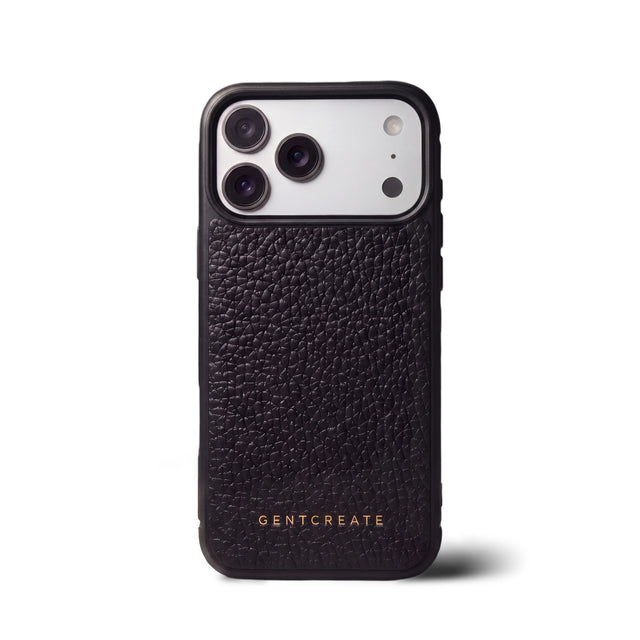


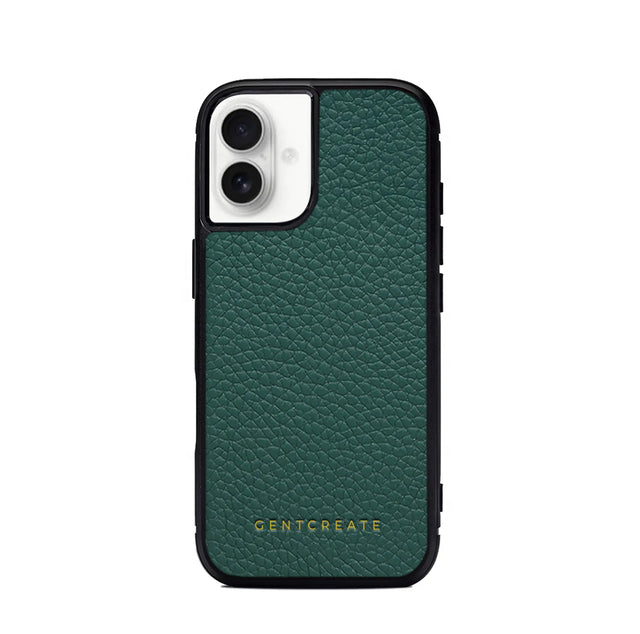


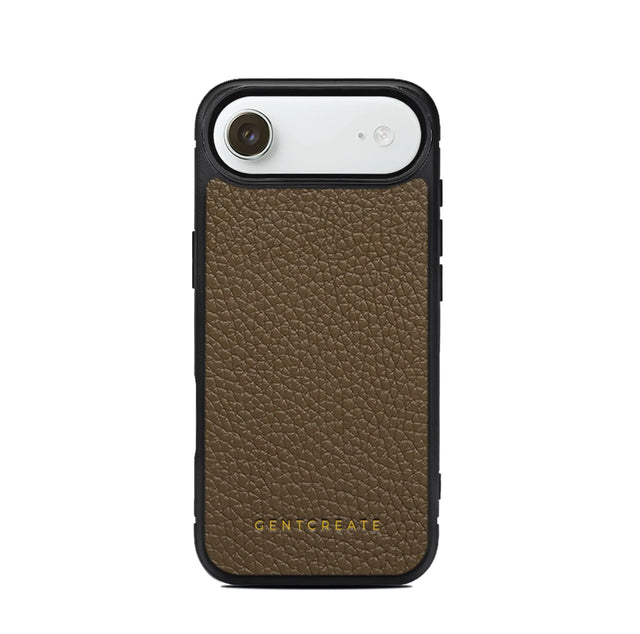



 Save $9.00 USD
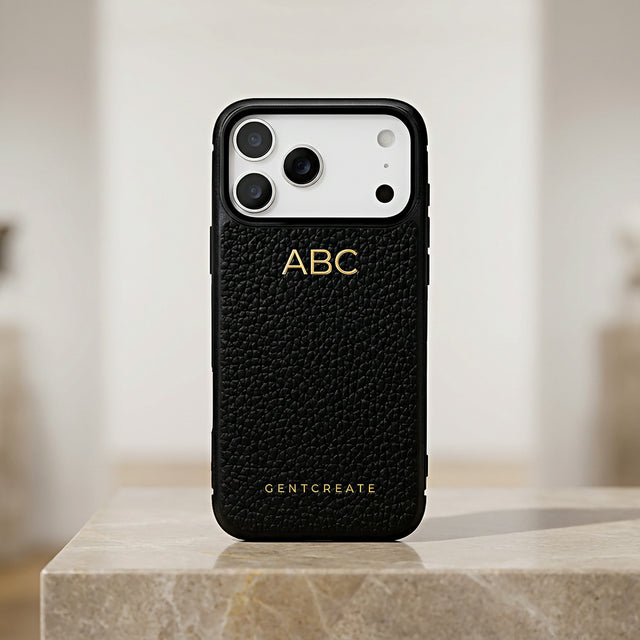
Leather iPhone Case Pebble Pattern
- Product Specifications
- GENTCREATE Leather iPhone Case Pebble Pattern— Handmade Leather iPhone Case with a Pebbled Pattern This handmade Leather iPhone Case with a distinct pebble pattern is a really good value price purchase ,Rubber Edge, Raised Camera Edge , Luxury , Calfskin Leather , fits iPhone 18 Pro Max, iPhone 18 Pro, iPhone 18, iPhone 17 Pro Max, iPhone 17 Pro, iPhone 17, iPhone 17 Air, iPhone 16 Pro Max, iPhone 16 Pro, iPhone 16, iPhone 15 Pro Max, iPhone 15 Pro, iPhone 15, iPhone 14 Pro Max, iPhone 14 Pro, iPhone 14 , available in Navy, Black, Green, Brown, Khaki .
(29)From $65.00 $74.00


