

Coordinate your wallet to your belt and shoes by sharing one leather color family and finish, rather than hunting for three pieces cut from identical hide. The wallet spends its life in your pocket, so it only needs to belong to the leather on show, not duplicate it. The old menswear shorthand says belt equals shoes; the wallet quietly tags along.
Match your wallet to your belt and shoes by coordinating leather color family, finish, and texture rather than chasing an exact dye-lot, since the wallet lives in your pocket and only needs to belong to the same family as the leather on show.
- The pocket test: your wallet is the one piece nobody sees while you wear it, so coordinate its family, not its exact shade.
- The leather trio rule: belt, shoes, and wallet read as deliberate when they share one color family, with the belt and shoes doing the visible work.
- Finish over dye-lot: a matte wallet beside glossy shoes breaks the look faster than a half-shade color gap ever will.
- Black is the safe default: one black full-grain wallet coordinates with black shoes, brown shoes, and any belt without a second thought.
- Coordinate, never clone: matching means belonging to the same family in tone and finish, not finding three pieces cut from identical hide.
On our bench, we call the deciding move the pocket test: of the three leather pieces, the wallet is the only one nobody sees while you walk, so it earns the most slack and the least anxiety. Get the belt and shoes talking to each other, and a well-chosen wallet falls into line on its own. If you are still deciding on a base tone, our guide to choosing the right leather wallet color breaks down which shades earn their keep across a wardrobe.
This guide walks the classic rule, where exactness actually matters, why finish and texture outrank color, how to read mixed hardware, and the one wallet color that ends the question for good.
Does your wallet actually need to match your belt and shoes?
No, your wallet only needs to coordinate, not match, because it stays hidden in your pocket all day. The visible pairing is belt-to-shoes; the wallet is a third voice that should harmonize, not solo.
Think about when anyone actually sees your wallet. It appears for ten seconds at the register, the host stand, or the cab door, then disappears. Your belt and shoes are on display from the moment you stand up. That asymmetry is the whole reason the wallet gets a softer rule.
Run the pocket test before you overthink it: if a piece is invisible while you move, judge it on coordination, not precision. A deep brown wallet drawn beside tan shoes reads as intentional even when the shades aren't twins, because the eye only ever sees them in sequence, never side by side.
The trap is treating the wallet like a tie or pocket square, a focal accessory demanding an exact callback. It isn't. Over-matching a hidden piece is effort spent where no one is looking, and it usually leaves you stranded when your shoes change but your wallet can't.
What is the classic leather trio rule for belt, shoes, and wallet?
The classic leather trio rule says belt, shoes, and wallet should share one color family, with the belt matched closely to the shoes and the wallet coordinated to both. It's a hierarchy, not a three-way tie: shoes anchor, belt follows the shoes, wallet follows the belt.
The belt hews tightest to the shoes because they share the eye's attention. Both sit in the visible vertical line of an outfit, and the eye travels between them constantly. A black belt under brown shoes is the error everyone notices first; that's the pairing the rule protects.
The wallet sits one rung down because it lives off-stage. Coordinate it to the belt-and-shoes family, brown family with brown, black with black, and you've satisfied the rule without forcing a precise shade.
| Piece | Visibility | Matching standard | What it answers to |
|---|---|---|---|
| Shoes | Always on show | The anchor; sets the family | Nothing; it leads |
| Belt | Always on show | Match closely to shoes | The shoes |
| Wallet | Hidden in pocket | Coordinate to the family | The belt and shoes |
The classic stumble is the man who buys a matching belt-and-wallet set, then wears it with shoes from a different family, say a tan set with black oxfords. He matched two hidden-adjacent pieces and ignored the one that actually shows. The rule starts at the shoes for a reason; build outward from the ground up, never from the pocket out.
Is matching the same color family enough, or must the shades be exact?
Same color family is enough for the wallet; exact shades only matter for pieces seen together at the same moment, which the wallet almost never is. Belt and shoes can justify a near-exact match because they share the eye's attention. The wallet trades on family resemblance.
Leather makes exact matching close to impossible anyway, and we'd argue against chasing it. Full-grain leather develops a patina, so even two pieces that left the bench the same color drift apart as they age. An everyday wallet darkens at the touch points where your thumb works the fold, while a less-handled belt holds its tone. An "exact" match today is a mismatch later.
Family thinking is more durable. Group your leather into a few honest buckets and stay inside one:
| Color family | Members | Pairs cleanly with |
|---|---|---|
| Black | True black, charcoal-black | Black only; never browns |
| Light brown | Tan, cognac, camel, honey | Other light-to-mid browns |
| Dark brown | Chocolate, espresso, oxblood-leaning | Mid-to-dark browns, some burgundy |
| Burgundy / oxblood | Wine, deep red-brown | Itself, careful dark browns |
Stay within a column and your trio coordinates. The light browns are the most forgiving: cognac, tan, and honey all read as cousins. Black is the strictest: it lives alone and refuses to blend up into brown.
Where men go wrong is shade-perfectionism, rejecting a beautiful cognac wallet because it's a half-tone off a tan belt. Those two will never be photographed together. Same family, similar depth, done. Save the exactness for the belt and shoes, where the eye actually audits the pairing.
Why do finish and texture matter as much as color when matching leather?
Finish and texture matter as much as color because the eye reads sheen before hue: a matte wallet beside glossy shoes clashes harder than a half-shade color gap. Two browns in different finishes can look more wrong together than two slightly different browns in the same finish.
Finish is the gloss level, how much light the surface throws back. A smooth calfskin or Italian calf leather catches light and reads dressy. A matte, pebbled, or full-grain surface drinks light and reads relaxed. Texture is the pattern itself: the fine cross-hatch of Saffiano, the even grain of Epsom, the raised relief of crocodile-embossed or lizard-embossed leather.
Our house move here is the finish ladder: sort every leather piece by formality before you fret over color. High-gloss smooth at the top, matte and grained at the bottom, and try to keep your trio on the same rung or one apart.
| Finish / texture | Formality | Best company |
|---|---|---|
| Smooth calfskin, Italian calf | Dressy | Polished dress shoes, sleek belts |
| Saffiano, Epsom | Structured, versatile | Business and smart-casual |
| Pebbled, full-grain | Relaxed-refined | Casual leather, everyday carry |
| Crocodile / lizard-embossed | Statement | One piece at a time, never three |
The embossed leathers deserve a rule of their own: wear the texture as the soloist. A crocodile-embossed wallet beside a crocodile-embossed belt and lizard-embossed shoes is three statements shouting over each other. Let one piece carry the pattern and keep the rest smooth.
A common slip is matching color and ignoring finish, pairing a high-gloss dress wallet with rugged matte work boots in the identical brown. The hue agrees; the formality argues. When you can't tell whether two pieces belong together, the answer is usually finish, not color. The same instinct that tells a well-made wallet from a mediocre one, even, recessed hand-stitched edges and a clean grain, applies to reading finish across an outfit.

How do you coordinate a wallet with mixed-metal buckles and hardware?
Coordinate the wallet's metal, a money clip, a zip pull, a snap, to your belt buckle, the lead piece of metal at the waistline. Leather sets the color story; metal is a parallel one, and the wallet's small metal moment should echo the buckle rather than fight it.
Pick a metal temperature and let the wallet follow it. Silver-tone hardware, stainless or palladium, runs cool and leans toward black and cool-gray leathers; gold and brass run warm and flatter browns, cognac, and tan. A money clip wallet makes this concrete: a silver clip on black leather is a crisp, cool pairing, while a brass-toned clip on cognac is warm and classic. Match the clip's temperature to your buckle and the trio stays consistent down to the smallest detail.
You can mix metals on purpose, a steel watch with a gold ring is a known look, but the wallet's hardware should still tie back to one dominant temperature, not add a third stray note. Hardware is the finishing layer: coordinate the leather first, then let the wallet's metal fall in behind the buckle.

What is the safest single wallet color that goes with everything?
Black is the safest single wallet color, because a black full-grain wallet coordinates with black shoes, brown shoes, and any belt without fighting the outfit. If you own one wallet and want it to disappear into every pairing, make it black.
Black wins on pure neutrality. It never competes with brown the way a brown wallet competes with black. A brown wallet beside black shoes can look like a near-miss, but a black wallet beside brown shoes simply reads as a separate, hidden piece. Because the wallet is out of sight, black's "doesn't match the brown" never registers the way a black belt under brown shoes would.
Dark brown is the strong runner-up and the better single choice if your shoe rotation skews brown. A chocolate or espresso wallet coordinates across tan, cognac, and dark-brown footwear, and full-grain deepens handsomely at the touch points with daily carry.
| Single-wallet color | Coordinates with | Best for |
|---|---|---|
| Black | All shoes, all belts | One-wallet minimalists, formal-leaning wardrobes |
| Dark brown | Most browns, casual blacks | Brown-shoe wearers, warmer wardrobes |
| Cognac / tan | Light-to-mid browns | Casual, warm-season, statement carry |
| Burgundy / oxblood | Browns and blacks, as an accent | The man who already owns a black one |
This is where the minimalist case gets loud. Owning one disciplined black wallet beats owning five color-matched ones, because the right black piece is invisible by design and matches by default. Carry only what you use, and let one excellent wallet do the work of a drawer full of compromises. Browse the men's leather wallets collection and you'll see why black and dark brown lead the lineup.
The pitfall is buying a bold statement color as your only wallet. A bright tan or oxblood is a joy as a second wallet, but as the sole one it forces a coordination decision every single morning. Make your first wallet the quiet one.
How do you match leather when you wear both black and brown shoes?
When you rotate both black and brown shoes, carry a black wallet plus a brown wallet, or, if you carry one, make it black, since black is the only color that works across both shoe families. Two shoe families don't demand two of everything; they demand one smart neutral or one honest pair.
The two-wallet approach mirrors what most men already do with belts: a black belt for black shoes, a brown belt for brown. Extend it to the wallet only if you genuinely swap daily and want each carry perfectly tuned. It's the precise option, not the necessary one.
The one-wallet approach leans on black's neutrality. Black coordinates with black shoes naturally and sits invisibly beside brown ones, so a single black wallet survives a mixed rotation with zero fuss. This is the minimalist's pick, and on our bench it's the one we'd reach for.
What we steer people away from is owning a single brown wallet while rotating into black shoes regularly. Brown beside black is the one direction that can look like an oversight rather than a choice. If you're committing to one wallet and your shoes swing both ways, commit to black.
A slim or front-pocket wallet makes the two-wallet system painless, since swapping cards between two thin pieces takes seconds. If you're weighing how lean to go, our breakdown of slim wallet vs. minimalist wallet vs. card holder maps the formats, and our walk through every part of a wallet helps you judge which construction survives daily swapping.
The dead end is buying a third "in-between" wallet, a mid-brown meant to bridge black and brown shoes. It bridges neither. Black for both, or black-and-brown as a pair. There is no useful middle.

How does GENTCREATE make wallets that coordinate with your other leather?
GENTCREATE designs leather goods in shared leathers and finishes, so a wallet can be coordinated to the rest of your carry from the same family of materials, made and hand-finished by the maker. Because we control every stitch, fold, and cut, coordination is a design decision built in from the start, not a lucky accident at checkout.
We work in honest, nameable materials: full-grain and top-grain, calfskin and Italian calf leather, structured Saffiano and Epsom, pebbled grains, and crocodile- and lizard-embossed statement leathers. That range is what lets you apply the finish ladder in practice: choose pieces on the same rung in the same color family, and the trio reads as one quiet, deliberate decision. You can see the craft in the details: recessed hand-stitched edges, card holders that run ultra-slim at around 2mm, and styles offering up to roughly eight slots.
Direct-from-maker is the part that matters for matching. There's no third-party markup and no middleman deciding which colors reach you, so you coordinate to atelier-level quality without the middleman markup. RFID-protected versions exist where the style calls for it, and a personalized piece is possible through the Custom Leather Wallets line, fitting for groomsmen and corporate gifting. The minimalist doctrine runs through all of it: clean lines, uncluttered design, carry only what you use, and let full-grain leather earn its character over time. The whole leather wallets collection is built so one well-chosen wallet coordinates effortlessly with the belt and shoes you already trust.

Your wallet-matching checklist
Decide the visible pair first, then let the wallet coordinate to its family: this checklist starts at the shoes and works outward so the hidden piece falls into line on its own.
- Lead with the shoes: they're the anchor; the belt matches them closely, the wallet coordinates to the family.
- Run the pocket test: judge the wallet on coordination, not exactness, since it's hidden all day.
- Stay in one color family: black with black, brown with browns; same column, similar depth.
- Climb the finish ladder: keep finishes within a rung or two; don't pair high-gloss with rugged matte.
- Let texture solo: wear crocodile- or lizard-embossed on one piece only, never across the trio.
- Echo the buckle: let the belt buckle set the metal temperature and tie the wallet's clip or zip to it.
- Default to black: if you own one wallet, black coordinates with every shoe and belt.
- Pair, don't bridge: for mixed black-and-brown rotations, carry black, or black plus brown, never a mid-brown compromise.
Frequently asked questions
Coordinate by family and finish rather than chasing an exact match, and when in doubt let the visible belt-and-shoes pair lead while the hidden wallet follows.
Should your wallet match your belt and shoes exactly? No, your wallet should coordinate with your belt and shoes by family and finish, not match them exactly. The belt and shoes are the visible pair that should match closely; the wallet lives in your pocket and only needs to belong to the same color family. Chasing an exact dye-lot is wasted effort on a piece no one sees beside the others, and full-grain leather drifts in tone as it patinas anyway.
Can I carry a brown wallet with black shoes? Yes, the wallet stays hidden and is never seen against the shoes at the same moment. The strict belt-equals-shoes rule applies to pieces on display; a pocketed wallet gets a pass. That said, if you're choosing a single wallet for a wardrobe with frequent black shoes, black is the safer pick: brown beside black is the one pairing that can read as an oversight when it does show.
Does the wallet need to match the belt or the shoes more? Neither; coordinate the wallet to the belt-and-shoes family as a unit. In practice the belt and shoes already share a family, so matching the wallet to that family covers both. Use the finish ladder as the tiebreaker: keep the wallet's gloss level close to whichever of the two it sits nearest in formality.
What wallet color goes with everything? Black goes with everything, making it the safest single wallet color for a mixed wardrobe. It coordinates with black and brown shoes alike and never competes with the leather on show. Dark brown is the next-best universal choice if your shoes skew brown, and full-grain ages with a deepening patina that many carriers prefer.
Do the metal buckle and wallet hardware need to match? They should share a temperature rather than be identical, with the belt buckle setting the lead. Keep cool metals, silver, steel, palladium, together, and warm metals, gold, brass, together, then let the wallet's clip or zip follow the buckle. Intentional mixing is fine; an accidental third metal is what looks unconsidered.
Is a matching wallet-and-belt set worth buying? Only if you also wear shoes from the same family, since the set ignores the piece that actually shows. Two coordinated hidden-adjacent pieces don't fix mismatched footwear. Start from the shoes, build outward, and treat any set as a convenience, not a substitute for getting the visible pairing right.
One quiet, well-made wallet, coordinated to the belt and shoes you already trust, is all the system needs, and a GENTCREATE piece arrives with free shipping in a sustainable gift box, backed by our product warranty, ready to let a single wallet do the matching for you.
-


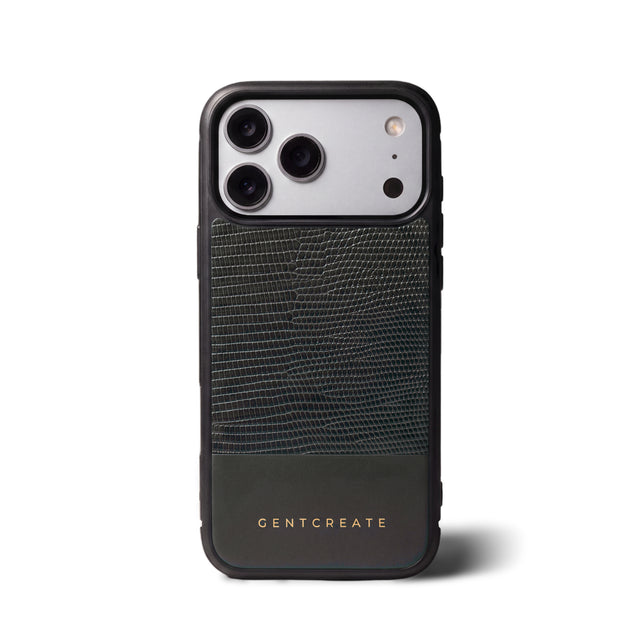


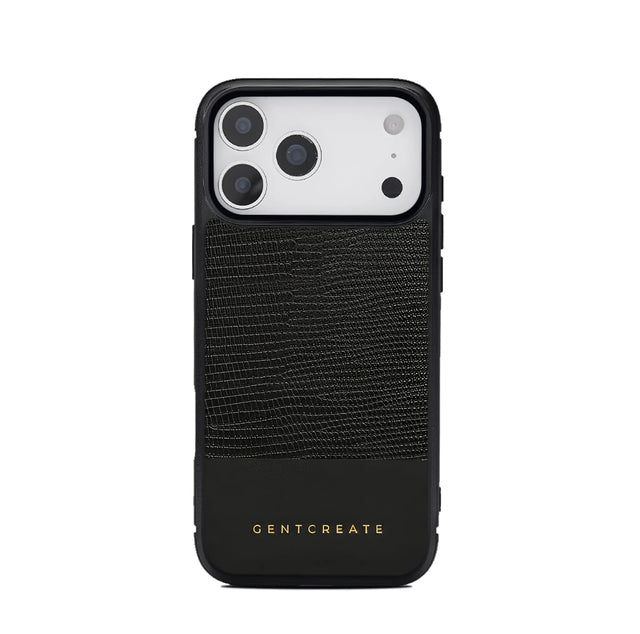


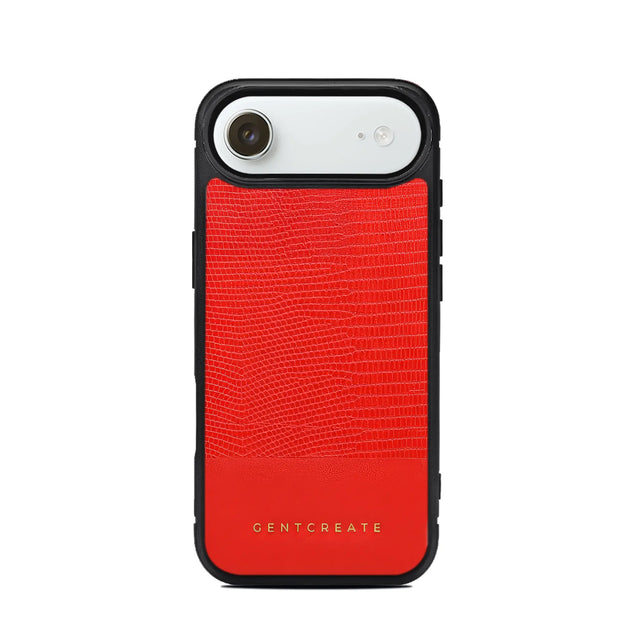


 Save $19 USD
Leather iPhone Case Lizard Pattern
- Product Specifications
- GENTCREATE Leather iPhone Case Lizard Pattern— Leather iPhone Case Lizard Pattern - Luxury Minimalistic Phone Case Our Lizard Leather iPhone case from Gentcreate is the perfect blend of style and ,Rubber Edge, Raised Camera Edge , Luxury , Calfskin Leather , fits iPhone 18 Pro Max, iPhone 18 Pro, iPhone 18, iPhone 17 Pro Max, iPhone 17 Pro, iPhone 17, iPhone 16 Pro Max, iPhone 16 Pro, iPhone 16, iPhone 15 Pro Max, iPhone 15 Pro, iPhone 15, iPhone 14 Pro Max, iPhone 14 Pro, iPhone 14 , available in Gray, Black, Orange, Green, Red, Yellow .
(46)From $79 $98 -


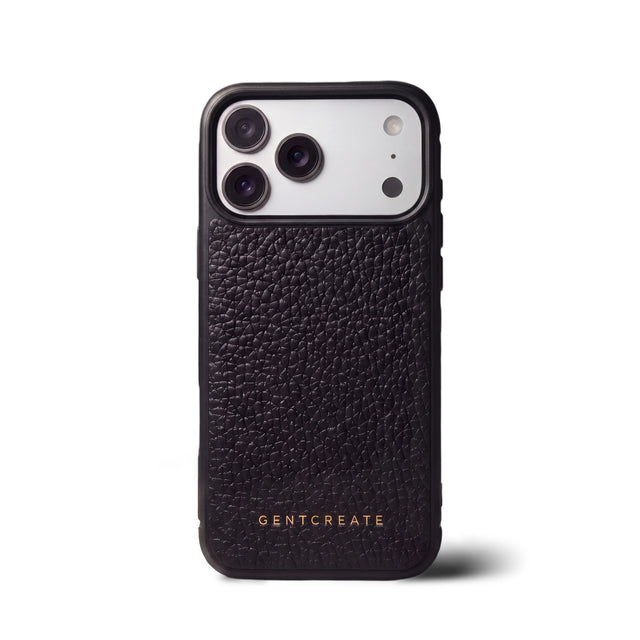


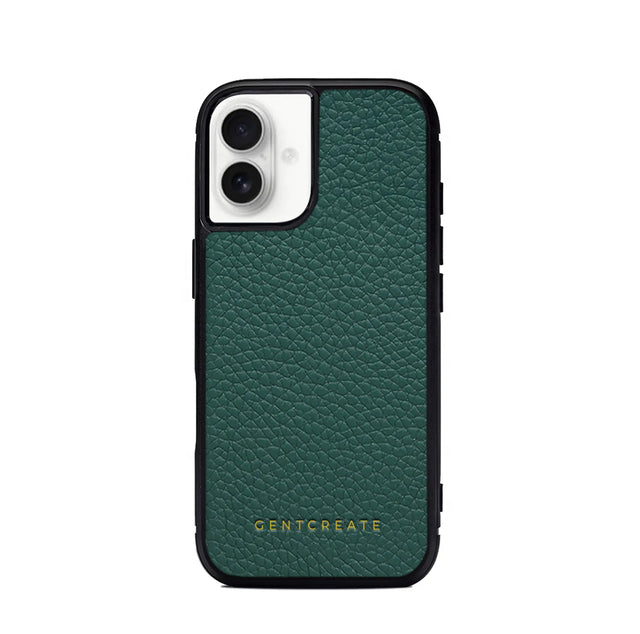


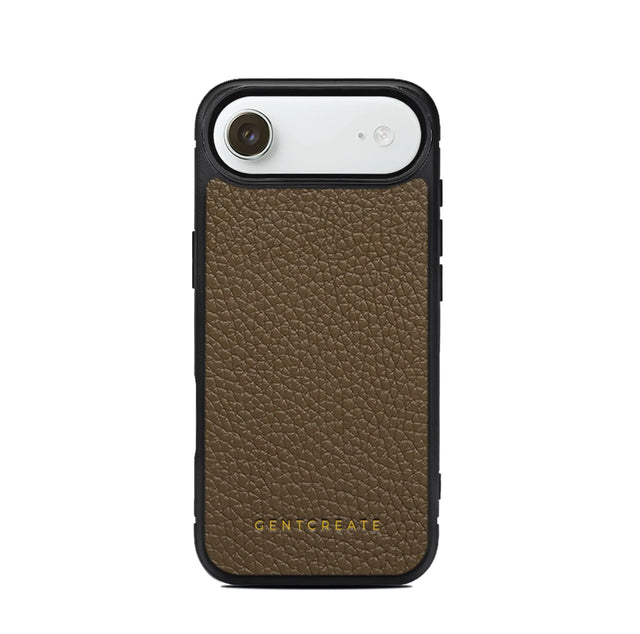

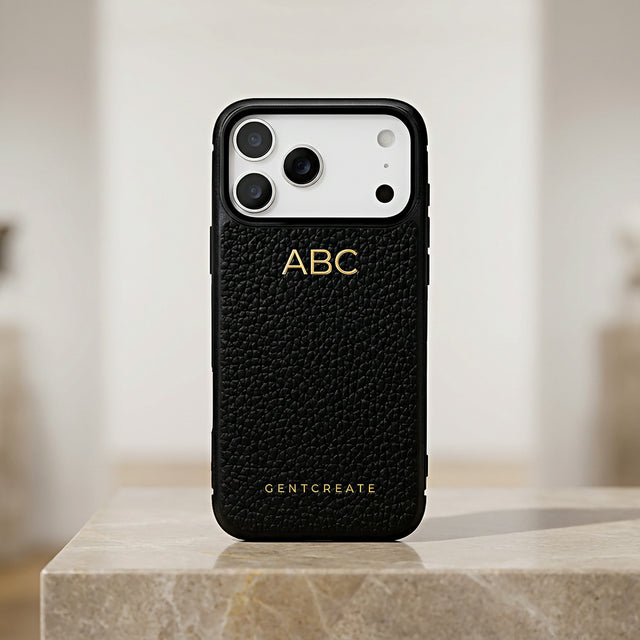


 Save $9 USD
Leather iPhone Case Pebble Pattern
- Product Specifications
- GENTCREATE Leather iPhone Case Pebble Pattern— Handmade Leather iPhone Case with a Pebbled Pattern This handmade Leather iPhone Case with a distinct pebble pattern is a really good value price purchase ,Rubber Edge, Raised Camera Edge , Luxury , Calfskin Leather , fits iPhone 18 Pro Max, iPhone 18 Pro, iPhone 18, iPhone 17 Pro Max, iPhone 17 Pro, iPhone 17, iPhone 16 Pro Max, iPhone 16 Pro, iPhone 16, iPhone 15 Pro Max, iPhone 15 Pro, iPhone 15, iPhone 14 Pro Max, iPhone 14 Pro, iPhone 14 , available in Navy, Black, Green, Brown, Khaki .
(29)From $65 $74 -


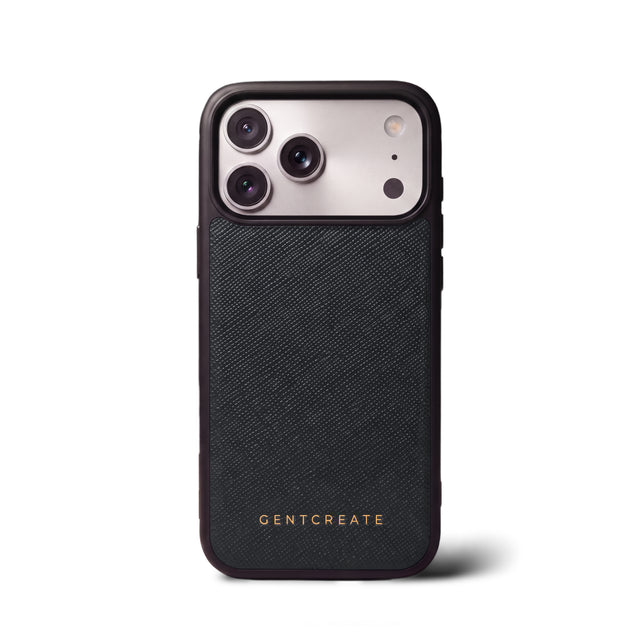


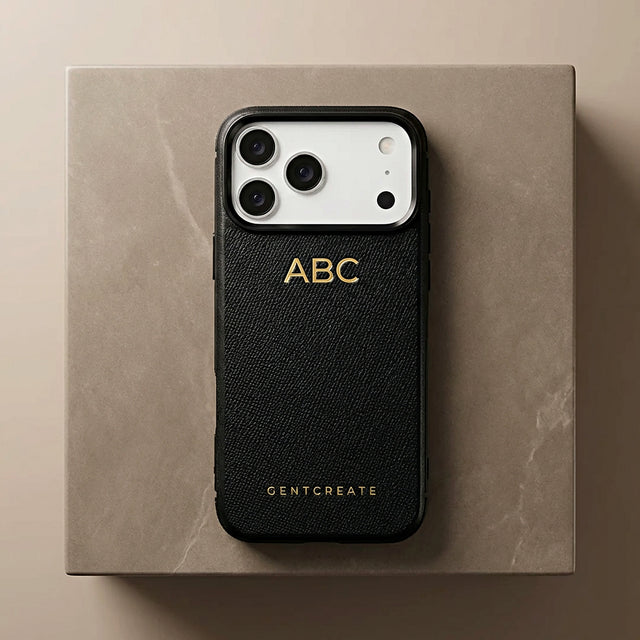


 Save $16 USD
Leather iPhone Case Saffiano Pattern
- Product Specifications
- GENTCREATE Leather iPhone Case Saffiano Pattern— Uniquely Designed Contemporary Genuine Leather iPhone Case by Gentcreate Looking for a luxury leather iPhone case that will keep your device safe and ,Non-Slip, Gritty Feel, Raised Camera Edge , Luxury , Calfskin Leather , fits iPhone 18 Pro Max, iPhone 18 Pro, iPhone 18, iPhone 17 Pro Max, iPhone 17 Pro, iPhone 17, iPhone 16 Pro Max, iPhone 16 Pro, iPhone 16, iPhone 15 Pro Max, iPhone 15 Pro, iPhone 15, iPhone 14 Pro, iPhone 14 Plus, iPhone 14 Pro Max, iPhone 14 , available in Navy, Black .
(60)From $59 $75 -
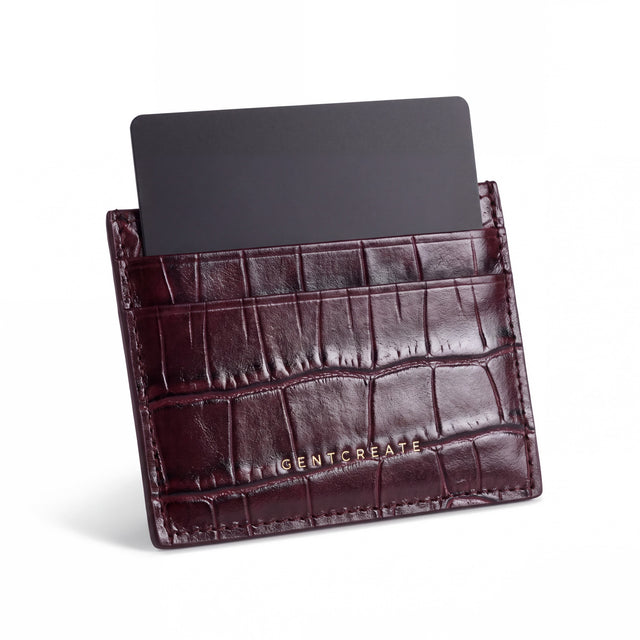


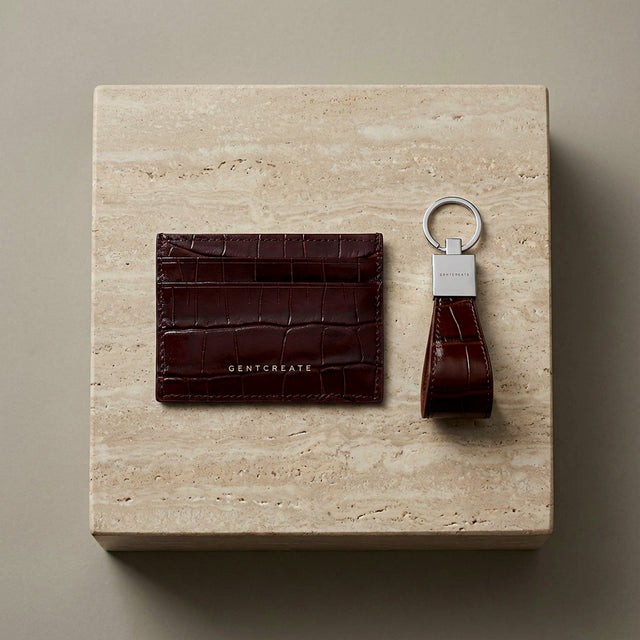


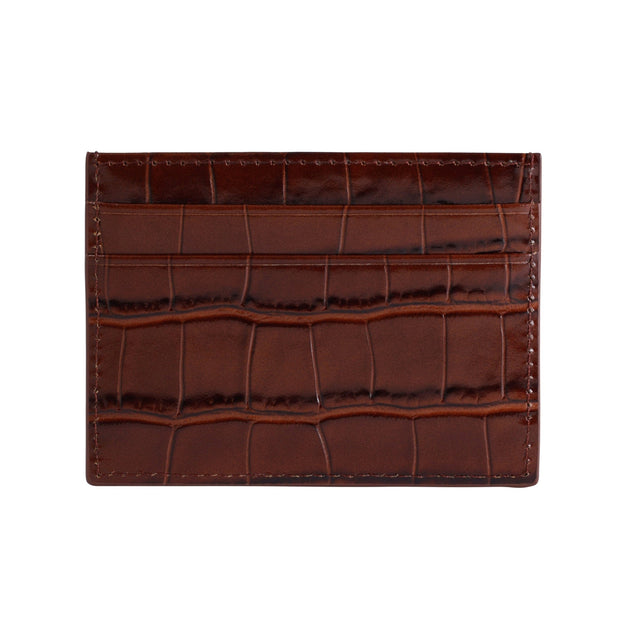


 Save $50 USD
Crocodile Embossed Leather Cardholder
- Product Specifications
- GENTCREATE Crocodile Embossed Leather Cardholder— Our Crocodile Embossed Leather Cardholder is made with premium calfskin leather with an embossed crocodile pattern, it features four card slots and a central ,Lightweight , Luxury , Calfskin Leather , 7.3 cm / 2.87 inch x 10.3 cm / 4,52 inch , available in Black, Burgundy, Green, Navy, Brown .
(47)$130 $180 -






 Save $85 USD
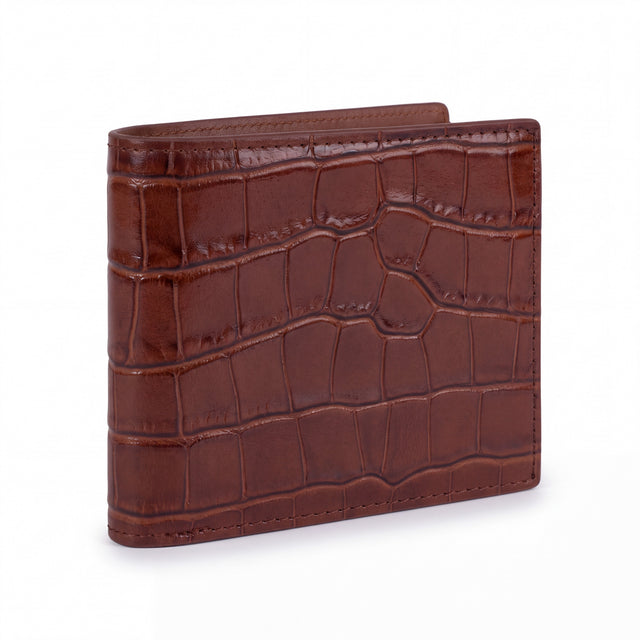
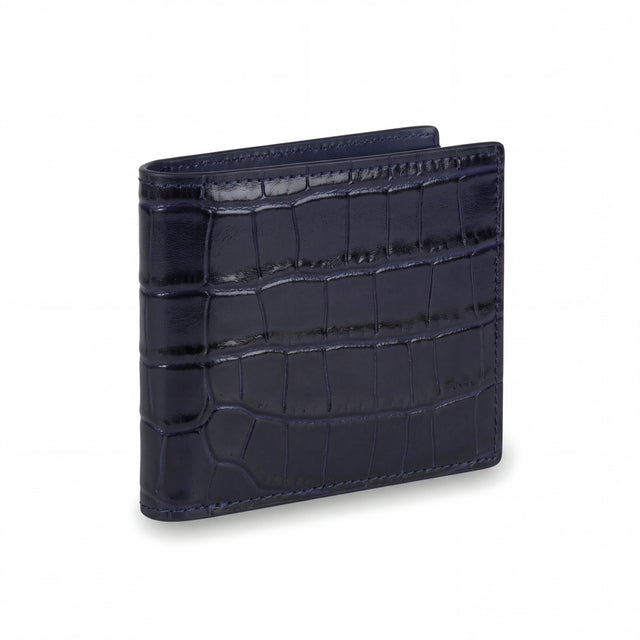
Crocodile Embossed Leather Wallet
- Product Specifications
- GENTCREATE Crocodile Embossed Leather Wallet— The crocodile bifold leather wallet is made from premium calfskin with a crocodile-embossed texture, offering a luxurious and timeless appeal. ,Lightweight , Luxury , Calfskin Leather , 9.5 cm / 3.74 inch x 11.5 cm / 4.52 inch , available in Black, Green, Brown, Burgundy, Navy .
(37)$165 $250 -




 Save $38 USD
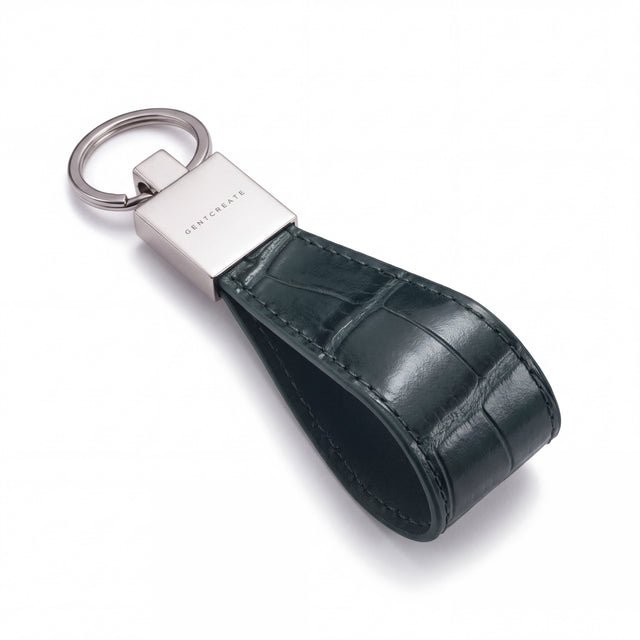
Crocodile Leather Keychain
- Product Specifications
- GENTCREATE Crocodile Leather Keychain— Crocodile Leather Keychain - Leather Accessories For Men and Women Made as a part of our crocodile leather accessories set, this keychain will only improve ,Stainless Steel , Luxury , Calfskin Leather , available in Black, Burgundy, Green, Navy, Brown .
(18)$59 $97


