

You personalize a leather wallet by choosing a marking method (embossing, debossing, or laser engraving), then placing a restrained mark like initials, a three-letter monogram, or a short engraved message where it reads cleanly and stays out of the wallet's working folds. That order matters more than most people expect. The method decides how the mark will age; the placement decides whether the wallet still works as a wallet.
You personalize a leather wallet by choosing a marking method (embossing, debossing, or laser engraving), then placing a restrained mark like initials, a three-letter monogram, or a short engraved message where it reads cleanly and stays out of the wallet's working folds.
- Method first, mark second: pick embossing, debossing, or laser engraving before you decide what to put on the leather, because each method suits different grains and finishes.
- Restraint reads as luxury: small initials or a tidy three-letter monogram age better than a crowded inscription, which is the whole point of the mark-once test.
- Scale to the card, not the panel: a mark sized near a credit card's footprint sits cleanly on a face that already holds up to roughly 8 slots without crowding them.
- Full-grain takes a mark best: its dense top layer holds a crisp impression and patinas around the personalization instead of fading it.
- Placement protects the wallet: keeping the mark off folds and stitch lines means personalizing never weakens the build or the leather.
On our bench, we treat personalization as a finishing decision, not a decoration. A leather wallet is an object you touch every day, so the mark has to survive that handling and look intentional a decade later. We use a simple discipline we call the mark-once test: if you would not be glad to carry this exact mark in ten years, it does not go on the leather. That single rule quietly settles most of the choices below.
This guide walks through the methods, the monogram conventions, what to put inside, which leathers cooperate, and how the personalization holds up over time. The aim is a mark that feels like it belonged to the wallet from the first cut.
How do you personalize a leather wallet?
You personalize a leather wallet by selecting one marking method and one restrained mark, then placing that mark on a flat, low-wear panel where it reads clearly and never crosses a fold or a stitch line. Everything else is detail.
Start with the mark itself. The common options are single initials, a two- or three-letter monogram, a full name, or a short engraved message inside. The smaller and quieter the mark, the more luxurious it tends to read, which is exactly why the mark-once test exists. A crowded inscription is what undoes most personalization; it dates quickly and fights the clean lines that minimalist design depends on.
There is a useful physical reference for sizing a mark: a credit card is about 0.76mm thick and a fixed width, and a bifold face is built to seat that card with a little margin. We size a typical monogram to sit comfortably below or beside the card line, so it occupies the quiet margin rather than the working area where cards travel. On a card holder face that carries up to roughly eight slots, that means a mark scaled to a card's footprint, not the full panel, keeps every slot usable. You can see how that restraint plays out across forms in our handmade leather wallets collection.
Then choose where it lives. The strongest placements are the lower corner of an exterior panel, the inside facing of a billfold, or a card bay that does not flex. We avoid spines, fold creases, and anything within a few millimeters of stitching, because those zones move every time the wallet opens.
If you are personalizing a wallet as a gift, the same logic applies but the stakes are higher: you are choosing on someone else's behalf. Our guide on what giving a wallet as a gift means is a useful companion when the mark carries sentiment rather than just identity.

What is the difference between embossing, debossing, and laser engraving on leather?
Embossing raises the mark above the surface, debossing presses it below the surface, and laser engraving burns a fine, precise mark into the top of the leather: three different looks from three different tools. Understanding them is the heart of how to personalize a leather wallet well.
Embossing pushes the design up from behind, so initials stand proud of the leather. It reads soft and traditional. Debossing does the opposite: a heated die presses the mark down into the grain, leaving a crisp recessed impression that many people associate with quiet luxury. Both can be done blind (no color) or with foil.
Laser engraving uses focused heat to mark the surface itself. It is the most precise option for fine detail, small fonts, and longer messages, and it produces a darker tone where the leather is marked. The trade-off is that very fine engraving can be subtle on heavily textured leather.
One case deserves caution: foil on a wallet that will live in a pocket. Foil looks brilliant on day one, but on a high-friction everyday-carry piece it can wear unevenly. For a daily wallet, blind debossing or engraving usually ages more gracefully than foil.
| Method | What it looks like | Best for | Watch out for |
|---|---|---|---|
| Embossing (raised) | Mark stands up from the surface | Soft, classic initials | Can flatten over years of pocket pressure |
| Debossing (recessed) | Mark pressed cleanly below grain | Quiet, luxurious monograms | Needs firm leather to hold the edge |
| Blind (no foil) | Tone-on-tone, same color | Minimalist, ages evenly | Lower contrast, subtle by design |
| Foil | Metallic or colored fill | Gift pieces, display use | Foil can wear on high-friction carry |
| Laser engraving | Fine darkened mark | Small fonts, longer messages, dates | Subtle on heavily textured grains |
The quiet, recessed, foil-free deboss is the house default for daily carry: it is the one mark that wears with the leather instead of against it.

Which personalization method lasts longest and looks cleanest over time?
Blind debossing on firm leather lasts longest and stays cleanest, because a recessed mark is protected by the surrounding surface and has no foil layer to wear away. That is the method we reach for when longevity is the priority.
The logic is physical. A raised emboss sits at the highest point of the panel, so it absorbs the most rubbing against pockets and pocket linings. A recessed deboss sits below the surface plane, so the surrounding leather shields it. Add foil and you introduce a separate material with its own wear rate; remove the foil and you remove that variable entirely.
Depth is where the maker's hand earns its keep. On a firm full-grain panel we can press a deeper, cleaner shoulder that holds its edge; on a softer or thinner leather we ease the depth and the heat of the die so the impression sets without stretching the surrounding grain. That calibration is per panel, by feel: too hot and a soft leather glazes, too shallow and the mark relaxes back over time. A third party stamping a finished wallet has to guess at that firmness from the outside; we set it knowing the cut.
Laser engraving is a close second for longevity, especially for fine or lengthy marks, since the change is to the leather itself rather than an added layer. On full-grain, an engraved date or message holds its definition for years.
Here the patina works in your favor. As full-grain develops its character, the area around a blind deboss darkens and softens with the rest of the panel, so the mark integrates rather than standing apart. Where personalization disappoints is on a soft, loosely structured leather, where any impression slowly relaxes, another reason the leather choice and the method choice are really one decision. For a broader sense of how construction quality drives longevity, our guide on how to tell if a leather wallet is well made covers the build details that personalization sits on top of.
How do you order a three-letter monogram, and which initial goes in the middle?
For a stacked three-letter monogram, the last-name initial goes in the center and is set larger; for a monogram written on a single line at one size, the order is simply first, middle, last. This is the convention that confuses most people, and getting it right signals care.
So if your name is James Robert Carter:
- Stacked monogram: small J, large C in the center, small R, read as J C R, with the surname dominant in the middle.
- Single-line, same size: J R C, first, middle, last, left to right.
When you order, specify three things clearly: the exact letters, whether you want them stacked or in a line, and whether the surname should be emphasized. On our bench we confirm the spelling and the surname position before any die touches leather, because a monogram is permanent and a swapped letter cannot be undone.
For couples or gifts, a two-letter monogram (two first initials) or simple block initials often reads cleaner than a formal three-letter arrangement. Watch the over-ambitious monogram, though: ornate script with three same-size letters reads as a jumble because nothing tells the eye which initial is the surname. When in doubt, set the surname larger or keep it to plain initials.
What should you engrave on the inside of a wallet, like a date or short message?
Engrave something short and specific on the inside, a date, a few words, or initials, so the mark stays private to the owner and never competes with the wallet's exterior lines. The inside facing of a billfold or the back of a card bay is the natural home for sentiment.
Good inside marks share a quality: they are brief and they mean something precise. A wedding date, a child's birth year, a short phrase, or a set of coordinates all work because they reward the person who already knows the story. This is where laser engraving earns its place, since it handles small fonts and longer strings without distorting the leather.
Length is the discipline. A line or two reads as intimate; a paragraph reads as crowded and fights the minimalist intent. A simple gauge: keep the longest line no wider than a card edge, so the message lives within the panel's calm zone rather than running to the stitching. An inside message is the one a person rereads for years, so certainty about the wording matters even more than for an exterior initial.
Inside engraving is especially powerful for occasion gifts. For groomsmen, a name and date inside each wallet personalizes a matching set without making them identical, an approach we explore in our guide to personalized leather wallets as groomsmen gifts. For client and team gifts, a restrained inside mark keeps the piece tasteful rather than promotional, covered in our piece on why leather wallets make great corporate gifts. A loud exterior logo is the usual misstep; quiet on the inside almost always ages better.

Which leathers take a monogram or engraving best?
Full-grain leather takes a monogram or engraving best, because its dense, intact top layer holds a crisp impression and patinas around the mark instead of fading it. Grain structure is what decides how cleanly a mark sets.
Full-grain is the most durable cut and develops a patina over time, which is exactly why a recessed deboss or fine engraving integrates so well: the surrounding surface matures with the mark. Top-grain takes a clean impression too and offers a smoother, more uniform starting surface. Smooth calfskin and Italian calf leather are excellent for fine engraving because their even surface shows small fonts and thin lines clearly.
Structured finishes behave differently. Saffiano and Epsom carry a pressed cross-hatch texture, so a blind deboss can read more subtly against that pattern, while a foil or engraved mark gives more contrast. Heavily textured surfaces, such as pebbled, crocodile-embossed, or lizard-embossed leathers, already have a strong visual identity, so fine engraving can disappear into the pattern; a bolder deboss usually reads better on them.
The mismatch to avoid is forcing tiny detail onto big texture. A delicate three-letter script on a pebbled or crocodile-embossed panel competes with the grain and loses. Match the scale of the mark to the scale of the texture, and the personalization looks deliberate.
| Leather | Takes fine engraving | Takes deboss/emboss | Note |
|---|---|---|---|
| Full-grain | Very well | Excellent | Patinas around the mark; most durable cut |
| Top-grain | Well | Very well | Smooth, uniform impression surface |
| Calfskin / Italian | Excellent | Very well | Even surface shows small fonts clearly |
| Saffiano / Epsom | Moderate | Subtle (texture) | Pressed texture; contrast marks read best |
| Pebbled / crocodile- or lizard-embossed | Limited | Bold marks only | Strong grain; keep the mark large and simple |
Will personalizing a leather wallet damage it or void its quality?
Personalizing a leather wallet does not damage it or compromise its quality when the mark is placed correctly, on a flat, low-wear panel, away from folds and stitching, and applied by someone who controls the depth. Done right, personalization is just another finishing step.
The risks are real but specific. A mark stamped across a fold will crack as the wallet flexes. A mark crowded into a stitch line can weaken that seam. An overheated die or an over-deep impression can stress a thin or soft leather. Each of these is a placement-and-control problem, not an argument against personalizing.
Because we control every stitch, fold, and cut, we set the mark before final assembly where the design allows, so the impression lands on a flat, unstressed panel rather than one already tensioned by a seam or a fold. That sequence is only available to the maker: once a wallet is stitched and turned, the best panel may sit under tension that a later stamp cannot read. Quality, here, is a process choice, not a price tier.
One honest note: a personalized wallet is, by nature, made for one person, which affects resale or regifting. That is not a quality issue; it is the point. The real error is treating personalization as reversible. It is not, which is precisely why the mark-once test sits at the center of this whole guide.
How does GENTCREATE hand-personalize its leather wallets with monograms, initials, and custom engraving?
GENTCREATE hand-personalizes its leather wallets through the Custom Leather Wallets line, applying initials, three-letter monograms, and custom engraving by hand on the leather best suited to the mark. Because we design and hand-finish our wallets ourselves, personalization is part of the making, not an afterthought.
On our bench, the sequence is deliberate. We confirm the exact letters, the monogram order, and the placement; we match the method to the leather (blind deboss for a quiet exterior mark, engraving for fine inside messages) and we tune the depth to that leather's firmness before setting the mark where it will read for years without crossing a working fold.
The hand-stitched construction underneath matters as much as the mark on top. A clean monogram on a poorly built wallet still ages badly, which is why personalization belongs on a well-made foundation. You can see the range of marks and forms in our Custom Leather Wallets collection. For the gift context behind so many personalized orders, our guide on how much a leather wallet should cost frames value against price, useful when a personalized piece is also the present.

Your wallet personalization checklist
Decide the mark-once test first: if you would not be glad to carry this exact mark in ten years, do not commit to it, then work through the rest of this list before you order.
- Apply the mark-once test: would you be glad to carry this exact mark in ten years?
- Pick the method first: embossing (raised), debossing (recessed), or laser engraving (fine detail).
- Choose blind over foil for daily carry: a recessed, foil-free mark wears most evenly.
- Scale the mark to a card, not the panel: keep it near a card's footprint so all 8 or so slots stay usable.
- Confirm monogram order: surname larger and centered when stacked; first-middle-last on a single line.
- Keep inside messages short: a date or a line no wider than a card edge, not a paragraph.
- Match the mark to the leather: full-grain and calfskin for fine work; bold simple marks on textured grains.
- Place it off the folds and stitching: flat, low-wear panels only.
- Double-check the spelling: it is permanent; verify every letter before approval.
Frequently asked questions
These answers cover the questions buyers ask most before committing to a permanent mark, from which styles take personalization to how a hand-applied mark holds up.
Can you personalize any leather wallet, or only certain styles? Most flat-paneled leather wallets can be personalized, but the style and leather decide which method fits. A slim card holder or a bifold offers clean exterior and interior panels that take a mark well, while heavily textured or very thin pieces may suit a smaller mark or inside-only engraving. The form follows the leather and the placement.
What is the smallest mark that still looks intentional? A single initial or a two-letter monogram is the smallest mark that reads as deliberate rather than incidental. Small marks suit minimalist design because they accent the leather instead of covering it. When in doubt, go smaller; restraint almost always reads as more considered.
Does personalization affect RFID-protected wallets? Surface personalization does not affect the RFID-blocking function on styles that offer it, because the mark sits on the leather, not on the shielding inside. Embossing, debossing, and engraving all work on the outer or inner leather surfaces. The protective layer stays intact beneath the mark.
Can a three-letter monogram be added to a card holder this slim? Yes, even an ultra-slim card holder around 2mm can carry a small monogram or initials on its flat face. Because a card is only about 0.76mm thick, the panel itself sits a hair above that, so the mark must be scaled to the card line rather than the full face to keep the slots clear. A tidy set of initials suits a slim front-pocket piece better than an ornate three-letter script.
Should I personalize a wallet I'm giving as a gift, or leave it plain? Personalize it when you know the person's initials or the occasion, and leave it plain when you are unsure, because the mark is permanent. A confident monogram makes a gift feel chosen; a guessed one is hard to undo. For groomsmen and corporate sets, a restrained inside mark personalizes without overpowering the piece.
How long does a hand-applied mark take to set? A hand-applied mark sets at the moment it is made: the impression or engraving is permanent immediately, with no curing wait for the owner. What takes time on our bench is the preparation: confirming letters, order, and placement before the die or laser touches the leather. The care happens before the mark, which is why we never rush the approval step.
Personalization is the last quiet decision a wallet asks of you. Because each piece is finished by the maker, a personalized order still arrives with the same care as any other: free shipping, a sustainable gift box, and the backing of our product warranty. When you're ready to make a mark that ages as well as the leather, our Custom Leather Wallets collection is where it begins.
-






 Save $85 USD
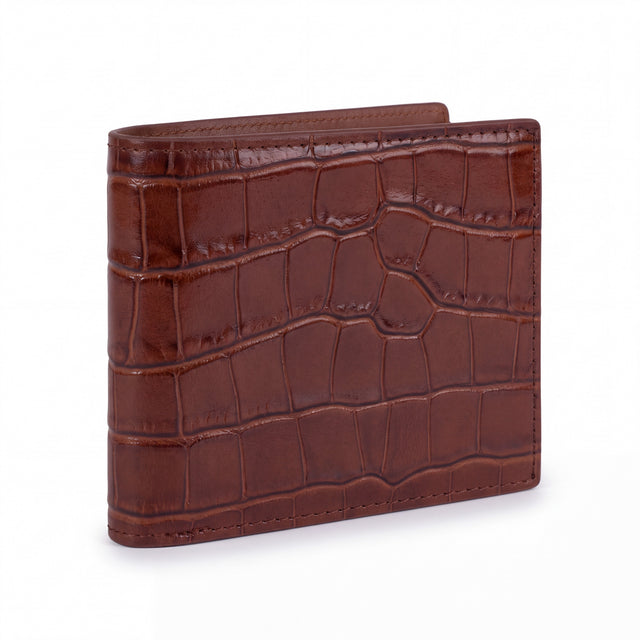
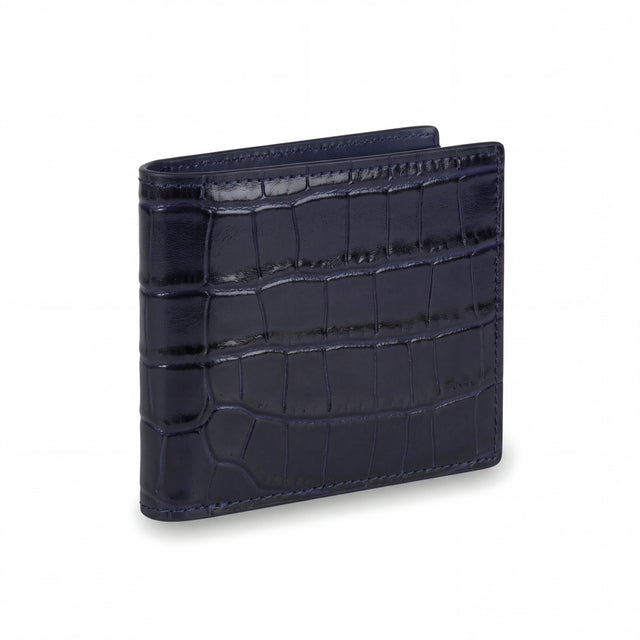
Crocodile Embossed Leather Wallet
- Product Specifications
- GENTCREATE Crocodile Embossed Leather Wallet— The crocodile bifold leather wallet is made from premium calfskin with a crocodile-embossed texture, offering a luxurious and timeless appeal. ,Lightweight , Luxury , Calfskin Leather , 9.5 cm / 3.74 inch x 11.5 cm / 4.52 inch , available in Black, Green, Brown, Burgundy, Navy .
(37)$165 $250 -




 Save $38 USD
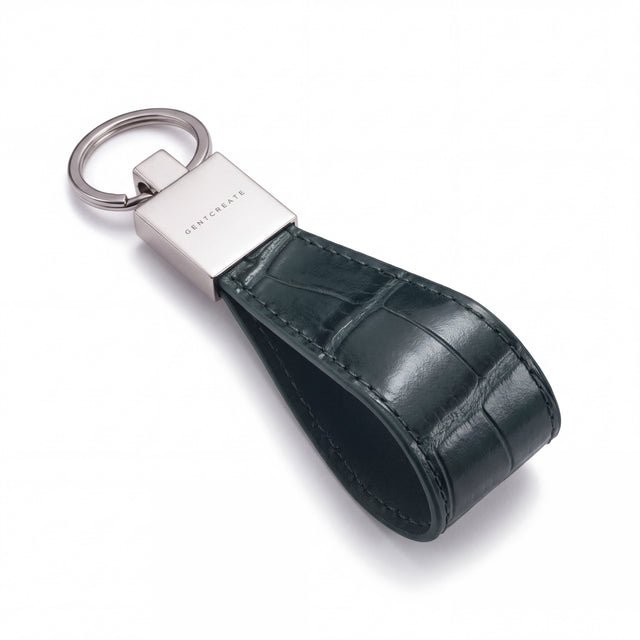
Crocodile Leather Keychain
- Product Specifications
- GENTCREATE Crocodile Leather Keychain— Crocodile Leather Keychain - Leather Accessories For Men and Women Made as a part of our crocodile leather accessories set, this keychain will only improve ,Stainless Steel , Luxury , Calfskin Leather , available in Black, Burgundy, Green, Navy, Brown .
(18)$59 $97 -




 Save $25 USD
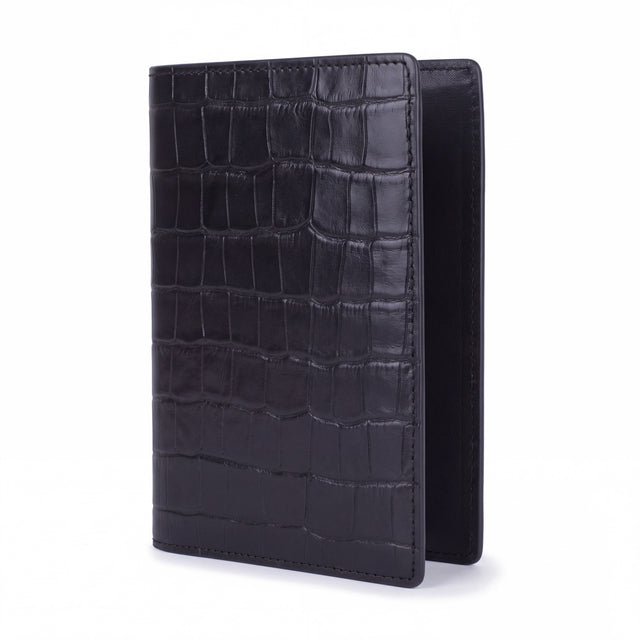
Crocodile Leather Passport Holder
- Product Specifications
- GENTCREATE Crocodile Leather Passport Holder— The perfect companion for your travels, the Crocodile Leather Passport Holder combines elegance and practicality. ,Boarding Pass Pocket and Card Slots , Luxury , Calfskin Leather , 10.6 cm / 4.17 inch x 14.7 cm / 5.8 inches , available in Black, Brown, Navy .
(21)$130 $155 -


 Save $55 USD
Glossy Leather Passport Holder
- Product Specifications
- GENTCREATE Glossy Leather Passport Holder—Boarding Pass Pocket, Nappa Leather Interior , Luxury , Calfskin Leather , 10.6 cm / 4.17 inches x 14.7 cm / 5.8 inches , available in Black, Blue, Burgundy, Green .
(21)$190 $245 -
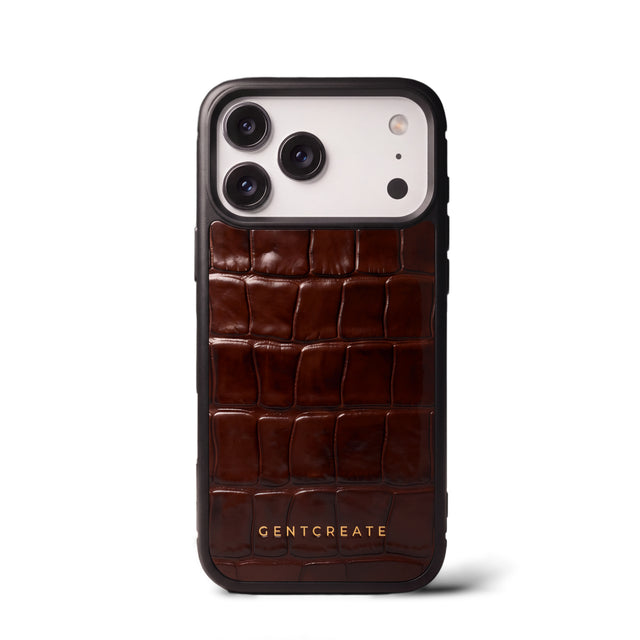


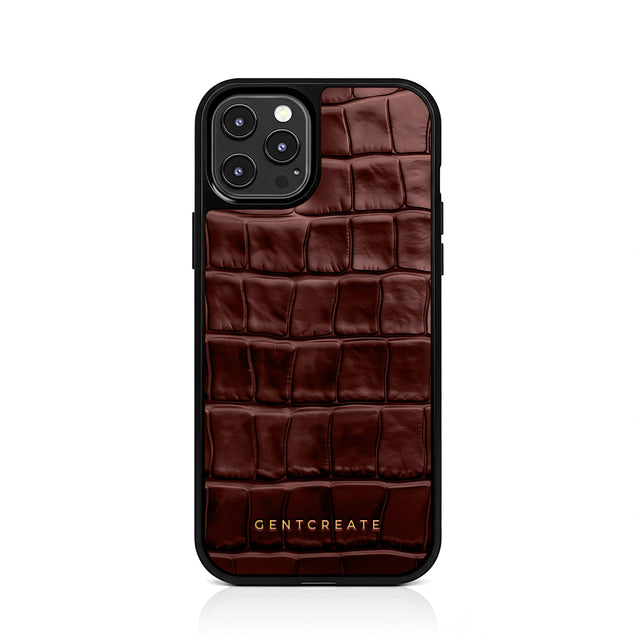


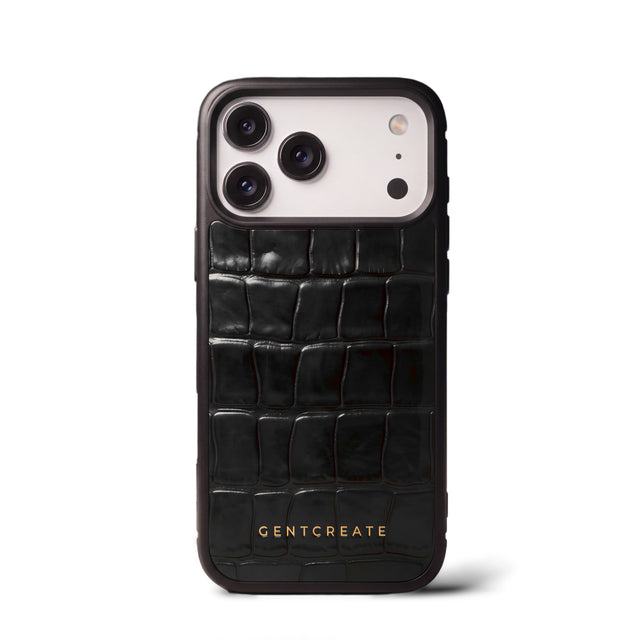

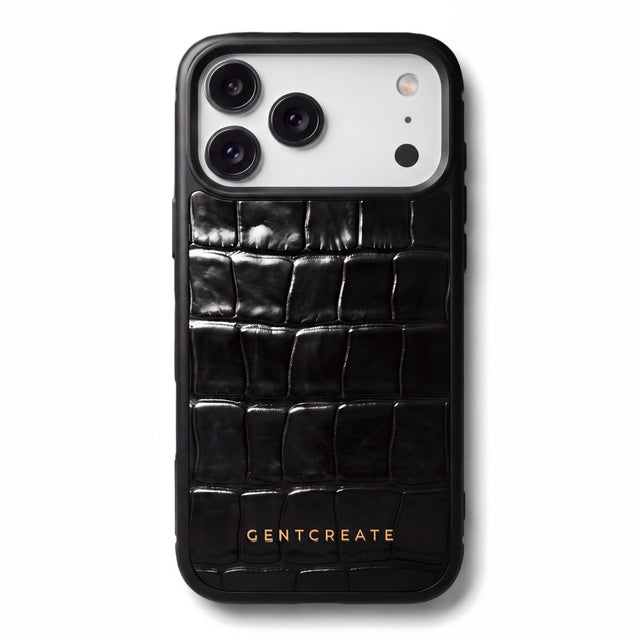


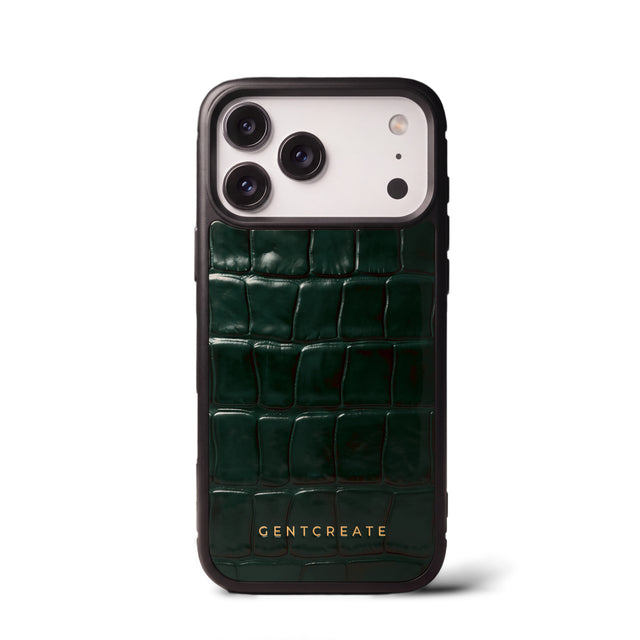


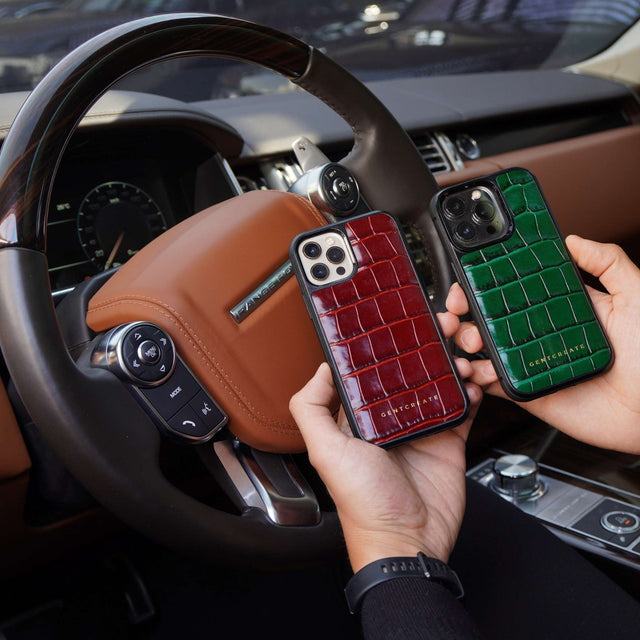


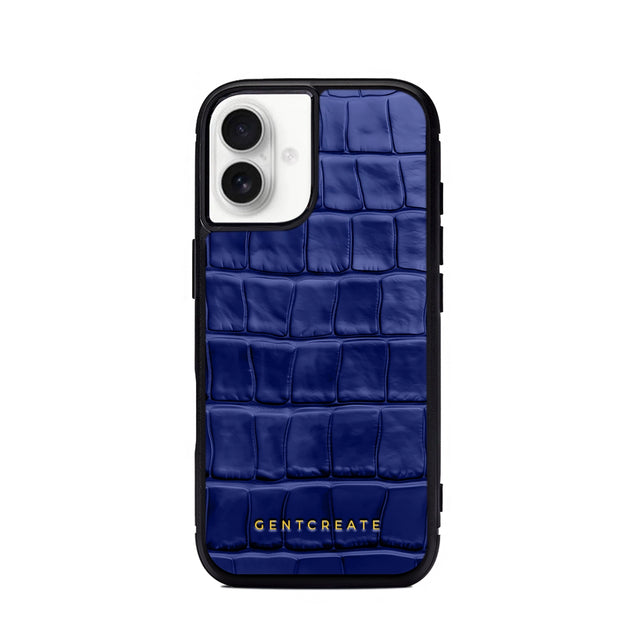


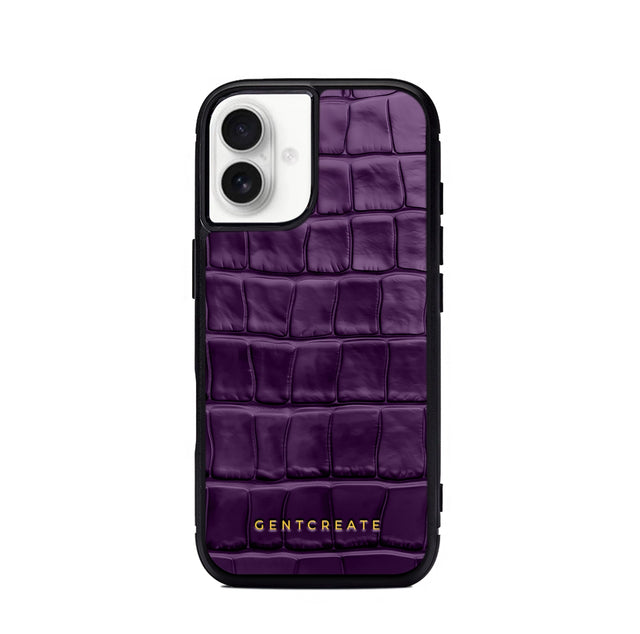




 Save $50 USD
Leather iPhone Case Croco Glossy
- Product Specifications
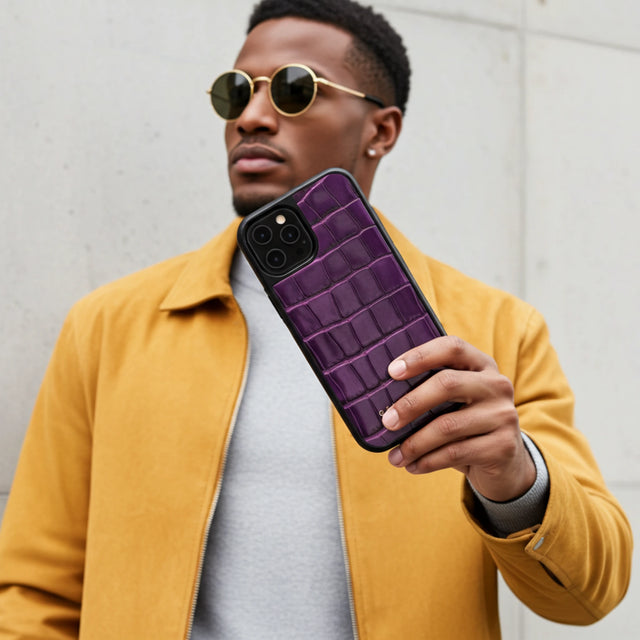
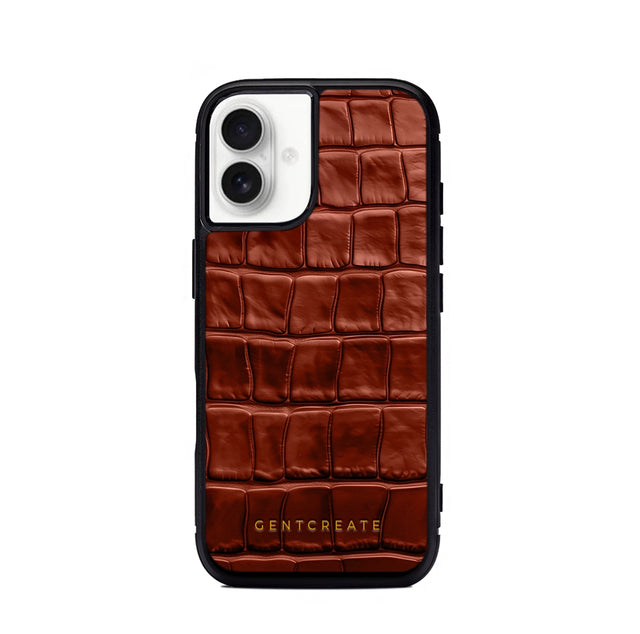
- GENTCREATE Leather iPhone Case Croco Glossy— Premium leather iPhone case with crocodile pattern. Handcrafted Italian calf leather, wireless charging straight through. Fits all recent iPhone models. Shop now. ,Rubber Edge, Raised Camera Edge , Luxury , Calfskin Leather , fits iPhone 18 Pro Max, iPhone 18 Pro, iPhone 18, iPhone 17 Pro Max, iPhone 17 Pro, iPhone 17, iPhone 16, iPhone 16 Pro, iPhone 16 Pro Max, iPhone 15, iPhone 15 Pro, iPhone 15 Pro Max, iPhone 14, iPhone 14 Pro, iPhone 14 Pro Max , available in Glossy Burgundy, Glossy Black, Glossy Green, Glossy Blue, Glossy Magenta, Glossy Brown .
(264)From $65 $115 -



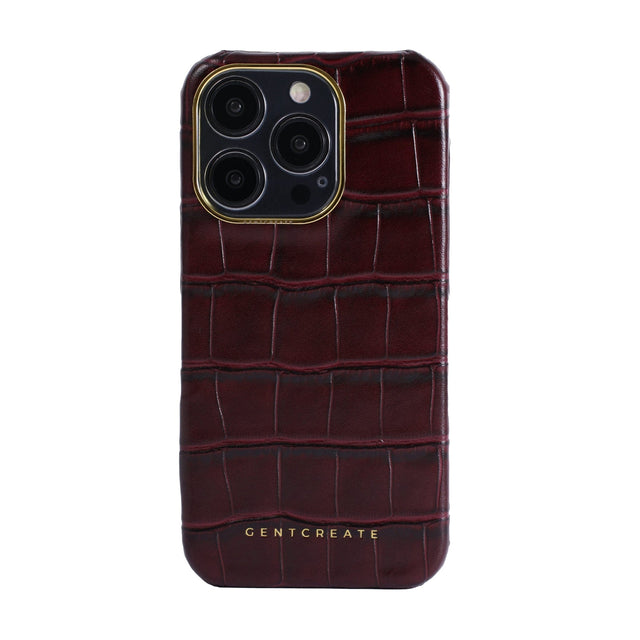


 Clearance Sale
Leather iPhone Case Crocodile Pattern
- Product Specifications
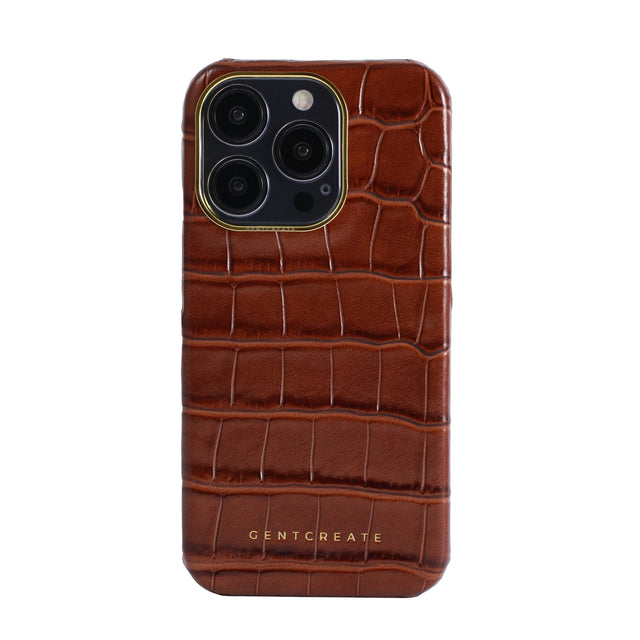
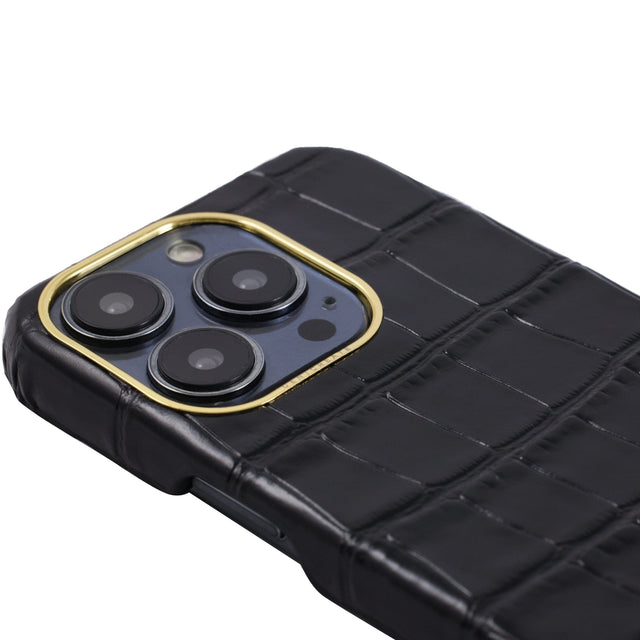
- GENTCREATE Leather iPhone Case Crocodile Pattern— Our classic Leather iPhone Case with a Crocodile Pattern creates a 'classic look' for your iPhone, often preferred by our minimalist-oriented customers. ,Full Pattern Raised Camera Edge , Luxury , Calfskin Leather , fits iPhone 15 Pro Max, iPhone 15 Pro, iPhone 14 Pro Max, iPhone 14 Pro , available in Brown, Green, Black, Burgundy, Dark Navy .
(70)$60 $115


