

A leather wallet makes a great corporate gift because it is one of the few objects a person actually touches every single day, it improves with age instead of ending up in a drawer, and it can carry your company discreetly through a logo deboss or honor the recipient through a name stamp. Most corporate gifting fails for the opposite reasons: the item is generic, it is forgotten within a week, and it telegraphs how little thought went into it. A well-chosen wallet does the reverse work: it earns a place in the recipient's pocket and quietly keeps your name there too.
Leather wallets make great corporate gifts because they are used every day, age gracefully into something the recipient keeps, and can be discreetly branded or personalized to match any seniority tier and budget.
- Daily use beats the desk drawer: a wallet is handled multiple times a day, so a branded one keeps your company quietly visible in a way mugs and pens never manage.
- Deboss for the brand, stamp for the person: a subtle logo deboss reads as gift-from-us, while a recipient's initials read as a gift-for-you; rarely do both well on one piece.
- Tier by form, not by discount: move from card holder to bifold to long wallet as seniority rises, so the gift signals rank without anyone seeing a price.
- Match the moment to the milestone: onboarding, work anniversaries, and client thank-yous each call for a different level of personalization and ceremony.
- Plan lead time before quantity: personalization and bulk runs need calendar room, so set the in-hand date first and order backward from it.
On our bench, we judge corporate gifting by one question we call the Daily-Carry Test: will this object be picked up, opened, and used tomorrow morning? Most promotional items fail that test on day two. A wallet passes it for years. Below we cover why that matters, how to brand it without being loud, how to tier gifts by seniority, which moments deserve one, and how a maker handles bulk and personalization. Throughout, we keep to the minimalist doctrine that has always guided us: carry only what you use, and let the leather earn its character.
Why do leather wallets make such good corporate gifts?
Leather wallets work as corporate gifts because they pass the Daily-Carry Test, getting used, kept, and seen every day, while most corporate items get used once and discarded. The branded pen runs dry. The water bottle joins a shelf of identical bottles. The wallet, by contrast, is opened at every coffee, every commute, every checkout. That is the difference between a gift that occupies a moment and one that occupies a life.
There is also the matter of how leather ages. A full-grain wallet does not wear out so much as wear in. It darkens at the corners, softens where a thumb opens it, and develops a patina unique to its owner. That is a real material fact, not a marketing flourish: full-grain is the most durable cut of leather precisely because it keeps the dense outer fibers, and those fibers are what carry character over time. A gift that gets better the longer someone owns it is a rare thing to put a logo near.
The failure mode is choosing on price alone. A bonded-leather wallet that cracks within a season does the opposite of what you intended: it associates your brand with something cheap and short-lived. If a corporate gift is meant to say "we value this relationship," the material has to back the sentiment. This is also why the question of how much a leather wallet should cost is worth understanding before you scale an order to hundreds of units.
How does a branded leather wallet keep your company visible every single day?
A branded leather wallet keeps you visible through sheer frequency of contact: it is handled several times a day, in moments when the recipient is paying attention to it, not tuning it out. Visibility is not about size of logo; it is about repetition in a focused context. Nobody studies the logo on a tote bag. Everybody, at some point, looks at the wallet in their hand.
This is where restraint pays off. A small, blind-debossed mark on the interior or a corner reads as quiet confidence. The recipient sees it each time they open the wallet, and so does anyone they hand a card to. Compare that with a large, foil-stamped logo across the face: it reads as swag, and swag gets relegated to the gym bag. The Daily-Carry Test only works if the object is good enough to want to carry, and an overbranded object rarely is.
Consider where the logo lives across common forms:
| Wallet form | Best logo placement | What the recipient sees daily |
|---|---|---|
| Slim card holder | Interior face or back corner | A clean front; mark visible on open |
| Bifold | Inside spine or back panel | Mark each time it opens flat |
| Long / continental wallet | Interior leather divider | Mark when retrieving notes or cards |
| Money clip wallet | Reverse of the clip plate | Mark when clipping or unclipping |
The failure mode is over-placement: stamping the logo on the exterior face and the interior and the card bays. It crowds the design, fights the minimalist line, and turns a personal object into a billboard. One mark, well placed, does more work than three.

Should you use a subtle logo deboss or a recipient name stamp on a corporate wallet?
Use a logo deboss when the gift is about your company and a name stamp when it is about the person: the two send different messages, and combining them on one wallet usually dilutes both. A deboss says this is from us. A monogram says this is for you. Decide which sentiment leads, and let it.
A blind deboss, the logo pressed into the leather without foil or color, is the most editorial choice. It is felt more than flaunted, and it sits comfortably on full-grain or pebbled leather where the texture already carries interest. A recipient's initials, hot-stamped in a corner, do the opposite job: they make the wallet unmistakably theirs, which is what turns a gift into something kept. For more on the mechanics of either approach, our guide to personalizing a leather wallet walks through placement, depth, and finish.
The principle is simple: one wallet, one statement. For a large staff onboarding run, the logo deboss makes sense: it is efficient and reads as a unified welcome. For a milestone gift to one executive, the name stamp wins, because the moment is personal. The failure mode is splitting the difference: a logo and a monogram and a date crammed into the same panel, which looks busy and reads as neither thoughtful nor clean.
| Approach | Says | Best for | Watch out for |
|---|---|---|---|
| Blind logo deboss | "From our company" | Bulk staff gifts, client runs | Logo too large; foil that cheapens it |
| Recipient name / initials | "This is yours" | Executive, milestone, single gifts | Misspelled names; over-long monograms |
| Logo + name combined | Mixed signal | Rare, high-touch sets only | Crowding; losing the clean line |

How do you tier wallet gifts by seniority, from staff to executives?
Tier wallet gifts by changing the form and leather, not by discounting the same item: moving from a card holder to a bifold to a long wallet signals rank without anyone needing to see a price. Seniority is best honored through the object itself, so the gift feels considered at every level rather than ranked on a spreadsheet.
The way we tier is straightforward: as responsibility rises, so does the capacity and presence of the wallet. New hires and broad staff runs suit an ultra-slim card holder, roughly ~2mm thin, holding up to around eight cards, which is genuinely useful and reads as modern. Managers move up to a bifold, which holds more and carries more presence in the hand. Executives receive a long or continental wallet, a money clip wallet, or a piece in a more refined leather such as calfskin, Italian leather, or Saffiano.
| Tier | Suggested form | Leather direction | Personalization |
|---|---|---|---|
| Staff / new hires | Slim card holder (~2mm) | Full-grain or pebbled | Logo deboss |
| Managers | Bifold | Full-grain or top-grain | Logo deboss; optional initials |
| Senior / executives | Long wallet or money clip | Calfskin, Italian, or Saffiano | Name stamp, often boxed individually |
The failure mode is flattening the tiers: giving everyone the identical wallet but spending more on the executives' shipping or packaging. People notice when the object is the same; the gesture lands harder when the form itself acknowledges the role. If you want help mapping forms to recipients, slim wallet vs minimalist wallet vs card holder lays out the practical differences between the lightest options.

Which milestone moments are right for gifting a leather wallet, like onboarding or work anniversaries?
The right moments are the ones with weight, like onboarding, work anniversaries, promotions, retirements, and year-end recognition, where a lasting object matches a lasting milestone. A wallet suits these because it is something the person keeps, which is exactly the tone a meaningful moment calls for. A gift that outlasts the occasion reinforces the occasion.
Onboarding is a strong fit because the first gift sets a tone: a useful, well-made card holder on day one says we invest in the people who join us. Work anniversaries reward longevity, so the gift should feel like an upgrade over time: a bifold at year three, a long wallet at year ten. Promotions and retirements are inherently personal, which is where the name stamp and individual gift box earn their place. Year-end recognition can run at scale with a clean logo deboss across the team.
There is a quiet symbolism here worth knowing. Giving a wallet has long carried the wish of prosperity and good fortune for the recipient, a thoughtful subtext for a promotion or a new role. We unpack that tradition in what giving a wallet as a gift means, and it is a useful note to include in a card.
The failure mode is using a high-ceremony gift for a low-ceremony moment, or the reverse. A monogrammed long wallet for a routine quarterly handout feels excessive; a bulk logo card holder for a thirty-year retirement feels thin. Match the gift's presence to the moment's weight.
Are leather wallets appropriate for clients as well as employees?
Leather wallets are appropriate for clients, provided you lean toward the brand-discreet end and respect any gifting limits the client's organization sets. A wallet works for clients for the same reason it works for staff, since it is used daily and kept for years, but the branding calculus shifts toward restraint.
For clients, one quiet statement usually points to a small, blind logo deboss rather than a name stamp, because a monogram can feel presumptuous from a vendor. A business-appropriate companion gift is a slim leather business card holder, which a professional reaches for in exactly the moments your relationship matters, handing over a card. Our Business Card Holders collection is built for that context, and a card holder reads as practical rather than lavish.
The failure mode is ignoring the recipient's rules. Many companies cap the value of gifts an employee may accept, and an over-the-top present can create an awkward obligation or a compliance problem. When in doubt, choose a refined-but-modest form, keep the branding quiet, and let the quality speak. A client gift should feel like courtesy, not leverage.

What are the typical bulk minimums and lead times for personalized corporate wallets?
Plan for personalization to add calendar time on top of production, and set your delivery date first, then order backward from it. Specific minimums and timelines depend on the run, but the principle holds: the more personalization and the larger the quantity, the more lead time you reserve. Order backward from the date people need the gift in hand, not forward from when you happen to start.
A few realities shape the timeline. A single logo deboss applied uniformly across a run is faster than individual name stamps, because each unique stamp is a separate setup. Premium leathers and specific forms may have their own availability windows. Boxing each piece individually, in a sustainable gift box, for instance, adds handling time but elevates the unboxing for milestone tiers. Shipping a large batch to one address differs from drop-shipping to many.
Setting the in-hand date first, in practice:
| Order type | Personalization | Reserve more time when… |
|---|---|---|
| Uniform logo deboss | One mark, repeated | Quantity is high or leather is premium |
| Individual name stamps | One setup per recipient | Every piece is unique |
| Mixed-tier program | Multiple forms + marks | Combining forms, leathers, and packaging |
| Drop-ship to individuals | Per-address handling | Recipients are in many locations |
The failure mode is treating personalization as a same-week add-on. Rushing a custom run is how names get misspelled and finishes get inconsistent. The fix is simple: confirm spellings, quantities, and the in-hand date early, then build the schedule around the date that cannot move.
How does GENTCREATE handle bulk, branded, and personalized leather wallet orders for corporate gifting?
GENTCREATE handles corporate gifting as a maker, not a reseller: we hand-finish the leather goods ourselves, which means branding, personalization, and tiering are process choices we control rather than markups added by a middleman. Because we control every stitch, fold, and cut, a logo deboss or a name stamp is part of how the piece is made, not a sticker applied after the fact.
That maker control is what makes tiered corporate programs straightforward. A single order can run slim card holders with a logo deboss for the broad team, bifolds for managers, and individually name-stamped long wallets or money clip wallets for executives, across full-grain, calfskin, Italian, or Saffiano leathers as the tier calls for. Personalization runs through our Custom Leather Wallets line, and because we sell direct, you get maker-direct quality without third-party markup. Many styles ship with a sustainable gift box, which suits milestone tiers, and selected styles offer RFID protection where it is built in.
The failure mode we help clients avoid is the generic bulk order: the same anonymous wallet for everyone, branded loudly, chosen on price. Our approach is the opposite: choose the form for the recipient, place one clean mark, and let the leather do the rest. That is the Daily-Carry Test applied at scale.
Your corporate wallet gifting checklist
Decide the form and voice before anything else: match the wallet to the recipient and place one clean mark, and the rest of the order falls into line.
- Run the Daily-Carry Test first: will the recipient actually use this tomorrow? If not, choose a different form.
- Pick one voice, one statement: logo deboss for from us, name stamp for for you, rarely both.
- Tier by form, not discount: card holder for staff, bifold for managers, long or money clip wallet for executives.
- Match the gift's weight to the moment: onboarding and anniversaries justify more personalization; routine handouts stay simple.
- Soften branding for clients: quiet deboss over monogram, and respect their gift-value limits.
- Set the in-hand date first: schedule backward from it, allowing extra time for name stamps.
- Confirm the details early: spellings, quantities, leather, form, and packaging before production starts.
- Choose the leather to match the message: full-grain for durability and patina; calfskin, Italian, or Saffiano for executive tiers.
Frequently asked questions
Leather wallets earn their place as corporate gifts by being used, kept, and quietly branded, and the answers below cover the choices that make a program land.
Is a leather wallet too personal a gift for a coworker or client? No, a leather wallet reads as professional rather than intimate when you keep the branding discreet. A blind logo deboss or no mark at all makes it a courteous, useful object rather than a sentimental one. Save name stamps and monograms for employees and milestones; for clients and peers, a clean card holder or bifold keeps the tone appropriate.
Logo deboss or recipient's name, which should I choose? Choose the logo deboss for company-wide gifts and the name stamp for individual recognition. A deboss says the gift comes from your organization, which suits onboarding and team runs. A name stamp makes the wallet unmistakably the recipient's, which suits promotions, anniversaries, and executive gifts. Combining both on one piece tends to crowd the design.
What is the most durable leather for a corporate gift that has to last? Full-grain leather is the most durable cut, which is why it suits a gift meant to be kept for years. It retains the dense outer fibers and develops a patina unique to its owner over time. For executive tiers, refined leathers like calfskin, Italian leather, or Saffiano add presence while still wearing well.
Can I order different wallets for different seniority levels in one program? Yes, tiering forms and leathers within a single program is one of the most effective ways to gift by seniority. A common ladder runs slim card holders for staff, bifolds for managers, and long wallets or money clip wallets for executives. Because we make the goods ourselves, mixed-tier runs with different marks and packaging are part of the process.
How far ahead should I place a personalized corporate order? Place it as early as you can, because personalization adds setup time on top of production. Individual name stamps take longer than a single repeated logo, and premium leathers or individual gift boxing add handling. Set the date people need the gift in hand, then build the schedule backward from it.
Do any of the wallets include RFID protection or a gift box? Selected styles offer RFID protection where it is built into the design, and many styles ship in a sustainable gift box. RFID-blocking is available on the styles that feature it rather than across every form, so confirm it for the specific wallet you choose. The gift box suits milestone and executive tiers where the unboxing matters.
When you are ready to tier, brand, and personalize at scale, explore the Custom Leather Wallets collection and let the leather carry your name the way it carries its owner's, quietly, daily, for years.
-

















 Save $50 USD
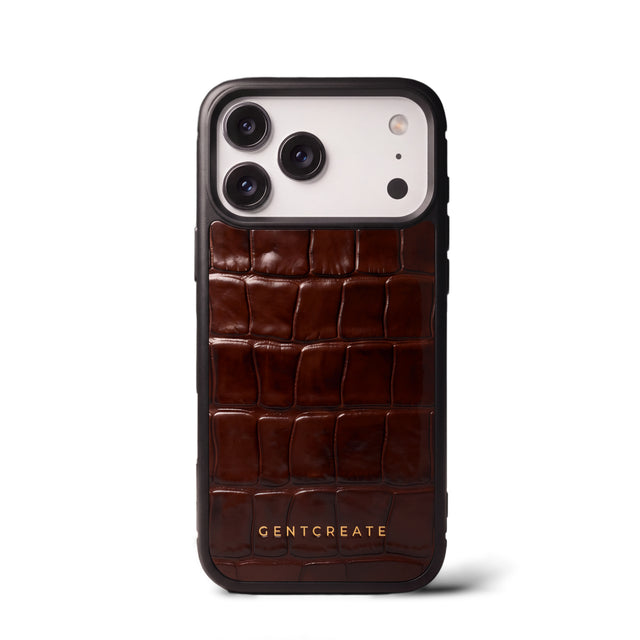
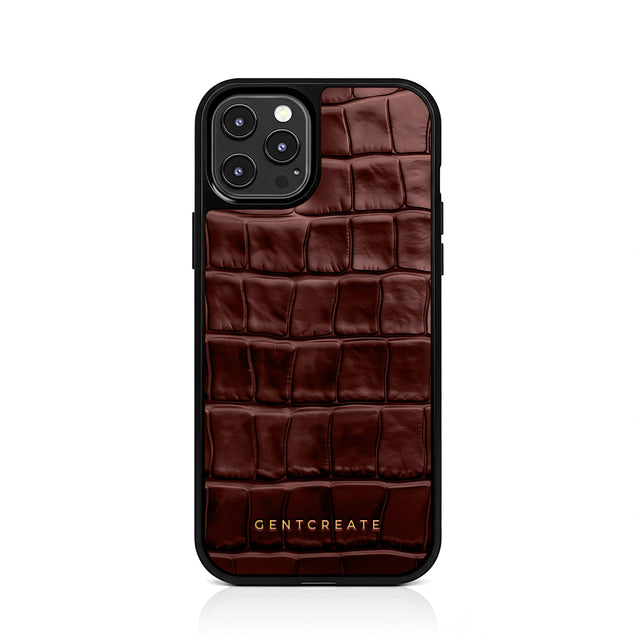
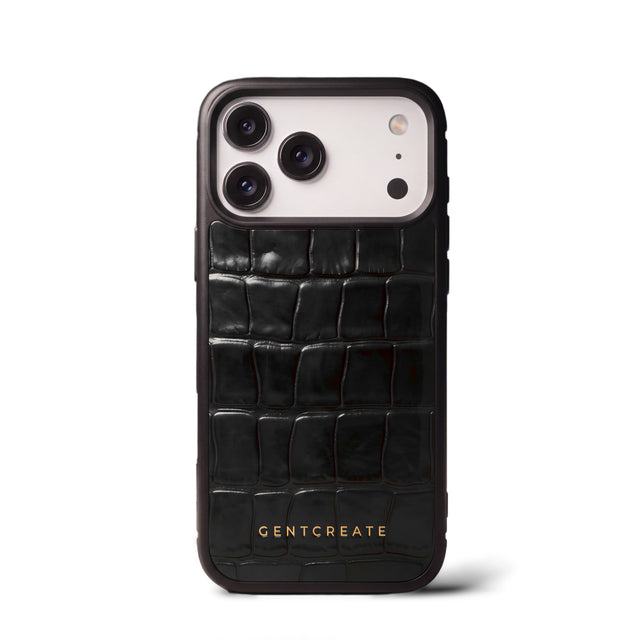
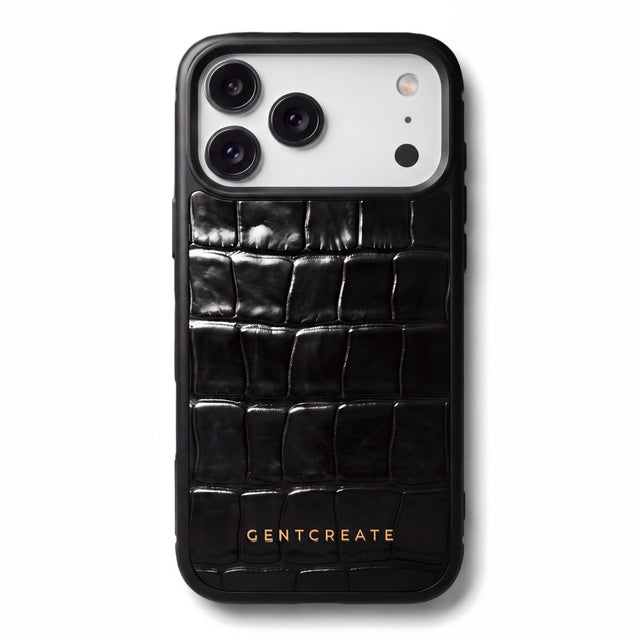
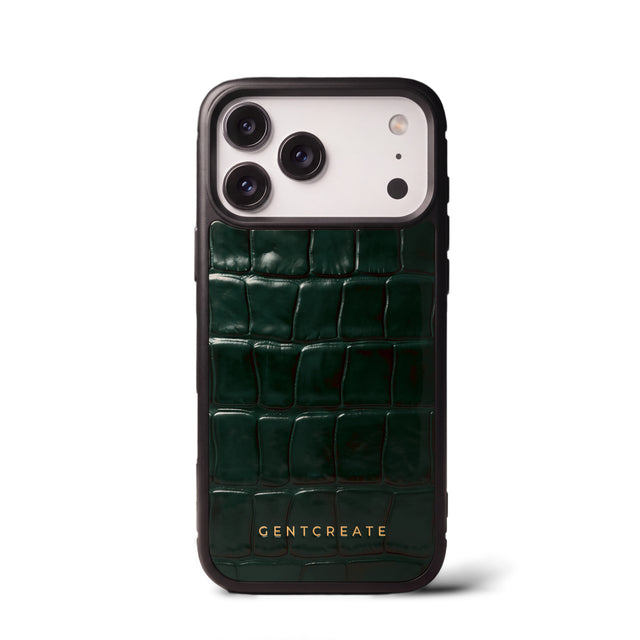
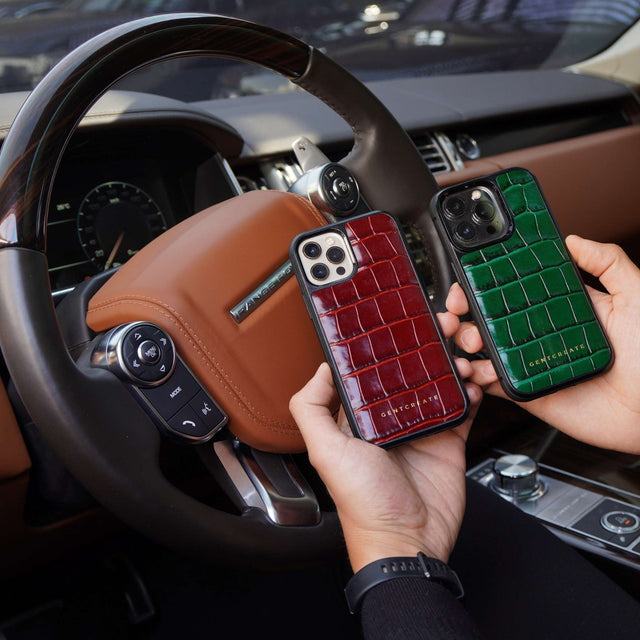
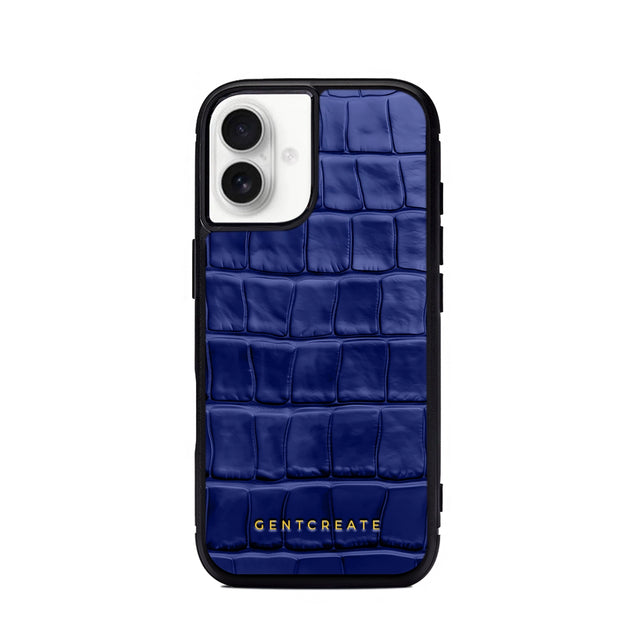
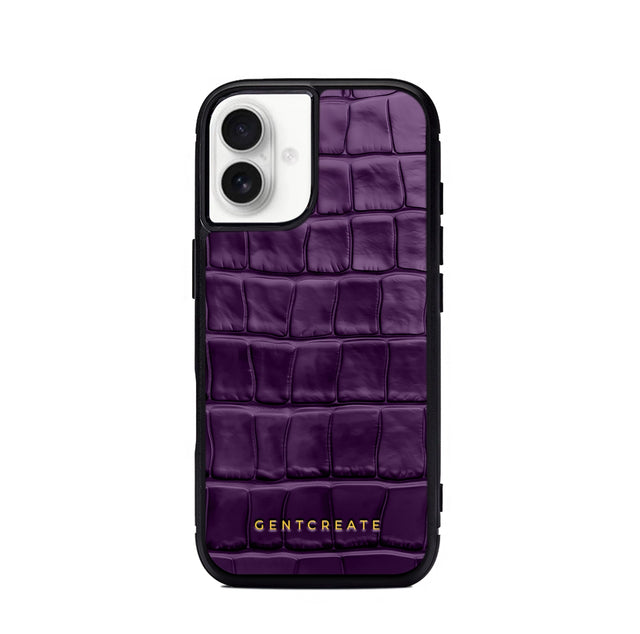
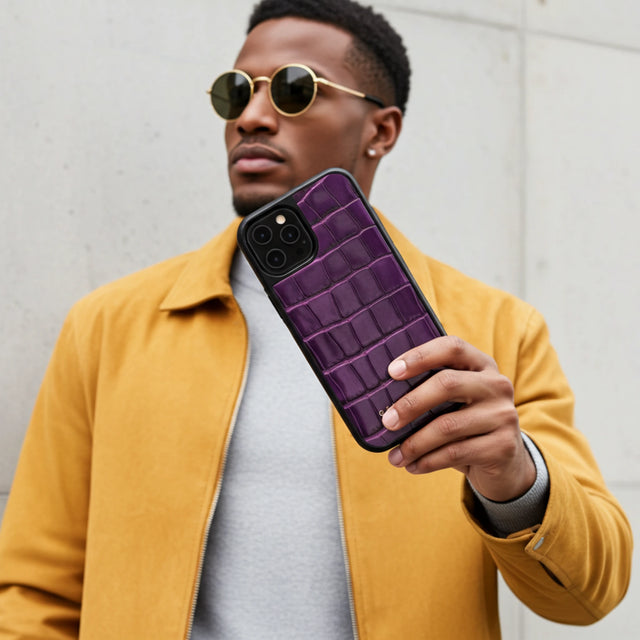
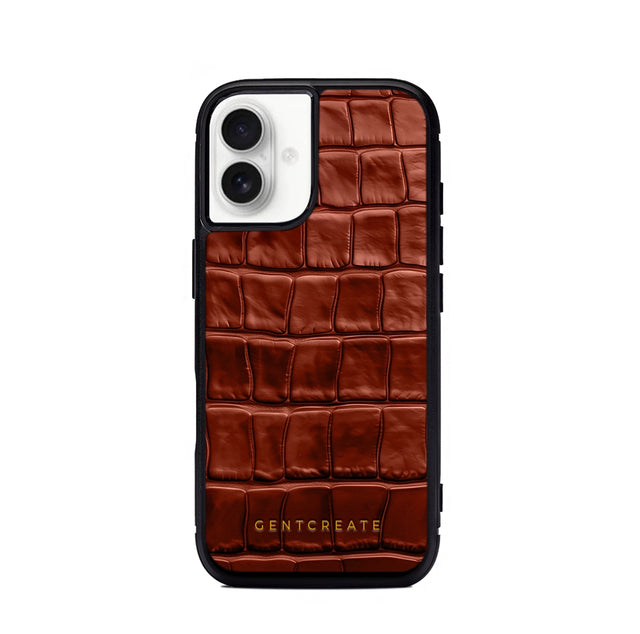
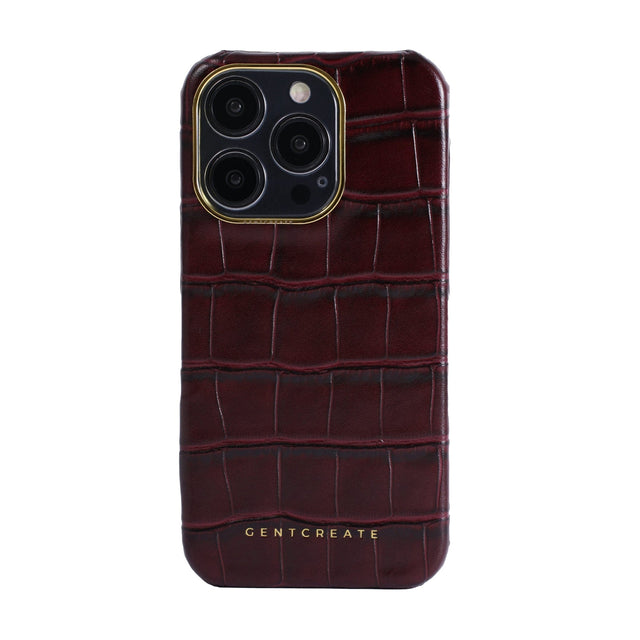
Leather iPhone Case Croco Glossy
- Product Specifications
- GENTCREATE Leather iPhone Case Croco Glossy— Premium leather iPhone case with crocodile pattern. Handcrafted Italian calf leather, wireless charging straight through. Fits all recent iPhone models. Shop now. ,Rubber Edge, Raised Camera Edge , Luxury , Calfskin Leather , fits iPhone 18 Pro Max, iPhone 18 Pro, iPhone 18, iPhone 17 Pro Max, iPhone 17 Pro, iPhone 17, iPhone 16, iPhone 16 Pro, iPhone 16 Pro Max, iPhone 15, iPhone 15 Pro, iPhone 15 Pro Max, iPhone 14, iPhone 14 Pro, iPhone 14 Pro Max , available in Glossy Burgundy, Glossy Black, Glossy Green, Glossy Blue, Glossy Magenta, Glossy Brown .
(264)From $65 $115 -





 Clearance Sale
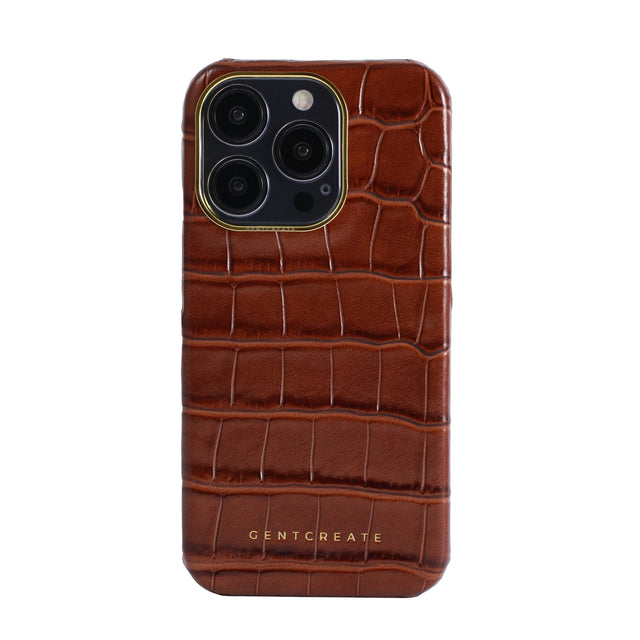
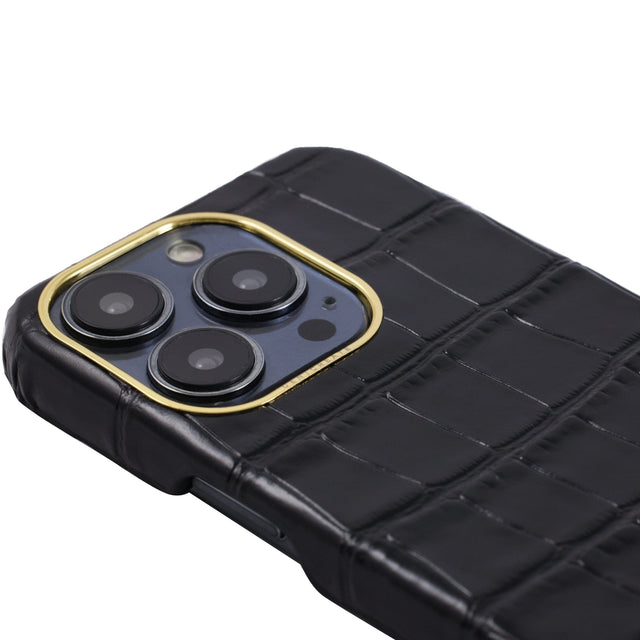
Leather iPhone Case Crocodile Pattern
- Product Specifications
- GENTCREATE Leather iPhone Case Crocodile Pattern— Our classic Leather iPhone Case with a Crocodile Pattern creates a 'classic look' for your iPhone, often preferred by our minimalist-oriented customers. ,Full Pattern Raised Camera Edge , Luxury , Calfskin Leather , fits iPhone 15 Pro Max, iPhone 15 Pro, iPhone 14 Pro Max, iPhone 14 Pro , available in Brown, Green, Black, Burgundy, Dark Navy .
(70)$60 $115 -








 Save $19 USD
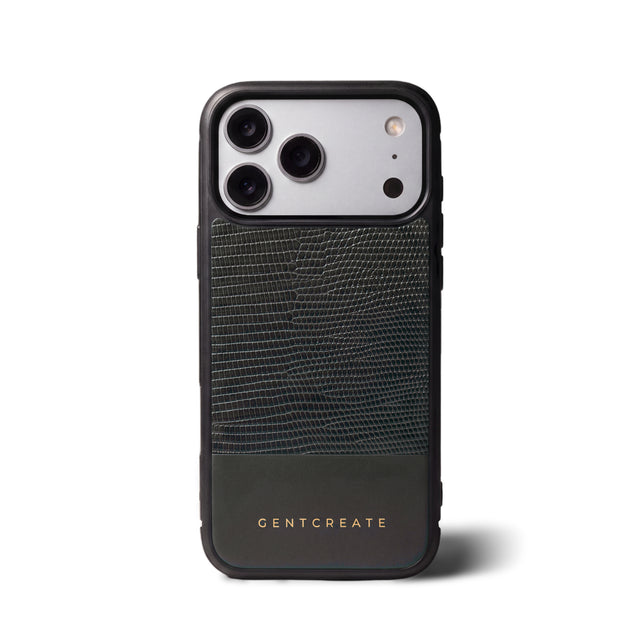
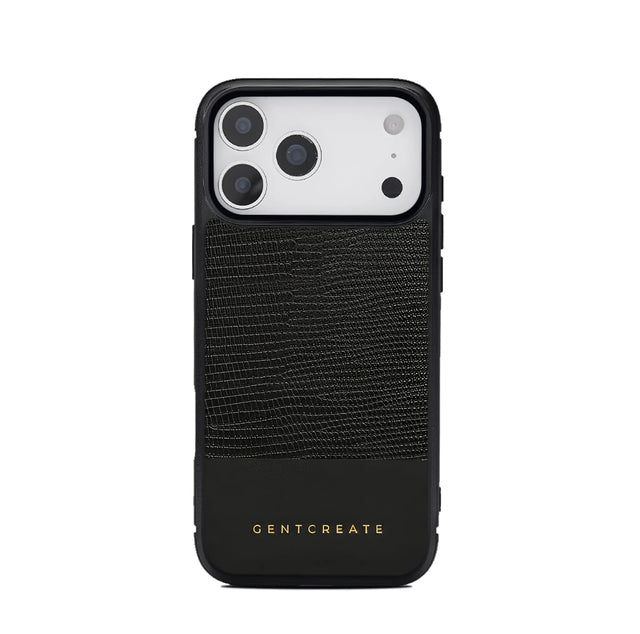
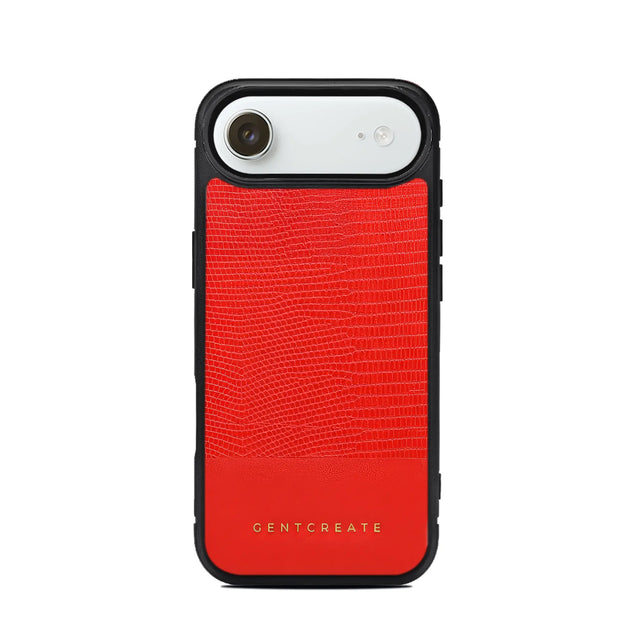
Leather iPhone Case Lizard Pattern
- Product Specifications
- GENTCREATE Leather iPhone Case Lizard Pattern— Leather iPhone Case Lizard Pattern - Luxury Minimalistic Phone Case Our Lizard Leather iPhone case from Gentcreate is the perfect blend of style and ,Rubber Edge, Raised Camera Edge , Luxury , Calfskin Leather , fits iPhone 18 Pro Max, iPhone 18 Pro, iPhone 18, iPhone 17 Pro Max, iPhone 17 Pro, iPhone 17, iPhone 16 Pro Max, iPhone 16 Pro, iPhone 16, iPhone 15 Pro Max, iPhone 15 Pro, iPhone 15, iPhone 14 Pro Max, iPhone 14 Pro, iPhone 14 , available in Gray, Black, Orange, Green, Red, Yellow .
(46)From $79 $98 -









 Save $9 USD
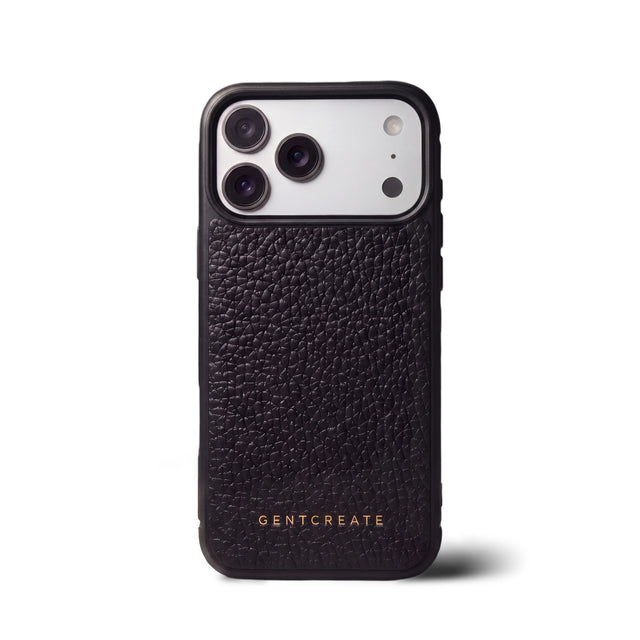
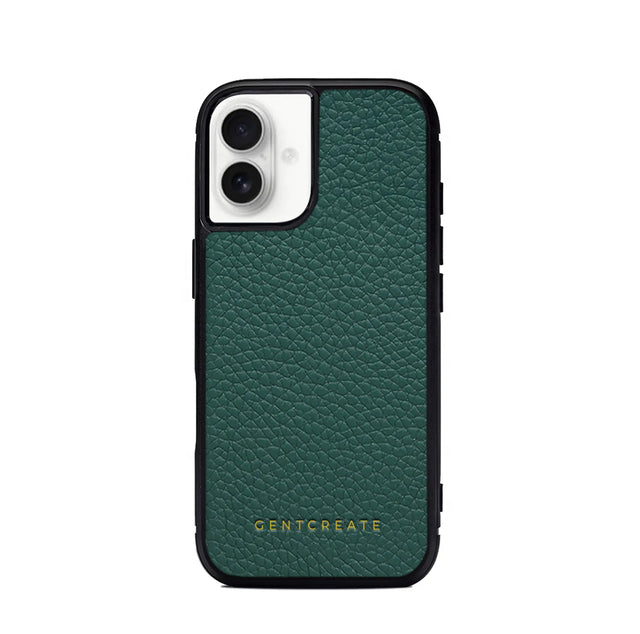
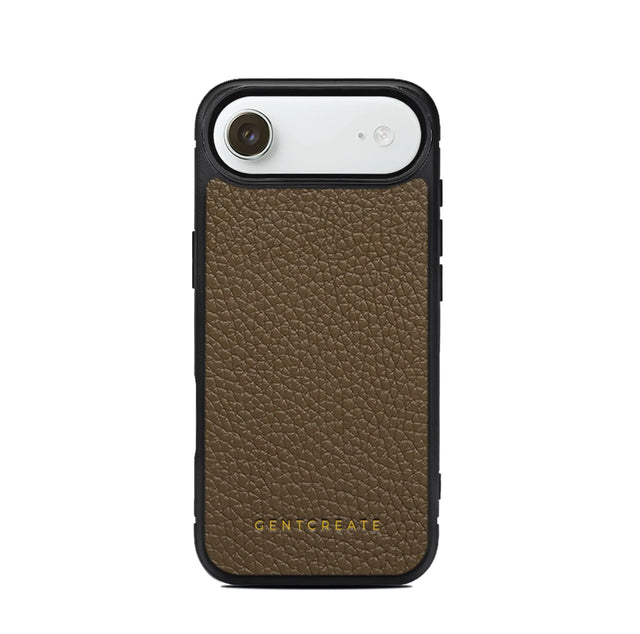
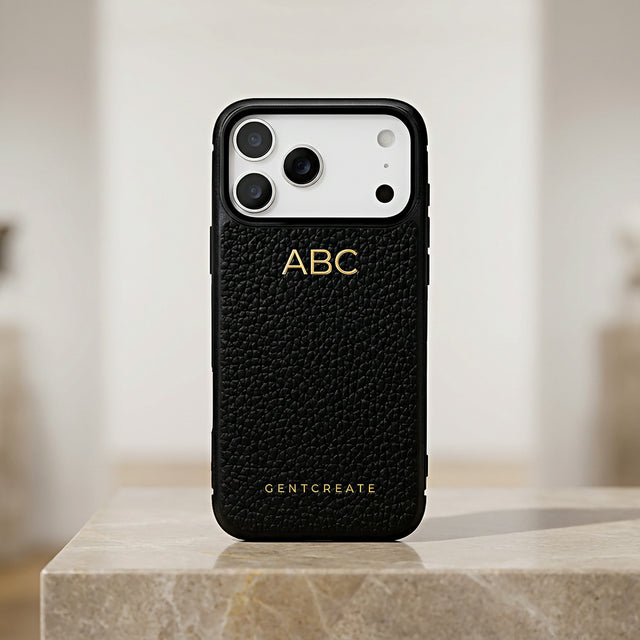
Leather iPhone Case Pebble Pattern
- Product Specifications
- GENTCREATE Leather iPhone Case Pebble Pattern— Handmade Leather iPhone Case with a Pebbled Pattern This handmade Leather iPhone Case with a distinct pebble pattern is a really good value price purchase ,Rubber Edge, Raised Camera Edge , Luxury , Calfskin Leather , fits iPhone 18 Pro Max, iPhone 18 Pro, iPhone 18, iPhone 17 Pro Max, iPhone 17 Pro, iPhone 17, iPhone 16 Pro Max, iPhone 16 Pro, iPhone 16, iPhone 15 Pro Max, iPhone 15 Pro, iPhone 15, iPhone 14 Pro Max, iPhone 14 Pro, iPhone 14 , available in Navy, Black, Green, Brown, Khaki .
(29)From $65 $74 -






 Save $16 USD
Leather iPhone Case Saffiano Pattern
- Product Specifications
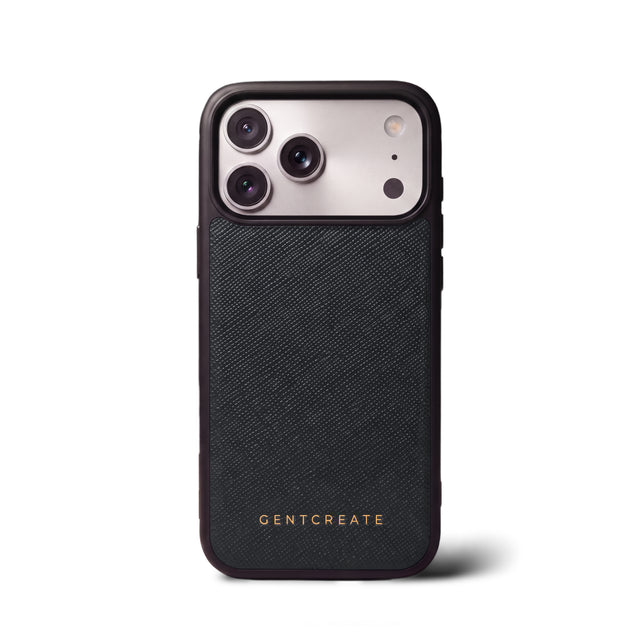
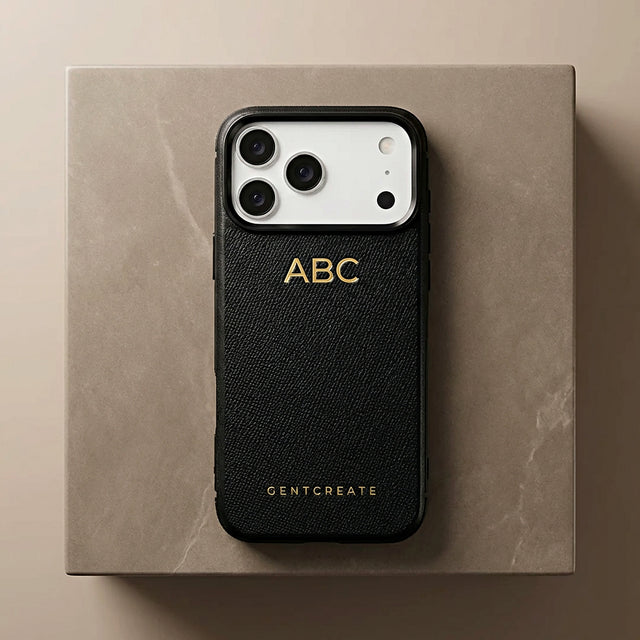
- GENTCREATE Leather iPhone Case Saffiano Pattern— Uniquely Designed Contemporary Genuine Leather iPhone Case by Gentcreate Looking for a luxury leather iPhone case that will keep your device safe and ,Non-Slip, Gritty Feel, Raised Camera Edge , Luxury , Calfskin Leather , fits iPhone 18 Pro Max, iPhone 18 Pro, iPhone 18, iPhone 17 Pro Max, iPhone 17 Pro, iPhone 17, iPhone 16 Pro Max, iPhone 16 Pro, iPhone 16, iPhone 15 Pro Max, iPhone 15 Pro, iPhone 15, iPhone 14 Pro, iPhone 14 Plus, iPhone 14 Pro Max, iPhone 14 , available in Navy, Black .
(60)From $59 $75 -






 Save $50 USD
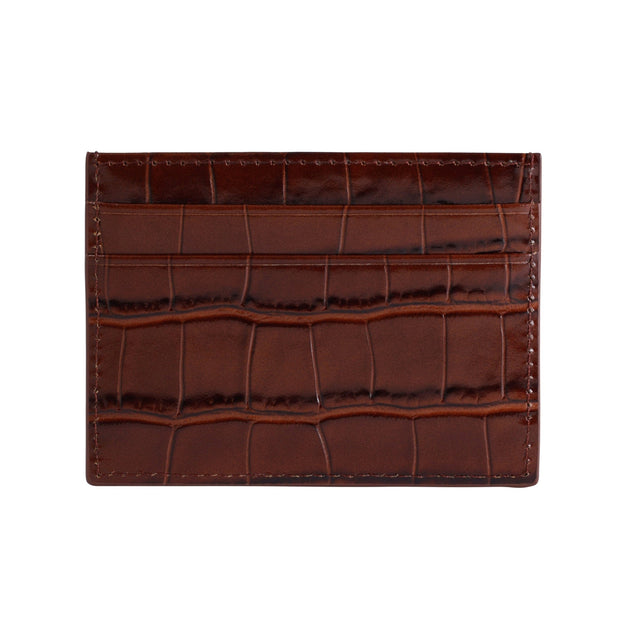
Crocodile Embossed Leather Cardholder
- Product Specifications
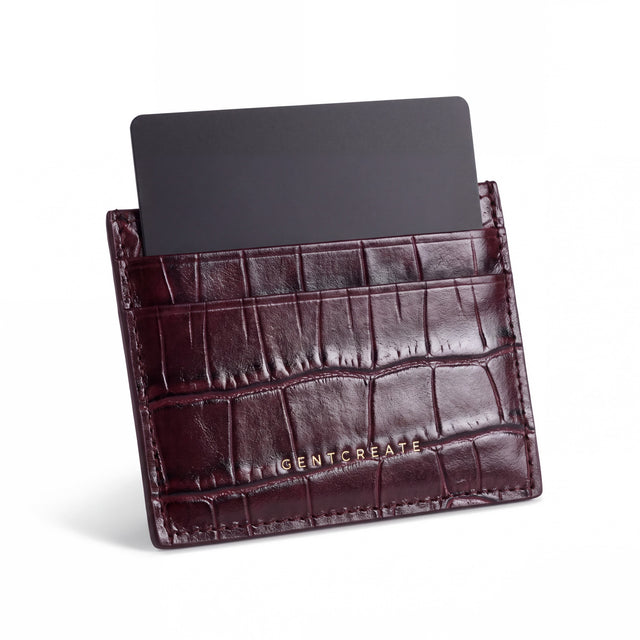
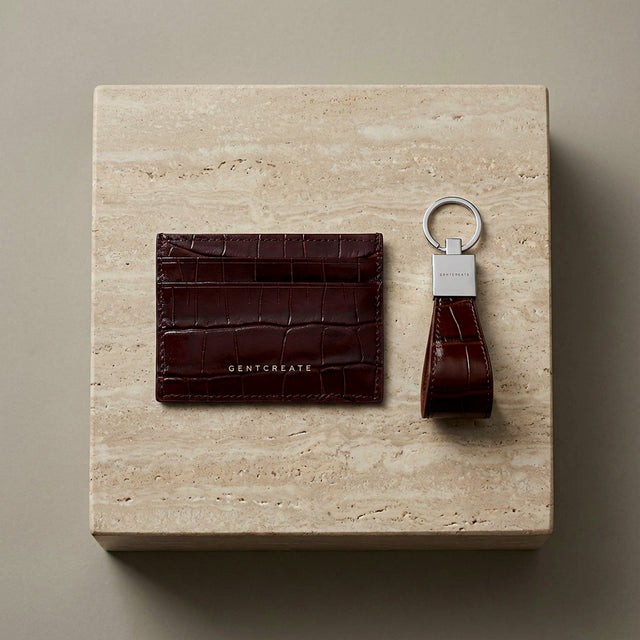
- GENTCREATE Crocodile Embossed Leather Cardholder— Our Crocodile Embossed Leather Cardholder is made with premium calfskin leather with an embossed crocodile pattern, it features four card slots and a central ,Lightweight , Luxury , Calfskin Leather , 7.3 cm / 2.87 inch x 10.3 cm / 4,52 inch , available in Black, Burgundy, Green, Navy, Brown .
(47)$130 $180


