

A genuinely good leather wallet usually costs between $60 and $250, and the number is set by the leather grade and the construction, not the logo stamped on the inside. Below that band you are typically paying for corrected or bonded leather that will not age well; far above it, you are often paying for a name rather than a better object. So how much should you spend on a leather wallet? Enough to clear the full-grain or quality top-grain line and to get finished edges and even stitching. That is the threshold where a wallet stops being a disposable accessory and starts becoming something you keep for years.
A genuinely good leather wallet usually costs between $60 and $250, with the price set by leather grade and hand construction rather than the logo, so most people should spend enough to reach full-grain or quality top-grain leather and finished edges.
- Price tracks materials and labor: a wallet's cost is driven by leather grade and stitching, not branding, so the same dollar buys very differently across makers.
- Full-grain is the dividing line: the jump from cheap to lasting almost always lands at the move from corrected or bonded leather to full-grain or quality top-grain.
- Cost-per-use beats sticker price: we score a wallet by the years-of-carry test, price divided by years of daily use, where a durable piece wins on the long arc.
- Features must earn the premium: hand-stitching, ~2mm card holders, RFID-protected styles where offered, and finished edges justify a higher number; a logo does not.
- Direct-from-maker changes the equation: buying straight from the maker removes a layer of markup, so hand-finished construction lands in a fairer price band.
On our bench, we judge price with a method we call the years-of-carry test: take what you pay, divide it across the years you will actually carry the piece daily, and read the cost per day. It reframes the whole question. A wallet is not a one-time purchase you weigh at the register; it is a tool you touch every day, and the honest measure of value only appears over time. This guide walks the price bands, what each one buys, and how to tell when a higher number is real and when it is air.
What price range to expect for a genuinely good leather wallet?
Expect to pay roughly $60 to $250 for a genuinely good leather wallet, with most well-made everyday pieces clustering between $90 and $180 in our experience. Under about $40, you are almost always looking at bonded leather (leather scraps glued and pressed) or thin corrected top-grain with a printed grain, material that cracks and peels rather than developing character. The $60-to-$120 band is where honest top-grain and entry full-grain wallets live: clean construction, real leather, sensible design. From roughly $120 to $250, you reach full-grain pieces with hand-stitching, burnished edges, and considered card bays, the band we'd point most quiet-luxury buyers toward.
Above $250, the curve flattens. You can spend $400 or $1,000, and somewhere in there the extra money stops buying durability and starts buying exotic skins, heavy branding, or retail overhead. The failure mode here is reading price as a proxy for quality in both directions: assuming the cheapest wallet is "fine for now" (it rarely is) and assuming the most expensive one must be best (it often is not). Anchor on the materials and the making, and the right range gets obvious.
How leather grade explains the gap between cheap and expensive wallets?
Leather grade explains most of the price gap, because the cut of hide a maker chooses sets both the cost of the raw material and how the wallet ages. Full-grain is the top layer of the hide with its natural surface intact, the most durable cut, and the one that develops a patina, a deepening sheen and color that comes only from years of handling. Top-grain has had its surface lightly sanded and refinished; it is still real, still serviceable, and usually a bit cheaper. Below those sit corrected-grain and bonded leather, where the "leather" is heavily processed or reconstituted, and the price drops because the material is cheap and short-lived.
When we hand-stitch a card bay in full-grain, we are working with a hide that fights back a little: dense, fibrous, alive. That density is exactly why it lasts. The counter-case is the bargain wallet with a suspiciously perfect, uniform grain: that flawless surface is usually printed onto corrected leather, and it is the first thing to crack at the fold. If you want the full reasoning on workmanship beyond grade, our guide on how to tell if a leather wallet is well made breaks down the tells.
| Leather grade | Typical wallet price | How it ages | What you are really paying for |
|---|---|---|---|
| Bonded / reconstituted | Under $30 | Peels and flakes | Glued scraps, printed grain |
| Corrected top-grain | $25 to $60 | Surface cracks early | Cheap hide, heavy finish |
| Honest top-grain | $60 to $130 | Wears evenly, modest patina | Real leather, clean build |
| Full-grain | $120 to $250+ | Develops rich patina | Best cut, longevity |

What you actually get at each price tier?
At each tier you are buying a different combination of leather, construction, and finish, and the jumps are not subtle once you know where to look. Materials and labor are the two levers, and price moves when a maker improves either one. The years-of-carry test rewards spending into the tier where both levers are pulled: real leather and real construction.
- Under $40, the disposable tier. Bonded or corrected leather, glued or thinly stitched seams, raw or painted edges that chip. Functional for a season, gone within a year or two.
- $40 to $90, the entry tier. Honest top-grain, machine stitching that is usually neat, simple layouts. A reasonable first real wallet, though edges and corners are where corners get cut.
- $90 to $180, the everyday-keeper tier. Full-grain or premium top-grain, often hand-stitched at stress points, burnished edges, thoughtful card spacing. As a rule of thumb, this is where we'd send most discerning buyers.
- $180 to $250+, the heirloom tier. Full-grain or specialty leathers (calfskin, Italian leather, Saffiano, Epsom, crocodile- or lizard-embossed), fully hand-finished, with the kind of detailing that survives a decade of pockets.
The failure mode is paying everyday-keeper money for entry-tier construction because a wallet looks the part in a product photo. A photo cannot show you the edge finish or the stitch density, which is why the tier matters more than the picture.
Why a cheap wallet can cost more in the long run?
A cheap wallet can cost more in the long run because you buy it again and again, and replacement cycles quietly outspend a single good purchase. Take a $25 wallet that, in our experience, gives out somewhere around the twelve-to-eighteen-month mark: across six years, that is four or five wallets and roughly $100 to $125, for material that never once looked better than the day you bought it. A single $150 full-grain wallet over the same six years costs less per year and arrives at year six with a patina the cheap one could never grow.
The hidden costs are not only money. There is the friction of a torn billfold spilling cards, the let-down of a peeling corner, the small recurring chore of shopping for a replacement. Cheap leather does not age; it degrades. The counter-case worth naming: not everyone needs a six-year wallet. If you genuinely rotate styles every season for fashion reasons, a lower tier is a defensible choice. But for the person who wants to buy once and forget about it, the cheap wallet is the expensive option. Our look at how long a leather wallet lasts puts real numbers on that lifespan.

How to calculate the cost-per-use value over years?
Calculate cost-per-use by dividing the purchase price by the number of days you will realistically carry the wallet, a single figure that cuts through sticker shock in both directions. This is the years-of-carry test in its plain form. A $180 full-grain wallet carried daily for eight years comes to about $0.06 a day. A $30 wallet replaced every year over those same eight years totals $240 and rides at roughly $0.08 a day, more expensive, for less.
| Wallet | Price | Years of daily use | Cost per year | Cost per day |
|---|---|---|---|---|
| Disposable | $30 (×8 = $240) | 8 (replaced yearly) | $30.00 | ~$0.08 |
| Entry top-grain | $80 | 4 | $20.00 | ~$0.055 |
| Full-grain keeper | $180 | 8 | $22.50 | ~$0.06 |
| Heirloom full-grain | $240 | 15 | $16.00 | ~$0.04 |
Read down the cost-per-day column and the expensive wallet often turns out to be the cheap one. The honest caveat: these are illustrative figures, not a measured study. Your numbers depend on how hard you carry and how well you condition the leather. The point is the method, not the decimals. The failure mode is judging value at the register, where only price is visible and durability is not.

Does a high price always mean a better wallet?
No, a high price does not guarantee a better wallet, because past a certain point you are paying for brand, retail markup, and marketing rather than leather or labor. A $600 wallet and a $180 wallet can be cut from comparable full-grain hide; the difference is often the logo, the boutique rent, and the layers of distribution between the maker and your pocket. Price correlates with quality up to the point where materials and construction max out, and then it decouples.
This is exactly where the maker model matters. Direct-to-consumer means the people who designed and hand-finished the wallet sell it to you without third-party markup: hand-finished construction without the premium that distribution bakes into the shelf price. The counter-case keeps it honest: sometimes a high price is justified, when it buys a rare exotic skin, genuinely intricate hand-work, or a specialty leather like Saffiano or Epsom that costs more to source. The skill is separating the premium that buys more wallet from the premium that buys more nameplate.
What features justify paying more?
The features that justify a higher price are the ones that take more skill or better material to execute: hand-stitching, finished edges, full-grain leather, and protective construction. These are where labor and material concentrate, and they are visible if you know to look. A logo is not on the list.
- Hand-stitching at stress points, which holds longer than a single machine line and can be repaired stitch by stitch.
- Full-grain leather, the most durable cut and the only one that earns a true patina.
- Burnished, finished edges rather than raw or painted ones, slow handwork that resists fraying.
- Ultra-slim ~2mm card holders that still hold up to about eight slots; thinness without flimsiness is hard to engineer (for context, a credit card is about 0.76mm thick).
- RFID-protected styles, where offered, which add a shielding layer for the cards that carry a chip.
- A sustainable gift box, free shipping, and a product warranty, which are part of the value even though they are not the leather itself.
- Personalization through the Custom Leather Wallets line, turning a wallet into a considered gift.
The failure mode is paying a premium for features you will not use, a zip-around with twelve slots when you carry four cards. Match the feature to your carry. If you are still choosing a format, slim wallet vs minimalist wallet vs card holder is the place to start, and the anatomy of a wallet explains every part you are paying for.
What makes a GENTCREATE handmade leather wallet worth its price?
A GENTCREATE wallet is worth its price because we control every stitch, fold, and cut, and we sell direct, so quality is a process choice rather than a price tier, and you pay for the making, not the markup. We design and hand-finish our leather goods and offer them straight from the maker, which is how hand-finished construction lands in a fair price band instead of a boutique one. Our doctrine is minimalism: the power of simplicity, of clean lines and uncluttered designs, and of carrying only what you use. That philosophy shows up in the product as ultra-slim ~2mm card holders, hand-stitched bays holding up to about eight slots, and RFID-protected styles where they are offered.
We let full-grain leather earn its character. A wallet from our bench is built to age into something better than it started, the patina deepening across the years rather than peeling away. Each piece ships in a sustainable gift box, with free shipping and a product warranty behind it, and the Custom Leather Wallets line makes it personal. The counter-case we will say out loud: if you want a wallet to throw away next season, we are not the right maker. We build for the person who buys once and carries it for years. When a wallet is a gift, the meaning runs deeper too, as our note on what giving a wallet as a gift means explores.

Your leather wallet value checklist
Decide the leather grade first: confirm full-grain or honest top-grain before anything else, then work down the rest of this list to weigh value over price.
- Confirm the leather is full-grain or honest top-grain, not bonded or corrected.
- Check the edges: burnished and smooth, not raw or chipping paint.
- Inspect the stitching for even, tight lines, especially at stress points.
- Run the years-of-carry test: divide price by realistic years of daily use.
- Match features to your carry (slots, slimness, RFID where offered) and skip what you will not use.
- Decide whether a premium buys more wallet or more nameplate.
- Favor direct-from-maker to skip a layer of markup.
- Check that the price includes the gift box, free shipping, and warranty.
Frequently asked questions
In short, a genuinely good leather wallet costs $60 to $250, and the answers below break down what each price buys and how to judge real value.
Is a $20 leather wallet ever worth buying? Rarely, because a $20 wallet is almost always bonded or corrected leather that will not age and tends to fail within a year or two. It can bridge a short gap, but the years-of-carry test usually shows it costing more over time than one good wallet. If budget is tight, stretch to the $60-to-$90 entry tier for honest top-grain instead.
How much should you spend on a leather wallet? Most people should spend enough to reach full-grain or quality top-grain with finished edges, which, as a rule of thumb, lands in the $90-to-$180 everyday-keeper range. That band buys real leather and real construction without paying for boutique overhead. Spend more only when you want a specialty leather or extensive hand-work.
Why are some leather wallets so expensive? Some wallets are expensive because of genuine cost (exotic skins, intricate hand-stitching, premium hides like Saffiano or Epsom), and others are expensive because of brand and retail markup. The two reasons look identical on a price tag. Inspect the leather and the construction to tell which premium you are actually paying.
Does full-grain leather really last longer? Yes, full-grain is the most durable cut because it keeps the hide's dense top layer intact, and it is the only grade that develops a true patina. Top-grain is sanded and refinished, so it wears evenly but ages with less character. Bonded leather does not last and does not patina at all.
Is a more expensive wallet always better made? No, past the point where materials and construction max out, extra cost buys branding and markup rather than a better object. A direct-from-maker full-grain wallet can match a designer piece for a fraction of the price. Judge the making, not the number.
Do features like RFID protection justify paying more? They justify a modest premium on the styles that offer it, since shielding is real construction work rather than a sticker. It matters most if you carry chip-enabled cards. As with any feature, weigh it against your actual carry rather than paying for capacity you will not use.
A good wallet is the rare purchase that gets cheaper the longer you keep it. See where your number lands across our leather wallets and fine leather wallets collections.
-


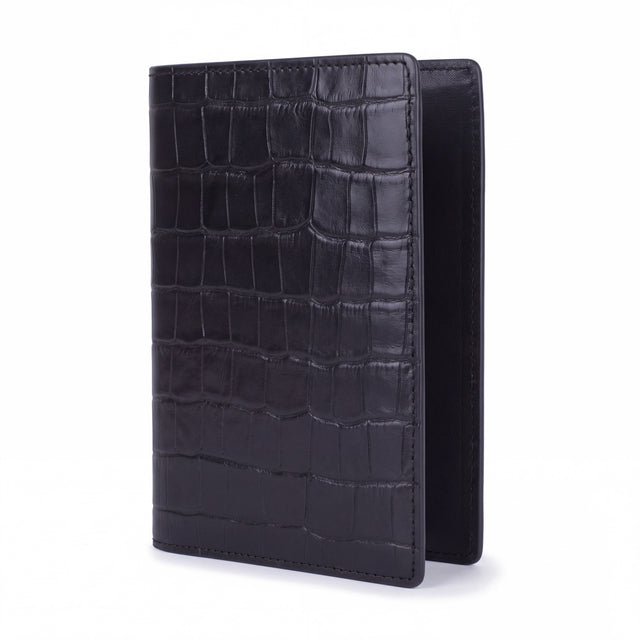


 Save $25 USD
Crocodile Leather Passport Holder
- Product Specifications
- GENTCREATE Crocodile Leather Passport Holder— The perfect companion for your travels, the Crocodile Leather Passport Holder combines elegance and practicality. ,Boarding Pass Pocket and Card Slots , Luxury , Calfskin Leather , 10.6 cm / 4.17 inch x 14.7 cm / 5.8 inches , available in Black, Brown, Navy .
(21)$130 $155 -


 Save $55 USD
Glossy Leather Passport Holder
- Product Specifications
- GENTCREATE Glossy Leather Passport Holder—Boarding Pass Pocket, Nappa Leather Interior , Luxury , Calfskin Leather , 10.6 cm / 4.17 inches x 14.7 cm / 5.8 inches , available in Black, Blue, Burgundy, Green .
(21)$190 $245 -
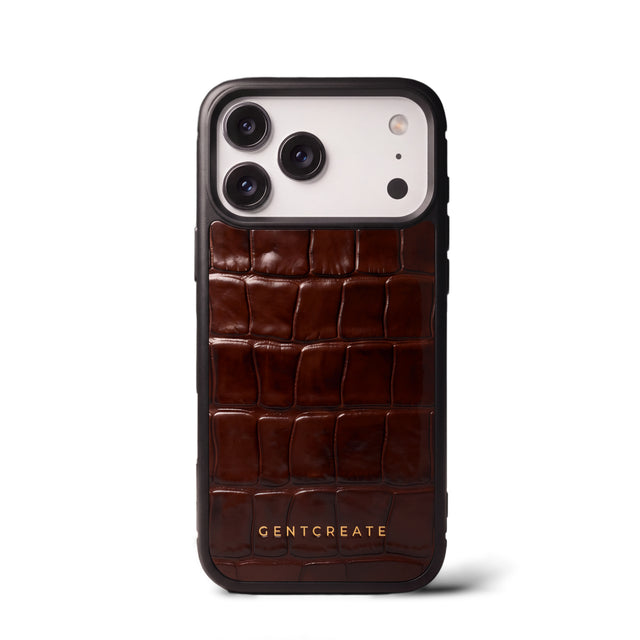


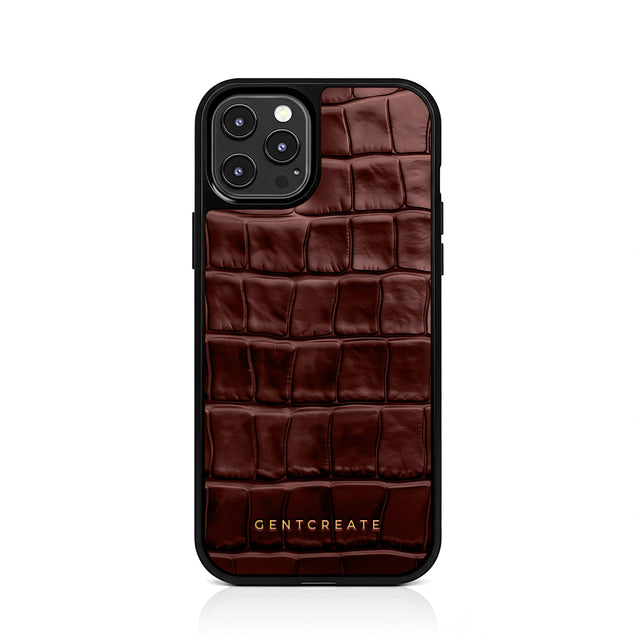


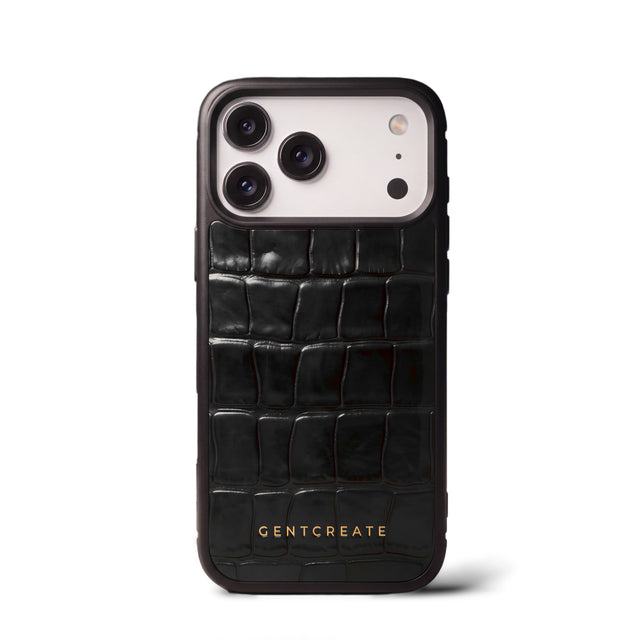

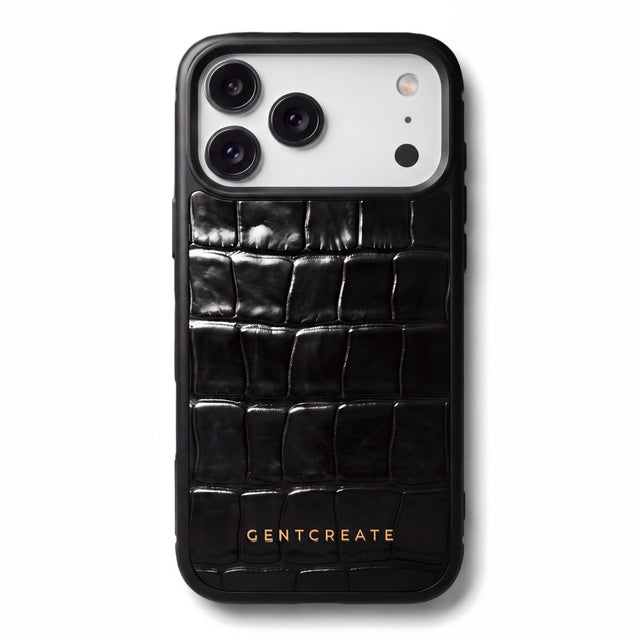


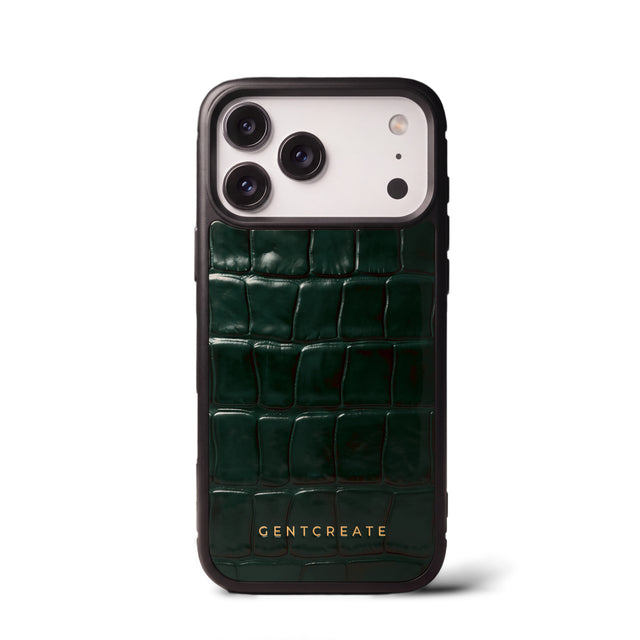


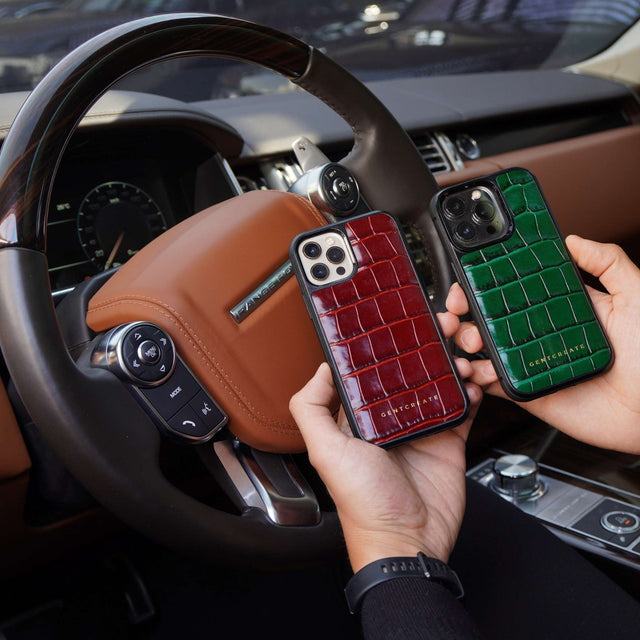


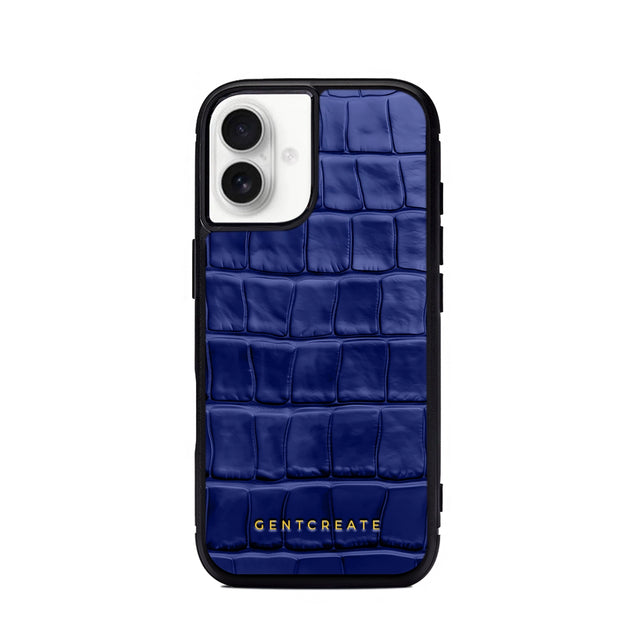


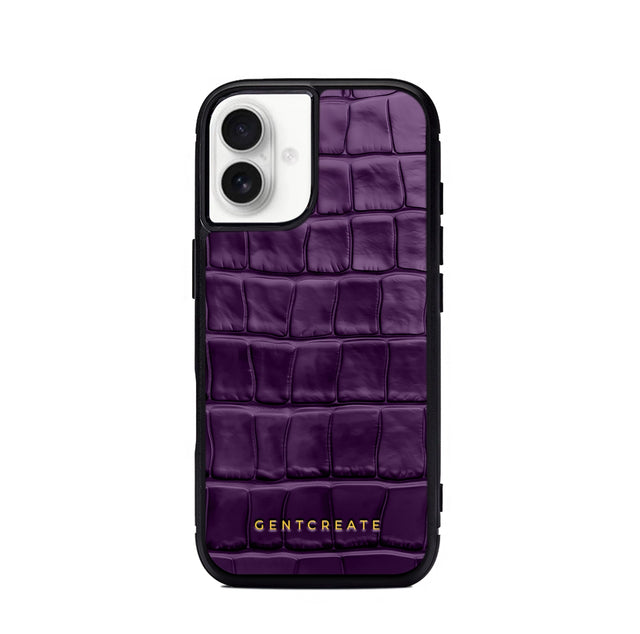


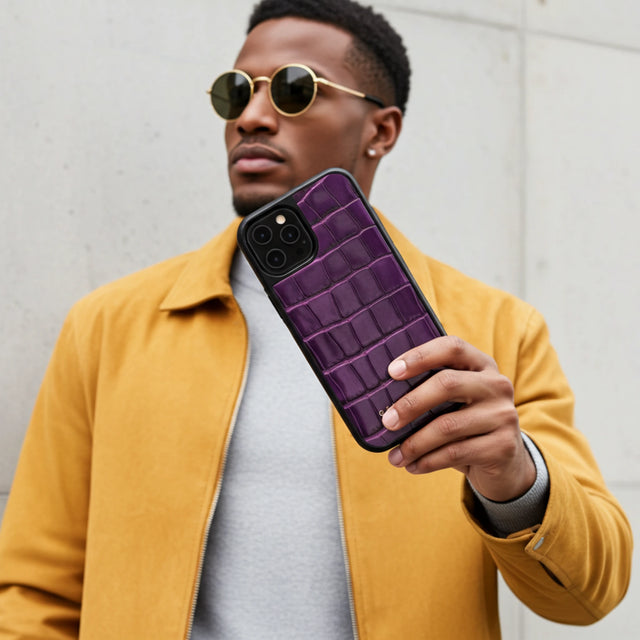


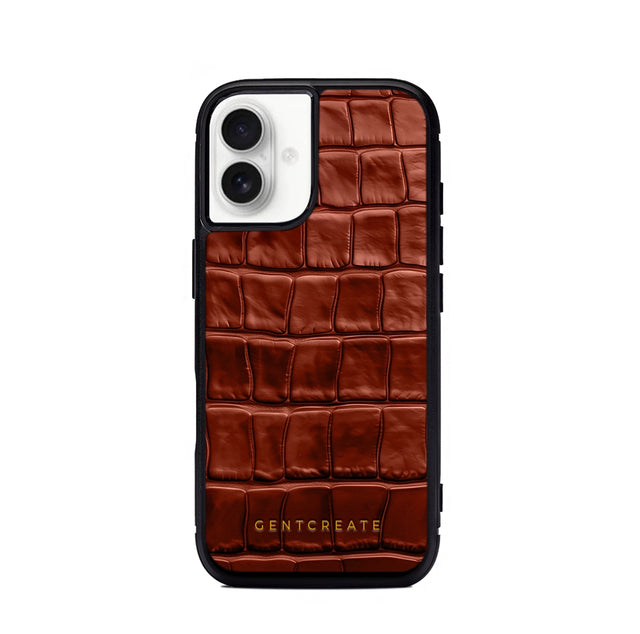
 Save $50 USD
Leather iPhone Case Croco Glossy
- Product Specifications
- GENTCREATE Leather iPhone Case Croco Glossy— Premium leather iPhone case with crocodile pattern. Handcrafted Italian calf leather, wireless charging straight through. Fits all recent iPhone models. Shop now. ,Rubber Edge, Raised Camera Edge , Luxury , Calfskin Leather , fits iPhone 18 Pro Max, iPhone 18 Pro, iPhone 18, iPhone 17 Pro Max, iPhone 17 Pro, iPhone 17, iPhone 16, iPhone 16 Pro, iPhone 16 Pro Max, iPhone 15, iPhone 15 Pro, iPhone 15 Pro Max, iPhone 14, iPhone 14 Pro, iPhone 14 Pro Max , available in Glossy Burgundy, Glossy Black, Glossy Green, Glossy Blue, Glossy Magenta, Glossy Brown .
(264)From $65 $115 -
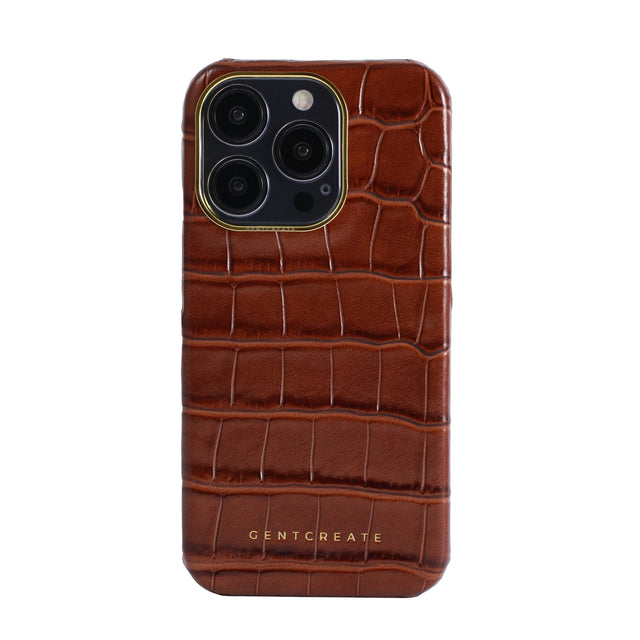





 Clearance Sale
Leather iPhone Case Crocodile Pattern
- Product Specifications
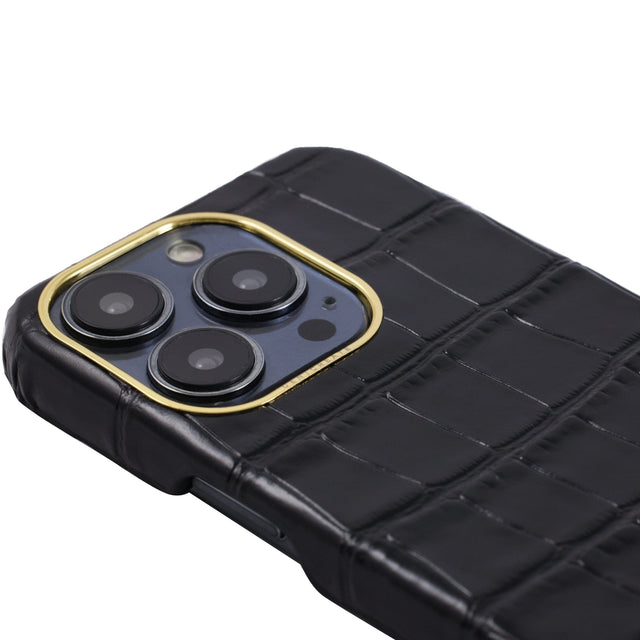
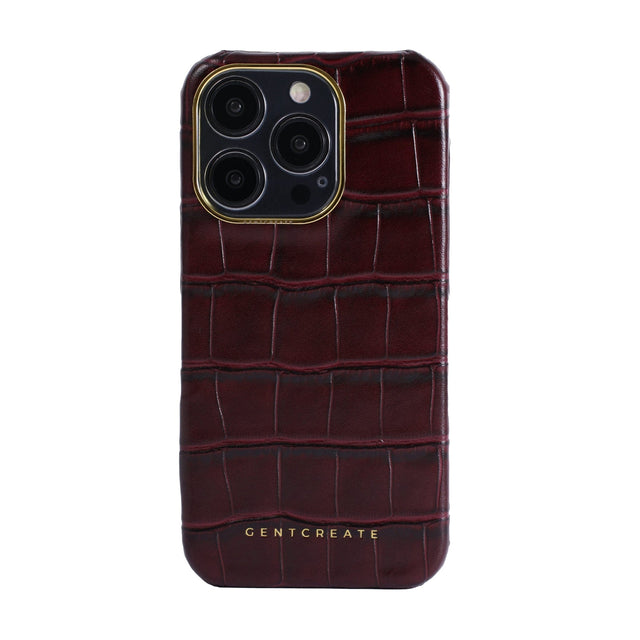
- GENTCREATE Leather iPhone Case Crocodile Pattern— Our classic Leather iPhone Case with a Crocodile Pattern creates a 'classic look' for your iPhone, often preferred by our minimalist-oriented customers. ,Full Pattern Raised Camera Edge , Luxury , Calfskin Leather , fits iPhone 15 Pro Max, iPhone 15 Pro, iPhone 14 Pro Max, iPhone 14 Pro , available in Brown, Green, Black, Burgundy, Dark Navy .
(70)$60 $115 -






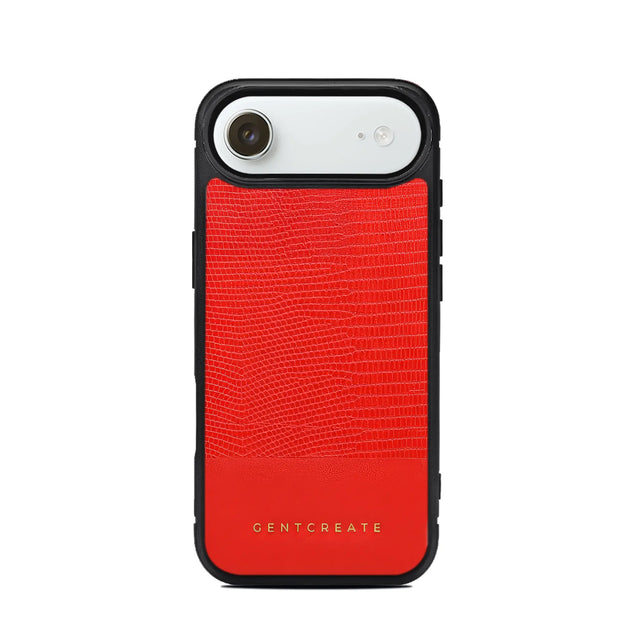


 Save $19 USD
Leather iPhone Case Lizard Pattern
- Product Specifications
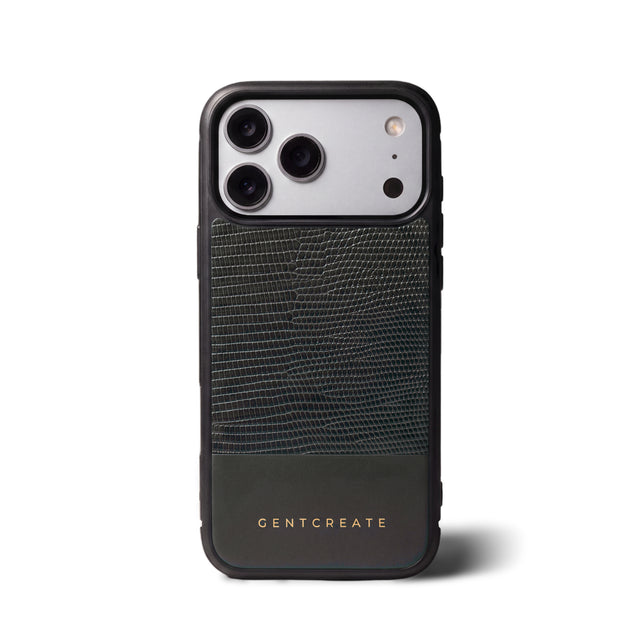
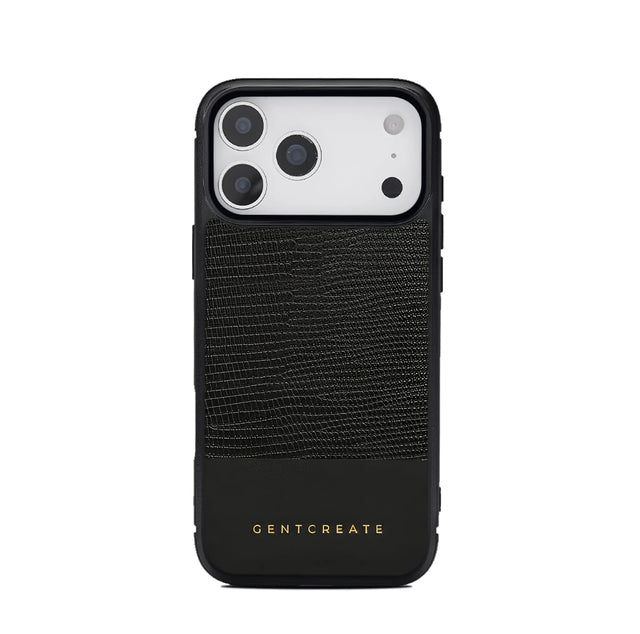
- GENTCREATE Leather iPhone Case Lizard Pattern— Leather iPhone Case Lizard Pattern - Luxury Minimalistic Phone Case Our Lizard Leather iPhone case from Gentcreate is the perfect blend of style and ,Rubber Edge, Raised Camera Edge , Luxury , Calfskin Leather , fits iPhone 18 Pro Max, iPhone 18 Pro, iPhone 18, iPhone 17 Pro Max, iPhone 17 Pro, iPhone 17, iPhone 16 Pro Max, iPhone 16 Pro, iPhone 16, iPhone 15 Pro Max, iPhone 15 Pro, iPhone 15, iPhone 14 Pro Max, iPhone 14 Pro, iPhone 14 , available in Gray, Black, Orange, Green, Red, Yellow .
(46)From $79 $98 -


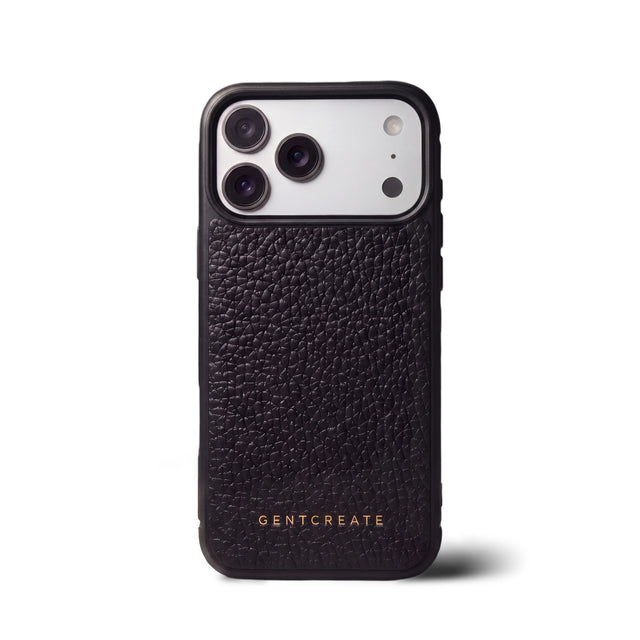


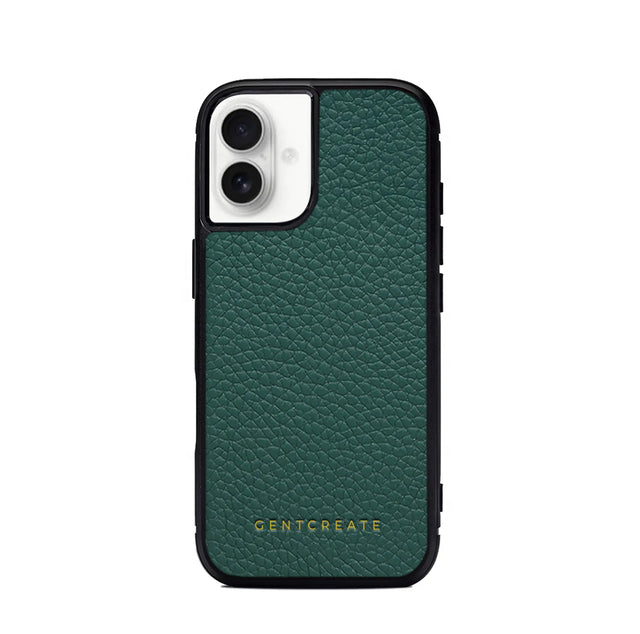


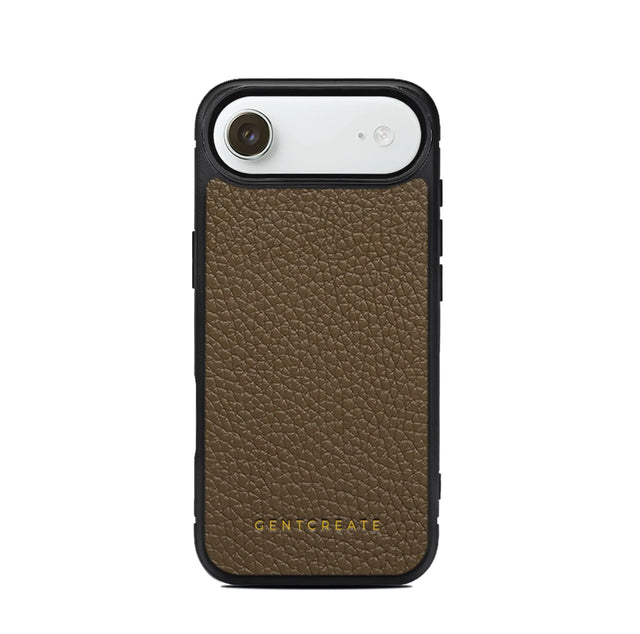



 Save $9 USD
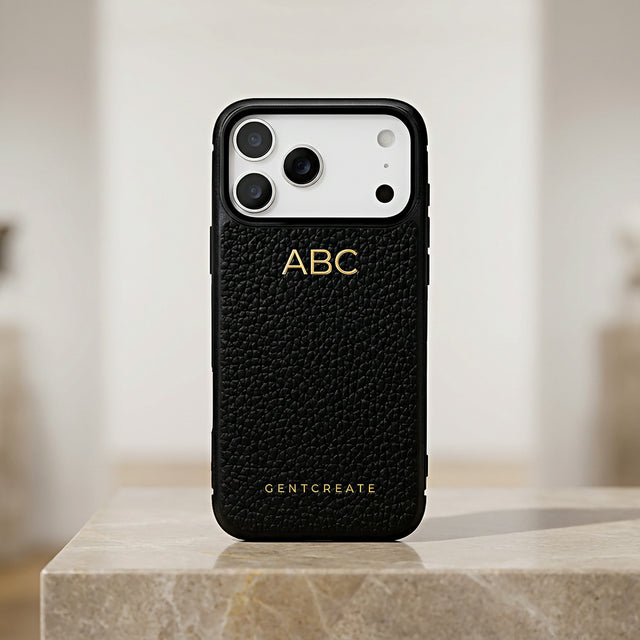
Leather iPhone Case Pebble Pattern
- Product Specifications
- GENTCREATE Leather iPhone Case Pebble Pattern— Handmade Leather iPhone Case with a Pebbled Pattern This handmade Leather iPhone Case with a distinct pebble pattern is a really good value price purchase ,Rubber Edge, Raised Camera Edge , Luxury , Calfskin Leather , fits iPhone 18 Pro Max, iPhone 18 Pro, iPhone 18, iPhone 17 Pro Max, iPhone 17 Pro, iPhone 17, iPhone 16 Pro Max, iPhone 16 Pro, iPhone 16, iPhone 15 Pro Max, iPhone 15 Pro, iPhone 15, iPhone 14 Pro Max, iPhone 14 Pro, iPhone 14 , available in Navy, Black, Green, Brown, Khaki .
(29)From $65 $74


