

A wallet organizes your cards and cash, a purse (in American English) is the larger handbag that carries everything, including the wallet, and a clutch is a small, handle-free bag you hold in your hand for an event or a deliberately light day. The confusion isn't really about leather or shape. It's about language, scale, and intent: three objects that overlap at the edges but do genuinely different jobs.
A wallet organizes your cards and cash, a purse (in American English) is the larger handbag that carries everything including the wallet, and a clutch is a small handle-free bag you hold for events or a pared-down day.
- Wallet vs purse vs clutch is a question of job, not size: the wallet organizes, the purse carries, the clutch frames the occasion.
- American vs British English splits the word: "purse" means handbag in the US and a small coin wallet in the UK, which is most of the confusion.
- The Carry Audit is our house method: empty everything out, keep only what you touched this week, then choose the form around that count.
- A slim card holder or zip wallet can replace all three for a true minimalist: up to about 8 slots and about 2mm of full-grain leather go anywhere.
- Build a two-piece system: one daily wallet plus one event clutch in matching leather covers nearly every occasion without owning a drawer of bags.
On our bench, the question that settles every "wallet vs purse vs clutch" debate isn't which is prettiest. It's a method we call the Carry Audit: empty everything you're carrying onto a table, keep only what your hands actually touched in the last seven days, then choose the form around that count. Do that once and the whole vocabulary stops feeling slippery.
This guide walks the three terms apart, then puts them back together into a setup you can actually live with.
What is the difference between a women's leather wallet, a purse, and a clutch?
A women's leather wallet holds and sorts your cards and cash, a purse is the bag that carries the wallet plus everything else, and a clutch is a small bag with no strap or handle that you grip in one hand, so the wallet is a tool, the purse is the container, and the clutch is the occasion. They aren't three sizes of the same thing; they're three answers to three questions.
The wallet is the smallest and the most personal. It's the piece that touches your cards every day, so it earns its character first: a full-grain bifold or a slim card holder darkens at the corners where your thumb lands. The purse is the system around it, with room for a phone, keys, the wallet, and the small chaos of a day.
The clutch sits between the two in a strange, useful way: bag-shaped like a purse but wallet-sized in spirit. A leather clutch can be your purse for a night, or it can ride inside a larger bag as an organizer.
The failure mode is treating all three as interchangeable and buying the biggest one "to be safe." That's how you end up carrying a tote with a single lipstick rolling around the bottom. If you want the parts named precisely, our anatomy of a wallet guide breaks down every bay, gusset, and card slot so the vocabulary stops fighting you.
How much do a wallet, a purse, and a clutch each hold, and what is each one really for?
A wallet carries cards and cash, a clutch carries a wallet's worth of essentials plus a phone, and a purse carries all of it with room to spare: capacity climbs as personal contact drops. The more a piece holds, the less of it touches your skin every hour. That trade-off is the whole point.
A credit card is about 0.76mm thick, which is the unit everything else is measured against. A slim card holder runs around 2mm of leather and holds up to about 8 cards. A bifold typically manages 6 to 10 cards plus folded bills; a trifold stretches that to roughly 10 to 12 with more bulk. A clutch adds a phone, a key, and maybe a thin lipstick. A purse adds everything else.
| Piece | Typical capacity | Hands-free? | What it's really for |
|---|---|---|---|
| Card holder | Up to ~8 cards | Pocket/bag | The lightest daily carry; a true minimalist's whole kit |
| Bifold / zip wallet | ~6-10 cards + cash | No, lives in a bag | Everyday organizing of cards, cash, receipts |
| Clutch | Wallet + phone + key | Held in hand | A light day or an event; essentials only |
| Purse (handbag) | All of the above + more | Strap, hands-free | The container that carries the wallet and the day |
Run the Carry Audit against this table and the choice usually makes itself. If your "essentials" pile is eight cards and a folded bill, you don't need a purse; you need a card holder and a free hand.
The failure mode here is buying for the day you imagine instead of the week you actually have. A clutch bought for a wedding you attend twice a year shouldn't be your only small bag. For the everyday end of this spectrum, our slim wallet vs minimalist wallet vs card holder comparison shows exactly where the lightest forms diverge.

Does "purse" mean handbag in American English and a wallet in British English?
Yes: in American English a "purse" is a woman's handbag, while in British English a "purse" is the small wallet that holds coins and cards, which is the single biggest source of the wallet vs purse vs clutch confusion. Same word, two countries, opposite scales. We write in American English, so on this site "purse" always means the handbag.
It helps to line the dialects up directly, because the mismatch is symmetrical and a little maddening.
| Term | American English | British English |
|---|---|---|
| Purse | A handbag with a strap | A small wallet for coins and cards |
| Wallet | Card-and-cash holder (often men's, but unisex) | A flat folding card-and-cash holder |
| Handbag | Same as purse | The strapped bag (the US "purse") |
| Clutch | A small handle-free bag | A small handle-free bag (same) |
The good news: "clutch" survives the Atlantic crossing intact. The word that trips people is "purse," and the fix is simply knowing which side of the map you're standing on.
The failure mode is reading a British product description as American and expecting a handbag when a coin wallet arrives. When you shop our pieces, read "purse" the American way: the bag, not the wallet. The wallet is the wallet.
When should you carry a slim leather wallet instead of a clutch?
Carry a slim leather wallet, not a clutch, whenever you're going hands-free, dropping into a pocket or a larger bag, or your day is built around movement rather than a single destination. A clutch occupies a hand. A slim wallet occupies nothing. That's the deciding line.
A front-pocket or card-holder-style wallet is the answer for commuting, errands, travel through security, and any day where you'd resent holding something. Roughly 2mm of full-grain or Saffiano leather slides into a back pocket or a coat and disappears. You move; it follows.
Reach for the clutch when the carrying is the point: a dinner, an event, a short outing where you want nothing on your shoulder and everything in one elegant object. The clutch is a destination piece. The slim wallet is a transit piece.
Here's the house shortcut we use, an extension of the Carry Audit we call the front-pocket test: if the kit fits in a front pocket and you'd rather not hold a bag, it's a slim wallet day. If it doesn't, or if you want your hands to read as deliberate, it's a clutch day.
The failure mode is forcing a clutch into a high-movement day and spending the afternoon white-knuckling it on trains and through doors. For the lightest end of the slim-wallet world, our Small Leather Wallets collection is where the card holders and front-pocket styles live.

Is a clutch only for events, or can you use a leather clutch every day?
A leather clutch is not event-only: a well-made everyday clutch in durable full-grain or pebbled leather works for ordinary days too, as long as you accept that it asks for a hand and rewards a light carry. The "events-only" idea comes from satin and beaded evening clutches. Leather changes the equation.
An everyday leather clutch, flat, unfussy, in gray, black, or a warm tan that patinas, reads as intentional rather than dressed-up. Carry it to a café, a meeting, a market. The constraint isn't formality; it's volume. A clutch holds a clutch's worth of things, and pushing past that turns elegance into a bulging seam.
The minimalist case for an everyday clutch is strong: it forces the Carry Audit on you automatically. You physically can't overpack a clutch, so you carry only what you use, which is the whole doctrine in one object. Clean lines, uncluttered hand.
That said, an everyday clutch and a continental wallet are easy to confuse, and they're not the same tool. If you're weighing the handle-free options against each other, our clutch vs wristlet vs continental wallet guide draws the lines between holding, strapping, and folding.
The failure mode is treating a leather clutch like a tote: over-stuffing it until the leather strains and the silhouette is lost. A clutch kept honest stays beautiful for years.
Can a card holder or zip wallet replace all three for a minimalist?
For a genuine minimalist, yes: a slim card holder or a compact zip wallet can stand in for the wallet, the clutch, and the purse, because if your essentials fit in about 8 slots and a single secured object, you've already removed the need for the larger forms. This is the Carry Audit taken to its logical end.
The card holder is the purest expression of "carry only what you use." At roughly 2mm and up to about 8 cards, it does the wallet's job and slips into a pocket, erasing the purse entirely. Add a coat with a pocket and you've eliminated the bag from your day.
A zip-around or zip wallet extends the idea when you need cash, coins, or a little more security. The zipper closes the whole kit into one object you can hold like a small clutch or drop into any bag: a wallet that doubles as your smallest carry. The difference between a zip closure and a snap matters more than people expect; our zip-around vs snap wallet comparison explains which closure suits which carry.
| Need | Card holder | Zip wallet | Replaces a clutch? | Replaces a purse? |
|---|---|---|---|---|
| Cards only, ultra-light | Yes (~8 slots, ~2mm) | Overkill | For light days | Yes, with a pocket |
| Cards + cash + coins | Tight | Yes | Yes | Often |
| Cards + cash + phone + keys | No | No | No | No |
The honest answer: the card holder and zip wallet replace all three for the minimalist, not for everyone. The line is your essentials count, not your aspirations.
The failure mode is forcing minimalism on a life that genuinely needs a phone, keys, and a water bottle in one bag. Minimalism is removing what you don't use, not pretending you don't use what you do.
How do you build a daily-wallet-plus-event-clutch setup that covers every occasion?
Build a two-piece system: one slim daily wallet you carry every day, plus one leather clutch for events and light outings, in matching or complementary leathers, and that pair covers nearly every occasion without owning a drawer of bags. Two well-chosen objects beat ten compromises.
Start with the Carry Audit to size the daily wallet: count the cards and cash you touched this week, then pick the smallest form that holds them comfortably, whether a card holder, a slim bifold, or a compact zip wallet. That piece does 90% of your days.
Then add one clutch for the other 10%: dinners, events, light errands where you want your hands and nothing on your shoulder. On the busiest days, the daily wallet simply rides inside the clutch: the wallet organizes, the clutch carries, and you never repack from scratch.
Choose leathers that live together. A full-grain wallet that patinas alongside a pebbled or Saffiano clutch builds a small, coherent set over time. Our Women's Leather Wallets collection is built to be paired this way: wallet and clutch from the same hand, finished to age together.
The failure mode is buying a new bag for every occasion and owning twelve half-used objects. Two pieces, chosen with intent, retire the drawer.

How does GENTCREATE handcraft women's leather wallets, clutches, and card holders to fit each use?
GENTCREATE designs and hand-finishes each women's wallet, clutch, and card holder around its real job: slim card holders for the lightest carry, structured bifolds and zip wallets for everyday organizing, and clean leather clutches for events, using full-grain, Italian, Saffiano, Epsom, and embossed leathers, sold direct from the maker. We control every stitch, fold, and cut, so the form fits the use rather than the price tier.
When we hand-stitch a card bay, we're sizing it to the 0.76mm reality of a real card and the count from a real Carry Audit: up to about 8 slots in a card holder, more structure in a bifold. RFID-protected styles are offered where the carry calls for it. The minimalist doctrine of clean lines, uncluttered design, and carry only what you use guides which slots earn their place.
Because we sell direct, you get atelier-level handwork without the middleman markup, finished in full-grain that earns its patina, calfskin, Italian leather, or Saffiano and Epsom for structure. Personalization runs through the Custom Leather Wallets line, and each piece arrives in a sustainable gift box with free shipping and a product warranty.
The failure mode we design against is the generic bag that fits nothing well. A wallet, a clutch, and a card holder are different tools, so we make them as different tools.

Your wallet, purse, and clutch checklist
Decide the job first, then the form: name what the piece must do, run the Carry Audit, and let the count pick the wallet, purse, or clutch.
- Run the Carry Audit first. Empty everything out; keep only what you touched this week; choose the form around that count.
- Name the job, not the size. Wallet organizes, purse carries, clutch frames the occasion.
- Read "purse" the American way here. Handbag, not coin wallet.
- Apply the front-pocket test. Fits a pocket and you'd rather go hands-free? Slim wallet day. Otherwise, clutch day.
- Match the leather, not just the look. A full-grain wallet and a pebbled or Saffiano clutch age into a set.
- Stop at two. One daily wallet plus one event clutch covers nearly everything.
- Check for RFID only where it's offered. Don't assume; confirm by style.
- Don't over-stuff the clutch. A clutch kept honest stays beautiful for years.
Frequently asked questions
Here are the quick answers to the questions people ask most when sorting out wallet vs purse vs clutch.
Is a clutch the same as a wallet? No: a clutch is a small handle-free bag and a wallet is a card-and-cash organizer, though a slim clutch and a continental wallet can blur together. A clutch holds a wallet's worth of essentials plus a phone or key; a wallet holds cards and cash and usually lives inside a larger bag. The clearest way to keep them apart is to ask whether you'd hold it in your hand (clutch) or tuck it into another bag (wallet).
Does "purse" mean wallet or handbag? In American English a purse is a handbag, and in British English a purse is a small coin-and-card wallet. This is the main reason the wallet vs purse vs clutch comparison confuses people. On this site we use American English, so "purse" always means the strapped handbag, never the small wallet.
Can a card holder replace a wallet and a purse? Yes, for a minimalist: a slim card holder at roughly 2mm and up to about 8 cards can do the wallet's job and, with a pocketed coat, remove the need for a bag entirely. It only works if your real essentials fit in those slots. Run the Carry Audit before you commit; the count decides, not the wish.
What is the difference between a clutch and a wristlet? A clutch is held flat in the hand with no strap, while a wristlet adds a small loop you slip over your wrist for hands-free moments. Both are small, both are event-friendly, and both can pair with a daily wallet. For the full breakdown against a continental wallet, see our clutch vs wristlet vs continental wallet guide.
Which leather is best for an everyday clutch? A durable full-grain, pebbled, or Saffiano leather is best for an everyday clutch because it resists daily handling and, in the case of full-grain, develops a patina that improves with use. Full-grain is the most durable cut and earns its character over time. Saffiano and Epsom hold structure and shrug off scuffs, which suits a piece your hand is on all day.
Do I need both a wallet and a clutch? Not necessarily, but a one daily wallet plus one event clutch pairing is the most versatile two-piece setup, covering everyday carry and special occasions without a closet of bags. If your life is genuinely light, a single card holder or zip wallet may be all you carry. If you move between ordinary days and events, the two-piece system is the cleanest answer.
Whatever the day asks for, the form should follow the carry: explore the Women's Leather Wallets collection to find the wallet, card holder, or clutch that fits yours.
-


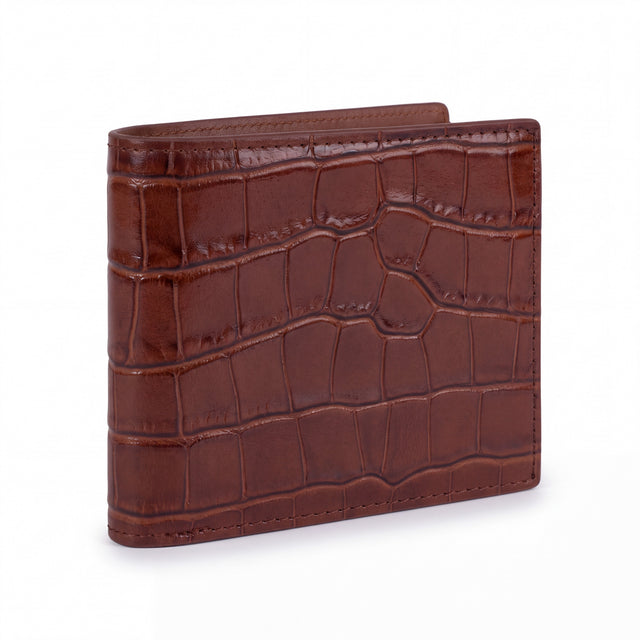


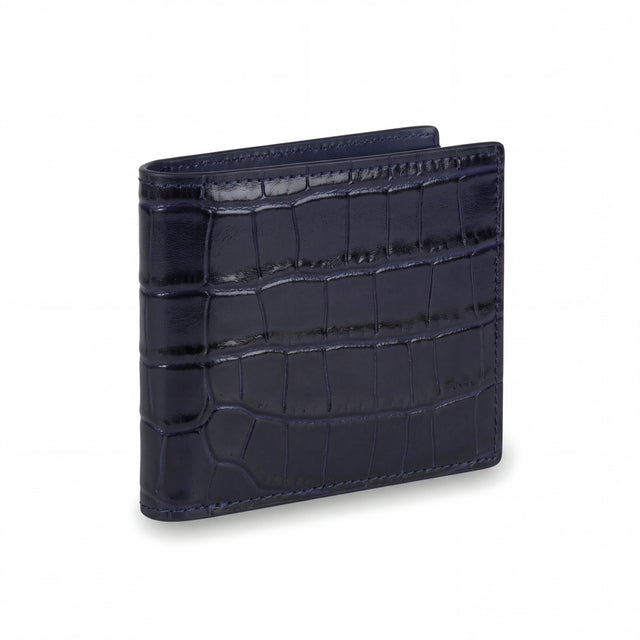


 Save $85 USD
Crocodile Embossed Leather Wallet
- Product Specifications
- GENTCREATE Crocodile Embossed Leather Wallet— The crocodile bifold leather wallet is made from premium calfskin with a crocodile-embossed texture, offering a luxurious and timeless appeal. ,Lightweight , Luxury , Calfskin Leather , 9.5 cm / 3.74 inch x 11.5 cm / 4.52 inch , available in Black, Green, Brown, Burgundy, Navy .
(37)$165 $250 -


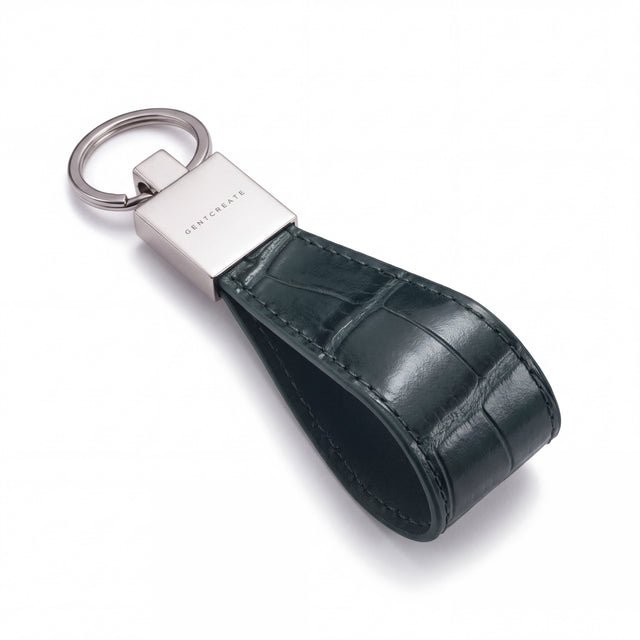


 Save $38 USD
Crocodile Leather Keychain
- Product Specifications
- GENTCREATE Crocodile Leather Keychain— Crocodile Leather Keychain - Leather Accessories For Men and Women Made as a part of our crocodile leather accessories set, this keychain will only improve ,Stainless Steel , Luxury , Calfskin Leather , available in Black, Burgundy, Green, Navy, Brown .
(18)$59 $97 -


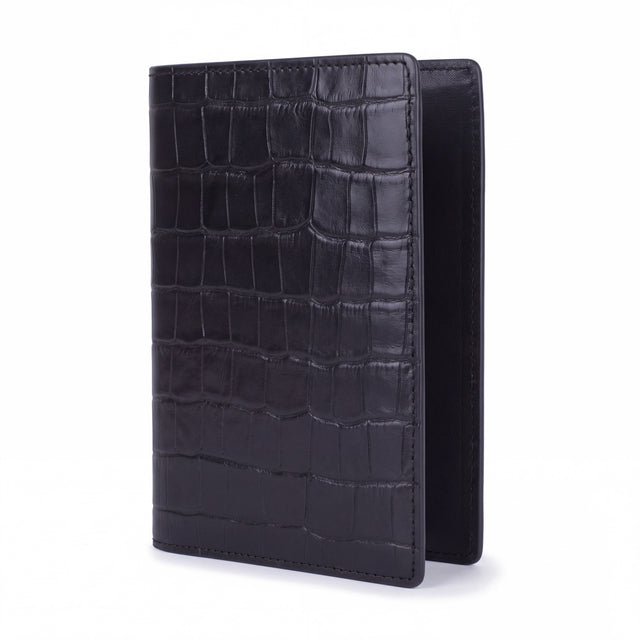


 Save $25 USD
Crocodile Leather Passport Holder
- Product Specifications
- GENTCREATE Crocodile Leather Passport Holder— The perfect companion for your travels, the Crocodile Leather Passport Holder combines elegance and practicality. ,Boarding Pass Pocket and Card Slots , Luxury , Calfskin Leather , 10.6 cm / 4.17 inch x 14.7 cm / 5.8 inches , available in Black, Brown, Navy .
(21)$130 $155 -


 Save $55 USD
Glossy Leather Passport Holder
- Product Specifications
- GENTCREATE Glossy Leather Passport Holder—Boarding Pass Pocket, Nappa Leather Interior , Luxury , Calfskin Leather , 10.6 cm / 4.17 inches x 14.7 cm / 5.8 inches , available in Black, Blue, Burgundy, Green .
(21)$190 $245 -

















 Save $50 USD
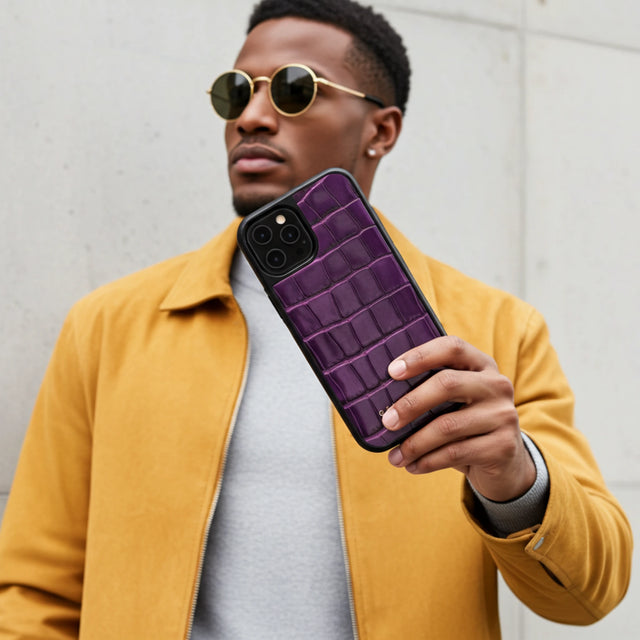
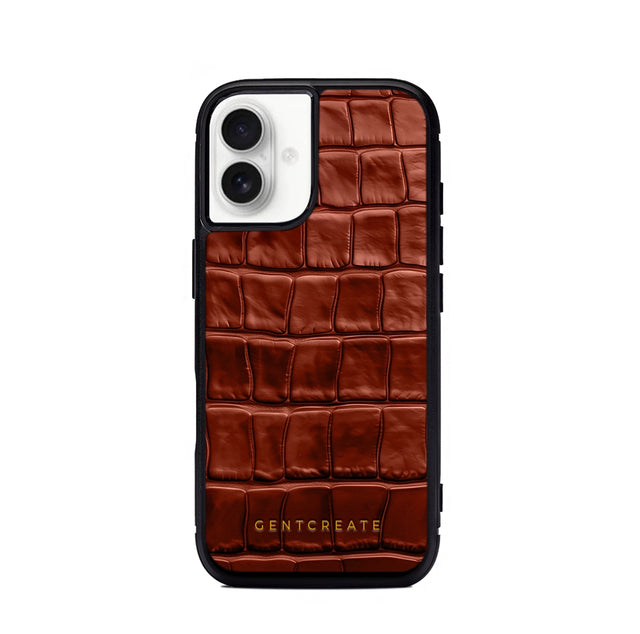
Leather iPhone Case Croco Glossy
- Product Specifications
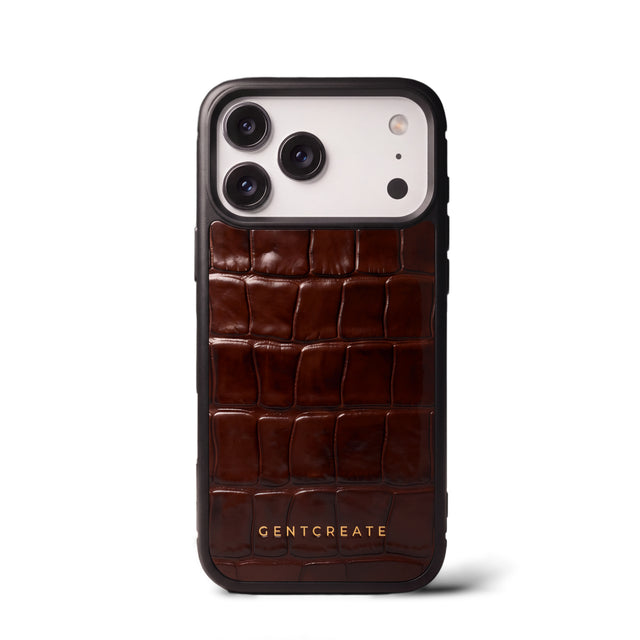
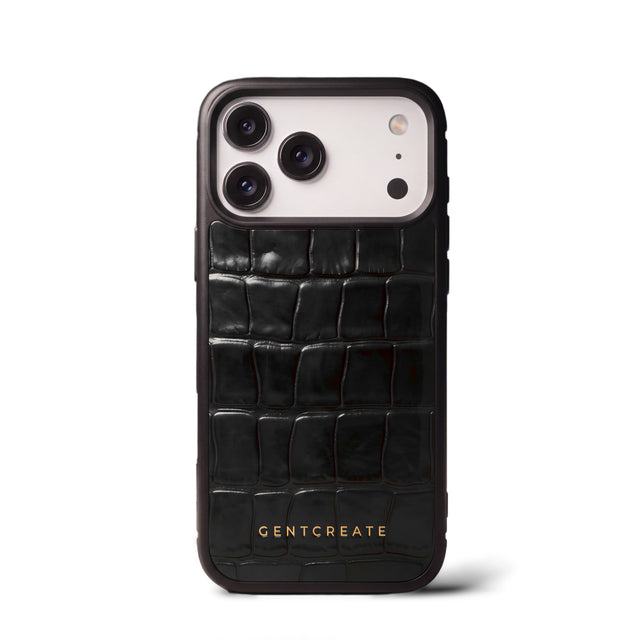
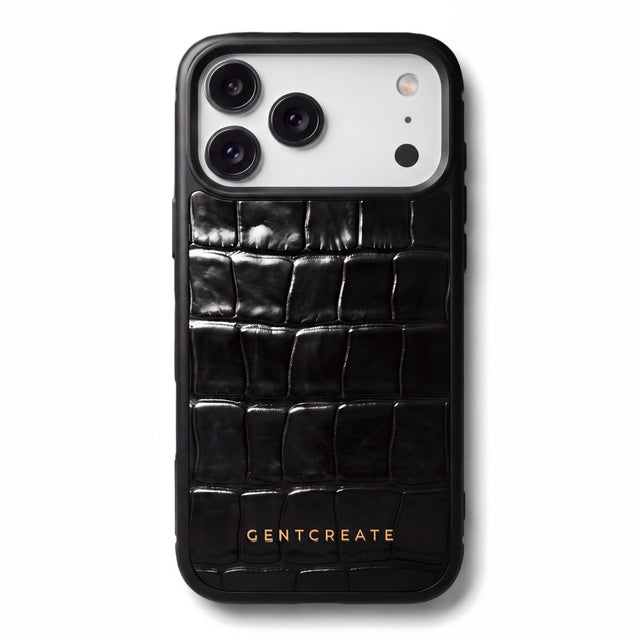
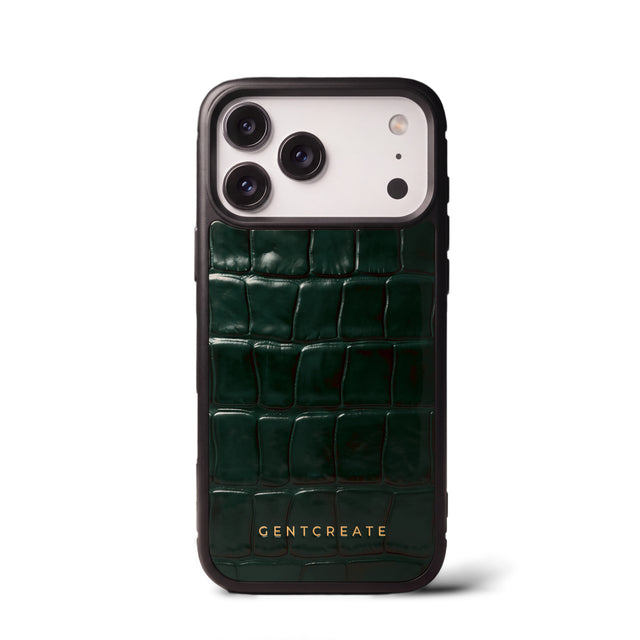
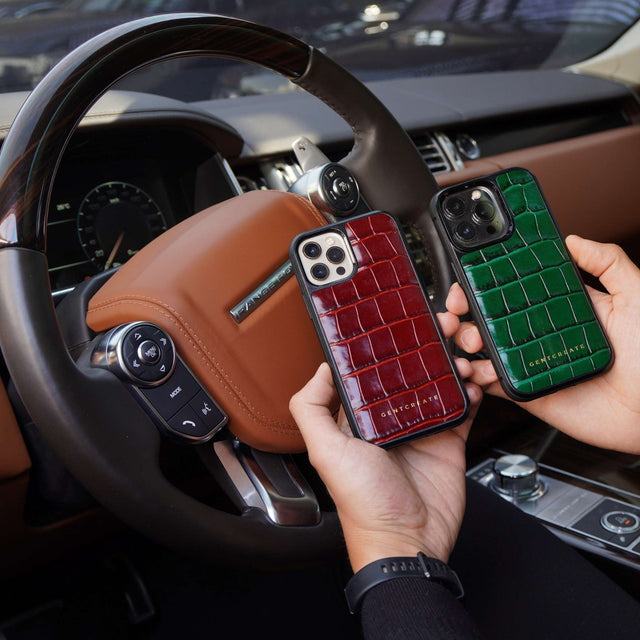
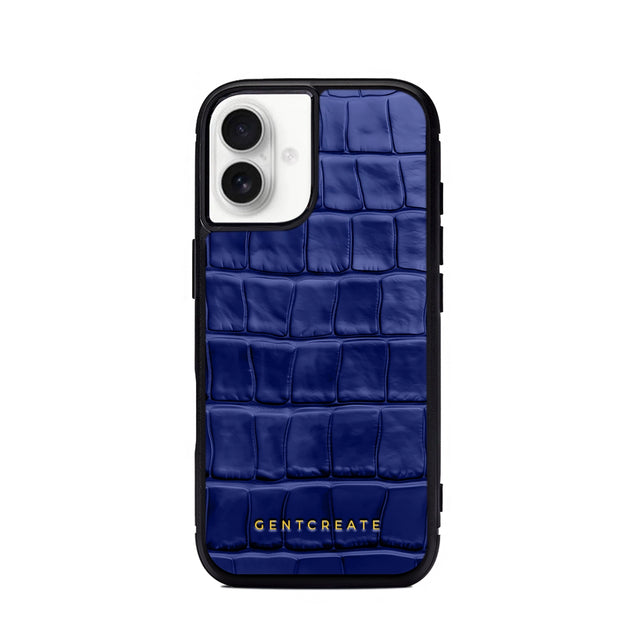
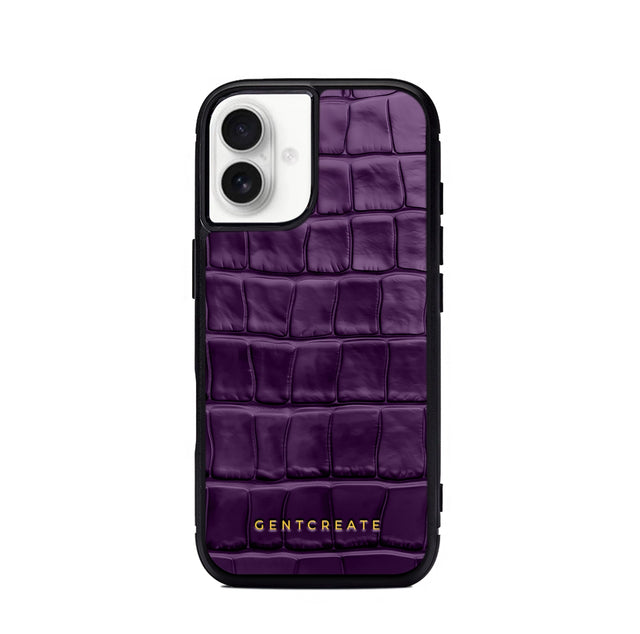
- GENTCREATE Leather iPhone Case Croco Glossy— Premium leather iPhone case with crocodile pattern. Handcrafted Italian calf leather, wireless charging straight through. Fits all recent iPhone models. Shop now. ,Rubber Edge, Raised Camera Edge , Luxury , Calfskin Leather , fits iPhone 18 Pro Max, iPhone 18 Pro, iPhone 18, iPhone 17 Pro Max, iPhone 17 Pro, iPhone 17, iPhone 16, iPhone 16 Pro, iPhone 16 Pro Max, iPhone 15, iPhone 15 Pro, iPhone 15 Pro Max, iPhone 14, iPhone 14 Pro, iPhone 14 Pro Max , available in Glossy Burgundy, Glossy Black, Glossy Green, Glossy Blue, Glossy Magenta, Glossy Brown .
(264)From $65 $115 -





 Clearance Sale
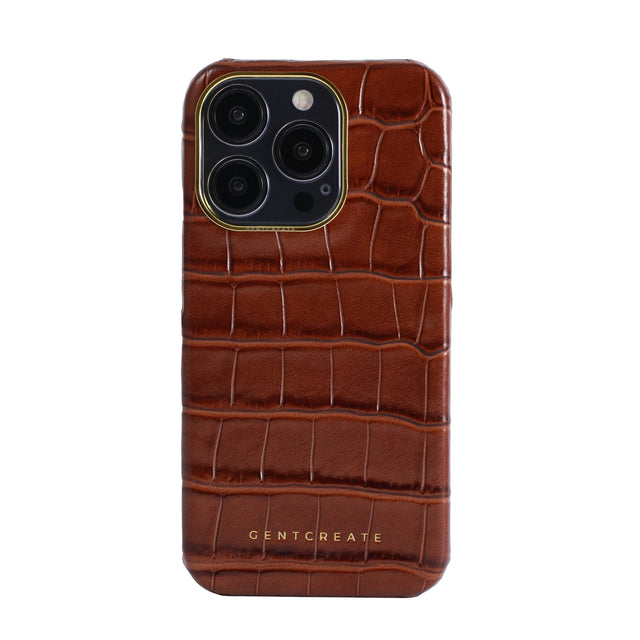
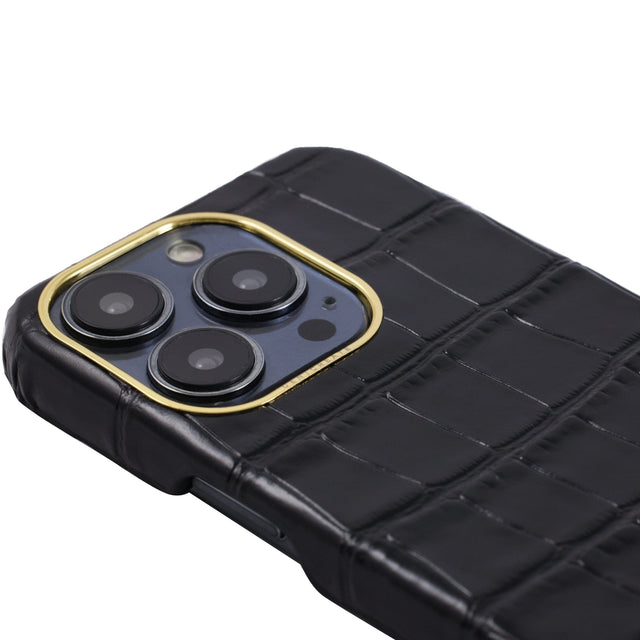
Leather iPhone Case Crocodile Pattern
- Product Specifications
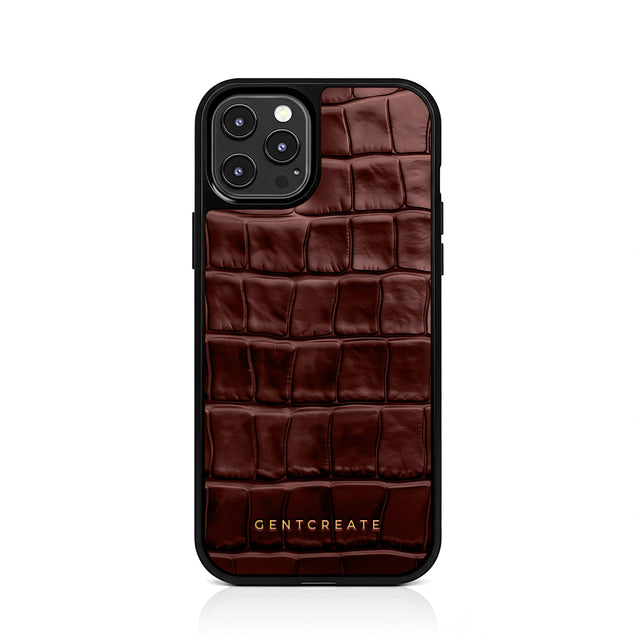
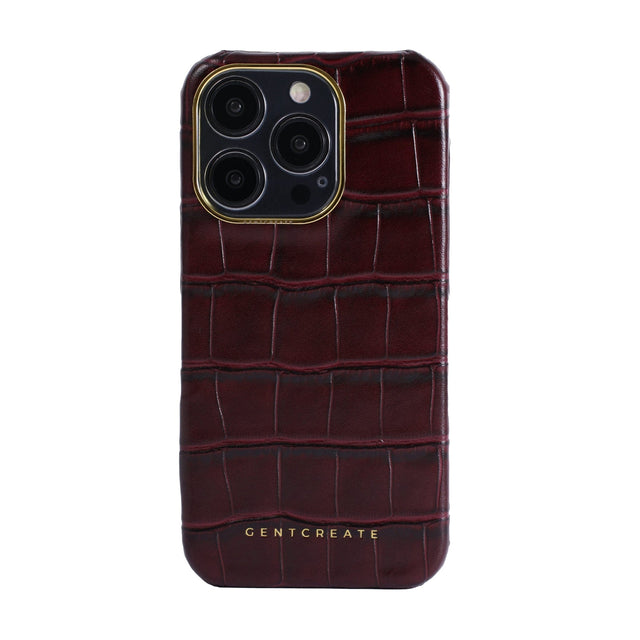
- GENTCREATE Leather iPhone Case Crocodile Pattern— Our classic Leather iPhone Case with a Crocodile Pattern creates a 'classic look' for your iPhone, often preferred by our minimalist-oriented customers. ,Full Pattern Raised Camera Edge , Luxury , Calfskin Leather , fits iPhone 15 Pro Max, iPhone 15 Pro, iPhone 14 Pro Max, iPhone 14 Pro , available in Brown, Green, Black, Burgundy, Dark Navy .
(70)$60 $115


