

A slim wallet is a thinned-down traditional wallet that still folds around bills, a minimalist wallet is designed to carry only what you use, and a card holder is the leanest leather form built almost purely for cards. The three overlap, which is why they get confused, but each answers a different question about how you actually carry. Get the match right and your pocket goes flat; get it wrong and you carry dead weight in fine leather.
A slim wallet trims a traditional wallet down while still holding bills, a minimalist wallet strips carry to its essentials, and a card holder is the leanest form built almost purely for cards.
- Slim wallet: a thinned-down traditional wallet that keeps a fold for bills and a few extra slots, so it bridges full capacity and true minimalism.
- Minimalist wallet: an intent-driven design that holds only what you use daily, usually a handful of cards and folded cash with almost no bulk.
- Card holder: the leanest leather form, roughly 2mm in a full-grain card bay, built for a card-first, cashless routine with up to about 8 slots.
- The carry audit: our house method of laying out everything you carry and removing what hasn't earned its place before you choose a form.
- Front pocket fit: card holders and minimalist wallets sit flat for front-pocket carry, while a folded slim wallet suits those who still need bills on hand.
On our bench, the deciding factor is rarely the name on the page. It is what you set down on the table when you empty your pockets. So before we talk forms, we talk method.
We call it the carry audit: lay out every card, every bill, every receipt and loyalty tag, then remove what has not earned its place in the last month. What survives the audit is your true carry. The form you choose should fit that, not the other way around. This is the minimalist doctrine in practice, the power of clean lines and carrying only what you use.
What exactly is the difference between a slim wallet, a minimalist wallet, and a card holder?
The difference is capacity and intent: a card holder is built for cards, a minimalist wallet for your daily essentials, and a slim wallet for near-full function in a thinner body. Picture a spectrum. At one end sits the card holder, a single leather sleeve with a few slots and nothing more. At the other end sits the traditional bifold or trifold. The slim wallet and the minimalist wallet live in the middle, leaning toward the lean end.
A card holder is the purest expression of the form. Our ultra-slim card holders run about 2mm through a full-grain card bay, with up to roughly 8 slots, and they assume your phone has replaced your cash.
A minimalist wallet keeps that lean profile but adds a touch of versatility, often a center pocket for folded bills or a pull-tab for the cards you reach for least. A slim wallet, by contrast, is a traditional shape that has been engineered down, a bifold or front-pocket fold that still wraps around a stack of cash without the bulk of a legacy wallet.
The failure mode is treating the words as marketing. A "slim" wallet stuffed with twelve cards is no longer slim, and a card holder asked to hold a coin and a key is no longer a card holder. The form only works when your carry respects it.

Is a slim wallet the same thing as a minimalist wallet, or are they different?
They are different: "slim" describes the profile, while "minimalist" describes the philosophy, and the two only sometimes coincide. Slim is a measurement. Minimalist is a decision. A wallet can be thin because it is well constructed yet still designed to hold plenty, and a wallet can be minimalist in intent yet sit a few millimeters thicker because it carries cash by design.
In practice they converge often, which is why the terms blur. Most minimalist wallets are also slim, and most slim wallets lean minimalist. But the distinction matters when you choose.
If you want the thinnest possible object that still does a wallet's job, you are shopping for slim. If you want a wallet that disciplines your carry down to essentials, you are shopping for minimalist. Run the carry audit and the answer usually reveals itself.
The counter-case is the buyer who chooses on the word alone and ignores the build. A slim wallet in bonded or coated leather may measure thin on day one and then crease, peel, and thicken. A minimalist wallet cut from full-grain holds its line and earns a patina instead. The label is not the leather.
How does a card holder differ from a slim wallet in everyday carry?
A card holder commits you to a card-first life with no cash, while a slim wallet keeps a fold for bills so you stay ready for either. This is the cleanest dividing line of the three. The card holder bets that you are cashless. The slim wallet hedges.
When we hand-stitch a card bay for a holder, every millimeter is spent on cards and quick access, often with a pull-tab or a thumb notch to fan the stack. There is no billfold compartment to add depth. That is the trade, and it is a deliberate one.
A slim wallet keeps that billfold, usually a single fold, so a few notes ride alongside the cards. It is thicker than a card holder by the depth of that fold, but it covers the moment a card reader is down or a cash-only counter appears.
The failure mode here is carrying a card holder while still needing cash, then jamming folded bills behind the cards until the sleeves stretch. If cash is part of your week, even occasionally, a slim wallet or a money clip wallet serves you better than forcing a card-only form to do a job it was never cut for.
How many cards and bills does each style actually hold?
Capacity climbs steadily across the three: a card holder takes a few cards, a minimalist wallet a handful plus folded cash, and a slim wallet the most while staying trim. Exact counts depend on leather thickness and slot design, but the working ranges are consistent. Full-grain is firmer than calfskin, so a full-grain holder may run a touch tighter per slot, while a supple Italian calf or Epsom slot eases the squeeze.
For reference, a credit card is about 0.76mm thick, which is why even a thin sleeve adds up fast once you stack five or six. The math is unforgiving, and it is the real reason the carry audit matters more than the label.
| Style | Cards (typical) | Cash | Coins | Profile |
|---|---|---|---|---|
| Card holder | 3 to ~8 | None, or 1 to 2 folded behind | No | Leanest (~2mm bay) |
| Minimalist wallet | 4 to 8 | A few folded notes | Rarely | Very slim |
| Slim wallet | 6 to 10 | A small folded stack | No | Slim |
| Traditional bifold | 6 to 10 | Full billfold | No | Full |
| Traditional trifold | 10 to 12 | Full billfold | Sometimes | Fullest |
Read the table as a guide, not a ceiling. The honest number for any form is the number it holds while still closing flat and sliding cleanly into a pocket. Once a card holder fans open or a slim wallet bulges at the fold, you have passed its real capacity regardless of how many slots it has.

Which style fits comfortably in a front pocket for a cashless, card-first lifestyle?
For a front pocket and a cashless routine, a card holder fits best, with a minimalist wallet a close second. Both are cut to sit flat against your leg and disappear in a front pocket, which is the whole point of carrying lean. The card holder wins on sheer thinness; the minimalist wallet wins if you still want a few bills along for the ride.
We call the test for this the front-pocket test: the wallet should slide in and out one-handed, lie flat when you sit, and never print a hard rectangle through the fabric. A card holder in full-grain or Saffiano passes this cleanly because there is nothing inside it to bunch.
Moving to a front pocket is also better for your body over time. A thick wallet in a back pocket tilts your hips when you sit, which is the mechanism behind the discomfort we cover in whether sitting on your wallet causes back pain. The card-first carry is the natural fix.
The failure mode is choosing the thinnest sleeve, then over-filling it because it "still zips into the pocket." A card holder packed past its fan point defeats the front-pocket test as surely as a traditional wallet does. Lean only stays lean if you keep it lean.

Which wallet style is best if you still carry cash, coins, or a lot of cards?
If you carry cash, coins, or a deep card stack, step up to a slim wallet or a traditional fold rather than forcing a card holder to stretch. Minimalism is about carrying only what you use, and if you genuinely use cash and coins, then a form that holds them is the minimalist choice for you. The doctrine is about honesty, not deprivation.
For a real cash habit, a slim bifold or a money clip wallet keeps notes secure and accessible while staying far trimmer than a legacy wallet. For coins, you are looking at a zip-around or a dedicated coin pocket, since no card-first form handles loose change well.
For a large card count, a slim wallet with stacked and quick-access slots, or a trifold, gives you the room without the spillage. The choice between folds is its own decision, which we lay out in bifold vs trifold.
The counter-case is the buyer who admires the look of a card holder and buys it despite a wallet full of cash. Within a week the leather is straining and the cards are bowed. Buy for your carry, not for the photograph.
How do slim, minimalist, and traditional leather wallets compare on bulk, durability, and price?
Bulk rises from card holder to traditional, durability tracks the leather grade more than the form, and price follows construction and material rather than size. A common assumption is that smaller means cheaper. It does not. A hand-stitched full-grain card holder can cost as much as a larger wallet because the work and the material set the price, not the square inches of leather.
Durability is a function of the cut. Full-grain is the most durable leather and develops a patina as it ages, which is why we favor it across forms. Top-grain is smoother and a little more uniform; calfskin and Italian calf bring suppleness; Saffiano and Epsom add a structured, scratch-resistant finish. The form does not make a wallet last, the grain and the stitching do.
| Factor | Card holder | Slim / minimalist | Traditional |
|---|---|---|---|
| Bulk in pocket | Lowest | Low | Highest |
| Best pocket | Front | Front | Back or jacket |
| Durability driver | Leather grade + stitch | Leather grade + stitch | Leather grade + stitch |
| What sets price | Material + handwork | Material + handwork | Material + handwork |
| Cash handling | Minimal | Some | Full |
For a fuller breakdown of what actually drives the number on the tag, see our leather wallet cost and value guide. The short version: judge a wallet by its grain, its stitching, and how it holds your true carry, not by its footprint.

How does GENTCREATE craft slim, minimalist, and traditional leather wallets to match how you carry?
We craft each form around the carry audit, choosing the leather and the slot layout to fit how you actually carry rather than offering one shape for everyone. As the maker, we control every stitch, fold, and cut, so quality is a process choice rather than a price tier. Buying direct from us means atelier-level work without the middleman markup.
When we hand-stitch a card holder, we tune the bay to about 2mm in full-grain so the cards seat and release cleanly. For a slim or minimalist wallet, we shape the billfold and slots so the wallet closes flat at your real card count. Across the line you will find full-grain, top-grain, calfskin, Italian leather, Saffiano, Epsom, and embossed crocodile and lizard finishes, plus RFID-protected styles where offered and a sustainable gift box with every piece.
If your audit lands on card-first, our minimalist leather wallets for men and women are cut for exactly that. If you want the trimmest version of a real wallet that still carries bills, start with the slim leather wallets collection. For anyone weighing a wallet against a phone-attached option, our guide on a phone wallet case versus a separate wallet helps you decide.

Your slim vs minimalist vs card holder checklist
Decide on cash first, then match the form to your real card count: none points to a card holder, some to a minimalist, and a genuine habit to a slim wallet or fold.
- Do the carry audit. Empty your pockets, remove anything unused in a month, count what remains.
- Count your real cards. Match the number to the capacity table, not to the maximum slot count.
- Decide on cash. None means a card holder; some means minimalist or slim; a real habit means slim or a fold.
- Check coins. If you carry change, look at a zip-around, not a card-first form.
- Apply the front-pocket test. It should lie flat, slide one-handed, and print no hard edge.
- Buy the grain, not the label. Full-grain or top-grain for longevity; supple calf or structured Saffiano and Epsom by preference.
- Confirm features you need. RFID-protected styles where offered; free shipping and the sustainable gift box come standard.
Frequently asked questions
These answers settle the questions buyers raise most when choosing between a slim wallet, a minimalist wallet, and a card holder.
Is a card holder enough to replace my wallet? A card holder replaces your wallet if your carry audit shows you live card-first with little or no cash. It holds a few to roughly 8 cards in an ultra-slim profile and assumes your phone covers payments. If you still need bills or coins regularly, a slim or minimalist wallet serves you better.
What is the real difference between slim and minimalist? Slim describes how thin the wallet is, while minimalist describes a design built to carry only your essentials. They overlap constantly, since most minimalist wallets are slim. The distinction matters at the margins: choose slim for the thinnest object, minimalist for the most disciplined carry.
Will a slim leather wallet last as long as a traditional one? Yes, a slim leather wallet lasts as long as a traditional one when it is cut from the same quality leather. Longevity comes from the grain and the stitching, not the size. A hand-stitched full-grain slim wallet ages and patinas just like a larger full-grain piece.
Which style is best for a front pocket? A card holder is best for a front pocket, with a minimalist wallet close behind. Both lie flat and pass our front-pocket test, sliding in one-handed and printing no hard rectangle. Moving carry to the front also avoids the uneven sitting posture a thick back-pocket wallet creates.
Do these wallets come with RFID protection? RFID protection is available on the styles that offer it, rather than across every wallet. Check the individual style if contactless-card shielding matters to you. Where it is offered, it is built in without adding meaningful bulk to the slim profile.
How many cards should I really carry? Carry only the cards you use, which the carry audit usually narrows to a handful. Most people find four to eight cards covers daily life once they remove duplicates and dormant loyalty cards. Match that honest number to the form, and your wallet stays flat.
Whatever your audit reveals, there is a form cut to fit it. Start with the slim or minimalist collection and let your true carry choose the wallet.
-
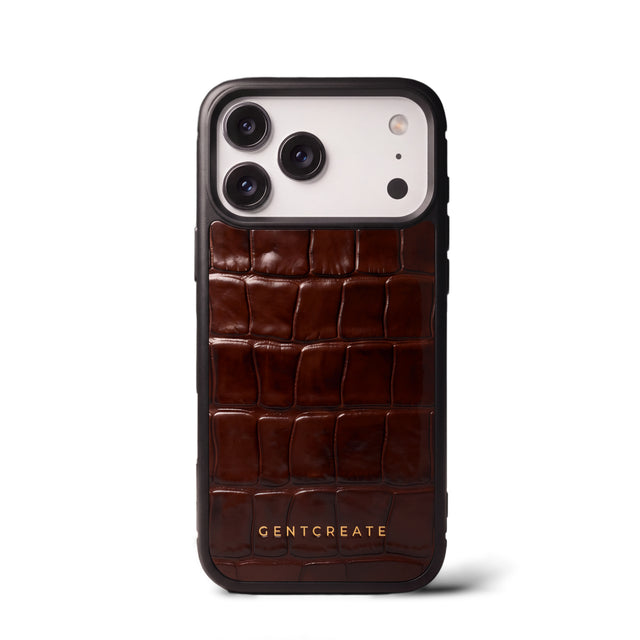


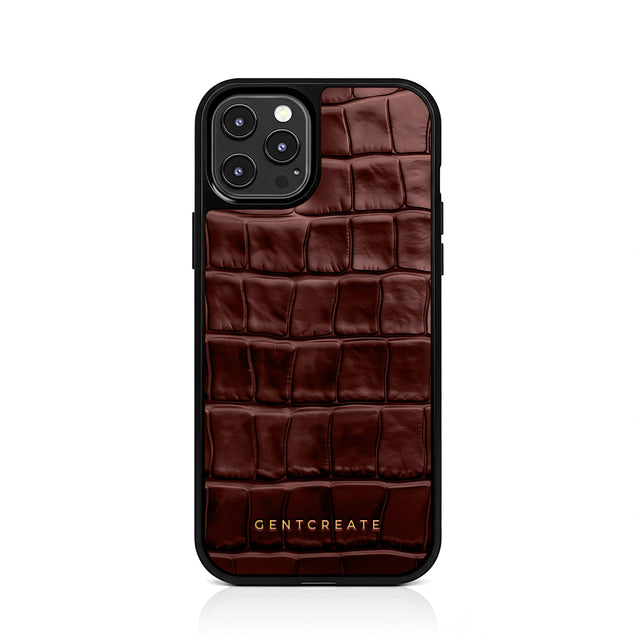


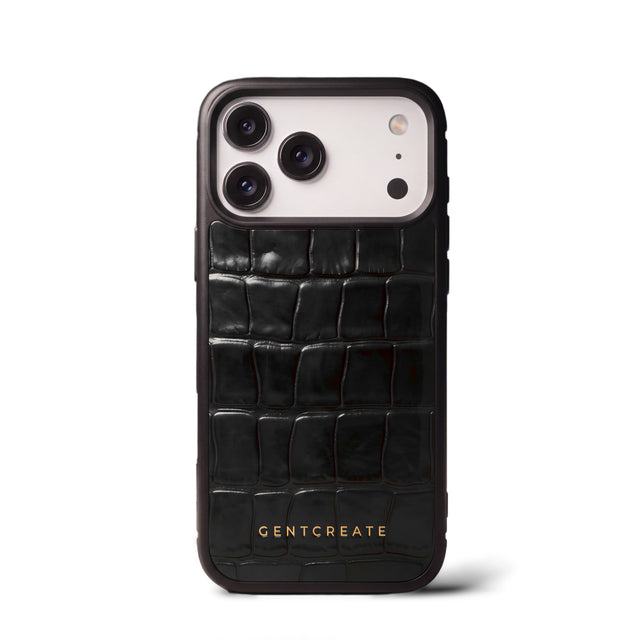

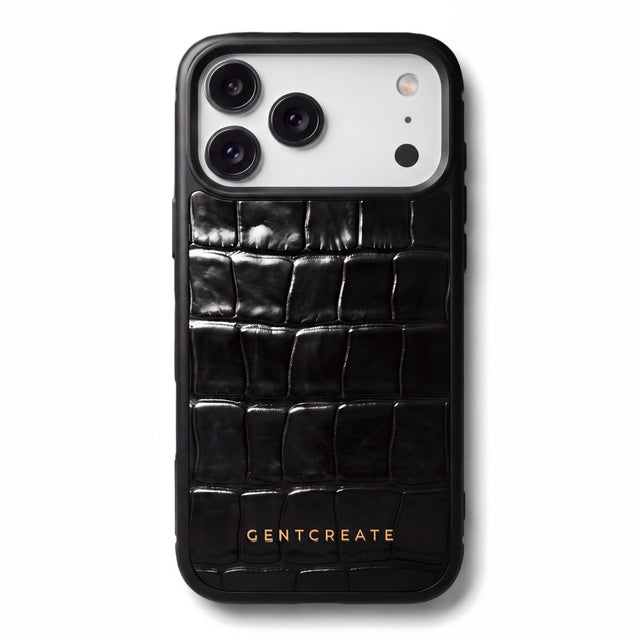


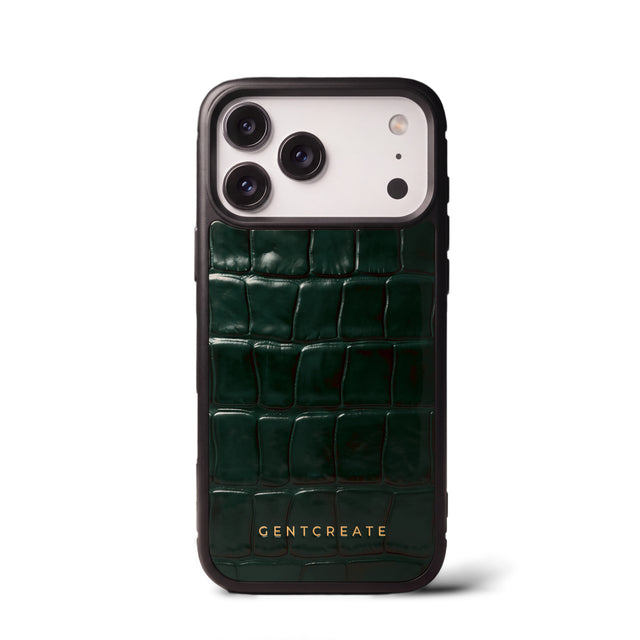


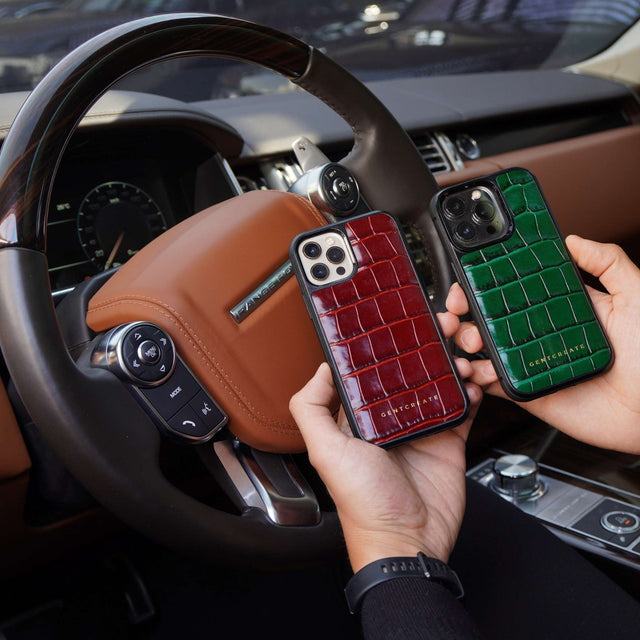


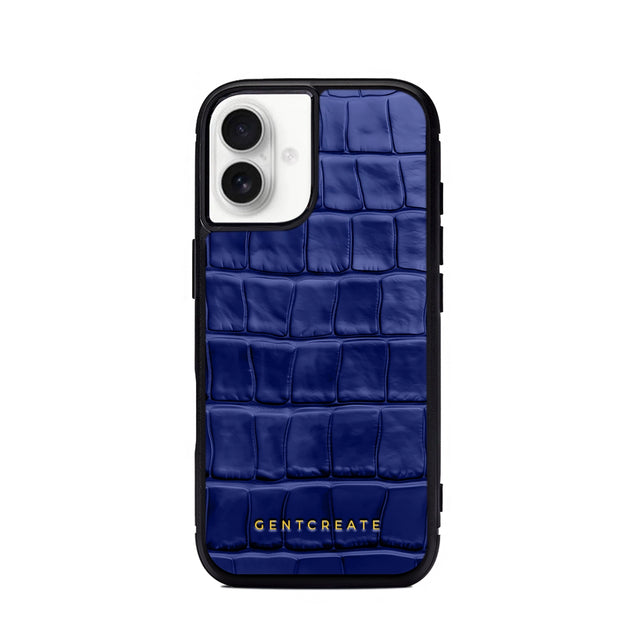


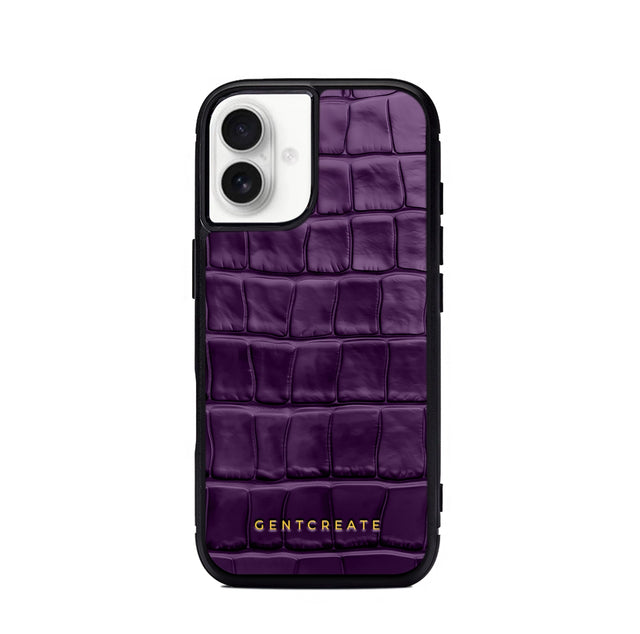




 Save $50 USD
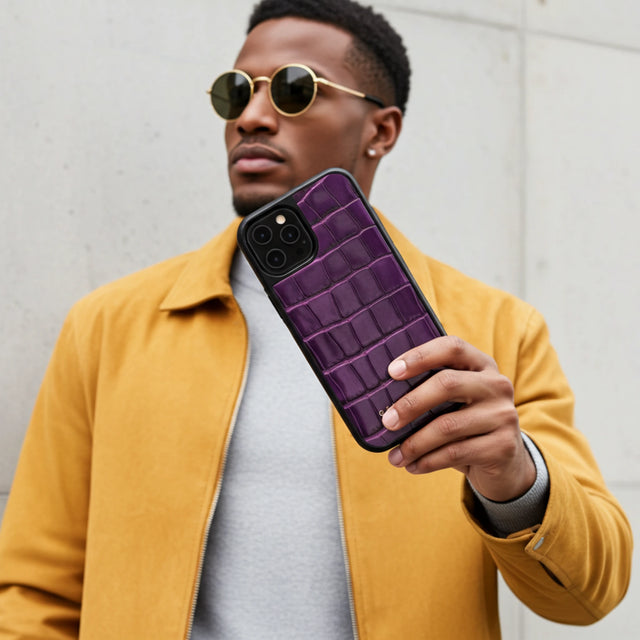
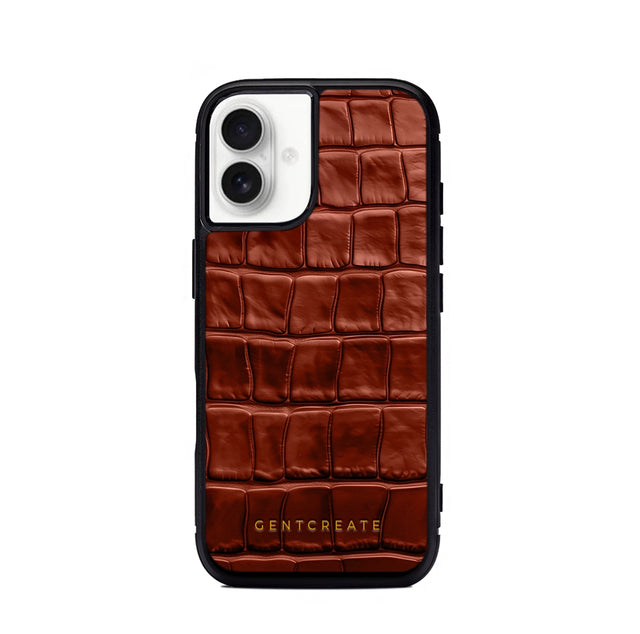
Leather iPhone Case Croco Glossy
- Product Specifications
- GENTCREATE Leather iPhone Case Croco Glossy— Premium leather iPhone case with crocodile pattern. Handcrafted Italian calf leather, wireless charging straight through. Fits all recent iPhone models. Shop now. ,Rubber Edge, Raised Camera Edge , Luxury , Calfskin Leather , fits iPhone 18 Pro Max, iPhone 18 Pro, iPhone 18, iPhone 17 Pro Max, iPhone 17 Pro, iPhone 17, iPhone 16, iPhone 16 Pro, iPhone 16 Pro Max, iPhone 15, iPhone 15 Pro, iPhone 15 Pro Max, iPhone 14, iPhone 14 Pro, iPhone 14 Pro Max , available in Glossy Burgundy, Glossy Black, Glossy Green, Glossy Blue, Glossy Magenta, Glossy Brown .
(264)From $65 $115 -



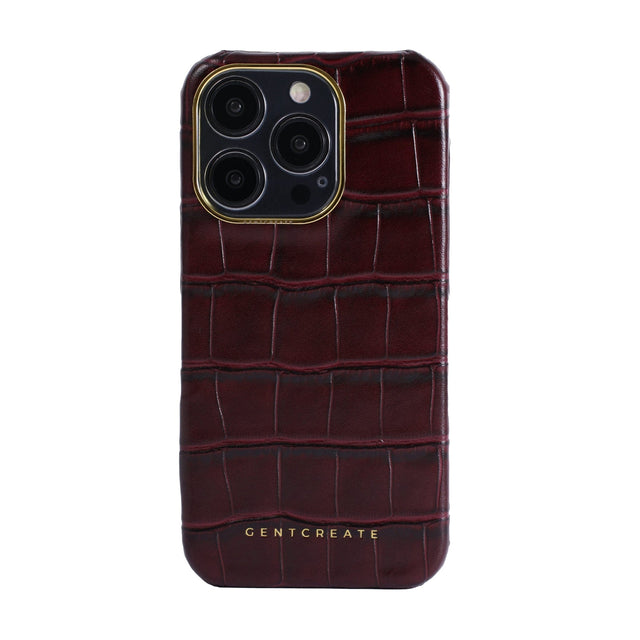


 Clearance Sale
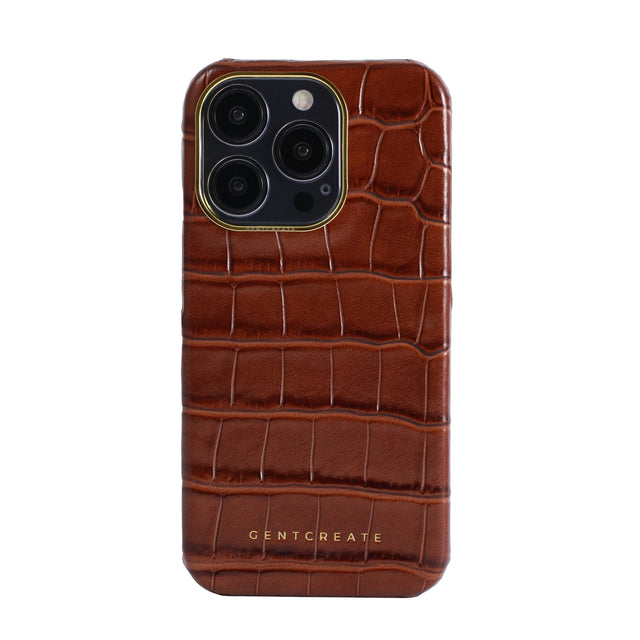
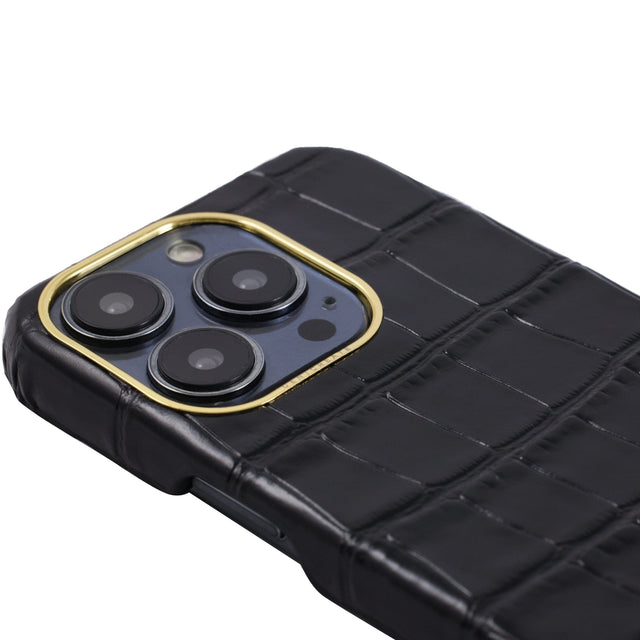
Leather iPhone Case Crocodile Pattern
- Product Specifications
- GENTCREATE Leather iPhone Case Crocodile Pattern— Our classic Leather iPhone Case with a Crocodile Pattern creates a 'classic look' for your iPhone, often preferred by our minimalist-oriented customers. ,Full Pattern Raised Camera Edge , Luxury , Calfskin Leather , fits iPhone 15 Pro Max, iPhone 15 Pro, iPhone 14 Pro Max, iPhone 14 Pro , available in Brown, Green, Black, Burgundy, Dark Navy .
(70)$60 $115 -


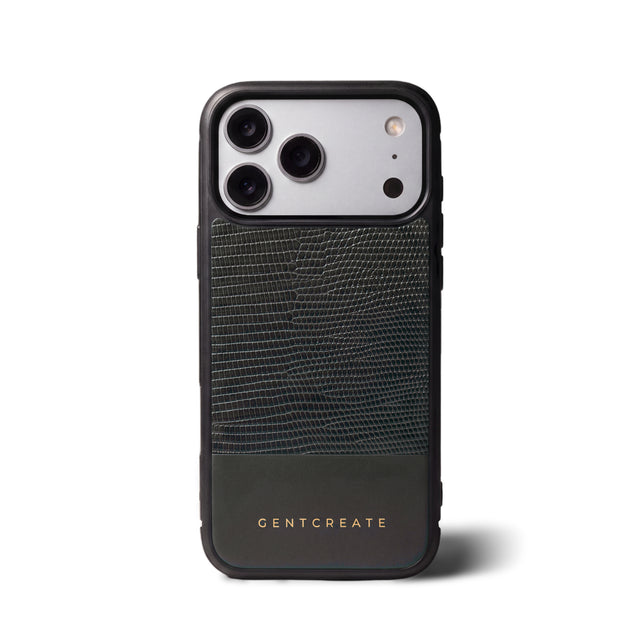


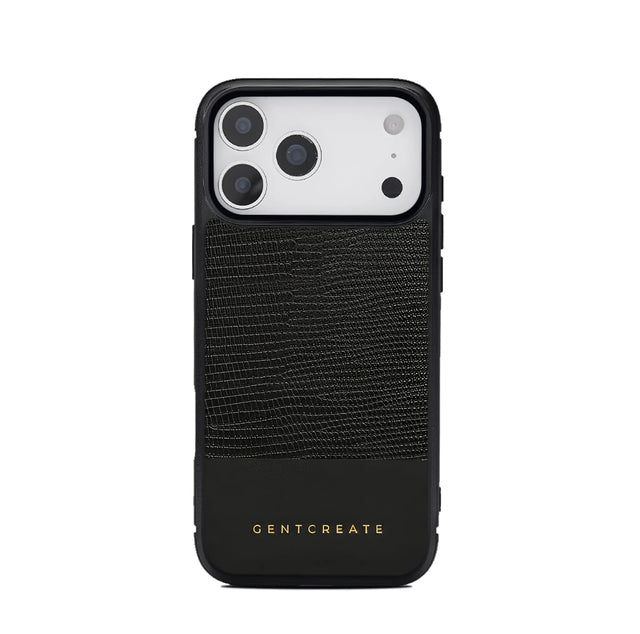


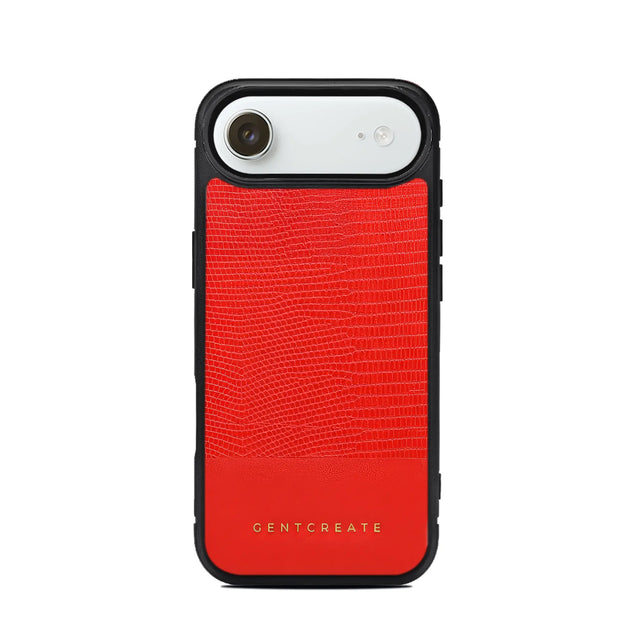


 Save $19 USD
Leather iPhone Case Lizard Pattern
- Product Specifications
- GENTCREATE Leather iPhone Case Lizard Pattern— Leather iPhone Case Lizard Pattern - Luxury Minimalistic Phone Case Our Lizard Leather iPhone case from Gentcreate is the perfect blend of style and ,Rubber Edge, Raised Camera Edge , Luxury , Calfskin Leather , fits iPhone 18 Pro Max, iPhone 18 Pro, iPhone 18, iPhone 17 Pro Max, iPhone 17 Pro, iPhone 17, iPhone 16 Pro Max, iPhone 16 Pro, iPhone 16, iPhone 15 Pro Max, iPhone 15 Pro, iPhone 15, iPhone 14 Pro Max, iPhone 14 Pro, iPhone 14 , available in Gray, Black, Orange, Green, Red, Yellow .
(46)From $79 $98 -









 Save $9 USD
Leather iPhone Case Pebble Pattern
- Product Specifications
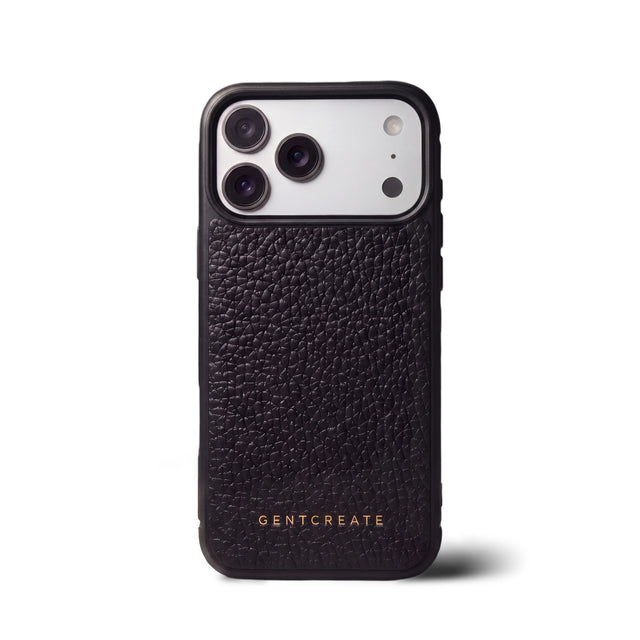
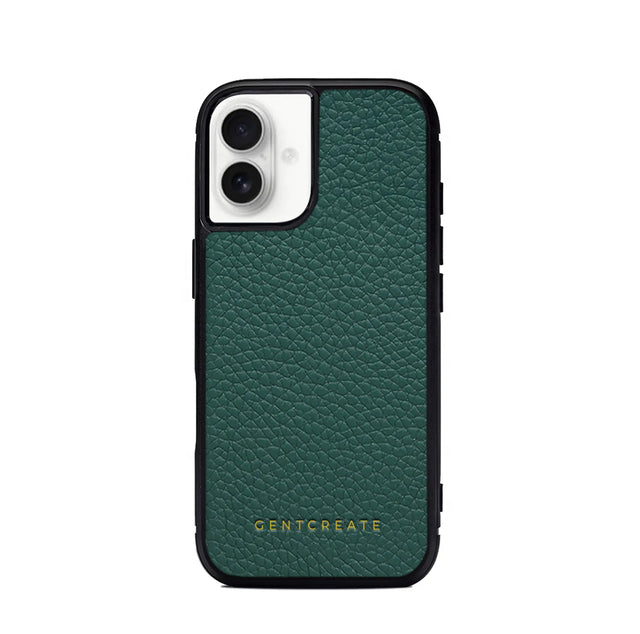
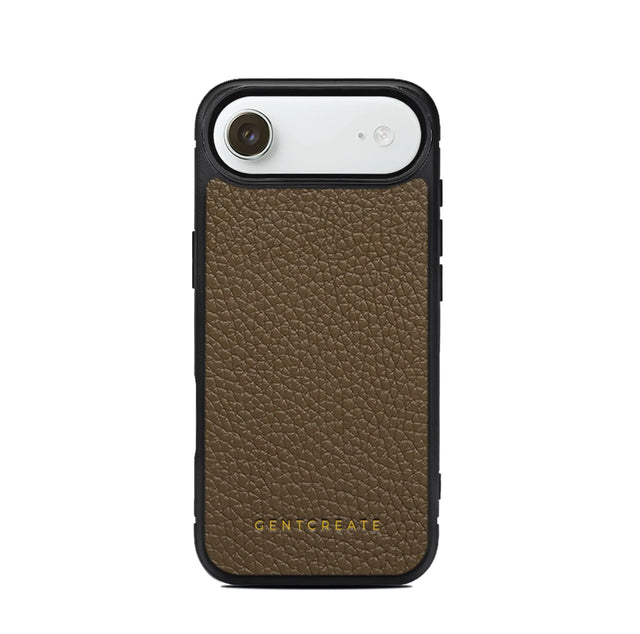
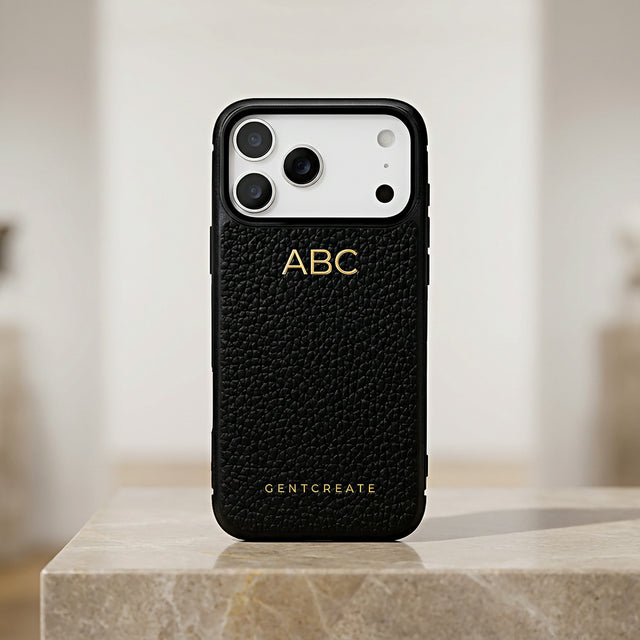
- GENTCREATE Leather iPhone Case Pebble Pattern— Handmade Leather iPhone Case with a Pebbled Pattern This handmade Leather iPhone Case with a distinct pebble pattern is a really good value price purchase ,Rubber Edge, Raised Camera Edge , Luxury , Calfskin Leather , fits iPhone 18 Pro Max, iPhone 18 Pro, iPhone 18, iPhone 17 Pro Max, iPhone 17 Pro, iPhone 17, iPhone 16 Pro Max, iPhone 16 Pro, iPhone 16, iPhone 15 Pro Max, iPhone 15 Pro, iPhone 15, iPhone 14 Pro Max, iPhone 14 Pro, iPhone 14 , available in Navy, Black, Green, Brown, Khaki .
(29)From $65 $74 -


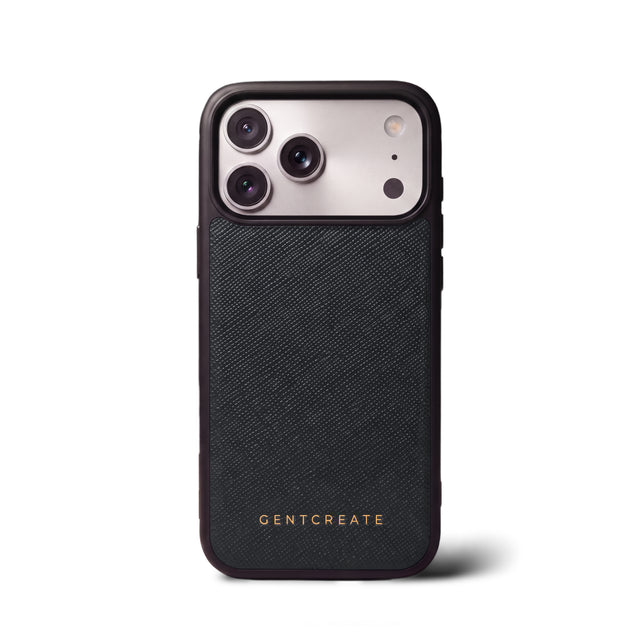


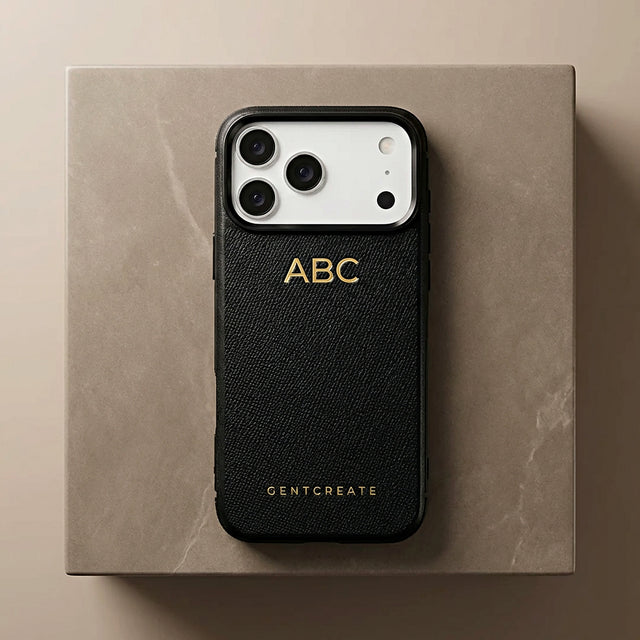


 Save $16 USD
Leather iPhone Case Saffiano Pattern
- Product Specifications
- GENTCREATE Leather iPhone Case Saffiano Pattern— Uniquely Designed Contemporary Genuine Leather iPhone Case by Gentcreate Looking for a luxury leather iPhone case that will keep your device safe and ,Non-Slip, Gritty Feel, Raised Camera Edge , Luxury , Calfskin Leather , fits iPhone 18 Pro Max, iPhone 18 Pro, iPhone 18, iPhone 17 Pro Max, iPhone 17 Pro, iPhone 17, iPhone 16 Pro Max, iPhone 16 Pro, iPhone 16, iPhone 15 Pro Max, iPhone 15 Pro, iPhone 15, iPhone 14 Pro, iPhone 14 Plus, iPhone 14 Pro Max, iPhone 14 , available in Navy, Black .
(60)From $59 $75 -
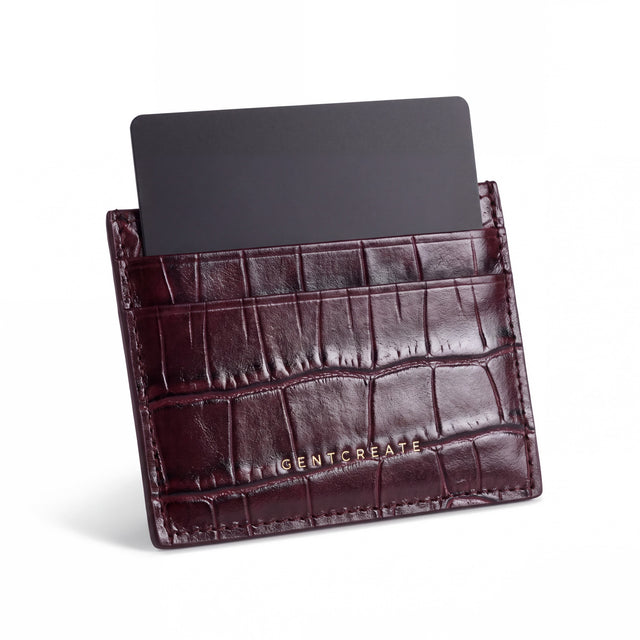


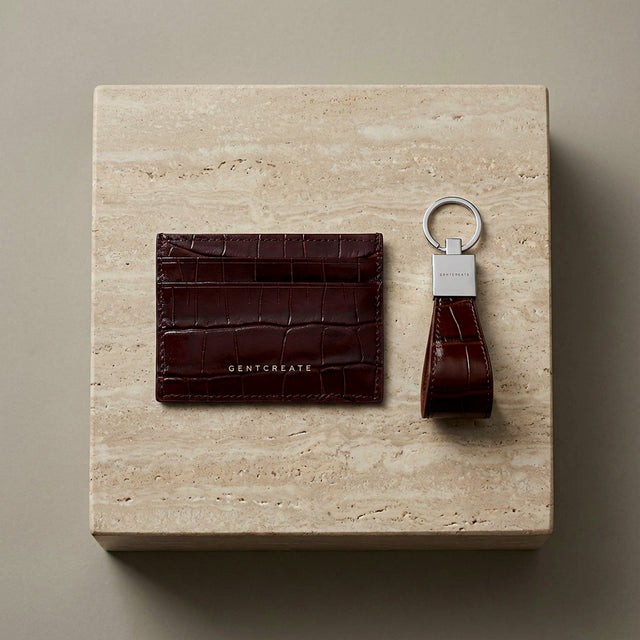


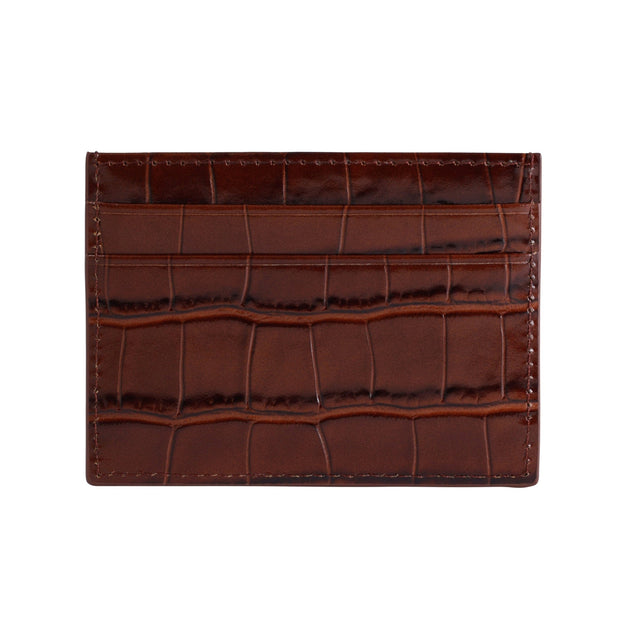


 Save $50 USD
Crocodile Embossed Leather Cardholder
- Product Specifications
- GENTCREATE Crocodile Embossed Leather Cardholder— Our Crocodile Embossed Leather Cardholder is made with premium calfskin leather with an embossed crocodile pattern, it features four card slots and a central ,Lightweight , Luxury , Calfskin Leather , 7.3 cm / 2.87 inch x 10.3 cm / 4,52 inch , available in Black, Burgundy, Green, Navy, Brown .
(47)$130 $180


