

A clutch is a handheld evening accessory you grip or tuck under your arm, a wristlet is a small zip pouch with a strap that loops over your wrist for hands-free carry, and a continental wallet is a long, structured leather wallet built to hold flat bills, a full run of cards, and coins as your daily organizer. The three overlap enough to confuse a buyer, yet each one answers a different question about your day.
A clutch is a handheld evening accessory you grip or tuck under your arm, a wristlet is a small zip pouch with a strap that loops over your wrist for hands-free carry, and a continental wallet is a long, structured leather wallet built to hold flat bills, a full run of cards, and coins as your daily organizer.
- Clutch carries occasion: a flat, handheld leather case for evenings when you want a phone, a card, and a key, nothing more.
- Wristlet carries freedom: a compact zip pouch on a wrist strap, anchored with reinforced stitching, that keeps your hands open while holding the daily essentials.
- Continental carries order: a long, full-grain wallet that lays bills flat and lines up a full run of cards, trading the pocketable bulk of a bifold for uncreased capacity.
- The Carry Window test decides for you: name where you're going, what must come, and what your hands need to do, and the right format reveals itself.
- Capacity climbs from clutch to wristlet to continental: pick the smallest form that still holds tomorrow's actual carry, not your imagined maximum.
On our bench we settle that confusion with one practice we call the Carry Window, a quick read of where you're going, what truly has to come along, and what your hands need to be free to do. Name those three things and the right format stops being a guess. The clutch, the wristlet, and the continental are not rivals; they are three answers to three different windows.
This guide walks each format on its own terms, then lines them up so you can choose with confidence. We design and hand-stitch all three in full-grain and Italian leather, finished by our own makers, so the comparisons below come from the bench, not a catalog.
What is the difference between a clutch, a wristlet, and a continental wallet?
The difference is how you hold it, how much it holds, and the moment it was made for. A clutch is held in the hand; a wristlet hangs from the wrist; a continental wallet folds shut and lives in a bag or a coat pocket. That single distinction (your hand, your wrist, your bag) predicts almost everything else about each piece.
The clutch is an occasion object. You carry it because the night calls for less, and because a handheld leather case finishes an outfit the way a folded bag never could.
The wristlet trades the open hand for a free one, so the pouch dangles while you pour coffee, hold a rail, or carry a child. It is the in-between size: more than a card holder, less than a bag.
The continental wallet is the workhorse, structured enough to act as the spine of your everyday carry. Where buyers slip is treating all three as interchangeable: reaching for a continental at a black-tie evening, or a clutch on a travel day, then resenting the wallet for being honest about what it is.
What exactly is a continental wallet and what is it designed to carry?
A continental wallet is a long, rectangular leather wallet sized to hold banknotes unfolded, with a row of card slots, a bill compartment, and usually a zip or snap coin pocket. The name describes its proportions: it runs the length of a folded bill rather than folding the bill in half the way a bifold does. That length is the whole point, and the trade-off behind it.
A bifold or a zip-around folds the bill in half to ride flat in a pocket, which keeps the wallet compact but presses a permanent crease into your cash and your cards over months of carry. A zip-around adds a perimeter zip that secures everything but rounds the profile and adds bulk in the hand. The continental refuses both compromises: it stays long and slim so nothing creases, but it asks for a bag or a coat pocket in return, because it will not disappear into a front jeans pocket the way a slim bifold does. That is the structural bargain: uncreased order and full capacity in exchange for a larger footprint.
Because nothing gets folded, a continental keeps cash crisp and cards organized in a way compact wallets can't. Expect a long run of card slots (our continental and long styles carry up to around eight cards, lying flat and legible) plus a full-width bill bay and a dedicated place for coins or receipts. It is the format for the person who actually carries cash, a membership card, a transit pass, and an ID, and wants all of it visible at a glance.
When we hand-stitch a continental on the bench, the structure is the craft: a long wallet has to hold its shape across its whole length, so the leather choice and the edges matter. We burnish and finish the long outer edges so they resist fraying where the wallet flexes open and shut, and full-grain earns its keep here, taking a patina along the spine where your thumb opens it, while a Saffiano or Epsom face stays crisp for a more formal look. If you want the deeper argument for the long format, our guide to what a long wallet is and who should carry one covers it in full, and you'll find roomy options in the Large Leather Wallets collection.
One honest caveat: a continental is too much wallet for a minimalist who carries three cards and pays by phone. Buy it for genuine capacity, not for the look of capacity.

What defines a clutch wallet and when do you carry it?
A clutch wallet is a slim, handheld leather case with no strap and no handle; you hold it, tuck it under your arm, or set it on the table. It is defined by subtraction. Where a continental adds slots and a coin zip, the clutch removes everything that isn't essential to an evening out.
You carry a clutch when the occasion edits your carry for you. A dinner, a wedding, an event where a full bag would feel like luggage and a card holder would feel unfinished. Inside, you want a phone, one or two cards, a slim cash fold, a key, and perhaps a lipstick, and that is the design's honest ceiling.
The line between a clutch and an evening bag is real, and it trips people up. A clutch is meant to be held, not slung, which keeps it closer to a wallet than to a purse. We draw that line carefully in our breakdown of wallet vs purse vs clutch, which is worth a read if you keep using the words interchangeably.
On our bench, the clutch is where finish shows hardest, because you hold it in plain view all night. Crocodile-embossed or lizard-embossed calfskin reads as quiet luxury under low light; a clean full-grain panel reads as restraint. Overload it, though, and the flat, composed line that justified choosing it disappears: a stuffed clutch is no longer a clutch.
What is a wristlet and how does the wrist strap change how you use it?
A wristlet is a compact zip pouch with a short strap that loops over your wrist, so you carry your essentials hands-free without committing to a full bag. The strap is not a decoration. It changes the entire relationship between you and the pouch, because the wristlet rides with you instead of occupying a hand.
That one detail makes the wristlet the most practical of the three for motion. School run, market, quick errand, festival, travel layover: anywhere you need a phone, cards, cash, and a key but also need your hands. The top zip matters as much as the strap: it lets you stuff the pouch a little fuller than a clutch and still trust nothing falls out. Because the whole pouch hangs from that single attachment point, we reinforce the strap anchor with extra stitching where it meets the body, so the joint that takes all the swinging weight is the part built to outlast the rest.
Capacity sits between the clutch and the continental. A wristlet typically swallows a phone, a small stack of cards, folded cash, lip balm, and keys. Many of ours pair an interior card bay with RFID-protected slots on the styles that offer it, so the cards you tap stay shielded while they ride on your wrist through a crowd.
Read the strap and zip for what they are, though: casual and useful, which is exactly wrong for black tie. Carry the wristlet for the day that keeps moving, and reach for the clutch when the day stops to be photographed.
How do the size and capacity of a clutch, wristlet, and continental wallet compare?
Capacity climbs steadily from clutch to wristlet to continental, while portability moves the other way: the more it holds, the less it disappears. Each step up adds room and structure and asks a little more of your bag or your hand in return. Here is how the three line up across the things that actually decide a purchase.
| Feature | Clutch | Wristlet | Continental wallet |
|---|---|---|---|
| How you carry it | In hand or under arm | Looped on the wrist | Inside a bag or coat pocket |
| Closure | Flap, snap, or open top | Top zip | Zip-around, snap, or fold |
| Phone? | Usually yes | Yes | No (cards and cash only) |
| Card capacity | 1 to 3 cards | A small stack | A long run of slots, up to ~8 |
| Cash | A slim fold | Folded bills | Flat, uncreased bills |
| Coins | Rarely | Sometimes | Dedicated coin pocket |
| Best moment | Evenings, events | Errands, travel, on the move | Daily organization |
| RFID-protected option | On select styles | On select styles | On select styles |
A credit card is about 0.76 mm thick, which is why card count is the honest measure of capacity rather than slot count alone: eight cards in a bay built for six turns slim into bulky fast. A continental gives those cards room to lie flat; a clutch deliberately refuses them the room. If your debate is really about how a closure changes a wallet's bulk and feel, our zip-around vs snap wallet comparison drills into that mechanism, and our slim wallet vs minimalist wallet vs card holder breakdown maps the small end of the range for anyone who suspects the answer is less wallet, not more.
Resist reading the biggest number in this table as the best choice. Capacity you don't fill is just weight and wasted leather.

Which of these women's wallet formats fits your phone, cards, and cash best?
Match the format to your single non-negotiable item, and the choice gets simple. Most carry decisions stall because people weigh ten variables at once; the Carry Window cuts through by asking which one thing absolutely must come along.
If the phone has to ride inside, you are choosing between a clutch and a wristlet, because a continental wallet holds cards and cash but not a handset. If the volume of cards is the issue (work badge, loyalty cards, two banks, an ID) the continental wins on slots. If cash matters and you hate creased bills, the long bill bay of a continental is the only one of the three that keeps them flat, where a bifold would fold them in half.
For the buyer who wants real capacity in a refined leather, the continental and long styles in our women's leather wallets collection are built for exactly that daily load. Lead with the non-negotiable; let the leather finish be the tiebreaker, not the deciding vote.
The trap is choosing by aesthetics alone, then discovering a week in that the beautiful clutch can't hold the eight cards you actually carry.
How do you choose between a clutch, wristlet, and continental wallet for daily use versus going out?
Run the Carry Window: name the destination, list the must-haves, and decide what your hands must be free to do, then pick the smallest format that still holds the list. Daily life and evenings out pull in opposite directions, and most people only need to own two of the three to cover both.
For daily use, the contest is wristlet versus continental. Choose the wristlet if your day is mobile and a phone has to come; choose the continental if your day is card-heavy and the wallet lives inside a tote you already carry. Many people keep a continental as the home base and slip the essentials into a wristlet on the days they travel light.
For going out, the clutch almost always wins, because it is the only format engineered for the hand-and-table rhythm of an evening. The exception is the long travel night where you still need a phone and a zip: there the wristlet bridges, casual finish and all.
To name the parts you'll be weighing (the bill bay, the card bays, the gusset, the coin pocket) our anatomy of a wallet guide gives you the vocabulary. Owning all three formats and carrying none of them well is the quiet waste here; two pieces, chosen by the Carry Window, almost always beat three chosen by impulse.

How does GENTCREATE handcraft leather clutches, wristlets, and continental wallets for everyday and evening carry?
We design and hand-finish each format around the moment it serves, controlling every stitch, fold, and cut so the build matches the use rather than the price tier. A clutch, a wristlet, and a continental are not the same wallet in three sizes; each one is engineered for a different hand and a different day, and our bench treats them that way.
For continental and long wallets, structure leads. We choose leathers that hold a long shape, full-grain that patinas along the spine, or a crisp Saffiano or Epsom face for a more formal look, burnish the long outer edges so they wear cleanly, and hand-stitch the card bays so they stay legible after years of opening. For wristlets, the strap anchor and the zip do the quiet heavy lifting, reinforced at the attachment point and paired with RFID-protected slots on the styles that offer it. For clutches, finish is everything: a flat, composed panel in full-grain, calfskin, or an embossed crocodile or lizard texture that reads as quiet luxury in low light.
Because we sell direct from the maker, you get atelier-level handwork without a middleman markup, every order ships free and arrives in a sustainable gift box, and each piece carries our product warranty. The Custom Leather Wallets line lets you personalize the wallet you carry. That is the minimalist doctrine in practice: clean lines, honest capacity, and a leather you let earn its character.

Your clutch, wristlet, and continental wallet checklist
Decide first whether a phone must ride inside and how many cards you truly carry, because those two answers point straight to your format before any other detail matters.
- Name the Carry Window. Where are you going, what must come, and what do your hands need to do?
- Decide if a phone must ride inside. Yes points to a clutch or wristlet; no opens the continental.
- Count your real daily cards. Around eight leans continental; one to three suits a clutch.
- Check your cash habit. Flat, uncreased bills mean a long continental bill bay, not a folding bifold.
- Test your hands. Need them free? The wristlet's wrist strap wins.
- Match the occasion. Evening and on-view favors the clutch; mobile days favor the wristlet.
- Pick the finish last. Full-grain to patina, Saffiano or Epsom for crisp, embossed for evening polish.
- Confirm RFID on the style if tap cards are a concern; it's offered on select pieces only.
Frequently asked questions
Each format answers a different carry question, so the quick answers below help you match a clutch, wristlet, or continental to your real day.
Is a wristlet just a clutch with a strap? No: the strap changes the wristlet's entire purpose, not just its hardware. A clutch is built to be held and set down for an evening, edited to a few items and a flat, composed line. A wristlet is built to ride your wrist hands-free through a moving day, usually with a top zip, a reinforced strap anchor, and a little more room. They look similar at rest and behave nothing alike in use.
Can a continental wallet hold a phone? Generally no: a continental wallet is sized for flat bills, cards, and coins, not a handset. Its length matches a banknote, not a phone, so the format keeps cash and cards organized rather than carrying your device. If a phone has to come along, choose a wristlet or a clutch instead.
Which holds the most cards? The continental wallet holds the most by a wide margin, with a long run of slots carrying up to around eight cards lying flat. A wristlet manages a small stack, and a clutch deliberately stops at one to three. Since a credit card is about 0.76 mm thick, count real cards rather than empty slots: overstuffing any bay erodes the slim line you bought it for.
Which format is best for everyday use? For most people the continental or a wristlet is the better daily choice, depending on whether the day is card-heavy or mobile. A continental anchors a card-heavy routine when the wallet lives in a bag you already carry; a wristlet wins on travel and errand days where your hands need to stay free. The clutch is the evening specialist, not the daily driver.
Do any of these come with RFID protection? Yes: RFID-protected slots are offered on select clutch, wristlet, and continental styles. Where a style includes it, the shielded slots keep tap-enabled cards protected while they ride with you. Check the individual style, since RFID protection is built into specific pieces rather than every wallet in the range.
What leather should I choose for an evening clutch versus a daily continental? Choose an embossed or crisp leather for an evening clutch and a hard-wearing full-grain for a daily continental. A crocodile-embossed or lizard-embossed calfskin, or a clean Saffiano face, gives a clutch the quiet polish an evening rewards. A daily continental earns its character in full-grain, which is the most durable cut and develops a patina where your thumb opens it day after day.
Whichever window you're carrying for, our clutch, wristlet, and continental styles are hand-finished to match the moment: ship free in a sustainable gift box and backed by our product warranty, so let the Carry Window choose and start there.
-




 Save $25 USD
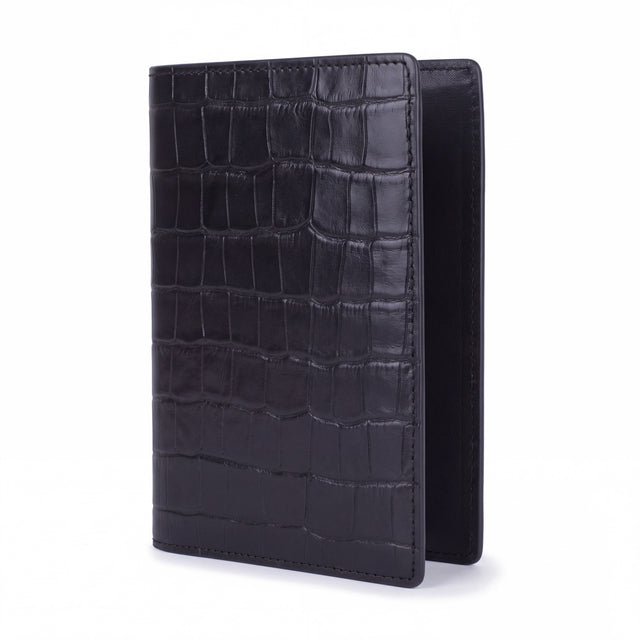
Crocodile Leather Passport Holder
- Product Specifications
- GENTCREATE Crocodile Leather Passport Holder— The perfect companion for your travels, the Crocodile Leather Passport Holder combines elegance and practicality. ,Boarding Pass Pocket and Card Slots , Luxury , Calfskin Leather , 10.6 cm / 4.17 inch x 14.7 cm / 5.8 inches , available in Black, Brown, Navy .
(21)$130 $155 -


 Save $55 USD
Glossy Leather Passport Holder
- Product Specifications
- GENTCREATE Glossy Leather Passport Holder—Boarding Pass Pocket, Nappa Leather Interior , Luxury , Calfskin Leather , 10.6 cm / 4.17 inches x 14.7 cm / 5.8 inches , available in Black, Blue, Burgundy, Green .
(21)$190 $245 -





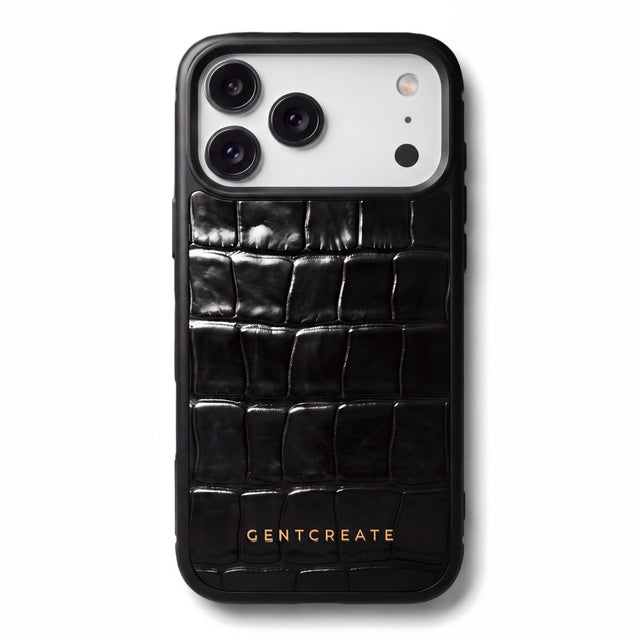


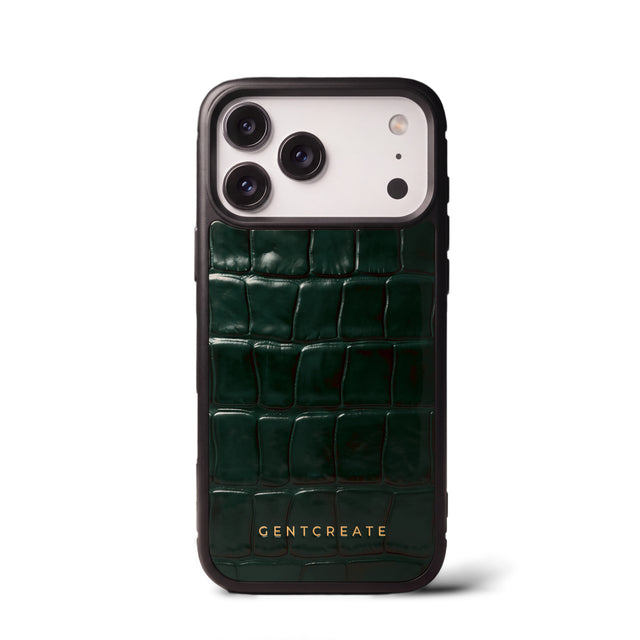


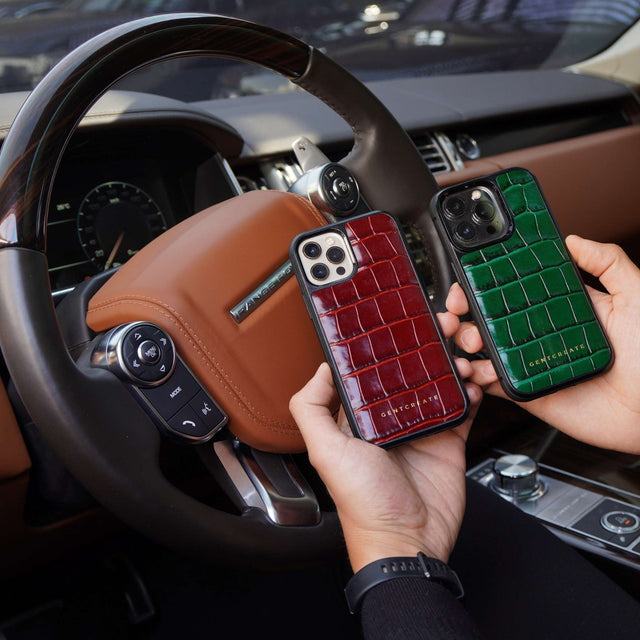


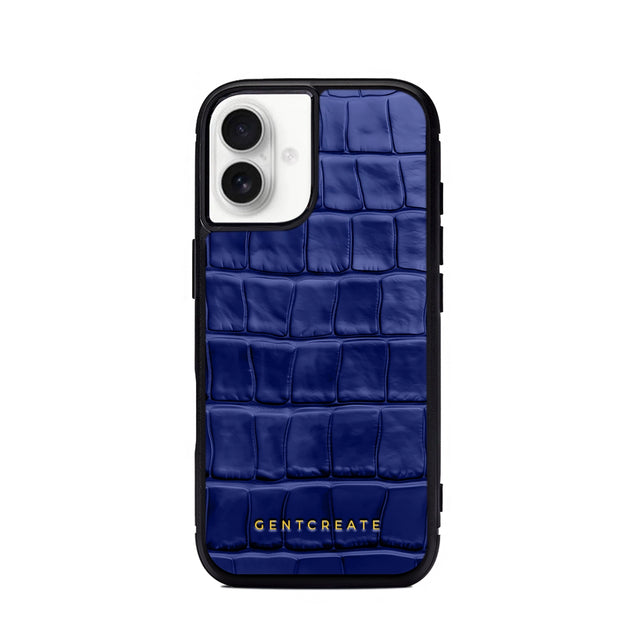






 Save $50 USD
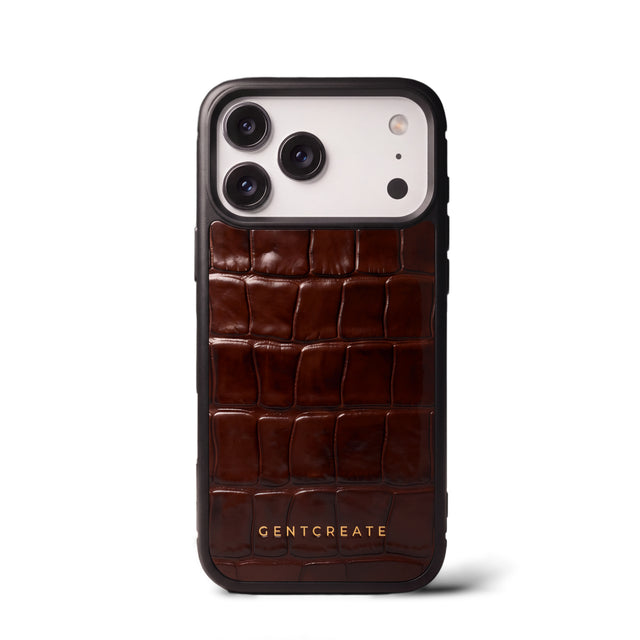
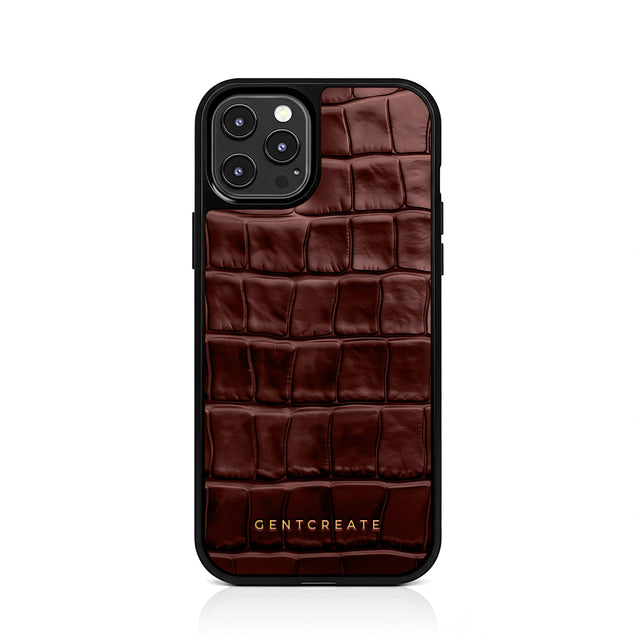
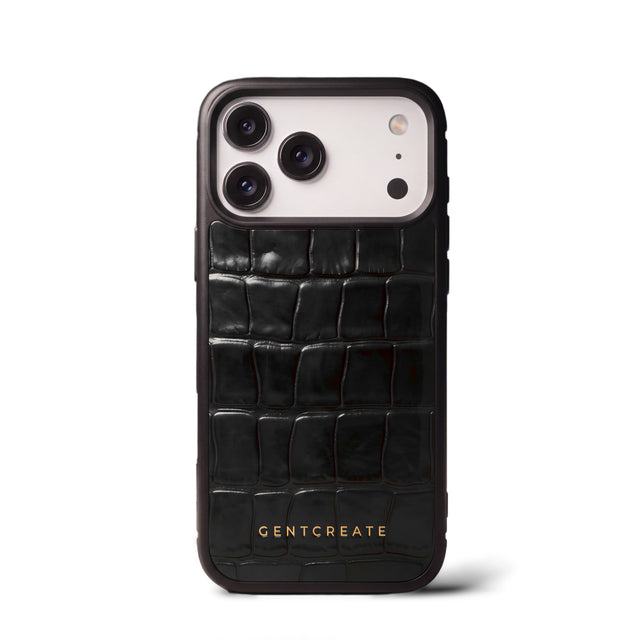
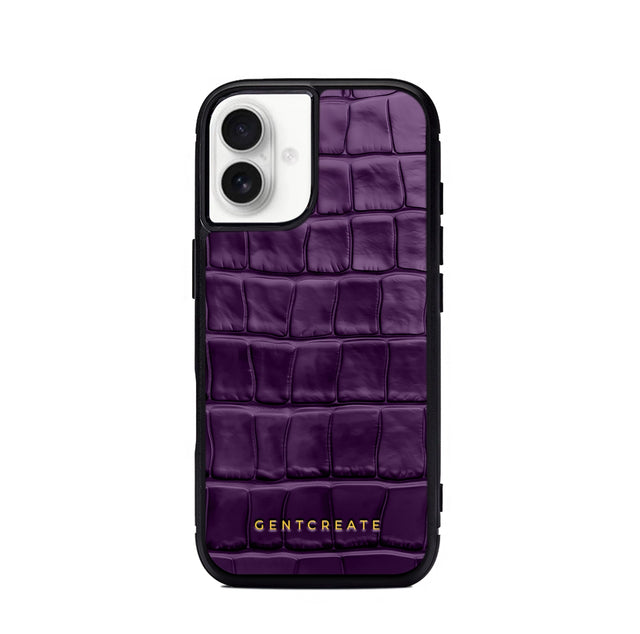
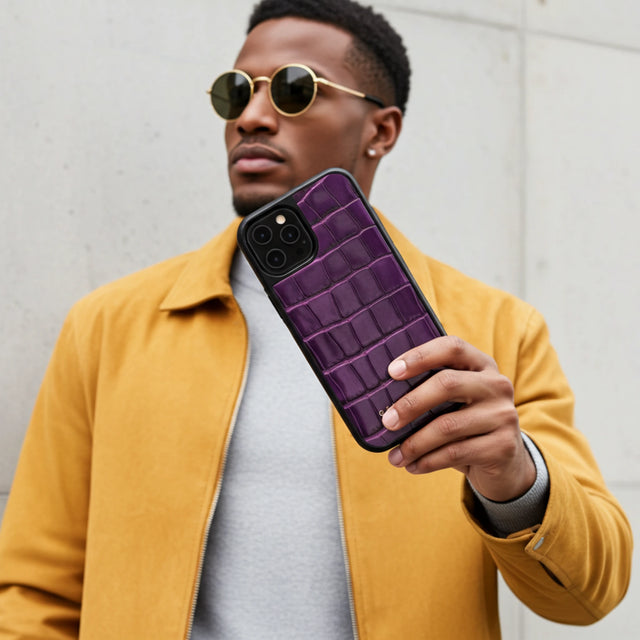
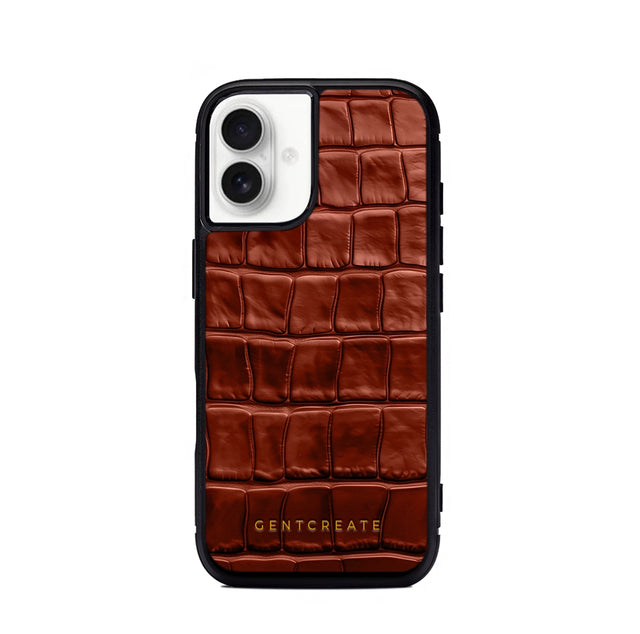
Leather iPhone Case Croco Glossy
- Product Specifications
- GENTCREATE Leather iPhone Case Croco Glossy— Premium leather iPhone case with crocodile pattern. Handcrafted Italian calf leather, wireless charging straight through. Fits all recent iPhone models. Shop now. ,Rubber Edge, Raised Camera Edge , Luxury , Calfskin Leather , fits iPhone 18 Pro Max, iPhone 18 Pro, iPhone 18, iPhone 17 Pro Max, iPhone 17 Pro, iPhone 17, iPhone 16, iPhone 16 Pro, iPhone 16 Pro Max, iPhone 15, iPhone 15 Pro, iPhone 15 Pro Max, iPhone 14, iPhone 14 Pro, iPhone 14 Pro Max , available in Glossy Burgundy, Glossy Black, Glossy Green, Glossy Blue, Glossy Magenta, Glossy Brown .
(264)From $65 $115 -


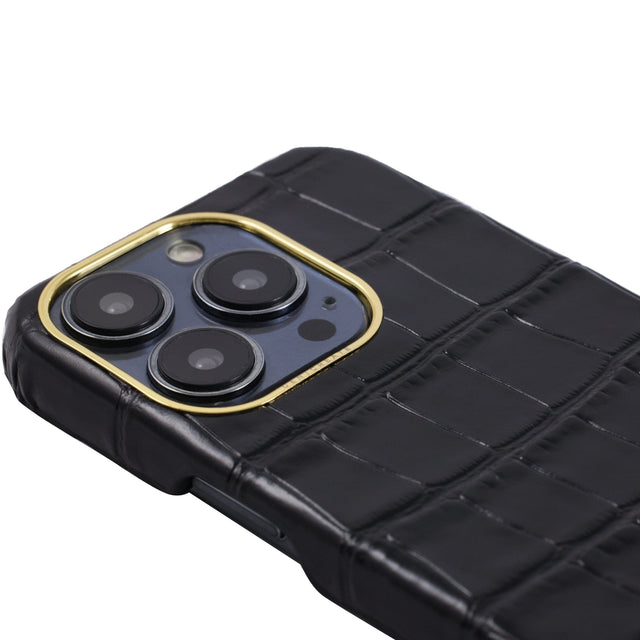

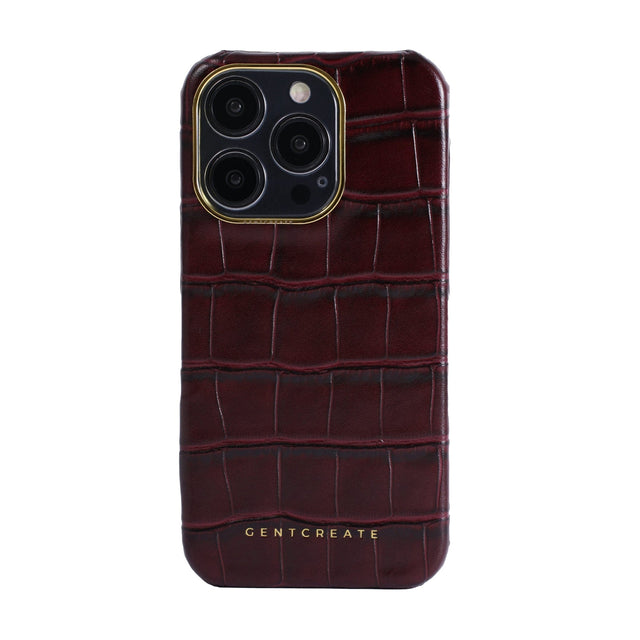


 Clearance Sale
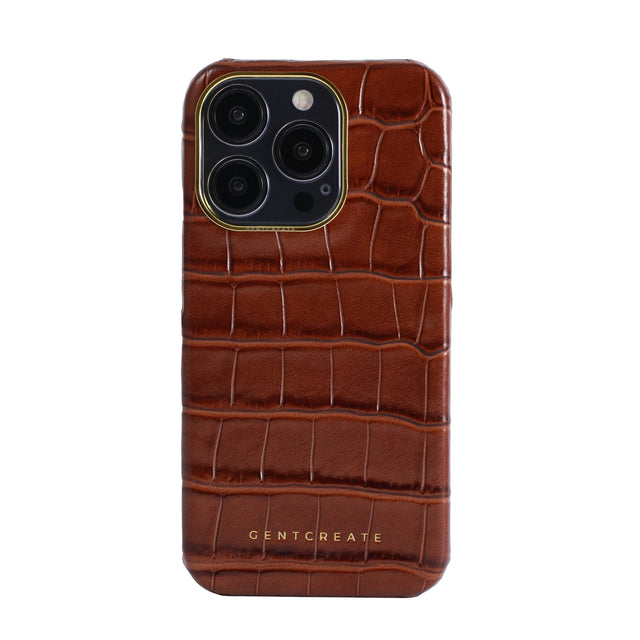
Leather iPhone Case Crocodile Pattern
- Product Specifications
- GENTCREATE Leather iPhone Case Crocodile Pattern— Our classic Leather iPhone Case with a Crocodile Pattern creates a 'classic look' for your iPhone, often preferred by our minimalist-oriented customers. ,Full Pattern Raised Camera Edge , Luxury , Calfskin Leather , fits iPhone 15 Pro Max, iPhone 15 Pro, iPhone 14 Pro Max, iPhone 14 Pro , available in Brown, Green, Black, Burgundy, Dark Navy .
(70)$60 $115 -


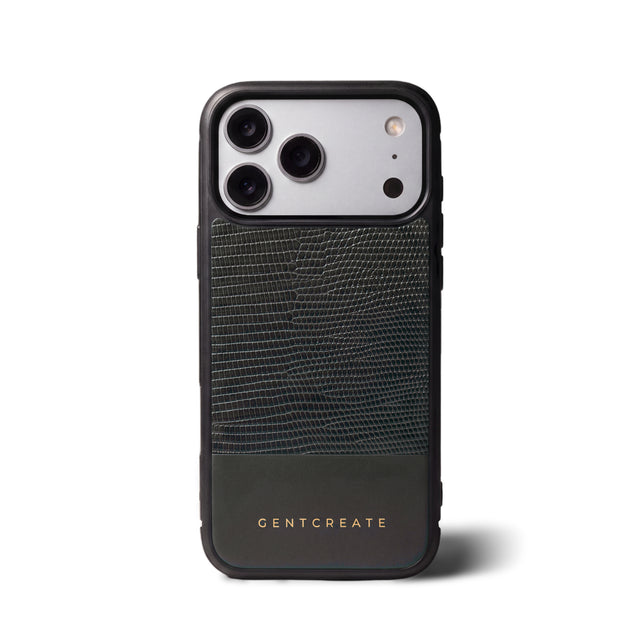


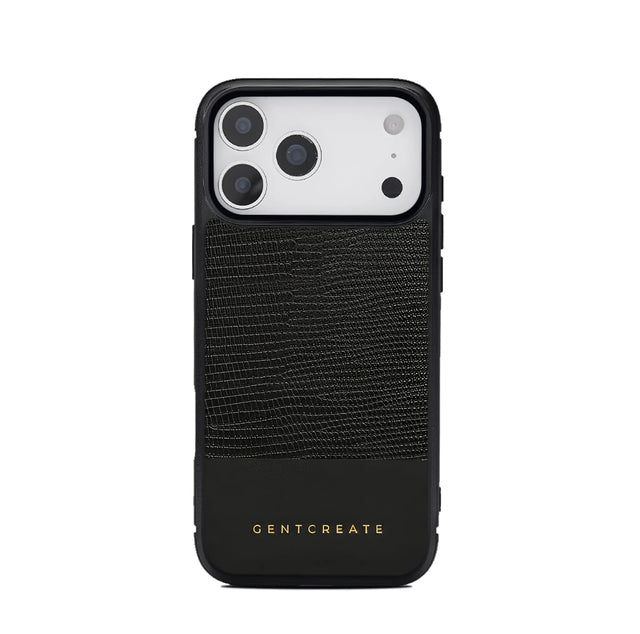


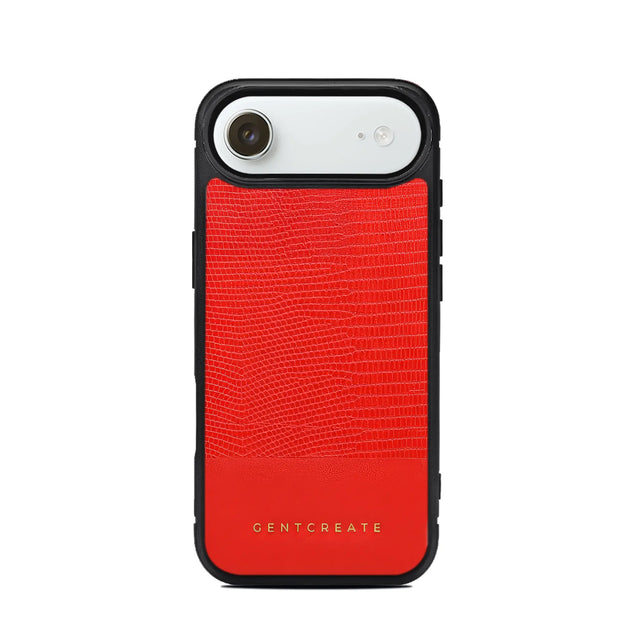


 Save $19 USD
Leather iPhone Case Lizard Pattern
- Product Specifications
- GENTCREATE Leather iPhone Case Lizard Pattern— Leather iPhone Case Lizard Pattern - Luxury Minimalistic Phone Case Our Lizard Leather iPhone case from Gentcreate is the perfect blend of style and ,Rubber Edge, Raised Camera Edge , Luxury , Calfskin Leather , fits iPhone 18 Pro Max, iPhone 18 Pro, iPhone 18, iPhone 17 Pro Max, iPhone 17 Pro, iPhone 17, iPhone 16 Pro Max, iPhone 16 Pro, iPhone 16, iPhone 15 Pro Max, iPhone 15 Pro, iPhone 15, iPhone 14 Pro Max, iPhone 14 Pro, iPhone 14 , available in Gray, Black, Orange, Green, Red, Yellow .
(46)From $79 $98 -


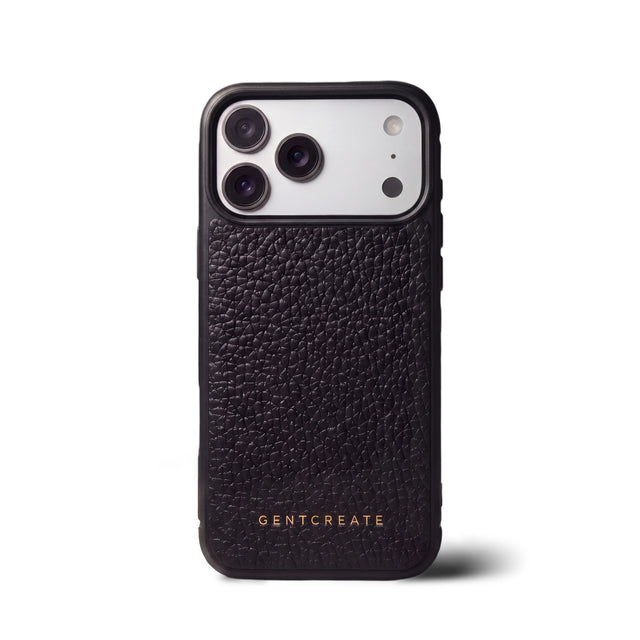


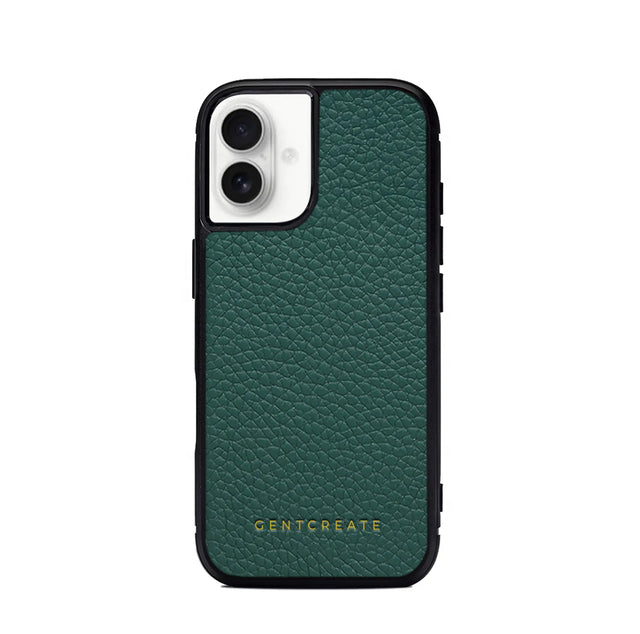


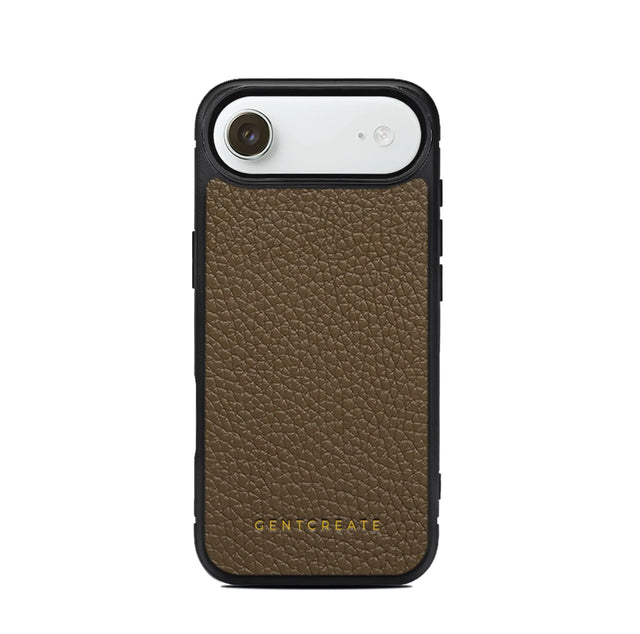



 Save $9 USD
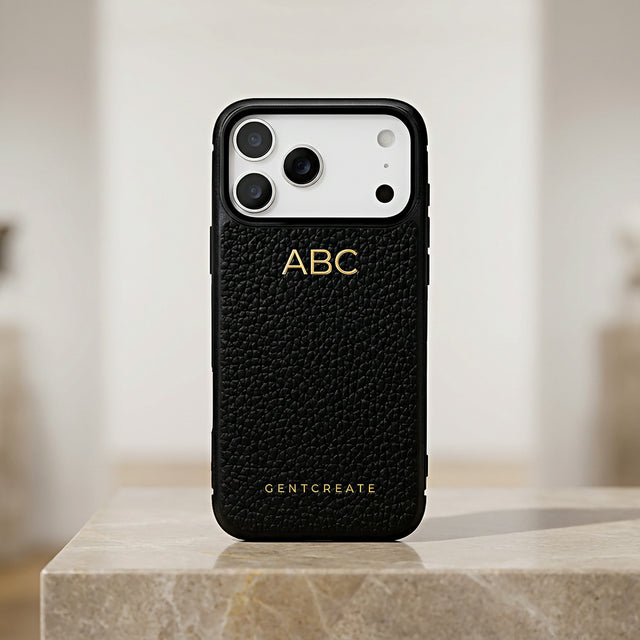
Leather iPhone Case Pebble Pattern
- Product Specifications
- GENTCREATE Leather iPhone Case Pebble Pattern— Handmade Leather iPhone Case with a Pebbled Pattern This handmade Leather iPhone Case with a distinct pebble pattern is a really good value price purchase ,Rubber Edge, Raised Camera Edge , Luxury , Calfskin Leather , fits iPhone 18 Pro Max, iPhone 18 Pro, iPhone 18, iPhone 17 Pro Max, iPhone 17 Pro, iPhone 17, iPhone 16 Pro Max, iPhone 16 Pro, iPhone 16, iPhone 15 Pro Max, iPhone 15 Pro, iPhone 15, iPhone 14 Pro Max, iPhone 14 Pro, iPhone 14 , available in Navy, Black, Green, Brown, Khaki .
(29)From $65 $74


