

A wallet with a coin pocket is right for you if loose change is a regular part of your daily carry and you would rather contain it than scatter it across pockets. If you tap to pay for nearly everything and only meet coins on holiday or at a parking meter, a dedicated coin bay is mostly empty real estate that adds thickness you will feel. The honest answer is not "always" or "never": it is "it depends on the week you actually live."
A wallet with a coin pocket is right for you if loose change is a regular part of your daily carry and you would rather contain it than scatter it across pockets.
- Carry reality decides: choose a coin pocket only if change is a genuine daily presence, not a once-a-year possibility, or the empty bay just adds bulk.
- Closure matters most: a zip coin pocket contains every denomination fully, while a snap pouch trades a little security for faster one-handed access.
- Leather stretch is real: coins press a lasting bulge into an unstructured pouch, so a reinforced, hand-stitched bay is what keeps the leather honest.
- Slim is still possible: a well-built zip-around or trifold can hold cards and coins without the brick effect, if the coin bay is engineered, not bolted on.
- Run the Coin Census: our house method counts a real week of change before you commit, so the wallet matches your life instead of an imagined one.
On our bench, we settle this question the same way every time: we run what we call the Coin Census. Before you decide, you track a single ordinary week and notice when coins genuinely pass through your hands, change from a bakery, a tip jar, a transit token, a laundromat. The Coin Census replaces a guess with a count, and it keeps you from buying a feature your life does not ask for.
This guide walks the decision from both sides. We will explain how a coin pocket is built into leather, why so many slim wallets dropped it, who truly benefits, whether coins harm the hide, and how the closures and formats compare, so you can match the wallet to your carry rather than the other way around.
Do you actually need a wallet with a coin pocket?
You need a coin pocket only if your Coin Census shows change moving through your hands several times in an ordinary week; anything less, and you are carrying an empty bay. This is the first cut, and it is more decisive than any style preference. A coin pocket you use daily earns its thickness; a coin pocket you use twice a year is a tax on every other day.
Be honest about cash behavior, too. If you pay by phone or card almost everywhere, coins arrive rarely and the bay sits idle. If you frequent cash-first places, such as markets, small cafes, tipping economies, regions where small denominations still circulate, the bay does real work.
The minimalist doctrine we hold to is simple: carry only what you use. A coin pocket is not clutter when it solves a daily problem; it becomes clutter the moment it solves an imaginary one.
The failure mode here is buying for the trip, not the routine. People purchase a coin wallet for one cash-heavy vacation and then carry the bulk for the other fifty-one weeks. Buy for the week you live most often.
What is a coin pocket and how is it built into a leather wallet?
A coin pocket is an enclosed leather pouch, closed by a zipper or a snap flap, built to hold loose change so it cannot escape into the wallet's card and note bays. Unlike an open billfold slot, a coin pocket is sealed on all sides except its closure, because coins are small, heavy, and prone to migrating. That single difference in construction is what separates a true coin bay from a slot that merely "could" hold coins.
When we hand-stitch a coin bay on our bench, we treat it as a small structural box, not an afterthought. The walls need a backing layer so the leather does not balloon, the seams carry more stress than a card slot ever will, and the closure has to open and shut cleanly for the life of the wallet. A coin bay is the hardest-working compartment in most wallets.
If you want the full vocabulary of bays, slots, gussets, and linings, our complete anatomy of a wallet guide names every part and how it is assembled. Understanding the anatomy makes the rest of this decision easier.
The counter-case: a coin "pocket" that is really an open slot with no closure. It looks like a feature and behaves like a leak. If there is no zipper or snap sealing it shut, treat it as a note slot, not a coin bay.
Why did so many modern wallets drop the coin pocket?
Modern wallets dropped the coin pocket because contactless payment shrank everyday change and the market chased thinness above all else. As taps replaced cash, the coin bay became the first compartment cut: it added the most thickness for what, in many lives, became the least use. The slim wallet movement was, in large part, a reaction to the bulge a full coin pouch creates.
There is real construction behind the trend. A coin bay's walls, backing, and closure stack up; remove them and a wallet sheds noticeable thickness. For someone living a tap-to-pay life, that trade is pure gain.
But the cut went too far for some carriers. Plenty of people still meet coins daily and were left choosing between a bulky legacy wallet and a slim one with nowhere to put change. The honest position is that the coin pocket was over-corrected, not obsolete.
The failure mode of the thinness-at-all-costs era is the loose-coin habit it created: change rattling in a trouser pocket, lost in a bag lining, or piling on a nightstand. Slim solved bulk and quietly created mess.
Who benefits most from a wallet with a dedicated coin pocket?
The people who benefit most are cash-and-coin carriers: market shoppers, tippers, transit users, travelers, and anyone in a region where small denominations still circulate heavily. For them, the coin bay is not a luxury; it is the difference between an organized carry and a pocket full of jangling metal. The feature solves a problem they meet every day.
Travelers are a special case worth naming. Foreign coins are notoriously hard to spend and easy to lose, and a sealed bay keeps a trip's worth of change in one place instead of seeded across luggage. A zip-around in particular shines here, because nothing falls out in transit.
Gift buyers should think about the recipient's life, not their own. A coin-pocket wallet in a sustainable gift box makes a thoughtful, practical present for a parent or partner who still deals in cash, but only if that recipient actually handles coins.
The failure mode is projecting your habits onto someone else. A tap-to-pay minimalist gifted a coin wallet will quietly never use the bay. Match the gift to the recipient's Coin Census, not yours.

Do loose coins damage or stretch the leather inside a wallet?
Loose coins do not damage good leather quickly, but their weight will stretch an unstructured pouch into a bulge that never fully recovers. This is the real risk, and it is mechanical, not chemical. Coins are dense; a packed pouch puts constant outward pressure on the walls, and leather under sustained load takes a set. Once it bulges, it stays bulged.
Full-grain leather resists this better than most cuts. It is the most durable layer of the hide, with the tight fiber structure that earns its character as a patina rather than wearing thin, but even full-grain stretches if a coin bay has no backing to push back against the load. Material quality helps; construction decides.
There is a minor abrasion factor, too. Coin edges can scuff an unlined interior over years, which is why a proper coin bay is lined and reinforced. On our bench, we back the bay so the structure, not the surface, carries the weight.
The failure mode is overstuffing. Even the best-built bay will deform if you treat it as a piggy bank. Empty it regularly: the Coin Census mindset applies after purchase too. Carry the day's coins, not the month's.

How does a zip coin pocket compare to a snap coin pouch for everyday use?
A zip coin pocket seals completely and loses nothing, while a snap coin pouch opens faster one-handed but lets the smallest coins slip the corners. The choice is a trade between total security and quick access, and your daily rhythm should decide it. Neither is "better" in the abstract: they are better for different lives.
A zipper closes on all four sides, so even a thin coin cannot escape; it is the safest option for travel and for anyone who hates surprises in the lining. The cost is a second hand and a moment of time. A snap flap is instant and tactile, but it leaves the side gussets slightly open, which is where small denominations sneak out.
For a deeper look at how these closures behave across whole wallet bodies, not just the coin bay, our guide on zip-around versus snap wallets compares them in full.
| Factor | Zip coin pocket | Snap coin pouch |
|---|---|---|
| Security | Sealed on all sides; nothing escapes | Side gussets stay slightly open; small coins can slip |
| One-handed access | Slower; usually needs two hands | Fast; opens with a thumb |
| Best for | Travel, mixed denominations, peace of mind | Quick daily change, fewer coins |
| Bulk | Slightly more, from the zipper tape | Slightly less |
| Wear point | Zipper pull and teeth | Snap tension |
| Feel | Quiet, fully contained | Tactile, audible click |
The failure mode is picking the closure on looks alone. A snap is handsome and convenient, but if you carry a fistful of small coins or travel often, you will spend years chasing escapees. Choose the closure your contents demand.

Which wallet style best handles both cards and coins without getting bulky?
The best dual-duty styles are a well-built zip-around or a trifold with an engineered coin bay, because both contain coins structurally instead of bolting a pouch onto a billfold. Bulk comes from bad integration, not from the coin pocket itself. When the bay is designed into the body, the wallet stays disciplined; when it is added on, you get the brick effect.
A zip-around wraps everything in a single sealed perimeter, so cards and coins share one secure envelope, ideal for travel and maximum capacity. A trifold gives you more interior panels to separate cards from a coin flap, though the extra fold adds a little thickness. A bifold can carry coins but has the least room to do it gracefully.
If you are weighing formats, our guide on bifold versus trifold wallets breaks down the capacity-versus-slimness trade, and if you lean toward more room overall, what a long wallet is and who should carry one covers the continental format that handles coins, notes, and cards without crowding. For the slimmest end of the spectrum, see slim wallet versus minimalist wallet versus card holder, though true card holders deliberately skip coins entirely.
| Style | Coin handling | Slimness | Card capacity | Best fit |
|---|---|---|---|---|
| Zip-around | Excellent; fully sealed | Moderate | High | Travelers, mixed carry |
| Trifold | Good; dedicated flap | Lower (extra fold) | High | Cash-and-coin daily carry |
| Bifold | Limited; tight bay | Higher | Moderate | Light coin use |
| Long / continental | Very good; roomy bay | Lowest (largest body) | Very high | Heavy cash + coin users |
| Card holder | None | Highest (~2mm) | Up to ~8 slots | Tap-to-pay minimalists |
The failure mode is forcing coins into a slim wallet built to skip them. A 2mm card holder is a triumph of restraint precisely because it carries no change: ask it to hold coins and you have chosen the wrong tool.
How does GENTCREATE craft leather wallets with coin pockets that hold change without ruining the leather?
GENTCREATE crafts coin bays as reinforced, hand-stitched structures, with backed walls, lined interiors, and a closure matched to the wallet's purpose, so the leather holds change without stretching out of shape. We control every stitch, fold, and cut, which means the coin bay is engineered as part of the body rather than tacked on at the end. Quality here is a process choice, not a price tier.
We start with the cut. Full-grain and top-grain panels, Italian calf leather, Saffiano, Epsom, and pebbled finishes each behave differently under a coin's weight, so the bay's backing is matched to the leather's character. The hand-stitching at the seams, the bay's highest-stress points, is what keeps a packed pouch from splitting or sagging over years of use.
Because we sell direct from the maker, you get atelier-level construction without the middleman markup, and selected styles offer RFID protection where it is built in. If your Coin Census says you handle change daily, this is the moment to choose a bay built to keep its shape: browse the full range in our leather wallets collection, or, if you carry cash and coins in volume, start with the roomier formats in the large leather wallets collection. Every wallet ships in a sustainable gift box with free shipping and a product warranty.
The failure mode we design against is the bulging, drooping coin bay that ages badly, the one that announces a wallet was built down to a cost. We hold to the opposite: minimalism that works, structure you do not see, and leather left free to earn its patina.

Your coin-pocket decision checklist
Decide first whether your real-week coin habit justifies the bay; if it does, this checklist tells you exactly what to demand from the wallet.
- Run the Coin Census first. Track one ordinary week and count how often coins actually pass through your hands.
- Match the closure to your contents. Choose a zip for full security and travel; a snap for fast, light, one-handed access.
- Pick a format that integrates the bay. A zip-around or trifold contains coins structurally; a bifold does it tightly; a card holder skips them by design.
- Insist on a reinforced, lined bay. Backed walls and hand-stitched seams are what stop coins from stretching the leather.
- Choose a durable cut. Full-grain resists deformation best and rewards you with patina over time.
- Empty it often. Carry the day's change, not the month's, to keep the bay's shape honest.
- Buy for the recipient's life, not yours, if it is a gift, coins or no coins.
Frequently asked questions
Short, practical answers to the questions buyers ask most before choosing a wallet with a coin pocket.
Will coins really stretch out the leather over time? Yes, but only if the coin bay is unstructured and you overstuff it. Coins are dense, and constant outward pressure makes leather take a permanent set. A reinforced, lined bay made from a durable cut like full-grain resists this, and emptying the bay daily prevents the bulge from ever forming.
Is a zip or a snap coin pocket better? A zip is better for security and travel; a snap is better for speed and light daily change. A zipper seals on all four sides so nothing escapes, while a snap opens with a thumb but leaves the gussets slightly open. Choose by your contents: many small coins favor the zip, a few coins favor the snap.
Can a slim wallet still have a coin pocket? Yes, if the coin bay is engineered into the body rather than added on. A well-built zip-around or trifold can hold coins without the brick effect. A true card holder, by contrast, deliberately omits coins to stay around 2mm, so "slim with coins" means choosing the right format, not the thinnest one.
Do I need a coin pocket if I mostly tap to pay? Probably not: a coin bay you rarely use just adds thickness to every day. If your Coin Census shows change arriving only on trips or at the occasional meter, a slim card holder or coin-free wallet serves you better. Carry only what you use.
Which wallet format holds the most coins comfortably? A long or continental wallet holds the most coins without crowding, followed by the zip-around. Their larger bodies give the coin bay room to sit flat instead of bulging. A trifold manages well with a dedicated flap, while a bifold carries coins only tightly.
How many coins should I keep in a coin pocket? Keep only a day's worth, enough for the transactions you actually expect. A coin bay treated as a piggy bank will deform even when well built. Routine emptying protects the leather's shape and keeps the wallet slim, which is the whole point of a disciplined carry.
If your week runs on cash and change, a coin pocket earns its place every day, and our leather wallets collection is where to find a bay built to hold it and keep its shape. Run your Coin Census, then choose the format that fits the carry you actually live.
-


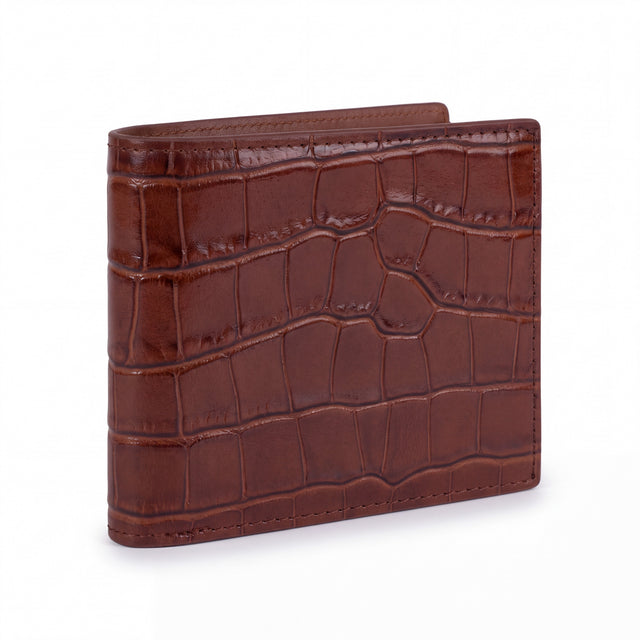


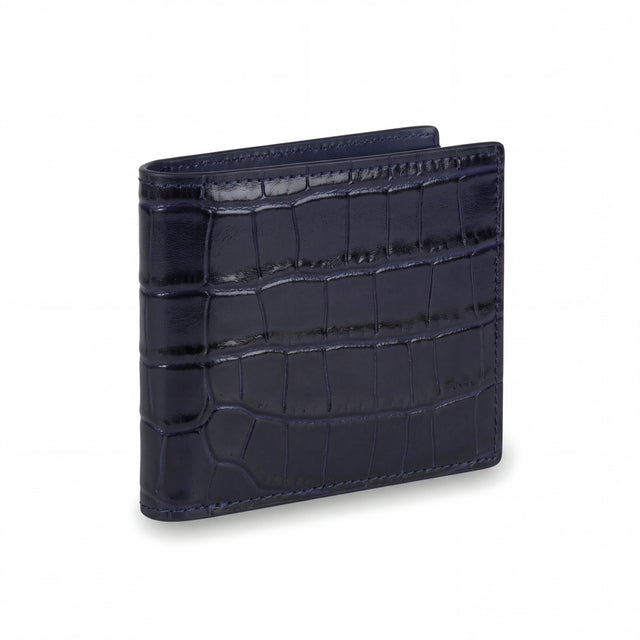


 Save $85 USD
Crocodile Embossed Leather Wallet
- Product Specifications
- GENTCREATE Crocodile Embossed Leather Wallet— The crocodile bifold leather wallet is made from premium calfskin with a crocodile-embossed texture, offering a luxurious and timeless appeal. ,Lightweight , Luxury , Calfskin Leather , 9.5 cm / 3.74 inch x 11.5 cm / 4.52 inch , available in Black, Green, Brown, Burgundy, Navy .
(37)$165 $250 -


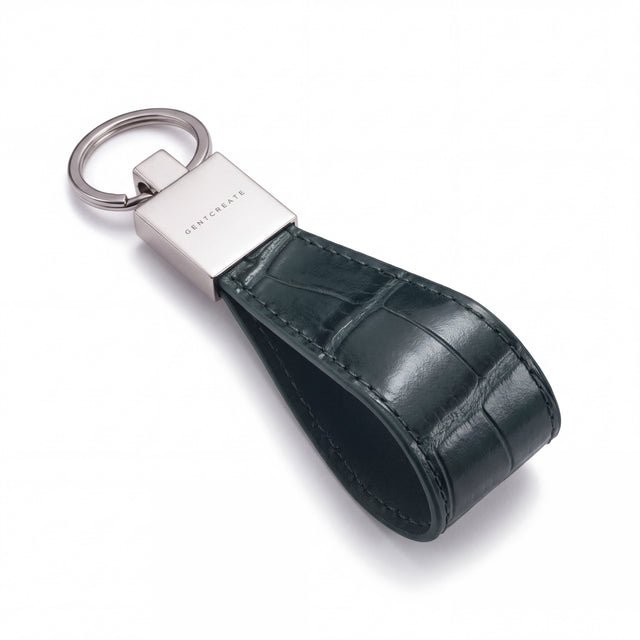


 Save $38 USD
Crocodile Leather Keychain
- Product Specifications
- GENTCREATE Crocodile Leather Keychain— Crocodile Leather Keychain - Leather Accessories For Men and Women Made as a part of our crocodile leather accessories set, this keychain will only improve ,Stainless Steel , Luxury , Calfskin Leather , available in Black, Burgundy, Green, Navy, Brown .
(18)$59 $97 -


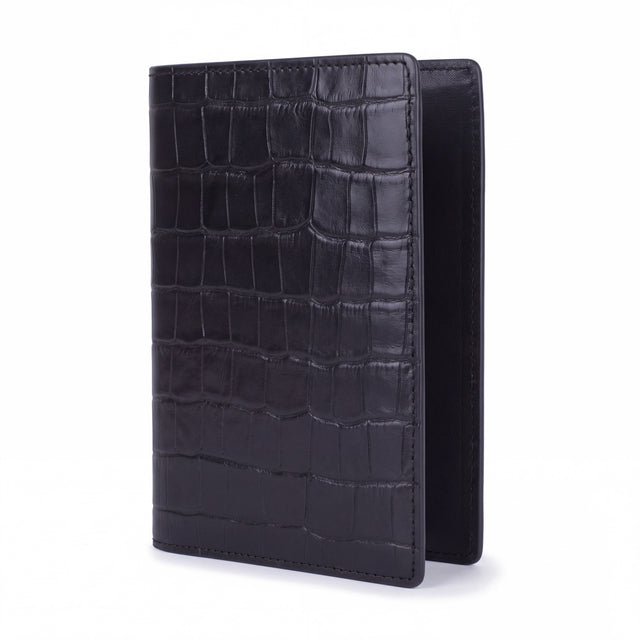


 Save $25 USD
Crocodile Leather Passport Holder
- Product Specifications
- GENTCREATE Crocodile Leather Passport Holder— The perfect companion for your travels, the Crocodile Leather Passport Holder combines elegance and practicality. ,Boarding Pass Pocket and Card Slots , Luxury , Calfskin Leather , 10.6 cm / 4.17 inch x 14.7 cm / 5.8 inches , available in Black, Brown, Navy .
(21)$130 $155 -


 Save $55 USD
Glossy Leather Passport Holder
- Product Specifications
- GENTCREATE Glossy Leather Passport Holder—Boarding Pass Pocket, Nappa Leather Interior , Luxury , Calfskin Leather , 10.6 cm / 4.17 inches x 14.7 cm / 5.8 inches , available in Black, Blue, Burgundy, Green .
(21)$190 $245 -
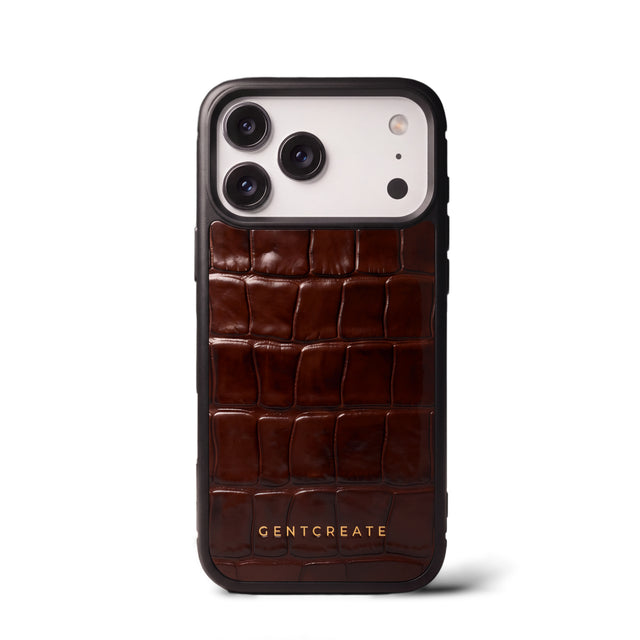


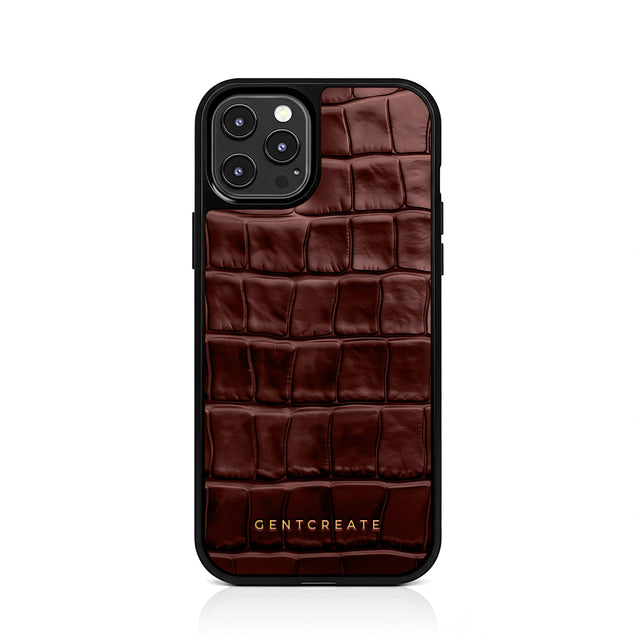


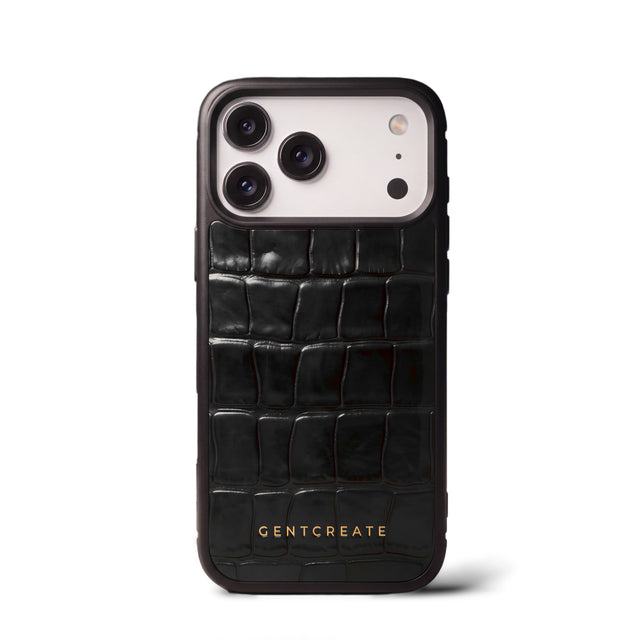

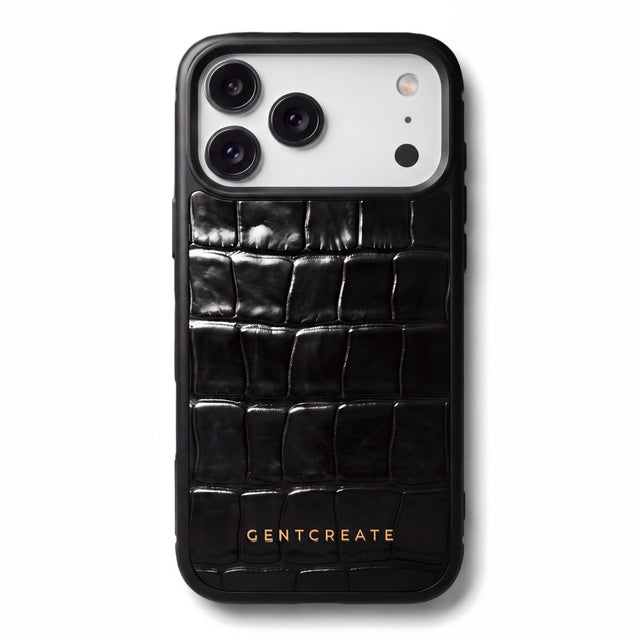


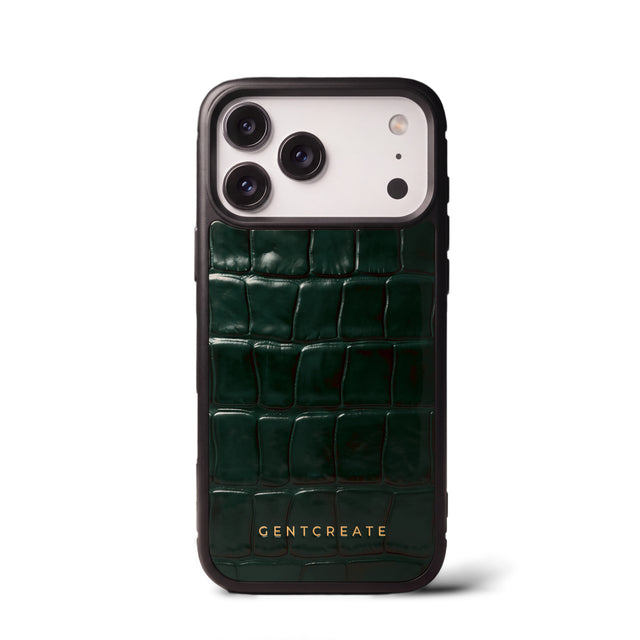


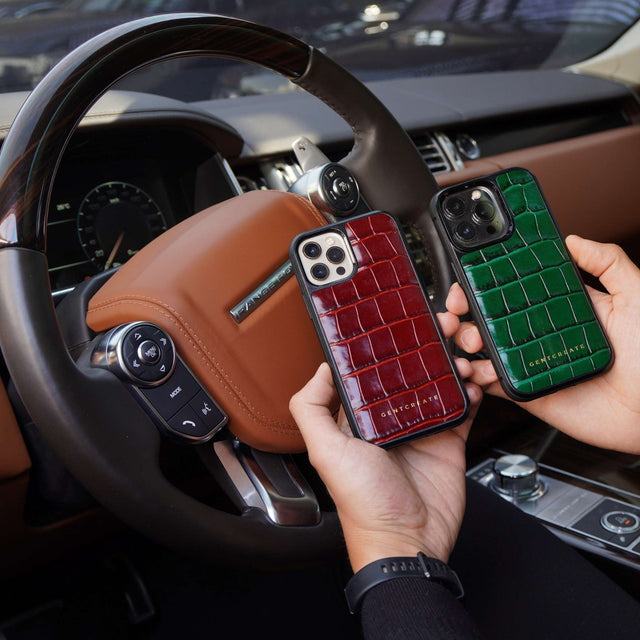


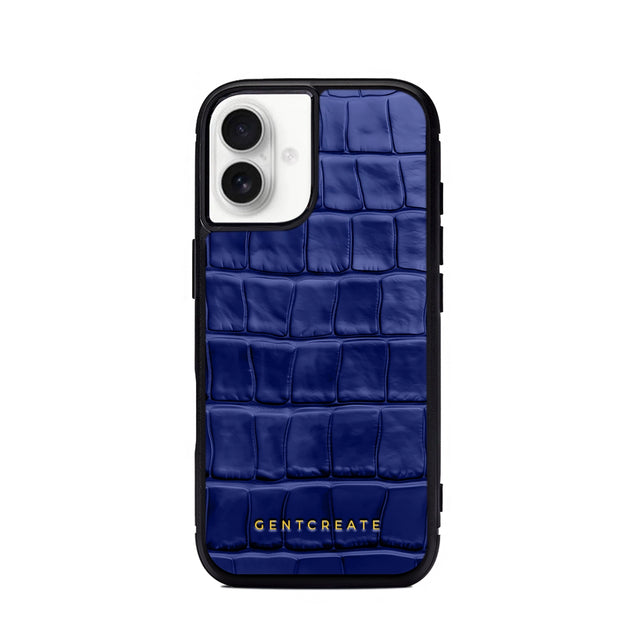


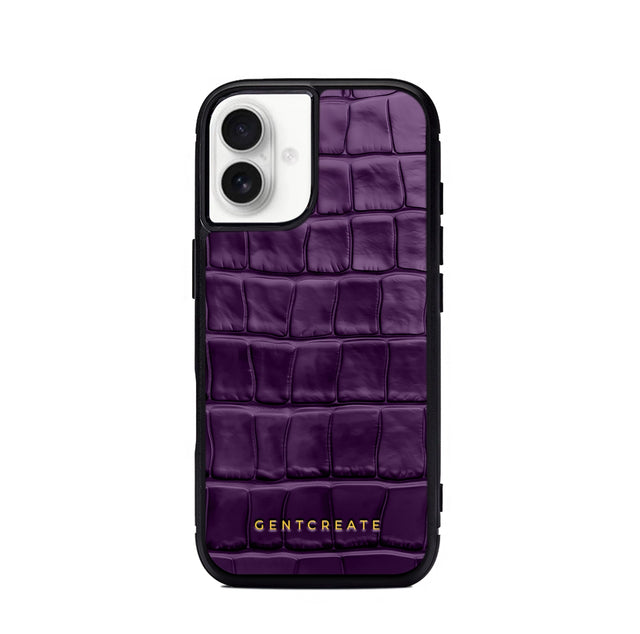


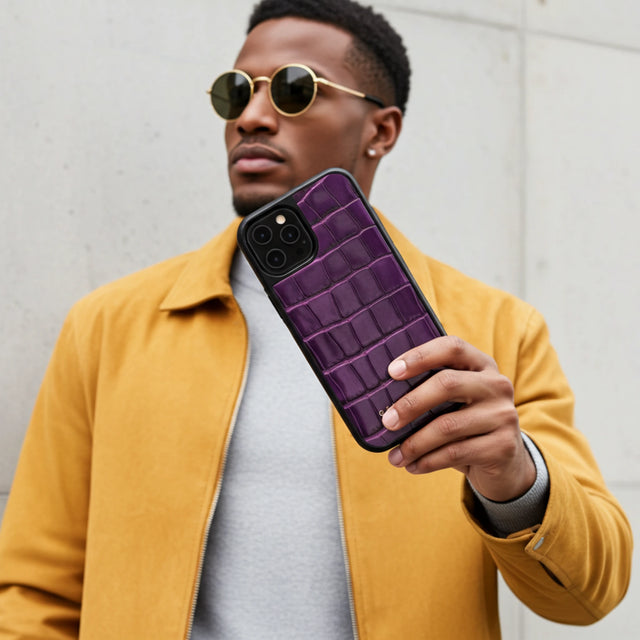


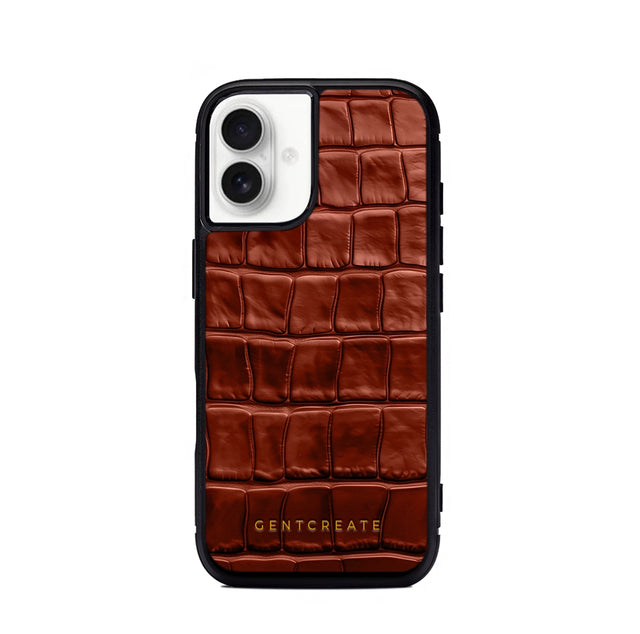
 Save $50 USD
Leather iPhone Case Croco Glossy
- Product Specifications
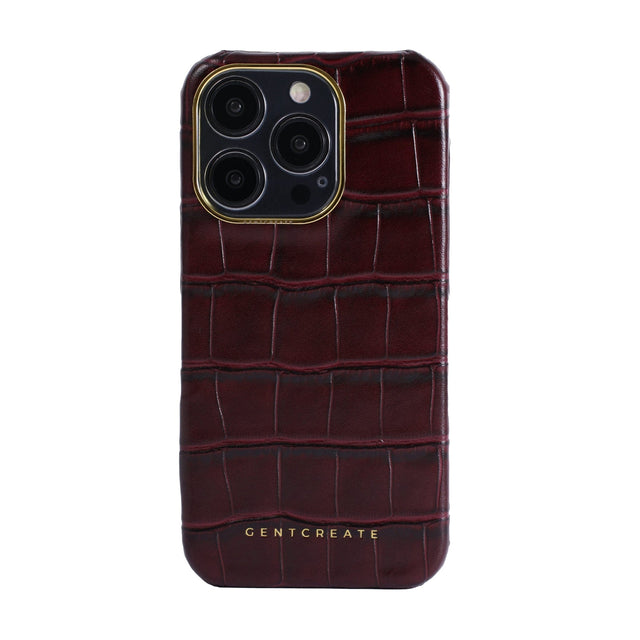
- GENTCREATE Leather iPhone Case Croco Glossy— Premium leather iPhone case with crocodile pattern. Handcrafted Italian calf leather, wireless charging straight through. Fits all recent iPhone models. Shop now. ,Rubber Edge, Raised Camera Edge , Luxury , Calfskin Leather , fits iPhone 18 Pro Max, iPhone 18 Pro, iPhone 18, iPhone 17 Pro Max, iPhone 17 Pro, iPhone 17, iPhone 16, iPhone 16 Pro, iPhone 16 Pro Max, iPhone 15, iPhone 15 Pro, iPhone 15 Pro Max, iPhone 14, iPhone 14 Pro, iPhone 14 Pro Max , available in Glossy Burgundy, Glossy Black, Glossy Green, Glossy Blue, Glossy Magenta, Glossy Brown .
(264)From $65 $115 -
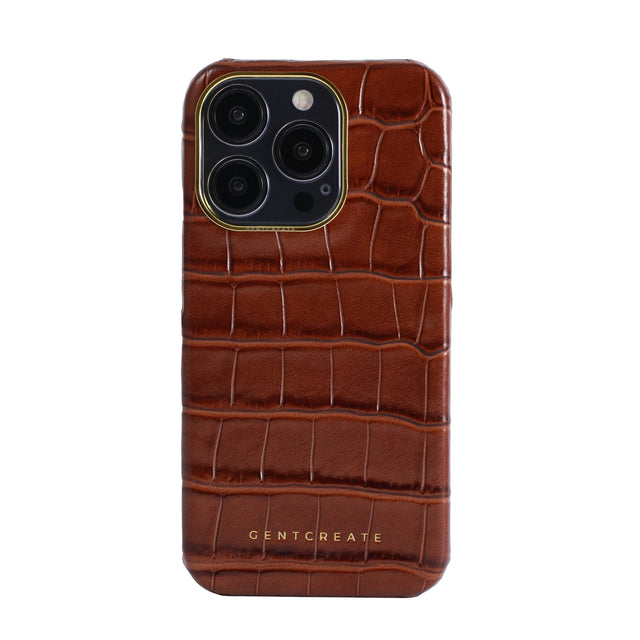


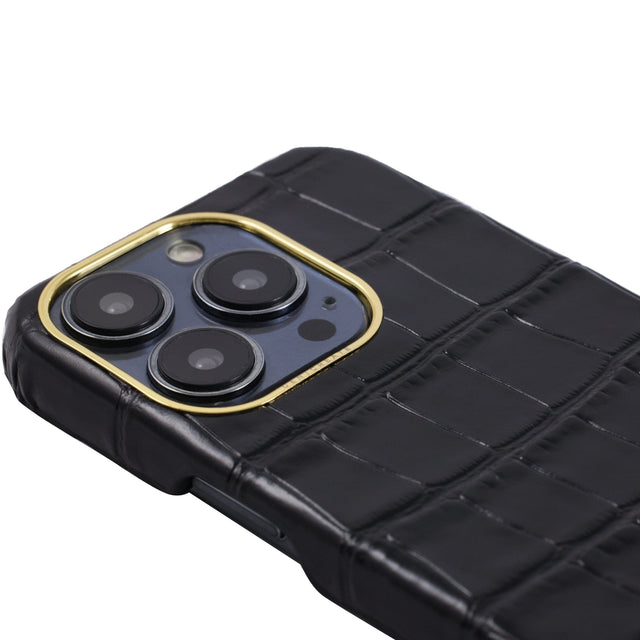



 Clearance Sale
Leather iPhone Case Crocodile Pattern
- Product Specifications
- GENTCREATE Leather iPhone Case Crocodile Pattern— Our classic Leather iPhone Case with a Crocodile Pattern creates a 'classic look' for your iPhone, often preferred by our minimalist-oriented customers. ,Full Pattern Raised Camera Edge , Luxury , Calfskin Leather , fits iPhone 15 Pro Max, iPhone 15 Pro, iPhone 14 Pro Max, iPhone 14 Pro , available in Brown, Green, Black, Burgundy, Dark Navy .
(70)$60 $115


