

A long wallet is a larger billfold sized to hold paper money flat and unfolded, with room for more cards, receipts, and documents than a pocket-sized bifold. It runs roughly the full width of a banknote, so cash lies at its natural length instead of being folded in half. People who carry more than a card or two, who handle cash regularly, or who want a wallet that doubles as a small organizer tend to reach for the long format.
A long wallet is a larger billfold sized to hold paper money flat and unfolded, with room for more cards, receipts, and documents than a pocket-sized bifold.
- Flat-bill design: A long wallet stores currency at full length, so notes never fold, crease, or wear at the seam.
- Carry capacity: Expect more card slots, a full-width bill bay, and space for receipts and travel documents than a bifold offers.
- Best for travelers and pros: People who handle cash, multiple cards, and paperwork benefit most from the long format.
- Carry trade-off: It rides in a jacket, bag, or back pocket rather than the front, so it is not the slimmest option.
- Maker-finished leather: GENTCREATE hand-stitches full-grain long wallets that keep cash flat and earn a patina over years of use.
On our bench we think of a wallet as a tool for a specific carry, not a one-size-fits-all object. The long wallet is the answer to a particular question: what do you carry when you carry more? Before you decide, it helps to run what we call the full-length test: lay a bill out flat and ask whether your wallet respects that shape or fights it. A long wallet respects it. Everything below follows from that single design choice.
What is a long wallet and who should carry one?
A long wallet is a billfold long enough to hold currency flat, and it suits anyone whose daily carry has outgrown a slim pocket wallet. The defining trait is the bill bay: it spans the full width of a note, so money slides in straight and comes out straight. That single decision cascades into more card slots, a roomier interior, and often a longer build than a folded wallet.
The right owner is easy to picture. It is the person who keeps cash for tips and markets, carries several cards across personal and work life, and wants receipts and a folded document to have a home. It is also the dresser who likes the ceremony of a proper wallet, the kind that opens like a small book.
The failure mode is buying long when you carry little. If your everyday carry is two cards and a folded note, a long wallet becomes mostly empty leather. Run the full-length test honestly first; the format should match the contents, not the aspiration. For the lighter end of that spectrum, our guide on the slim wallet versus minimalist wallet versus card holder maps the smaller options.
How does a long wallet differ from a standard bifold wallet?
The core difference is orientation: a long wallet holds bills flat at full width, while a bifold folds them in half across the middle. That changes the footprint, the capacity, and where the wallet lives on your body. A bifold is built to disappear into a pocket; a long wallet is built to organize.
A standard bifold folds once, keeping cash creased and the silhouette compact. A long wallet keeps the bill flat, trades some pocketability for capacity, and usually adds card slots and an interior compartment or two. Neither is "better" in the abstract; they answer different carries.
| Feature | Long wallet | Standard bifold |
|---|---|---|
| Bill orientation | Flat, full width | Folded in half |
| Typical card slots | 8 to 12+ | 6 to 10 |
| Footprint | Larger, document-width | Pocket-sized |
| Best carry spot | Jacket, bag, back pocket | Front or back pocket |
| Doubles as organizer | Yes (receipts, documents) | Limited |
| Cash condition over time | Stays crisp | Develops a center crease |
If you are weighing folded formats against each other rather than long versus folded, our breakdown of the difference between a bifold and a trifold wallet covers that fork. The failure mode here is comparing on size alone; capacity and cash condition matter more than a few millimeters.

Why does a long wallet keep your bills flat and uncreased?
A long wallet keeps bills flat because its bill bay matches the full length of a banknote, so the paper never has to fold to fit. Folding is what creases money: every time a bifold closes, it presses a crease into the center of each note, and over weeks that crease becomes a soft, fraying line. Remove the fold and you remove the wear.
Flat storage matters more than it sounds. Crisp bills present better when you pay, stack more neatly, and resist the dog-eared softness that folded cash develops. For anyone who hands over cash in a professional or hospitality setting, presentation is part of the point.
There is a leather argument too. When we hand-stitch a full-width bill bay, we can keep the leather panel uninterrupted, which means the wallet wears evenly and the lining does not bunch where a fold would normally sit. The failure mode is overstuffing even a long bill bay: pack it past its natural fullness and you reintroduce curve and strain the stitch line. Carry only what you use, and the bay stays flat.

How many cards, bills, and receipts can a long wallet hold?
A long wallet typically holds eight to twelve-plus cards, a full stack of flat bills, and a folded receipt or document, which is its main advantage over a slim wallet. Capacity is the whole reason the format exists, so the interior is laid out for it: rows of card slots, a wide bill bay, and often a full-length sleeve behind the slots for paper.
Here is a realistic capacity picture, remembering that a credit card is about 0.76 mm thick, so card count is the figure that actually drives bulk.
| Item | Typical long-wallet capacity | Notes |
|---|---|---|
| Cards (slots) | 8 to 12+ | Up to ~8 slots on slimmer GENTCREATE styles |
| Flat bills | A full stack, held at length | No center crease |
| Receipts / notes | Several, full-length sleeve | Folded documents fit too |
| Coins | Only if a coin pocket is included | Optional on some styles |
A few of our long styles add a zip compartment or a coin pocket; whether you want one depends on your carry. If coins are a daily reality for you, weigh the trade-offs in our guide on whether a wallet with a coin pocket is right for you. The failure mode of high capacity is treating slots as an inbox: fill every bay and the wallet bows, the stitching strains, and the slim profile you paid for vanishes. The full-length test has a companion rule on our bench: every slot earns its keep or it stays empty.
Where and how do you carry a long wallet day to day?
A long wallet carries best in an inside jacket pocket, a bag, or a back trouser pocket, because its full-width footprint is too large for comfortable front-pocket carry. This is the honest trade-off of the format: you gain organization and flat cash, and in return the wallet wants a roomier home than a slim card holder needs.
In practice, the long wallet suits the way many people already move. If you wear a jacket, the inside breast pocket holds it flat and out of sight. If you carry a bag, a tote, briefcase, or backpack gives it a dedicated slot. For everyday errands, a back pocket works, though we would not sit on it all day.
Think of placement as part of the carry decision, not an afterthought. A long wallet rewards a consistent home; pick the pocket or bag slot and use it every day, and the wallet stays flat and easy to find. The failure mode is forcing it into a tight front pocket, where it curves to your leg and the leather learns that bend. To understand which interior parts you are actually carrying around, our anatomy of a wallet guide explains every component by name.
Why do travelers, business professionals, and Western-style dressers prefer long wallets?
These three groups prefer long wallets because each one carries more, more currencies, more cards, more documents, than a slim wallet can organize. The long format is, at heart, a small organizer that happens to be a wallet, and that is exactly what high-carry lifestyles need.
Travelers value the full-length sleeve for boarding passes, folded itineraries, and mixed currencies that need to stay flat and sorted. Business professionals carry personal and corporate cards, business cards, and receipts that have to survive the day uncreased for expense reports. Western-style dressers favor the long wallet partly as a tradition and partly because it pairs naturally with a jacket or a back pocket and makes a clear statement when it opens.
The common thread is volume with order. A long wallet lets a high-carry person keep everything sorted in one flat, hand-stitched object rather than scattered across pockets. The failure mode is choosing the long format for the look while carrying like a minimalist: the empty slots flag the mismatch immediately. If a zip closure appeals for travel security, our comparison of zip-around versus snap wallets is the next read.

What are the downsides of a long wallet compared to a slim card wallet?
The main downsides are size and pocketability: a long wallet is larger, harder to carry in a front pocket, and overkill if you carry only a few cards. Honesty about the trade-off is the whole point of the full-length test: the format earns its size only when your carry fills it.
A slim card wallet wins on disappearance. It rides in a front pocket, weighs almost nothing, and suits a two-to-six-card life. A long wallet wins on capacity and cash condition but asks for a jacket, a bag, or a back pocket in return. Choose against your real carry, and either one disappoints.
| Consideration | Long wallet | Slim card wallet |
|---|---|---|
| Capacity | High (8 to 12+ cards, flat bills, documents) | Low (2 to 8 cards) |
| Front-pocket carry | Not ideal | Excellent |
| Cash handling | Flat, uncreased, full stack | Minimal or none |
| Profile in pocket | Noticeable | Nearly invisible |
| Best for | Travelers, pros, cash carriers | Minimalists, light carriers |
The failure mode on both ends is the same mistake in two directions: a minimalist carrying long, or a heavy carrier forcing a slim. Match the tool to the carry. For the slim side of that decision, the slim, minimalist, and card holder comparison lays out the smaller formats in detail.
How does GENTCREATE handcraft full-grain leather long wallets that keep cash flat and last for years?
GENTCREATE hand-stitches its long wallets from full-grain leather, building a full-width bill bay so cash stays flat, and finishing every wallet at the maker's bench rather than buying it in. Because we control every stitch, fold, and cut, the way a long wallet keeps its shape and its flat bill bay is a process choice, not a price tier.
We start with full-grain leather because it is the most durable cut and the one that develops a genuine patina: the surface deepens and softens with use rather than wearing out. Our long wallets are laid out around the full-length test: a bill bay that respects a banknote's natural length, card slots that hold without stretching, and a sleeve for the documents a high-carry life accumulates. Where a style offers RFID-protected slots, we say so on that style; we never imply protection a wallet does not have.
This is the direct-from-maker idea in practice. You get atelier-quality construction without the middleman markup, a sustainable gift box for the wallet's arrival, free shipping, and a product warranty, plus personalization through our Custom Leather Wallets line. When you are ready to choose, our collection of long leather wallets for men and our broader range of large leather wallets gather the full-length styles in one place. The failure mode we design against is the wallet that looks the part and falls apart: full-grain leather and hand-stitching exist to make that impossible.

Your long wallet checklist
Decide first whether your everyday carry truly fills a long wallet; if it does, the full-length test confirms the format, and the steps below lock in the right leather, home, and features.
- Count your real carry. List the cards, bills, and documents you carry every day, not the ones you imagine carrying.
- Apply the full-length test. If you keep cash and want it flat, the long format earns its size; if not, look slimmer.
- Pick the wallet's home. Confirm you have a jacket pocket, bag slot, or back pocket where it can live flat.
- Choose your leather. Full-grain for maximum durability and patina; consider how you want it to age.
- Match slots to contents. Aim for capacity you will actually fill; empty slots are wasted leather.
- Decide on coins and zip. Add a coin pocket or zip-around only if your carry genuinely needs one.
- Check for RFID only where offered. Look for it on the specific style; do not assume it across the line.
Frequently asked questions
Short answer: a long wallet is the right call only when your carry is heavy enough to fill it, and the questions below settle the common doubts about fit, capacity, cash, leather, and travel.
Is a long wallet better than a bifold? Neither is better in the abstract; it depends entirely on your carry. A long wallet wins when you carry cash, many cards, and documents and want everything flat and organized. A bifold wins when you want a compact, pocket-friendly wallet. Run the full-length test: flat cash and high volume point to long; light carry points to folded.
Will a long wallet fit in my pocket? It fits a back trouser pocket or an inside jacket pocket comfortably, but not a front pocket in most cases. The full-width footprint that keeps bills flat is what makes front-pocket carry awkward. Many owners carry it in a bag or jacket, which is exactly the use the format is built for.
How many cards can a long wallet hold? Most long wallets hold eight to twelve or more cards alongside flat bills and receipts. Some GENTCREATE styles run up to about eight slots while staying trim. Remember that a credit card is about 0.76 mm thick, so the number of cards drives bulk more than the bills do.
Does a long wallet keep cash from creasing? Yes, that is its defining advantage. Because the bill bay runs the full length of a banknote, cash is never folded and so never creases at the center. The trade-off is a larger wallet, which is the price of flat money.
What leather is best for a long wallet? Full-grain leather is the most durable cut and the one that develops a true patina over years. It resists wear, ages with character, and rewards basic conditioning. On our bench we build long wallets from full-grain so the wallet outlasts the trends that surrounded its purchase.
Are long wallets good for travel? They are among the best wallet formats for travel because the full-length sleeve holds boarding passes, itineraries, and mixed currencies flat. Travelers who want extra security can choose a zip-around style for a fully enclosed interior. The capacity that feels excessive at home is exactly right on the road.
When your carry has outgrown a slim wallet, our long leather wallets for men collection is the place to find a full-grain piece built to keep your cash flat and earn its character over the years.
-






 Save $16 USD
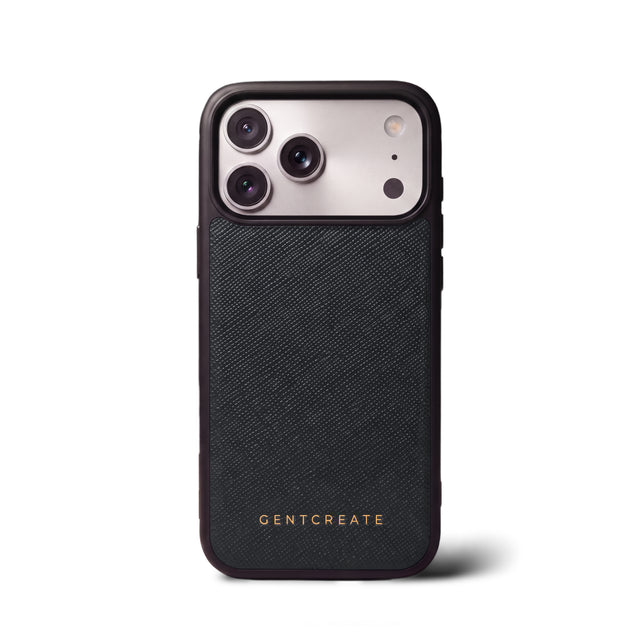
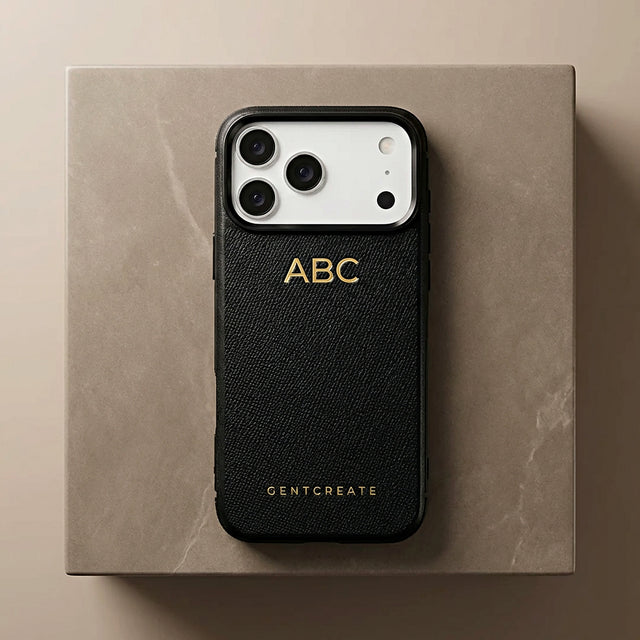
Leather iPhone Case Saffiano Pattern
- Product Specifications
- GENTCREATE Leather iPhone Case Saffiano Pattern— Uniquely Designed Contemporary Genuine Leather iPhone Case by Gentcreate Looking for a luxury leather iPhone case that will keep your device safe and ,Non-Slip, Gritty Feel, Raised Camera Edge , Luxury , Calfskin Leather , fits iPhone 18 Pro Max, iPhone 18 Pro, iPhone 18, iPhone 17 Pro Max, iPhone 17 Pro, iPhone 17, iPhone 16 Pro Max, iPhone 16 Pro, iPhone 16, iPhone 15 Pro Max, iPhone 15 Pro, iPhone 15, iPhone 14 Pro, iPhone 14 Plus, iPhone 14 Pro Max, iPhone 14 , available in Navy, Black .
(60)From $59 $75 -






 Save $50 USD
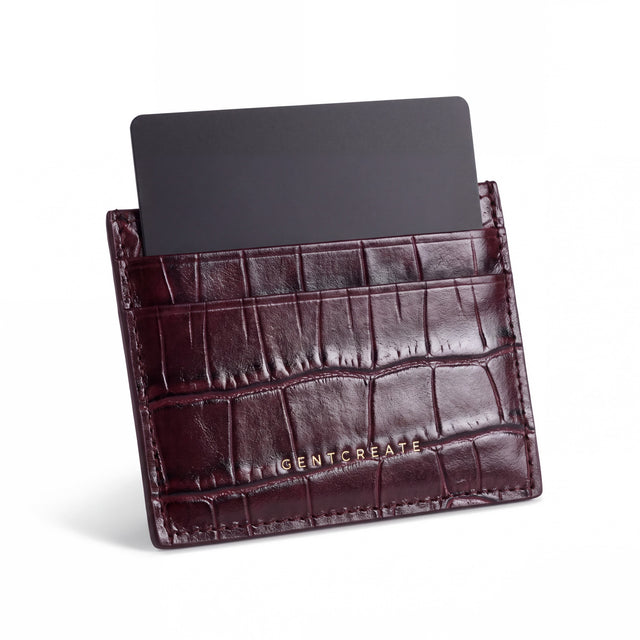
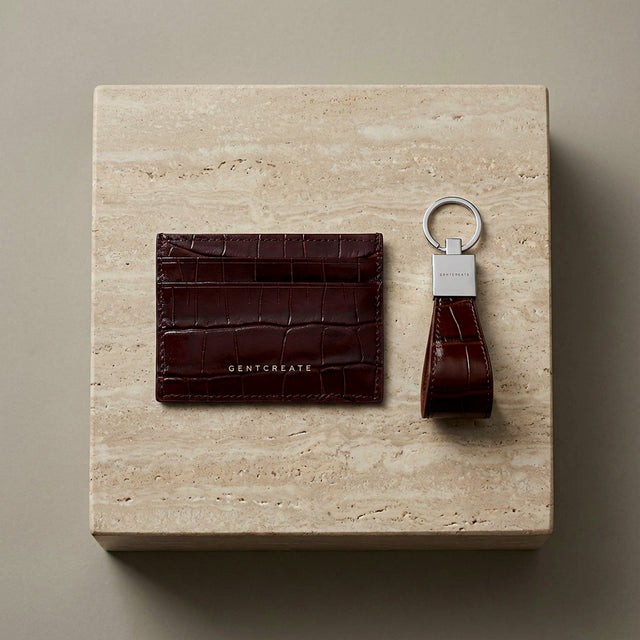
Crocodile Embossed Leather Cardholder
- Product Specifications
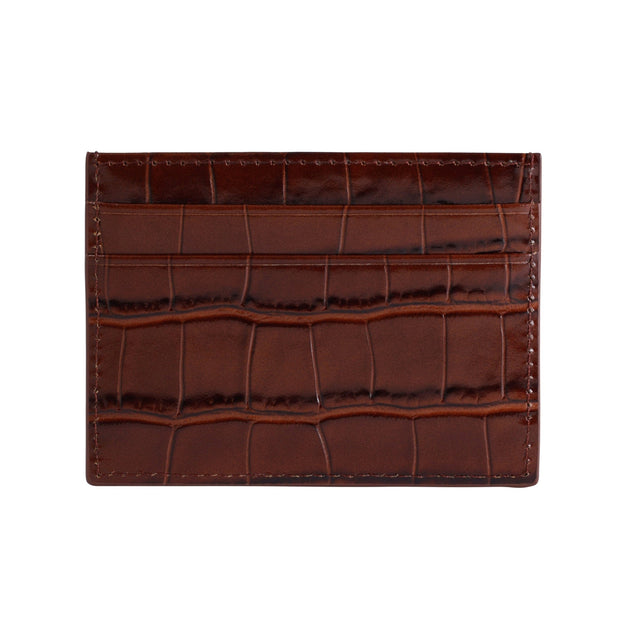
- GENTCREATE Crocodile Embossed Leather Cardholder— Our Crocodile Embossed Leather Cardholder is made with premium calfskin leather with an embossed crocodile pattern, it features four card slots and a central ,Lightweight , Luxury , Calfskin Leather , 7.3 cm / 2.87 inch x 10.3 cm / 4,52 inch , available in Black, Burgundy, Green, Navy, Brown .
(47)$130 $180 -






 Save $85 USD
Crocodile Embossed Leather Wallet
- Product Specifications
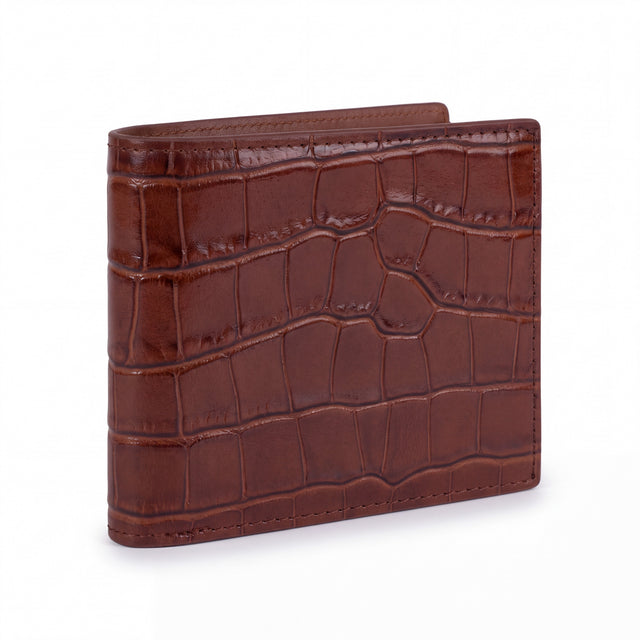
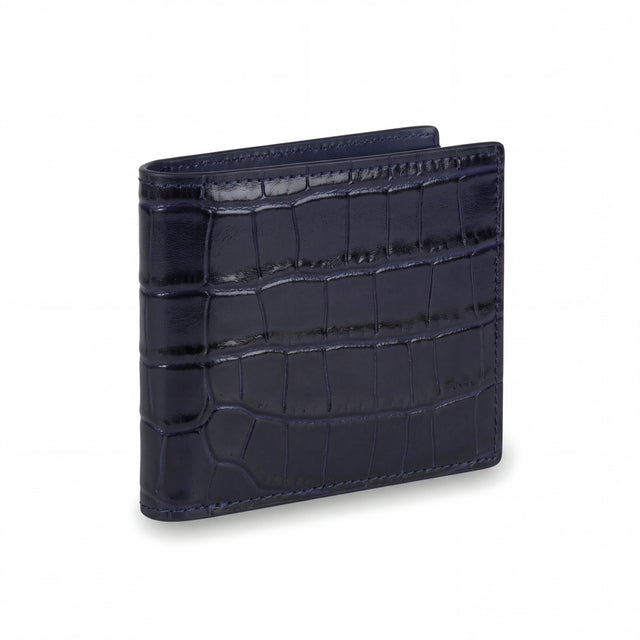
- GENTCREATE Crocodile Embossed Leather Wallet— The crocodile bifold leather wallet is made from premium calfskin with a crocodile-embossed texture, offering a luxurious and timeless appeal. ,Lightweight , Luxury , Calfskin Leather , 9.5 cm / 3.74 inch x 11.5 cm / 4.52 inch , available in Black, Green, Brown, Burgundy, Navy .
(37)$165 $250 -




 Save $38 USD
Crocodile Leather Keychain
- Product Specifications
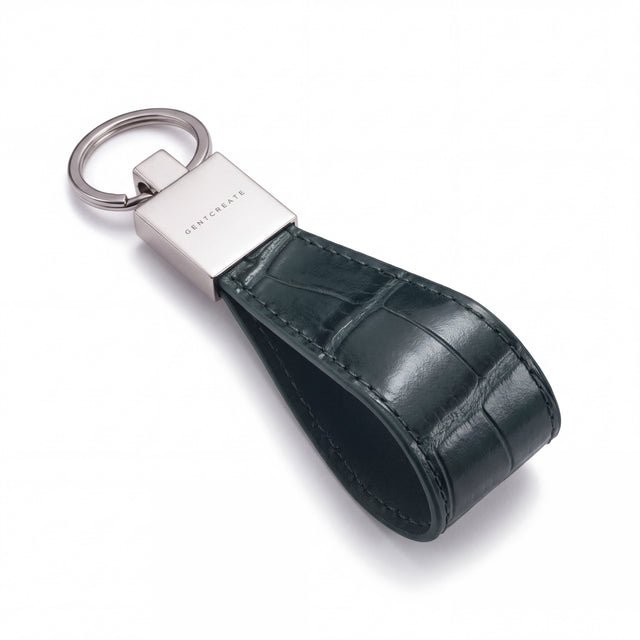
- GENTCREATE Crocodile Leather Keychain— Crocodile Leather Keychain - Leather Accessories For Men and Women Made as a part of our crocodile leather accessories set, this keychain will only improve ,Stainless Steel , Luxury , Calfskin Leather , available in Black, Burgundy, Green, Navy, Brown .
(18)$59 $97 -


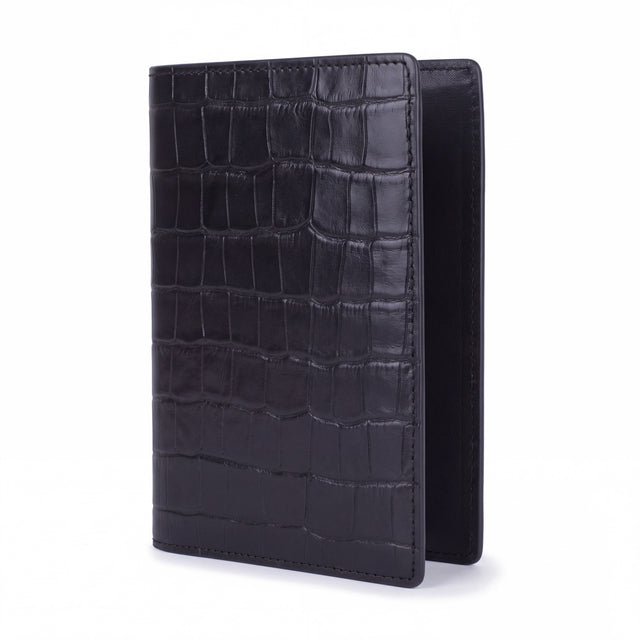


 Save $25 USD
Crocodile Leather Passport Holder
- Product Specifications
- GENTCREATE Crocodile Leather Passport Holder— The perfect companion for your travels, the Crocodile Leather Passport Holder combines elegance and practicality. ,Boarding Pass Pocket and Card Slots , Luxury , Calfskin Leather , 10.6 cm / 4.17 inch x 14.7 cm / 5.8 inches , available in Black, Brown, Navy .
(21)$130 $155 -


 Save $55 USD
Glossy Leather Passport Holder
- Product Specifications
- GENTCREATE Glossy Leather Passport Holder—Boarding Pass Pocket, Nappa Leather Interior , Luxury , Calfskin Leather , 10.6 cm / 4.17 inches x 14.7 cm / 5.8 inches , available in Black, Blue, Burgundy, Green .
(21)$190 $245


