

The difference between a bifold vs trifold wallet comes down to one thing: how many times the leather folds. A bifold folds once into two panels and sits flat and slim; a trifold folds twice into three panels, trading a little thickness for more upright card storage. Everything else, pocket profile, capacity, how your bills sit, how the leather wears, follows from that single fold count.
A bifold wallet folds once into a slim, flat profile that favors front-pocket minimalism, while a trifold folds twice to add card slots and structure at the cost of thickness.
- Fold count is the dividing line: a bifold folds once into two panels; a trifold folds twice into three, which sets every other difference between them.
- Bifold wins on slimness: fewer folds and fewer leather layers mean a flatter wallet that disappears in a front pocket.
- Trifold wins on organized capacity: the third panel adds vertical card bays and structure, ideal for carrying more cards upright and visible.
- Cash habits decide the tie: a bifold lays bills flat and full-length; a trifold folds the bill bay smaller, which suits a lighter cash carry.
- Run the Fold-First Fit: count your folds against your daily carry before you choose, because the right wallet matches how you actually use it.
On our bench, we call the choice the Fold-First Fit: before you weigh leathers or slots, count the folds against how you actually carry. It is the house method we return to all the way through this guide, because the fold is the wallet's skeleton. Get that right and the rest is finishing.
This is a maker's comparison, written by the people who hand-stitch both forms. We will name what each fold does well, where each one fails, and how to read your own carry before you commit.
What is the difference between a bifold and a trifold leather wallet?
A bifold folds once down the middle into two panels, while a trifold folds twice into three panels; that count is the whole difference, and it sets the slimness, capacity, and feel of each wallet. Think of the leather as a single rectangle. Fold it once and you have a bifold: two interior faces, a clean spine, a flat close. Fold it twice and you have a trifold: three interior faces, two creases, more vertical real estate for cards.
That extra panel is the trifold's reason to exist. It buys you more card bays standing upright and a fuller, more structured body. The cost is a thicker stack, because you are now closing three layers of leather instead of two.
The bifold's reason to exist is the opposite restraint. One fold, fewer layers, a wallet that lies nearly flat. This is the minimalist's instinct made physical: clean lines, nothing folded that does not need to be.
The failure mode here is choosing on looks alone. A trifold can photograph compact while carrying chunkier than a loaded bifold, and a bifold can look plain while outperforming on slimness. Run the Fold-First Fit instead of trusting the closed silhouette. For the full vocabulary of panels, bays, and spines, our anatomy of a wallet guide names every part so these comparisons read cleanly.
How is a bifold wallet built compared to how a trifold wallet folds?
A bifold is built around a single central fold with card bays running along each inner panel, while a trifold adds a third hinged panel that folds inward, usually carrying its card slots vertically. When we hand-stitch a bifold, the spine takes one crease and the two faces open like a book. Card bays typically run horizontally along the lower edge of each face, with a billfold pocket spanning the full open width.
A trifold reorganizes that geometry. The outer two panels fold in over the center, so closing it is a two-step tuck rather than a single shut. Because the panels are narrower, the cards usually sit vertically, stacked up the height of the panel instead of along its base.
This is why a trifold can feel busier in the hand. There are more edges, more seams, and one more crease line that the leather has to learn over time. A bifold's single hinge means fewer stress points and a simpler break-in.
The counter-case: a poorly constructed bifold can bow at the spine if its bays are overstuffed, while a well-built trifold distributes the same cards across three calmer panels. Construction quality, not fold count alone, decides whether a wallet ages gracefully. When the maker controls every stitch, fold, and cut, the fold becomes a design choice rather than a compromise.
Which wallet sits slimmer in your pocket, a bifold or a trifold?
A bifold sits slimmer than a trifold at equal capacity, because one fold stacks fewer leather layers and spreads the contents across a wider, flatter footprint. Geometry settles this. Two panels closing means two leather thicknesses at the spine; three panels means a denser core where all three meet. Carry the same eight cards in each and the bifold reads as the thinner object in your hand.
Front-pocket carry rewards that flatness. A slim bifold in full-grain or calfskin tucks against the leg and stays put; a trifold's tighter, deeper block can print or pull at the seam of a fitted trouser. We call the everyday check the front-pocket test: if it disappears when you sit, it passes.
The trifold's trade is footprint, not just thickness. Folded, it is shorter and squarer, which some carriers prefer for a jacket's interior pocket where height matters more than depth.
The failure mode is loading a trifold like a filing cabinet and then blaming the form for the bulge. A trifold built for eight cards holds eight cards well; pushed past that, any wallet fails the front-pocket test. If slimness is your priority, our comparison of slim, minimalist, and card holder styles maps how far you can pare down before a fold stops earning its place.

How many cards and bills can a bifold hold versus a trifold?
A bifold typically holds roughly six to ten cards with a full-length bill pocket, while a trifold often carries ten to twelve cards thanks to its extra panel, with a shorter folded bill bay. The third panel is pure card capacity. Where a bifold gives you two faces of slots, a trifold gives you three, so the count climbs without making the closed wallet any wider.
Here is how the two forms generally compare, panel for panel:
| Attribute | Bifold | Trifold |
|---|---|---|
| Number of folds | One | Two |
| Interior panels | Two | Three |
| Typical card capacity | ~6 to 10 | ~10 to 12 |
| Card orientation | Mostly horizontal | Mostly vertical |
| Bill pocket | Full-length, lies flat | Folded, shorter |
| Closed thickness (equal load) | Slimmer | Thicker |
| Closed footprint | Wider, shorter spine | Shorter, squarer |
| Best for | Minimal carry, front pocket | More cards, structure |
Capacity is a ceiling, not a target. A credit card is about 0.76 mm thick, so ten cards alone add roughly 7.6 mm before leather, stitching, or cash, which is why we counsel a carry audit over a maximum-fill mindset. Hold only what you reach for in a week.
The counter-case is the under-carried trifold: load three or four cards into a wallet built for twelve and the empty bays gape, the panels feel hollow, and the structure works against you. Match the form to your real count. The wallet should hug what you carry, not rattle around it.

Is a bifold or a trifold better for carrying cash versus mostly cards?
A bifold is better for cash-forward carry because its full-length pocket lets bills lie flat and unfolded, while a trifold suits a card-forward carry where notes are few and a shorter folded bill bay is enough. Open a bifold and the billfold spans the entire width: a banknote slides in straight, full-length, no extra crease. For anyone who carries real cash daily, that flat bed keeps notes crisp and quick to fan.
A trifold handles cash differently. Because the panels are narrower, the bill bay is shorter, so notes either fold or sit more snugly. It works, but it is built for the carrier whose weight is in cards, not currency.
So the honest split is this: cash-heavy leans bifold, card-heavy with light cash leans trifold. Neither is wrong; they are tuned for different wallets-worth of habit.
The failure mode is forcing a thick fold of bills into a trifold's compact bay. It strains the panel, breaks the slim profile, and stresses the seam over time. If cash is central to how you carry, give it the flat bed of a bifold and let the leather hold its shape.

Which fold layout keeps your cards easier to reach and your bills flatter?
A bifold keeps bills flattest and your most-used cards quick to thumb, while a trifold keeps more cards visible at once in upright rows, so reachability depends on whether you fan or scan. With a bifold open, your top horizontal slots present cards edge-up for a fast thumb-pull, and the full-width pocket keeps notes flat and immediate. It is a fan motion: flick the top card and go.
A trifold turns that into a scan. Three panels of vertical slots show more cards face-on simultaneously, which some carriers find faster for picking the right one from many. The bill bay, being folded, asks one extra unfold to reach cash.
This is genuinely a preference, not a verdict. Fanners, with few cards and frequent cash, gravitate to the bifold. Scanners, with many cards and rare cash, often prefer the trifold's grid of upright bays.
The counter-case is the over-tabbed trifold, where slots overlap so tightly that "visible" cards still need a tug to free. A wallet that shows ten cards but releases none easily has failed its own promise. We build bays with a touch of clearance so a card lifts clean: reachability is a stitching decision as much as a layout one. For carriers who also want coins or a zip-secured cash compartment, our guides on wallets with a coin pocket and zip-around versus snap closures cover how those features change reach and flatness.
How do bifold and trifold wallets differ in durability and long-term wear?
A bifold tends to age more evenly because it has one fold and fewer stress points, while a trifold's two creases and extra panel create more flex zones that show character, and wear, sooner if the leather or stitching is weak. Every fold is a hinge, and every hinge is where leather flexes thousands of times a year. One hinge ages slower than two. That is the bifold's quiet durability advantage.
A trifold is not fragile, but it asks more of its materials. Two creases mean two lines where cheaper leather can crack and weaker thread can fray. Built in full-grain, the most durable cut, which earns a patina rather than wearing thin, a trifold can outlast its owner's habits. Built poorly, those creases are where it surrenders first.
This is where the cut of leather decides the long game. Full-grain keeps the hide's tightest top layer intact, so it darkens and burnishes at the folds into something better-looking with age. Top-grain, sanded smoother, is handsome but trades some of that long-haul resilience.
The failure mode is judging durability by stiffness on day one. A rigid wallet can be coated top-grain that cracks at the crease within a year, while a supple full-grain bifold softens and strengthens. We hand-stitch the fold lines on both forms with that long arc in mind: the seam should outlive the trend. Conditioning lightly once or twice a year keeps either fold supple and crack-resistant; that is care, not a sales claim.
How does GENTCREATE handcraft bifold and trifold leather wallets to fit how you carry?
GENTCREATE hand-finishes both bifolds and trifolds from full-grain and other fine leathers so the fold you choose matches your real carry, not a generic spec, because as the maker, we control every stitch, fold, and cut. We start the Fold-First Fit at the bench: a slim bifold for the front-pocket minimalist, a structured trifold for the carrier who needs upright rows of cards. The leather follows the fold: full-grain for patina and durability, calfskin and Italian leather for a finer hand, Saffiano or Epsom for a crisp, structured face, with crocodile-embossed and lizard-embossed options for texture.
Direct-to-consumer means atelier-level finishing without the middleman markup. The same hands that cut the panel stitch the bays, so the fold closes clean and the slots release cards without a fight. RFID-protected styles are offered where it matters, our ultra-slim card holders run about 2 mm for the deepest minimalists, and select wallets carry up to roughly eight slots.
Every order ships in a sustainable gift box with free shipping and is backed by our product warranty, which makes either fold a clean choice for groomsmen, corporate, or personal gifting. For names, monograms, or a tailored layout, the Custom Leather Wallets line lets you personalize the fold to the carrier. Browse the men's bifold leather wallets collection for the slim, flat fold, or the slim leather wallets collection if you want to pare down further.
The counter-case we guard against is the spec-led purchase: buying capacity you never use. Run the Fold-First Fit first; let the wallet hug your carry. For the broader long-format question, our guide on what a long wallet is and who should carry one covers the unfolded alternative to both.

Your bifold vs trifold checklist
Decide the fold first, then the form: match the count of folds to how you actually carry, and the right wallet picks itself.
- Count your cards. Six to ten leans bifold; ten to twelve leans trifold.
- Weigh your cash. Daily bills want a bifold's flat, full-length bay; light cash suits a trifold.
- Check your pocket. Front-pocket carry favors the slimmer bifold; jacket carry can take a squarer trifold.
- Decide fan vs scan. Fast thumb-pull of a few cards = bifold; face-on view of many = trifold.
- Choose your leather. Full-grain for patina and durability at the folds; structured Saffiano or Epsom for a crisp face.
- Run the Fold-First Fit. Match the fold to how you carry, then pick the form, not the other way around.
Frequently asked questions
The fold you choose is the answer to most of these questions, so each one below ties slimness, capacity, cash, and durability back to that single decision.
Is a bifold or trifold wallet slimmer? A bifold is slimmer than a trifold at the same card count, because one fold stacks fewer leather layers than two. The bifold spreads contents across a wider, flatter footprint, so it reads as thinner in the hand and in the pocket. A trifold concentrates more cards into a shorter, squarer block, which sits taller and denser. If front-pocket slimness is the goal, the bifold wins.
Does a trifold hold more cards than a bifold? Yes, a trifold usually holds more cards than a bifold because its third panel adds another face of slots. A bifold typically carries about six to ten cards; a trifold often reaches ten to twelve, with the cards standing vertically. The trade is thickness, since more slots mean a denser closed stack. Match the capacity to your real carry rather than filling every bay.
Which is better for cash, a bifold or a trifold? A bifold is better for cash because its full-length pocket lets bills lie flat and unfolded. A trifold's narrower panels give it a shorter, folded bill bay, which suits a lighter cash carry. Forcing a thick fold of notes into a trifold strains the panel and breaks its slim profile. Cash-forward carriers should lean bifold.
Are bifold wallets more durable than trifold wallets? A bifold tends to age more evenly because it has one fold instead of two, meaning fewer stress points. Each crease is a hinge where leather flexes, so a trifold's two creases can show wear sooner if the leather or stitching is weak. Built in full-grain, the most durable cut, which patinas rather than thins, either form ages well. Durability comes down to the cut and the stitch, not the fold count alone.
Can a wallet have RFID protection in both bifold and trifold styles? Yes, RFID-protected styles are offered in our range where that feature is built in. RFID-blocking shields contactless cards from unwanted scanning, and it can be incorporated into either fold. Not every style includes it, so check the specific wallet. The fold you choose does not limit whether protection is available.
Should I choose a bifold or trifold as a gift? Choose based on the recipient's carry: a bifold for a minimalist who wants slim, a trifold for someone who carries many cards. Both ship in a sustainable gift box with free shipping and a product warranty, which makes either a clean gift for groomsmen, corporate, or a partner. For a personal touch, the Custom Leather Wallets line allows monograms and tailored layouts. When in doubt, the slim bifold is the safer, more universal pick.
Whichever fold fits how you carry, you'll find it hand-finished and ready in our bifold and slim leather wallet collections.
-







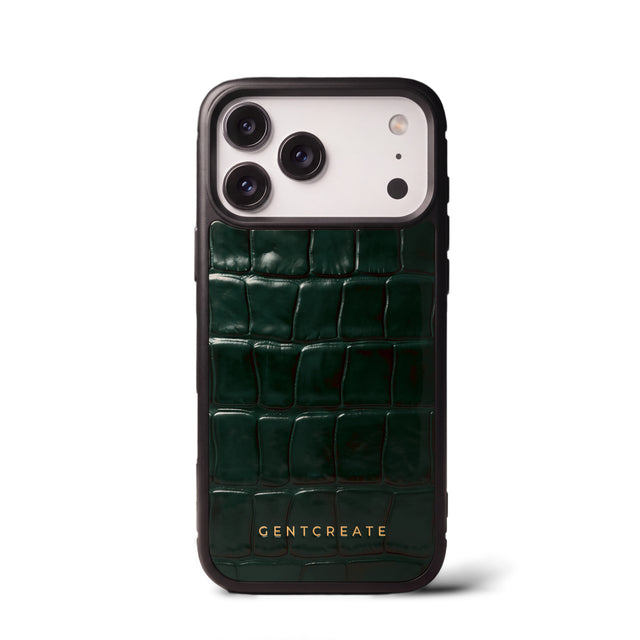








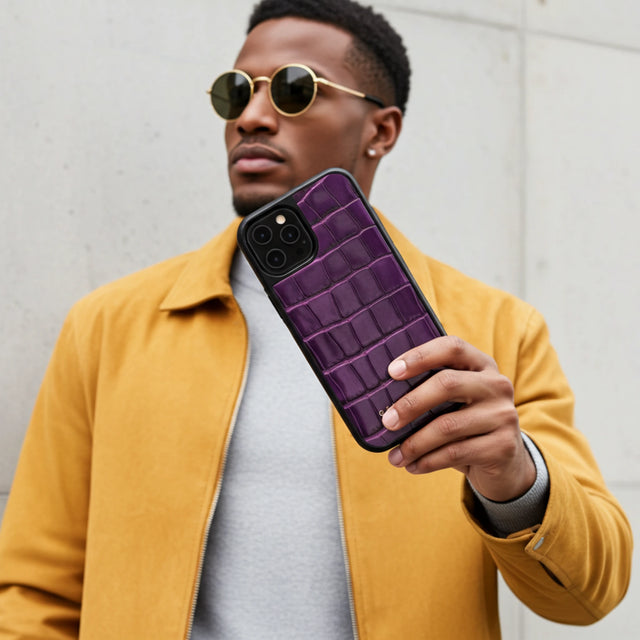


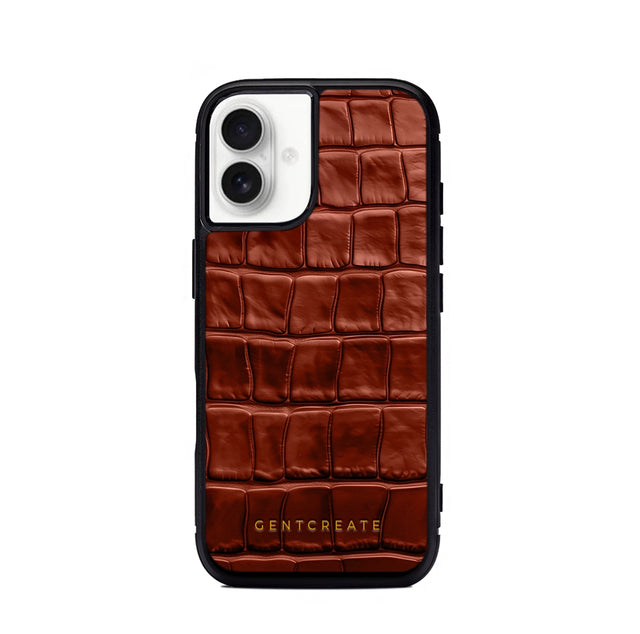
 Save $50 USD
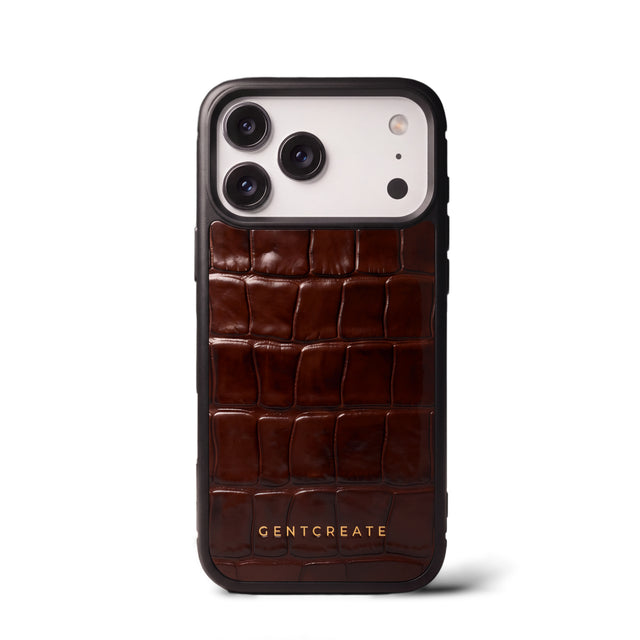
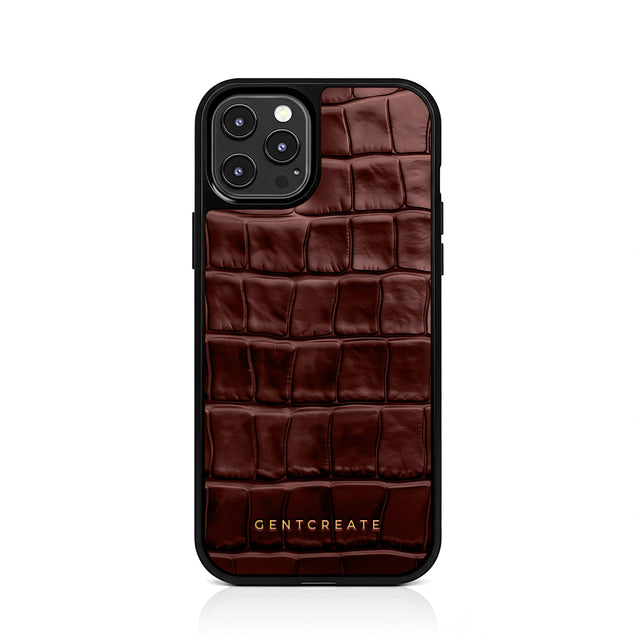
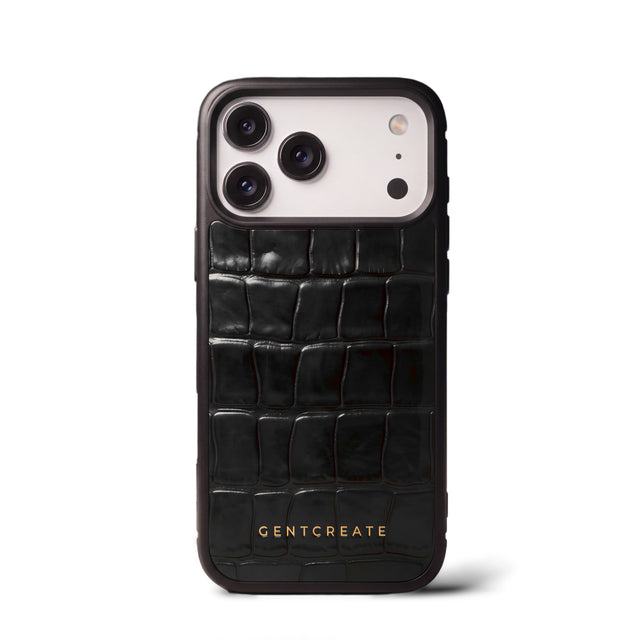
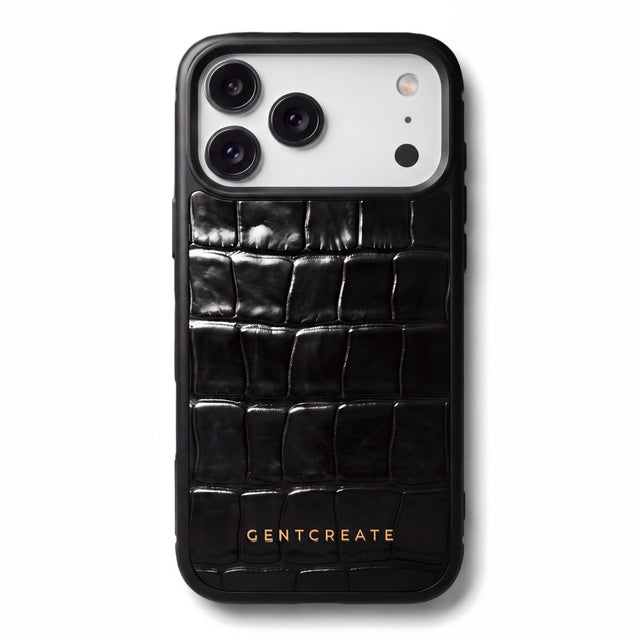
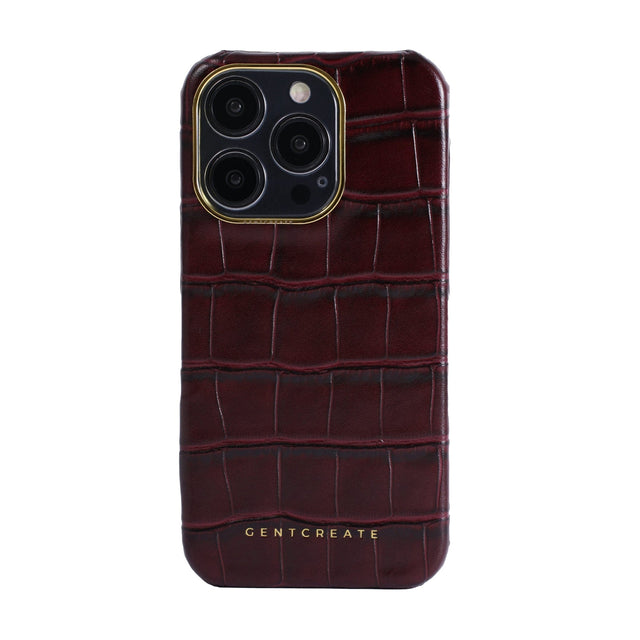
Leather iPhone Case Croco Glossy
- Product Specifications
- GENTCREATE Leather iPhone Case Croco Glossy— Premium leather iPhone case with crocodile pattern. Handcrafted Italian calf leather, wireless charging straight through. Fits all recent iPhone models. Shop now. ,Rubber Edge, Raised Camera Edge , Luxury , Calfskin Leather , fits iPhone 18 Pro Max, iPhone 18 Pro, iPhone 18, iPhone 17 Pro Max, iPhone 17 Pro, iPhone 17, iPhone 16, iPhone 16 Pro, iPhone 16 Pro Max, iPhone 15, iPhone 15 Pro, iPhone 15 Pro Max, iPhone 14, iPhone 14 Pro, iPhone 14 Pro Max , available in Glossy Burgundy, Glossy Black, Glossy Green, Glossy Blue, Glossy Magenta, Glossy Brown .
(264)From $65 $115 -
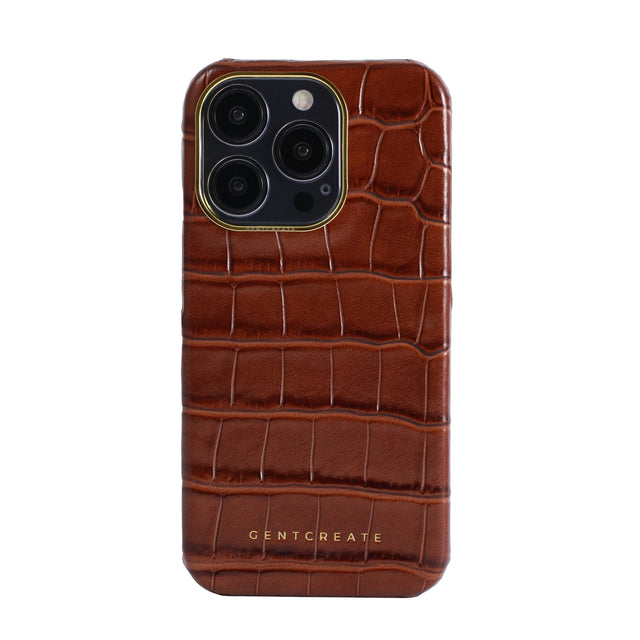


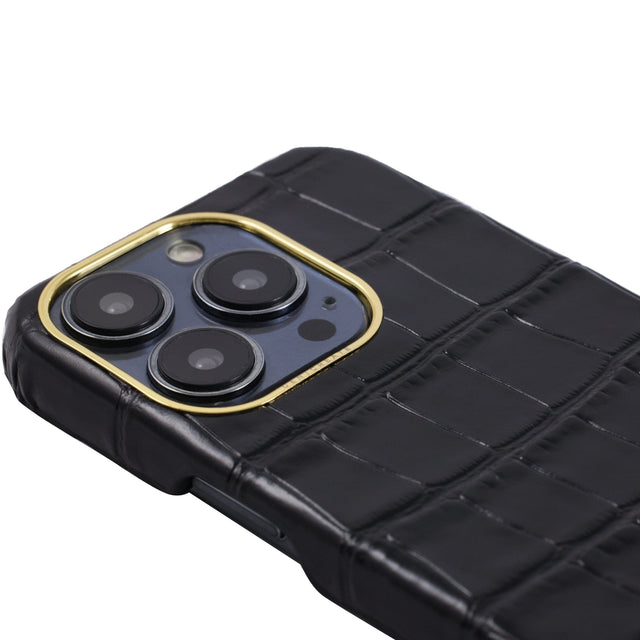



 Clearance Sale
Leather iPhone Case Crocodile Pattern
- Product Specifications
- GENTCREATE Leather iPhone Case Crocodile Pattern— Our classic Leather iPhone Case with a Crocodile Pattern creates a 'classic look' for your iPhone, often preferred by our minimalist-oriented customers. ,Full Pattern Raised Camera Edge , Luxury , Calfskin Leather , fits iPhone 15 Pro Max, iPhone 15 Pro, iPhone 14 Pro Max, iPhone 14 Pro , available in Brown, Green, Black, Burgundy, Dark Navy .
(70)$60 $115 -








 Save $19 USD
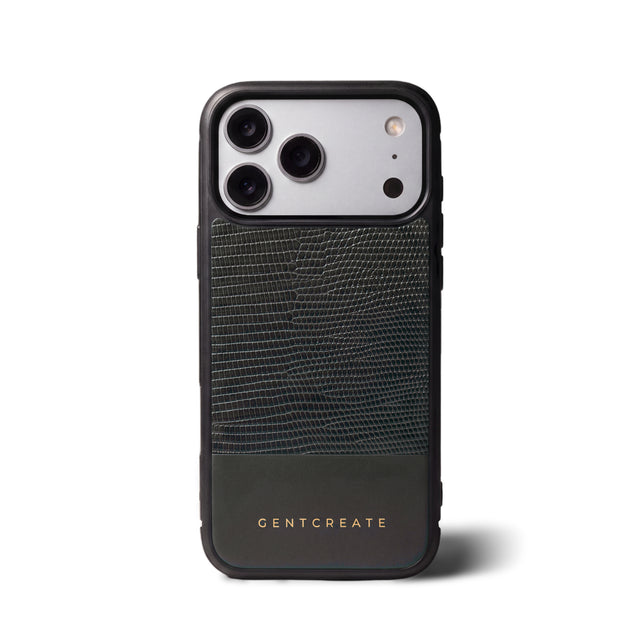
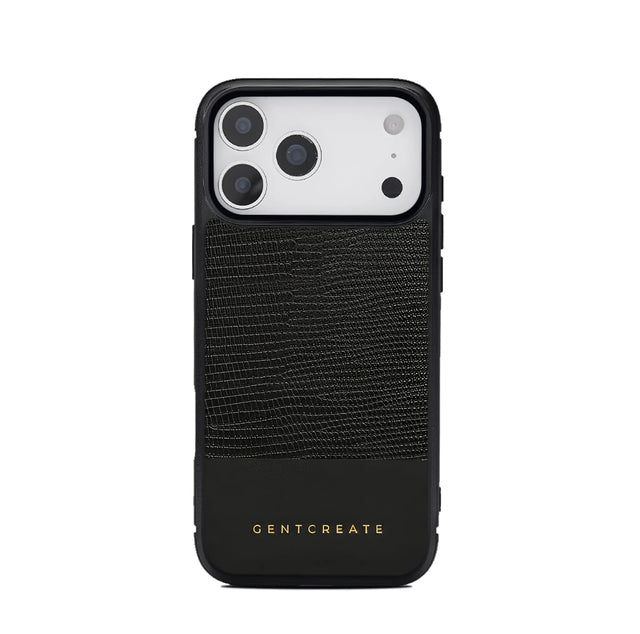
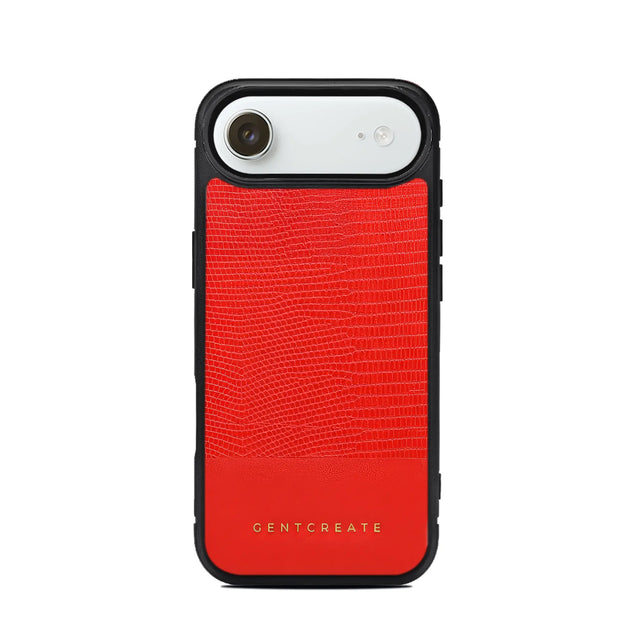
Leather iPhone Case Lizard Pattern
- Product Specifications
- GENTCREATE Leather iPhone Case Lizard Pattern— Leather iPhone Case Lizard Pattern - Luxury Minimalistic Phone Case Our Lizard Leather iPhone case from Gentcreate is the perfect blend of style and ,Rubber Edge, Raised Camera Edge , Luxury , Calfskin Leather , fits iPhone 18 Pro Max, iPhone 18 Pro, iPhone 18, iPhone 17 Pro Max, iPhone 17 Pro, iPhone 17, iPhone 16 Pro Max, iPhone 16 Pro, iPhone 16, iPhone 15 Pro Max, iPhone 15 Pro, iPhone 15, iPhone 14 Pro Max, iPhone 14 Pro, iPhone 14 , available in Gray, Black, Orange, Green, Red, Yellow .
(46)From $79 $98 -


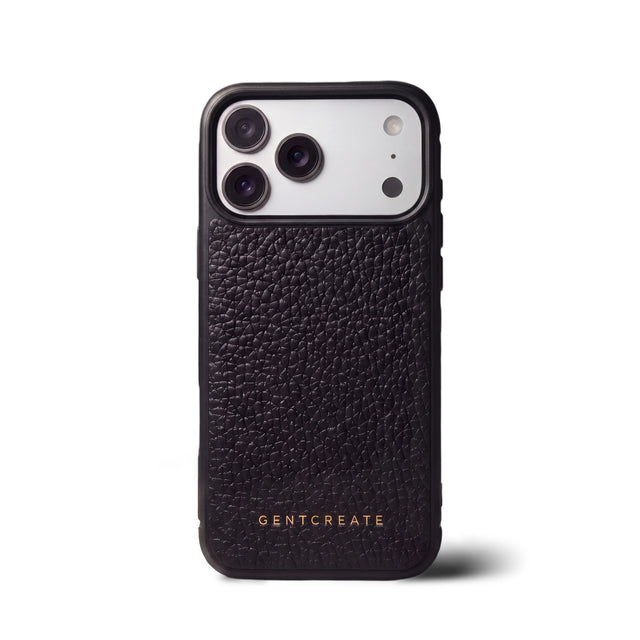


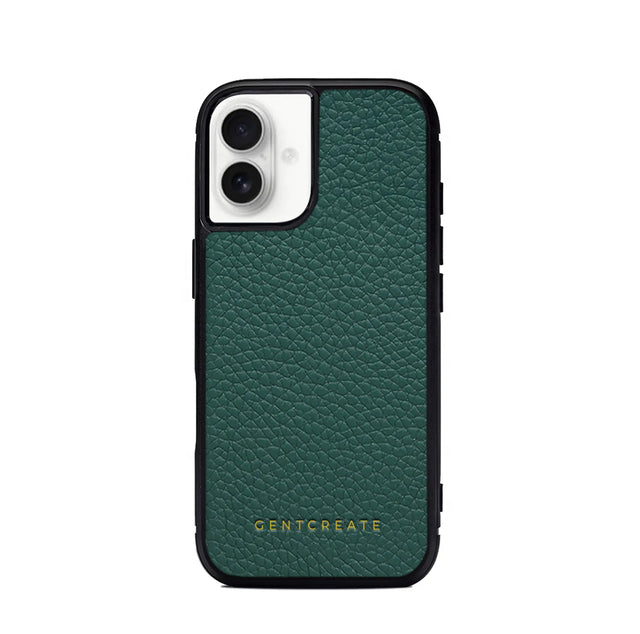


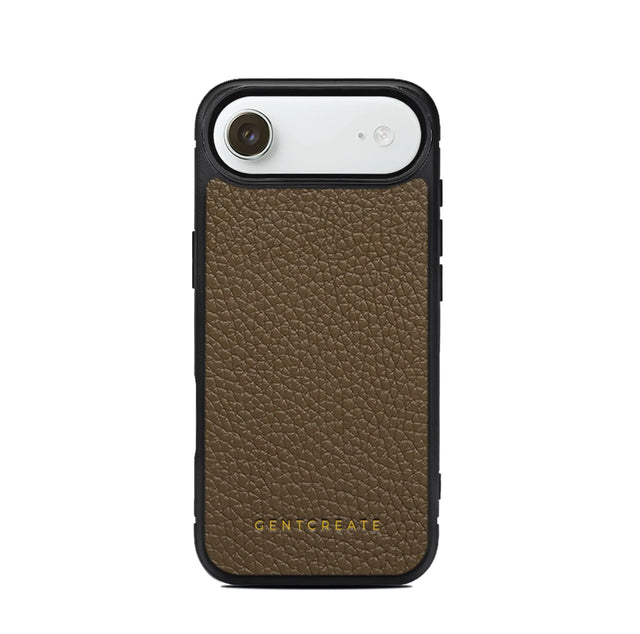

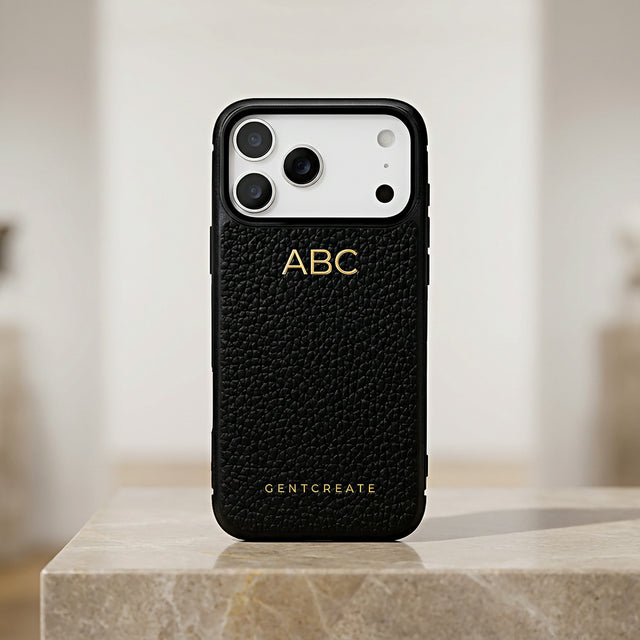


 Save $9 USD
Leather iPhone Case Pebble Pattern
- Product Specifications
- GENTCREATE Leather iPhone Case Pebble Pattern— Handmade Leather iPhone Case with a Pebbled Pattern This handmade Leather iPhone Case with a distinct pebble pattern is a really good value price purchase ,Rubber Edge, Raised Camera Edge , Luxury , Calfskin Leather , fits iPhone 18 Pro Max, iPhone 18 Pro, iPhone 18, iPhone 17 Pro Max, iPhone 17 Pro, iPhone 17, iPhone 16 Pro Max, iPhone 16 Pro, iPhone 16, iPhone 15 Pro Max, iPhone 15 Pro, iPhone 15, iPhone 14 Pro Max, iPhone 14 Pro, iPhone 14 , available in Navy, Black, Green, Brown, Khaki .
(29)From $65 $74 -






 Save $16 USD
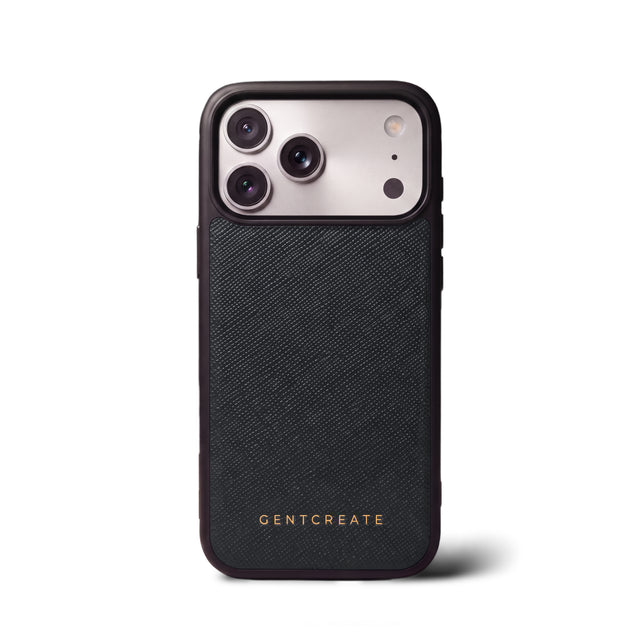
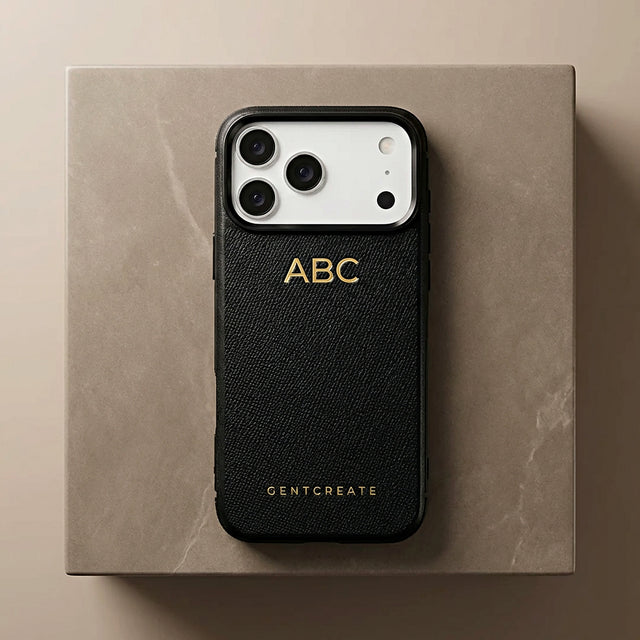
Leather iPhone Case Saffiano Pattern
- Product Specifications
- GENTCREATE Leather iPhone Case Saffiano Pattern— Uniquely Designed Contemporary Genuine Leather iPhone Case by Gentcreate Looking for a luxury leather iPhone case that will keep your device safe and ,Non-Slip, Gritty Feel, Raised Camera Edge , Luxury , Calfskin Leather , fits iPhone 18 Pro Max, iPhone 18 Pro, iPhone 18, iPhone 17 Pro Max, iPhone 17 Pro, iPhone 17, iPhone 16 Pro Max, iPhone 16 Pro, iPhone 16, iPhone 15 Pro Max, iPhone 15 Pro, iPhone 15, iPhone 14 Pro, iPhone 14 Plus, iPhone 14 Pro Max, iPhone 14 , available in Navy, Black .
(60)From $59 $75 -






 Save $50 USD
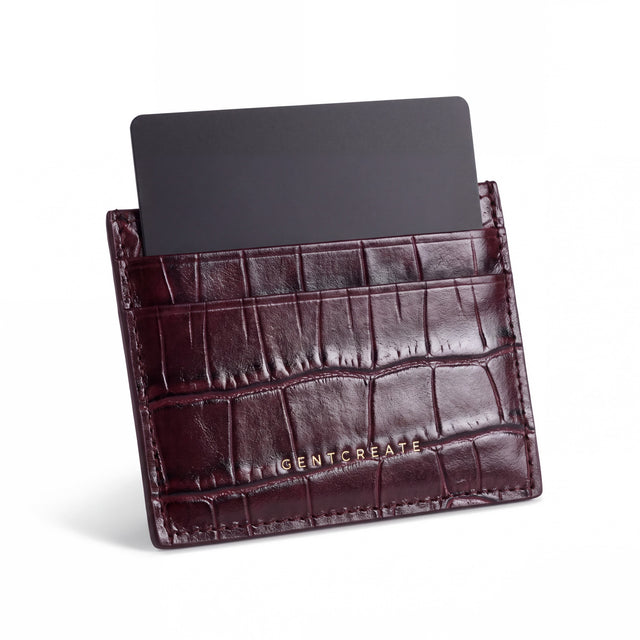
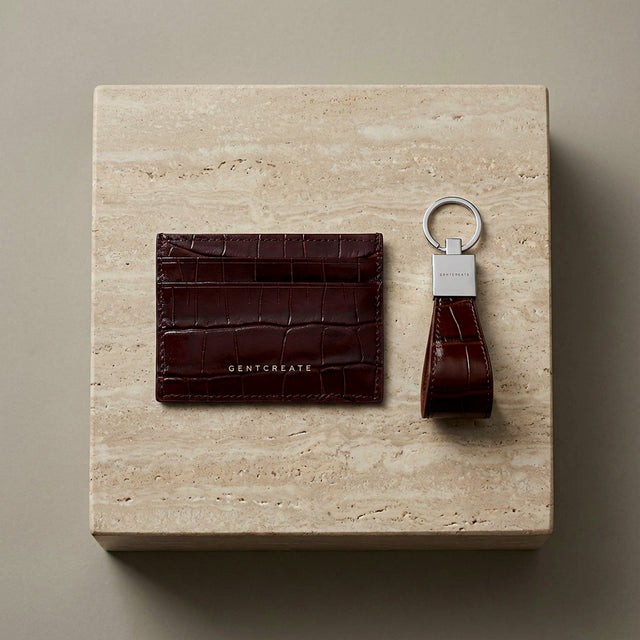
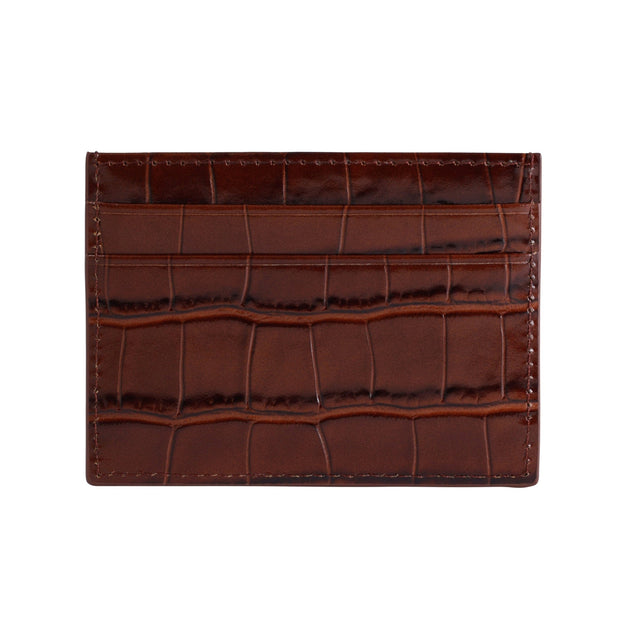
Crocodile Embossed Leather Cardholder
- Product Specifications
- GENTCREATE Crocodile Embossed Leather Cardholder— Our Crocodile Embossed Leather Cardholder is made with premium calfskin leather with an embossed crocodile pattern, it features four card slots and a central ,Lightweight , Luxury , Calfskin Leather , 7.3 cm / 2.87 inch x 10.3 cm / 4,52 inch , available in Black, Burgundy, Green, Navy, Brown .
(47)$130 $180


