

When a leather wallet gets wet, the answer is to empty it immediately, blot the water away with a soft cloth, reshape it by hand, and let it air-dry slowly at room temperature, then condition it once it is fully dry. What you do in the first few minutes matters more than anything else, and the single biggest mistake is rushing the drying with heat.
When a leather wallet gets wet, empty it, blot it dry, reshape it by hand, and let it air-dry slowly away from any heat, then condition it once it is fully dry.
- Act in minutes: empty the wallet, blot don't rub, and you stop most water rings before they set into the grain.
- Never use heat: a hairdryer, radiator, or direct sun bakes the fibers stiff and cracks them, turning a wet wallet into a ruined one.
- Dry slow, then feed: air-dry at room temperature over a day or two, reshape while damp, and condition only once the leather is fully dry.
- The Slow-Dry Rule: on our bench, leather recovers when it loses water at the speed it absorbed it, never faster.
- Water-resistant, not waterproof: full-grain shrugs off a splash and recovers from a soaking, but no leather wallet is truly waterproof.
A soaked wallet feels like an emergency. It is not. Leather is skin, and skin recovers when you treat it gently. The danger is not the water itself but the panic that follows: the hairdryer, the radiator, the windowsill in full sun. Those are what turn a recoverable wallet into a stiff, cracked one.
On our bench we follow one principle we call the Slow-Dry Rule: leather releases water best at the same unhurried pace it took the water in. Force it faster and the fibers shrink unevenly, the grain hardens, and the patina you were earning gives way to brittle, papery panels. This guide walks the whole recovery, from the first blot to the final coat of conditioner. If you want a map of the part names we use along the way, like bays, gussets, and fold lines, our breakdown of every part of a wallet explained is a useful companion.
What happens to leather when a wallet gets soaked?
When leather gets soaked, water pushes into the fiber network, swells it, and strips out the natural oils and finishes that keep the hide supple. Leather is a dense weave of collagen fibers, and those fibers are thirsty: they pull water in fast and let it go slowly.
While the leather is wet, three things are happening at once. The fibers swell and loosen, which is why a wet wallet feels limp and floppy. The tannins and dyes become mobile, which is how water rings and color migration appear. And the conditioning oils that were doing the soft, flexible work get diluted and start to wash out.
The grade of the cut changes how all of this plays out, and we watch it at the bench. Spill the same drop of water on full-grain and on calfskin and they behave like two different materials: on a tight full-grain panel the bead sits and darkens slowly, giving you a window to blot before it sinks; on softer calfskin it vanishes into the surface almost on contact and the panel goes limp sooner. Full-grain, the top layer of the hide with its intact grain, resists penetration longest and recovers best, because that surface is the densest part of the skin. Top-grain has been sanded and sealed, so it sheds a quick splash well but can trap moisture under its finish.
There is a practical reason swelling matters for what you carry. A credit card is roughly 0.76mm thick, and a well-built card bay is cut to hold that with almost no slack. When the leather swells with water, those tolerances vanish: the bay grips the card, which is exactly why a wet wallet feels like it will not let go of your cards. Get them out before the grip tightens.
The trap is ignoring a soak because the wallet "looks fine" once the surface dries. The surface dries first; the core stays damp for hours, and damp leather left folded shut is where mildew and lasting stiffness begin.

What are the first steps to take the moment your wallet gets wet?
The moment a wallet gets wet, empty every pocket, blot the leather with a clean dry cloth, and open it up so air can reach every panel. Speed beats technique here: a card removed in the first minute saves a card bay from a permanent ring.
Work in this order:
- Empty it completely. Pull every card, bill, coin, and receipt. This is the carry-only-what-you-use rule doing emergency duty: the leaner the wallet you carry, the faster it empties and the less paper there is to bleed dye and ink into wet leather. Because a credit card is about 0.76mm thick and a swollen bay closes around it, this gets harder the longer you wait, which is why our ultra-slim card holders, built at roughly 2mm and carrying up to about eight cards, are designed to clear in seconds. Empty it before the leather tightens further.
- Blot, never rub. Press a clean, absorbent cloth flat against the surface and lift. Rubbing drives water deeper and drags loose dye across the grain, smearing a clean wet patch into a stained one.
- Open every fold. Stand a bifold like a tent, fan a trifold's panels, unzip a zip-around fully. Trapped moisture between closed panels is the slowest to leave and the most likely to mark.
- Wick the slots. For card holders and slim front-pocket wallets, slide a folded strip of paper towel gently into each slot to draw moisture out of the seams where hand-stitching meets the edge.
Resist the well-meaning wipe-down with a soaked sponge or a run under the tap "to rinse it." More water is never the fix. You are managing the water that is already there, not adding to it. If you want the broader logic of why moisture and oil balance govern leather's whole life, our guide to conditioning a leather wallet the right way covers the chemistry in plain terms.

Why should you never dry a wet wallet with a hairdryer, radiator, or direct sun?
You should never use a hairdryer, radiator, or direct sun because concentrated heat drives water out faster than the fibers can adjust, shrinking and cracking the leather permanently. Heat does not gently speed drying: it cooks the hide.
Here is the mechanism. Wet collagen fibers are swollen and soft. Blast them with hot air and the surface contracts hard while the core is still saturated, so the layers shrink against each other and the grain seizes into a stiff, wrinkled shell. The natural and added oils, already diluted by water, evaporate off with the heat, leaving the leather dry in the worst sense: empty of the very oils that keep it pliable.
Direct sun is the quiet version of the same crime. UV fades dye and bakes the surface taut while the inside stays damp, which is how you get a wallet that is both faded and stiff. A radiator or heat vent does it slower but just as surely.
| Drying approach | What it does to the leather | Verdict |
|---|---|---|
| Air-dry at room temperature | Even, gradual moisture release; grain stays relaxed | Do this |
| Cool fan, indirect airflow | Speeds air-drying without heat stress | Safe, helps |
| Hairdryer (any heat setting) | Surface shrinks, oils evaporate, grain cracks | Never |
| Radiator / heat vent | Slow bake; stiff, brittle panels | Never |
| Direct sunlight / windowsill | Fades dye, hardens surface, traps inner damp | Never |
The mistake here is impatience dressed up as efficiency. A wallet dried by heat in twenty minutes is often a wallet you replace; a wallet air-dried over a day is one you keep for years. If a soaking left scuffs or scrapes alongside the water marks, our notes on repairing a scratched or worn leather wallet pick up where drying leaves off.
Do rice and silica gel actually help dry out a wet leather wallet?
Rice and silica gel can help pull ambient moisture as a gentle assist, but neither reaches deep into the leather, and rice carries a dust risk, so treat them as backup, not the main method. Air is still the better dryer.
Silica gel is the more sensible of the two. Those little desiccant packets lower the humidity around the wallet, which nudges moisture out of the surface a touch faster without any heat. Tuck several packets near (not crammed inside, where they can press the grain) a wallet that is already blotted and reshaped, and they do quiet, useful work.
Rice is the folk remedy people reach for, and it mostly helps with the air in a sealed container rather than the water locked in the fibers. It dries slowly, leaves dust and starch that can lodge in stitching and card seams, and tempts people to bury the wallet and forget it, which traps it folded shut, the exact thing you want to avoid.
| Method | Reaches deep moisture? | Risk | Best use |
|---|---|---|---|
| Open-air, room temp | Yes, slowly and evenly | None | Primary method |
| Cool fan | Yes, surface and edges | None | Speed up airflow |
| Silica gel packets | Surface and nearby air only | Minimal | Useful backup |
| Uncooked rice | Air around it, not the core | Dust, starch, forgetting it folded | Last resort |
So the sealed-bag-of-rice ritual is no cure. It is a humidity helper at best. The real drying is done by patient airflow and the Slow-Dry Rule, with silica gel as a polite assistant.
How do you reshape and condition a wallet after it has dried?
You reshape a wallet while it is still slightly damp by smoothing it flat by hand, and you condition it only once it is fully dry, working a small amount of conditioner in with a soft cloth. Reshaping and feeding are two steps, in that order, never combined.
Reshape first, while there is still a little give. Lay the wallet flat and press out ripples with your palm. Reseat the fold of a bifold along its original crease, square up a trifold's panels, smooth the card bays so the slots sit straight. If it dried with a curl, gently flex it back and press it under a flat, light weight, like a book on a cloth, for an hour or two. Set the shape now and it holds; let it dry distorted and the distortion sets too.
Then wait. The wallet must be fully dry before any conditioner goes on, because conditioning damp leather seals moisture in and invites mildew. We judge it by two cues, not one: the leather is back to room temperature throughout and no longer cool to the touch, and its weight and flex have returned to normal. A still-damp panel stays slightly heavy and stiff in the hand even when the surface feels close to dry. Both signals together usually arrive after a day or two of air-drying.
When it is dry, condition lightly. A wallet that has been wet has lost oils, and a small amount of leather conditioner replaces what the water washed out, restoring suppleness and helping the grain recover its color depth. Apply a thin film with a soft cloth, in small circles, let it absorb, then buff. Resist over-oiling: too much conditioner darkens and softens leather past where you want it. Our full method lives in the guide to conditioning a leather wallet the right way, and if the wallet feels board-stiff afterward, softening a stiff leather wallet covers bringing the flex back.
Watch for two errors at this stage: conditioning too soon, which seals in damp, or conditioning too much, which drowns the leather in oil and turns a crisp full-grain wallet limp.

How do you prevent water stains and stiffness once leather has gotten wet?
You prevent water stains and stiffness by drying the whole wallet evenly rather than spot-drying, and by conditioning afterward so the leather rehydrates uniformly. A water ring is just a hard line between a wet zone and a dry one, so erase the line by treating the panel as a whole.
If a ring has already formed, the method we use at the bench is counterintuitive: lightly and evenly dampen the entire panel with a barely-moist cloth, then air-dry the whole panel at once. Blending the wet and dry zones into one gradient lets them dry as a unit, which softens or removes the hard edge of the stain. Then condition to even out the color. One caution, though: on dyed calfskin and other dye-mobile panels, re-wetting can move pigment as readily as the first soaking did, so test a hidden corner first and stop if you see color lift. On those leathers, a slow, dry conditioning pass is often the safer way to settle a faint ring.
Stiffness comes from lost oils, so the cure is replacing them: condition after drying, then flex the leather gently with your hands to work the suppleness back through the fibers. Repeat lightly rather than soaking the leather in one heavy coat. A wallet you keep slim and uncluttered helps here too: the less it is forced to bulge around a thick stack, the more evenly it dries and the cleaner it holds its shape afterward.
Chasing one stain with aggressive spot-cleaning almost always backfires, leaving a new ring where your cloth stopped. Whole-panel, even treatment beats targeted scrubbing every time.
Can a leather wallet ever be truly waterproof, or only water-resistant?
A leather wallet can be water-resistant but never truly waterproof, because leather is a natural material with pores that breathe and absorb. Anyone promising a waterproof leather wallet is selling you a coating, not leather.
Water resistance is real and worth having. A tight full-grain surface, a quality finish, and regular conditioning all raise the bar a splash has to clear: rain, a spilled drink, a damp pocket. Saffiano leather, with its cross-hatched coated finish, is notably good at shrugging off surface moisture, which is why it shows up on wallets meant for daily knocks. Coated and embossed finishes like crocodile-embossed and lizard-embossed styles also resist surface water better than open, untreated grain.
But resistance is a delay, not a seal. Submerge any leather wallet, or leave it soaking, and water gets in. The honest claim is that good leather, well cared for, recovers from getting wet, not that it never gets wet. A wallet that has lasted years of small splashes is one that was dried right each time, which is the same habit that decides how long a leather wallet lasts.
The real risk is trusting "water-resistant" as "waterproof" and leaving a wallet in the rain on the strength of a marketing line. Resistance buys you time to act; it does not replace acting.
How does GENTCREATE treat its leather to resist water and recover from getting wet?
GENTCREATE builds water resilience in at the bench by choosing tight, durable cuts of leather and finishing them by hand so the grain stays dense and recovers well after a soaking. Because we control every stitch, fold, and cut, water resistance is a result of how the wallet is made, not a spray added at the end.
It starts with the cut. Our full-grain leather wallets keep the hide's tightest, strongest surface intact, the most durable cut there is, and the one that resists water penetration longest while developing patina over the years. We hand-stitch the bays so the seams hold their shape even when the leather has swelled and relaxed through a wetting-and-drying cycle, and we cut the card slots close around that ~0.76mm card thickness so the wallet stays slim instead of slack.
We also build across the texture range. Saffiano and embossed finishes give a more sealed, splash-shrugging surface for daily carry, while our soft leather wallets in calfskin and supple grains trade some surface armor for a hand-feel that rewards conditioning. Either way, the recovery method is the same one in this guide: blot, reshape, slow-dry, condition.
Our quiet doctrine is minimalism: carry only what you use, and let the leather earn its character honestly over time. Where a style offers it, RFID-protected construction guards the cards you do carry, and every order ships free in a sustainable gift box backed by our product warranty. A wallet that has been caught in the rain and dried correctly does not look worse for it. It looks lived-in, which on full-grain is the point.

Your wet-wallet recovery checklist
Before anything else, decide that the wallet is recoverable and commit to drying it slowly, because patience, not heat, is what saves a soaked wallet.
- Empty it first. Remove all cards, cash, coins, and receipts before the leather tightens its grip around the ~0.76mm cards. The leaner the carry, the faster it clears.
- Blot, don't rub. Press a dry cloth flat to lift water; rubbing spreads dye and pushes moisture deeper.
- Open every fold. Stand or fan the wallet so air reaches every panel and seam.
- No heat, ever. Skip the hairdryer, radiator, heat vent, and direct sun without exception.
- Air-dry slow. Room temperature, indirect airflow, one to two days, the Slow-Dry Rule.
- Use silica gel as backup. Helpful nearby; skip the rice unless it is your last option.
- Reshape while damp. Smooth panels flat, reseat folds, square the card bays, weight out curls.
- Wait for fully dry. No longer cool to the touch, and weight and flex back to normal, before any conditioner goes on.
- Condition lightly. A thin coat to replace washed-out oils; buff, then flex to restore suppleness.
- Treat whole panels. Blend water rings by evenly dampening and drying the entire area, and test dyed calfskin first.
Frequently asked questions
A soaked wallet is almost always recoverable, and these answers cover the questions that come up most once the panic passes.
Will my leather wallet be ruined now that it got wet? Most likely no: a wet wallet is recoverable as long as you dry it slowly and avoid heat. The damage that ruins wallets comes almost entirely from the drying mistakes, not the water. Blot it, reshape it, air-dry it over a day or two, and condition it once dry, and a soaked wallet usually returns to service looking lived-in rather than damaged.
How long should a wet leather wallet take to dry? A thoroughly wet leather wallet typically needs one to two days to dry fully at room temperature. The surface dries within hours, but the fiber core holds moisture far longer, so judge dryness by two cues together: the leather is no longer cool to the touch anywhere, and its weight and flex have come back to normal. If a panel still feels slightly heavy or stiff, give it more time before conditioning.
Can I put my leather wallet in the dryer or microwave? Never: a clothes dryer or microwave will destroy leather with concentrated heat. Both shrink the fibers violently and bake out the oils, cracking and warping the wallet beyond repair, and a microwave can ignite any metal in cards or a money clip. Air-drying is the only safe method.
Why did a water stain or ring appear after my wallet dried? A water ring appears because part of the leather dried faster than the rest, leaving a hard line in the grain. The fix is to evenly dampen the whole panel with a barely-moist cloth and let it dry as one piece, blending the line away, then condition to even the color. On dyed calfskin, test a hidden spot first, since re-wetting can move pigment. Spot-drying is what causes rings in the first place.
Does conditioner make a leather wallet waterproof? No: conditioner improves water resistance but does not waterproof leather. It replaces oils and helps the surface shed light moisture and recover from a soaking, which raises the splash a wallet can take before water gets in. Leather still breathes and absorbs, so treat conditioning as resilience, not a seal.
Should I condition my wallet every time it gets wet? Yes: a wetting washes out oils, so a light conditioning after the wallet is fully dry is the right move. Keep the coat thin to avoid over-softening or darkening, and flex the leather afterward to work the suppleness back through. If the wallet still feels stiff, a second light pass over a day or two does more than one heavy one.
A wallet caught in the rain is not a loss. It is leather doing what skin does, and recovering the way good leather should. When you are ready for a wallet built to take that life, our full-grain collection is where the recovery starts.
-






 Save $16 USD
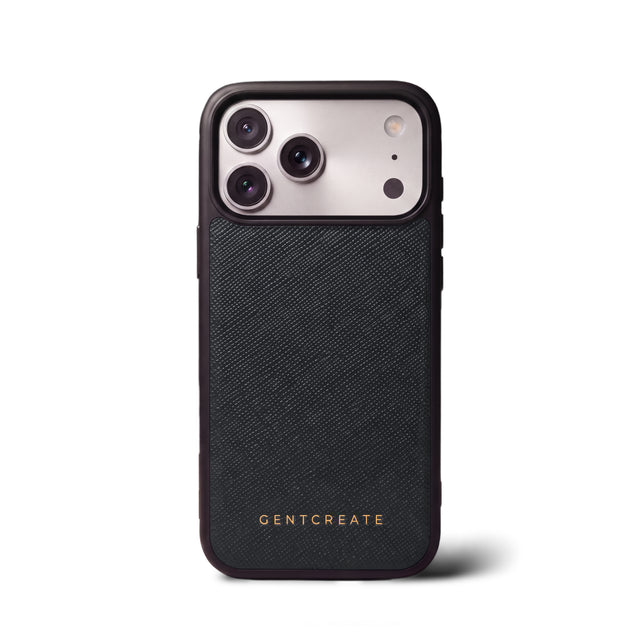
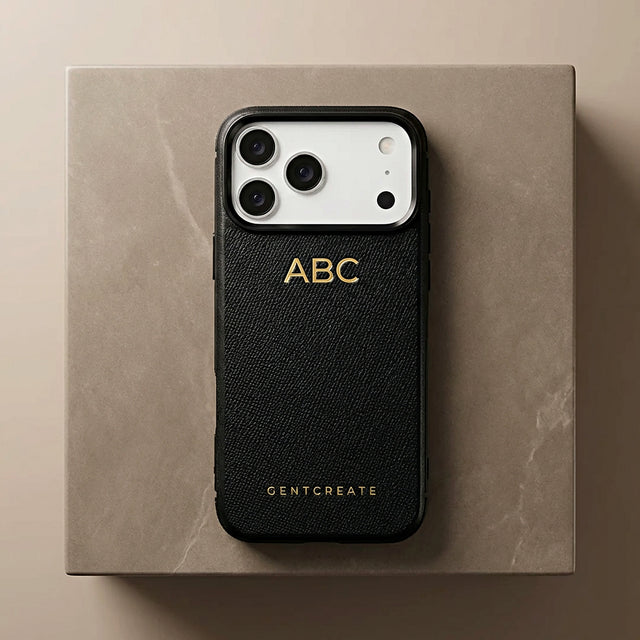
Leather iPhone Case Saffiano Pattern
- Product Specifications
- GENTCREATE Leather iPhone Case Saffiano Pattern— Uniquely Designed Contemporary Genuine Leather iPhone Case by Gentcreate Looking for a luxury leather iPhone case that will keep your device safe and ,Non-Slip, Gritty Feel, Raised Camera Edge , Luxury , Calfskin Leather , fits iPhone 18 Pro Max, iPhone 18 Pro, iPhone 18, iPhone 17 Pro Max, iPhone 17 Pro, iPhone 17, iPhone 16 Pro Max, iPhone 16 Pro, iPhone 16, iPhone 15 Pro Max, iPhone 15 Pro, iPhone 15, iPhone 14 Pro, iPhone 14 Plus, iPhone 14 Pro Max, iPhone 14 , available in Navy, Black .
(60)From $59 $75 -




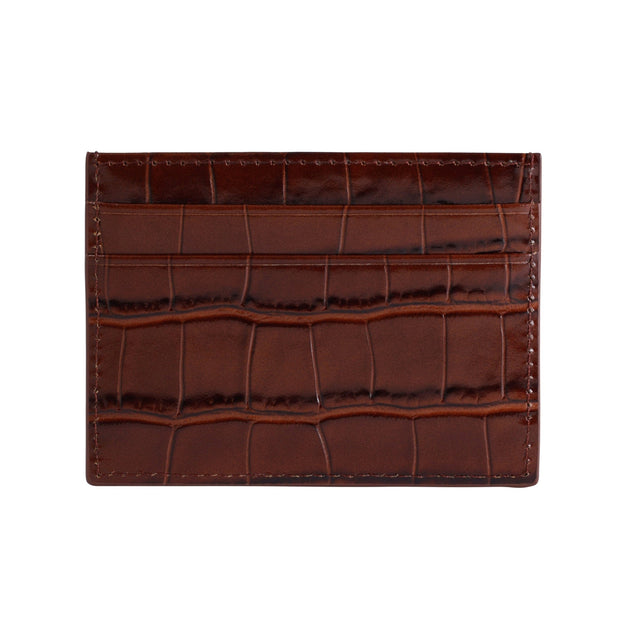


 Save $50 USD
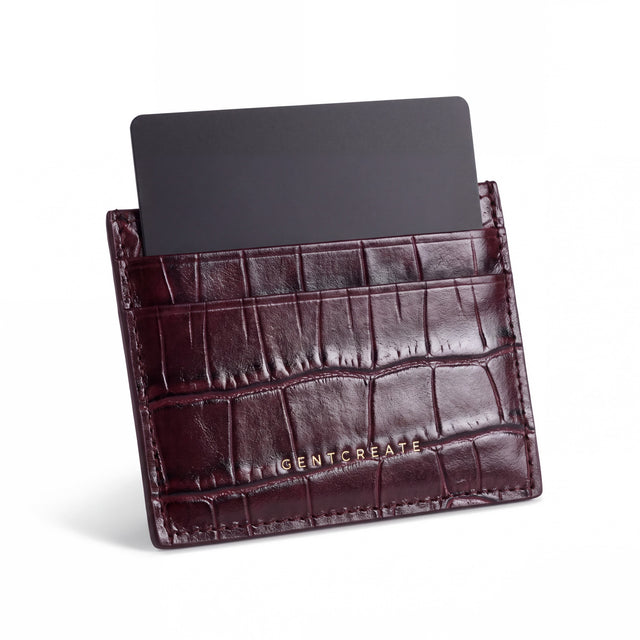
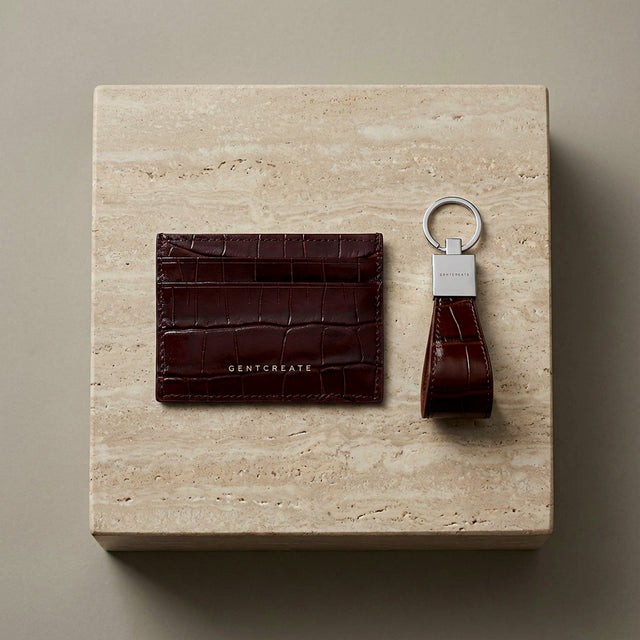
Crocodile Embossed Leather Cardholder
- Product Specifications
- GENTCREATE Crocodile Embossed Leather Cardholder— Our Crocodile Embossed Leather Cardholder is made with premium calfskin leather with an embossed crocodile pattern, it features four card slots and a central ,Lightweight , Luxury , Calfskin Leather , 7.3 cm / 2.87 inch x 10.3 cm / 4,52 inch , available in Black, Burgundy, Green, Navy, Brown .
(47)$130 $180 -


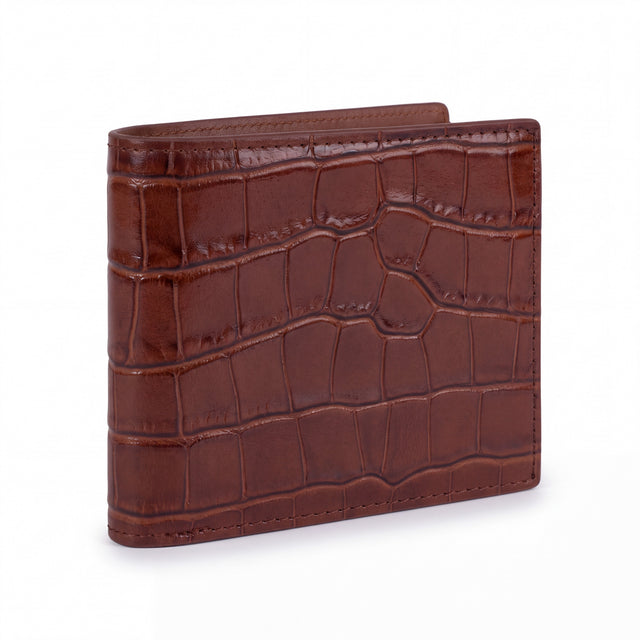


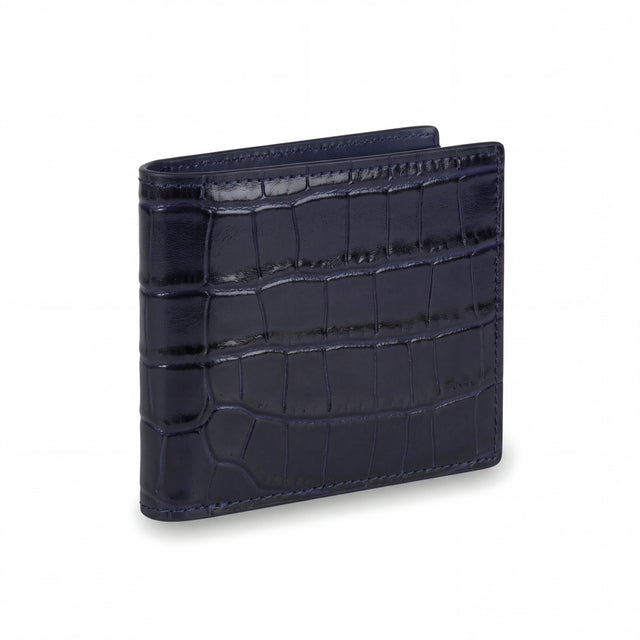


 Save $85 USD
Crocodile Embossed Leather Wallet
- Product Specifications
- GENTCREATE Crocodile Embossed Leather Wallet— The crocodile bifold leather wallet is made from premium calfskin with a crocodile-embossed texture, offering a luxurious and timeless appeal. ,Lightweight , Luxury , Calfskin Leather , 9.5 cm / 3.74 inch x 11.5 cm / 4.52 inch , available in Black, Green, Brown, Burgundy, Navy .
(37)$165 $250 -


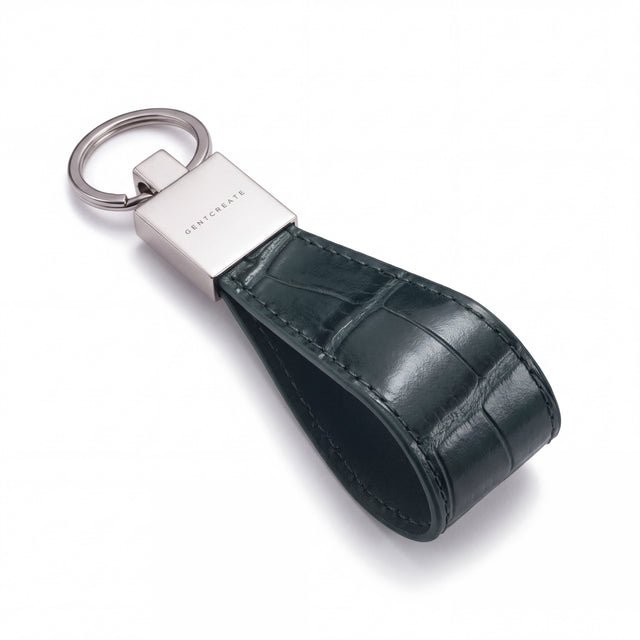


 Save $38 USD
Crocodile Leather Keychain
- Product Specifications
- GENTCREATE Crocodile Leather Keychain— Crocodile Leather Keychain - Leather Accessories For Men and Women Made as a part of our crocodile leather accessories set, this keychain will only improve ,Stainless Steel , Luxury , Calfskin Leather , available in Black, Burgundy, Green, Navy, Brown .
(18)$59 $97 -


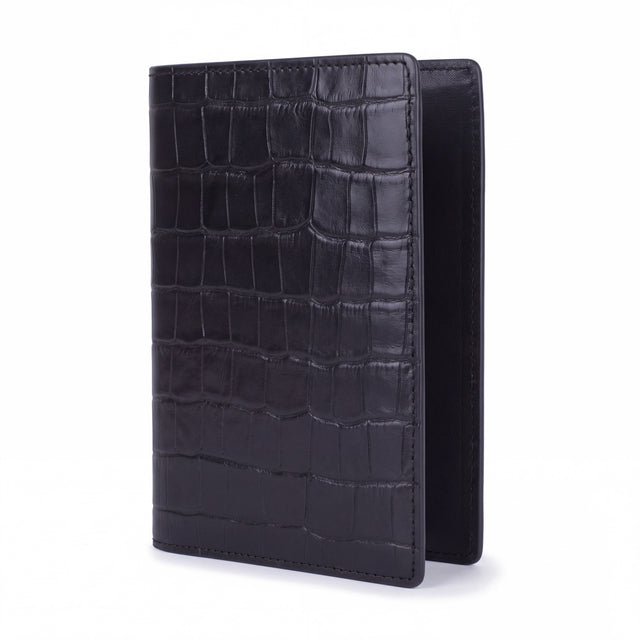


 Save $25 USD
Crocodile Leather Passport Holder
- Product Specifications
- GENTCREATE Crocodile Leather Passport Holder— The perfect companion for your travels, the Crocodile Leather Passport Holder combines elegance and practicality. ,Boarding Pass Pocket and Card Slots , Luxury , Calfskin Leather , 10.6 cm / 4.17 inch x 14.7 cm / 5.8 inches , available in Black, Brown, Navy .
(21)$130 $155 -


 Save $55 USD
Glossy Leather Passport Holder
- Product Specifications
- GENTCREATE Glossy Leather Passport Holder—Boarding Pass Pocket, Nappa Leather Interior , Luxury , Calfskin Leather , 10.6 cm / 4.17 inches x 14.7 cm / 5.8 inches , available in Black, Blue, Burgundy, Green .
(21)$190 $245


