

To repair a leather wallet, you match the repair to the damage and to the cut of leather: buff light scratches with a clean cloth and conditioner, rehydrate deep cracks slowly, re-stitch a loose seam by hand, and re-dye a faded face, while accepting that coated or bonded leather can only be patched, never truly restored. Most "ruined" wallets are not ruined at all. They are dry, scuffed, or quietly fraying at one seam, and the leather underneath is still good.
You repair a leather wallet by matching the fix to the damage: buffing light scratches with conditioner, rehydrating cracks, re-stitching loose seams, and re-dyeing fades, while accepting that coated or bonded leather has limits that full-grain does not.
- Match the fix to the cut: full-grain rewards buffing, conditioning, and re-dyeing, while coated and bonded leather peels because the damage is in the finish, not the hide.
- Start with the gentlest fix: our Damage Ladder method tries conditioning before color and color before stitching, because in our experience most marks are surface oils waiting to be moved.
- Cracks are thirst, not death: deep cracks mean the leather dried out and needs slow rehydration, not aggressive scrubbing that drives the split deeper.
- Stitching is a repair, not a replacement: a torn card slot or loose seam can be hand-sewn back into a quality wallet, which is why construction decides restorability.
- Restore quality, replace plastic: a full-grain wallet is worth the bench time, and a bonded-leather wallet that flakes is telling you the material was never built to come back.
On our bench, we sort every worn wallet the same way before touching it. We call it the Damage Ladder: identify the layer the damage lives in (surface oils, the dye, the finish, the stitch, or the hide itself), then start with the gentlest rung that reaches it. A scratch that disappears under a thumb of conditioner never needed a knife. This guide walks each rung in order so you spend effort where it actually counts.
A quick honesty note: in our experience, full-grain leather tends to repair beautifully because the damage is usually in the surface, and the surface is the real hide. Coated, bonded, and heavily corrected leathers fight you because the part that fails is a thin finish glued on top. Knowing which you own is half the repair, so we start there.
What causes a leather wallet to scratch, peel, or crack in the first place?
A leather wallet scratches, peels, or cracks because of three different failures: abrasion on the surface, a finish separating from the hide, or the leather drying out from the inside, and each one demands a different fix. Treating all three the same is, in our experience, where most home repairs go wrong.
Scratches are abrasion. Keys, coins, a denim back pocket, a desk edge: anything harder than the surface drags a line through it. On full-grain leather these are often shallow and cosmetic, because the dense top grain is the toughest cut there is. The fibers are displaced, not destroyed, which is exactly why a scratch can frequently be coaxed back.
Peeling and flaking are a finish problem, not a leather problem. Genuine peeling, sheets or flakes lifting away, almost always means a pigment coating or a layer of bonded leather (leather scraps pressed with adhesive and topped with a plastic film) is delaminating. Real full-grain does not peel, because there is no separate skin to peel off.
Cracking is thirst. Leather is skin, and skin without oils gets stiff and brittle, then splits along fold lines under stress. The trap here is impatience: scrubbing a dry, cracked wallet only grinds the split wider. Cracks want hydration and time, not pressure. If you want the full prevention picture, our guide on how long a leather wallet lasts covers what actually wears a wallet out over years of carry.
How do you buff out light surface scratches on a leather wallet at home?
You buff out a light scratch by warming the leather and redistributing its own oils: rub the mark gently with a clean, dry microfiber cloth, then with a fingertip of leather conditioner, working in small circles until the line softens. In our experience, on full-grain that is usually the whole repair.
Start dry. The warmth and slight friction of a soft cloth alone will pull many fresh scuffs back, because you are nudging displaced fibers and surface oils back into line. Go slow and check often. If the scratch is still visible, move up one rung.
Now add conditioner. Put a small amount on the cloth, never flood the leather, and massage it over the scratched area and a little beyond, so the finish stays even. The reintroduced oils darken and relax the fibers, and the scratch blends into the surrounding tone. For deeper-but-still-surface marks, the back of a clean spoon or a bone folder can lightly press the area while it is supple.
What to avoid is heat and abrasives. Hair dryers on high, household cleaners, magic-eraser sponges, and rough cloths strip or burn the finish and leave a dull patch worse than the scratch. Patience is the tool here. Our full walkthrough on conditioning a leather wallet the right way covers product choice and frequency so a buff today does not become a crack next winter.

How do you fix peeling edges or flaking on a coated or bonded leather wallet?
You fix peeling on a coated or bonded wallet by managing it, not curing it: trim the loose flakes, smooth and seal the edge with a thin leather finish or edge coat, and accept that a delaminating film will keep lifting because the failure is structural. This is the one repair where honesty matters more than technique.
If your wallet is genuinely peeling, the surface that is failing is a layer sitting on top of the leather, and once it separates from the substrate, there is no glue that reliably re-bonds it for the long term. You can slow it. Gently snip away the lifted flakes with small scissors so they do not catch and spread, then apply a thin leather finish or a flexible top coat to seal the exposed edge and reduce further lift. A matching cream can blend the tone.
For edges specifically, the cut sides of the panels, a dedicated edge paint or edge coat, applied in thin layers and burnished lightly, can clean up fraying and give a tidy, finished line. This works on most wallets because the edge is a controllable surface.
What is worth internalizing: this is maintenance on borrowed time. When a wallet peels, the material is telling you it was built finish-first. That is precisely the distinction we draw in how to tell if a leather wallet is well made: a wallet that peels was assembled to a price, not to last.
How do you rehydrate and treat deep cracks in dried-out leather?
You treat deep cracks by rehydrating slowly: clean the surface, apply a generous-but-thin coat of conditioner, let it absorb for hours, and repeat over several days so the oils reach deep into the fibers rather than sitting on top. Cracks are a hydration emergency, and the cure is patience, not force.
First, lightly clean the wallet with a barely-damp cloth to lift grit, then let it dry fully at room temperature, never near a heater. Grinding conditioner over trapped dirt drives grit into the split. Once clean and dry, work conditioner into the cracked area and the surrounding leather with your fingertips, going gently across the cracks rather than scrubbing along them.
Then wait. Leather drinks slowly. One heavy coat cannot fix what months of dryness created, so apply a thin layer, give it several hours or overnight, and reapply. Over two or three rounds, the fibers relax, the leather darkens and softens, and fine cracks close or fade substantially. Deep structural cracks at a fold may never vanish entirely, but they stop spreading, which is the real win.
What ruins the result is the quick fix: thick globs of conditioner, oils not meant for leather, or heat to "speed absorption." These clog the surface, can go rancid, or bake the hide brittle. If cracking followed a soaking, the order of operations changes. Read what to do when a leather wallet gets wet first, because drying technique determines whether water turns into permanent cracks.

How do you repair loose stitching or a torn card slot in a wallet?
You repair loose stitching or a torn card slot by hand-sewing it back with a saddle stitch: use a strong waxed thread and two needles, follow the original holes, and lock the ends so the seam cannot unravel. This is the most satisfying rung on the ladder, because a stitch repair restores function completely.
When we hand-stitch a card bay on our bench, we use a saddle stitch: two needles on one waxed thread, passing through each hole from both sides so the seam is self-locking. To repair, thread up, find where the original stitching failed, back up two or three holes into the intact seam for overlap, and sew forward through the existing holes. Pull each pass snug and even. At the end, backstitch two holes and trim close.
A torn card slot, where the slit edge has split or pulled away, is sewn the same way along the slot's perimeter, sometimes with a thin leather reinforcement behind it if the tear is wide. The original holes are your guide; reusing them keeps the repair invisible and avoids weakening the leather with new perforations.
One caution: do not reach for glue alone on a structural seam. Adhesive on a card slot or spine is a temporary patch that fails under daily flexing and leaves a stiff ridge. Stitch it. To know which seams matter most and what a well-built one looks like, see the anatomy of a wallet with every part explained.

Can you re-dye or recolor a faded leather wallet, and how?
Yes, you can re-dye a faded leather wallet by cleaning it, applying a leather dye or pigmented cream in thin, even coats, and sealing it with a finish, though the result depends heavily on whether you own full-grain or a coated leather. Re-dyeing rescues a tired wallet, but it rewards restraint.
The process: clean the leather and let it dry, then apply your color in thin layers with a sponge or cloth, building tone gradually rather than chasing full coverage in one pass. Let each coat dry, buff lightly, and add the next until the color is even. Finish with a sealant or top coat to lock the dye and protect it, then condition once it has cured.
There are two honest paths. A leather dye penetrates the fibers and works best on uncoated, absorbent leather like full-grain: it looks natural because the color lives in the hide. A pigmented cream or color restorer sits more on the surface and is the better choice for already-finished or lightly coated wallets, where a penetrating dye would bead up. Match the method to the material.
The thing to guard against is over-application: heavy coats crack, transfer onto cash and cuffs, and look painted. Thin and patient wins. And remember the doctrine: full-grain develops a patina, a deepening of tone with use that is the leather earning its character. Before you re-dye, ask whether you are covering a flaw or erasing the very patina that makes the wallet yours. If you started with a custom monogram or initials from our Custom Leather Wallets line, dye gently around it so the personalization stays crisp.
When is a wallet worth restoring versus when should you replace it?
A wallet is worth restoring when the leather itself is sound and the construction is solid (full-grain, hand-stitched, repairable seams) and worth replacing when the failure is structural to a cheap material, like bonded leather peeling or a glued seam that keeps splitting. The decision is really a question about the cut and the build, not the scratch.
Run the Damage Ladder one last time. If the damage lives in the surface, the dye, or a single stitch, restore: those are all fixable, often at home. If the damage is the material (a finish delaminating, bonded leather flaking, a spine held by adhesive that won't hold thread) replacing is the rational call, because you would be repairing the same failure forever.
| Sign | Restore | Replace |
|---|---|---|
| Light scratches, scuffs, dull finish | Yes, buff and condition | No |
| Dry, fine cracks in sound leather | Yes, rehydrate over days | No |
| Loose or broken stitching | Yes, hand-sew the seam | No |
| Faded color on full-grain | Yes, re-dye or re-cream | No |
| Surface peeling / flaking sheets | Patch only | Likely, finish is failing |
| Bonded leather crumbling | No | Yes, material is spent |
| Spine/slot held by glue, re-splitting | No | Yes, not built to stitch |
| Sentimental, well-made, repairable | Yes, worth bench time | No |
The kindest test is whether a craftsperson could fix it. If yes, it was built to be fixed. If no, it was built to be discarded, and that is worth remembering for the next one. When a wallet does fall on the replace side, it is worth choosing the next one for restorability from the start: that is the whole reason our full-grain leather wallets are built around a hide that reconditions instead of a coating that peels. A wallet still covered by its product warranty is also worth a quick check with the maker before you reach for the dye.
How does GENTCREATE build full-grain wallets to be restored rather than thrown away?
GENTCREATE full-grain wallets are built to be restored because every choice (the cut, the hand-stitching, the finish) keeps the repair rungs open, so a scratch buffs out, a seam re-sews, and the surface re-dyes instead of peeling away. When the maker controls every stitch, fold, and cut, restorability is a decision, not an accident.
Full-grain is the most durable cut of leather and the one that develops a patina, which means our wallets are designed to look better as they age, not worse: a scratch becomes character, not damage. Because the color lives in the hide rather than a coating, there is nothing to delaminate; there is only leather to recondition and, if you wish, re-dye.
Hand-stitching is the quiet hero of repair. A saddle-stitched seam can be opened and re-sewn through its own holes, where a glued or machine-locked seam cannot. That is why a torn card slot on a well-built wallet is a bench job, not a funeral. This is the minimalist doctrine in practice: carry only what you use, in something made well enough to keep, and, through our Custom Leather Wallets line, made personal enough to want to. Each piece arrives in a sustainable gift box with free shipping, and selling direct from the maker is what lets us put that work into every wallet without a middleman's markup. You can see the result across our handmade leather wallets collection.

Your leather wallet repair checklist
Decide first whether your wallet is full-grain or coated, because that single answer determines whether the damage is worth fixing or worth replacing.
- Identify the leather first: full-grain restores; coated and bonded leather can only be patched.
- Climb the Damage Ladder: try conditioning before color, color before stitching, stitching before replacing.
- Buff scratches with a dry cloth, then conditioner: small circles, thin product, no heat.
- Rehydrate cracks slowly: thin coats over several days, never thick globs or a hair dryer.
- Trim, don't chase, peeling flakes: seal the edge and accept it is maintenance, not a cure.
- Saddle-stitch loose seams and torn slots: reuse the original holes; skip glue on structural seams.
- Re-dye in thin coats: dye for full-grain, pigmented cream for coated; seal and condition after.
- Ask if a craftsperson could fix it: if yes, restore; if no, the material was built to be discarded.
Frequently asked questions
Most leather wallet repairs come down to the same principle: match the fix to the damage and to the cut of leather, and the answers below cover the questions we hear most.
Can you fix scratches on a leather wallet without products? Often yes: a dry microfiber cloth and your own body heat will pull many fresh, light scratches back. Rub the mark gently in small circles; the warmth and friction redistribute the leather's surface oils and relax displaced fibers. If the line persists, a fingertip of conditioner usually finishes the job. Deep gouges, though, need more than a cloth.
Does peeling leather mean my wallet is fake? Not fake, but it means the wallet is coated or bonded leather rather than full-grain. Real full-grain does not peel, because there is no separate finish layer to lift away. Peeling is a thin pigment film or pressed-and-glued bonded leather delaminating from its backing. You can trim and seal the flakes to slow it, but the failure is structural to that material.
How do I stop my leather wallet from cracking again? Condition it regularly before it dries out: cracks are a hydration problem, and prevention is far easier than repair. A thin coat of conditioner every few months keeps the fibers supple so they flex at fold lines instead of splitting. Keep the wallet away from direct heat and prolonged sun. Our conditioning guide details how often to treat your specific leather.
Will re-dyeing ruin the natural patina of full-grain leather? It can, which is why we suggest re-dyeing only when fading is genuinely uneven, not just deepening. Patina is full-grain leather earning its character: a richening of tone that makes the wallet yours. A heavy re-dye erases that story. If the color is simply darker and lovelier with age, condition it and leave the dye alone.
Is it worth paying a professional to repair a leather wallet? For a well-made full-grain wallet with sentimental or lasting value, yes: a leather repair specialist can re-stitch, re-dye, and restructure beyond home methods. For bonded or coated wallets that peel or crumble, professional repair rarely makes economic sense, because the material itself is failing. The honest test remains: if a craftsperson can fix it, it was built to be fixed.
Can a torn card slot really be repaired invisibly? Yes: sewn by hand through the original stitch holes, a torn card slot repair is nearly invisible and fully functional again. Reusing the existing holes means no new perforations to weaken the leather, and a saddle stitch self-locks so it won't unravel. Wide tears may get a thin leather backing behind the slot for strength. Glue alone, by contrast, leaves a stiff ridge that fails.
A scratched or worn wallet is rarely the end of the story, and if you ever want one built from the start to be restored rather than replaced, our full-grain leather wallets, finished by the maker and personalized to order, are made for exactly that.
-


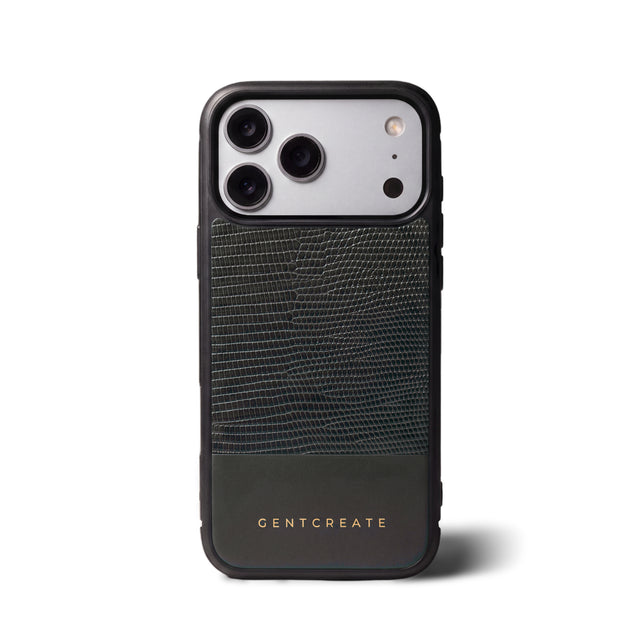


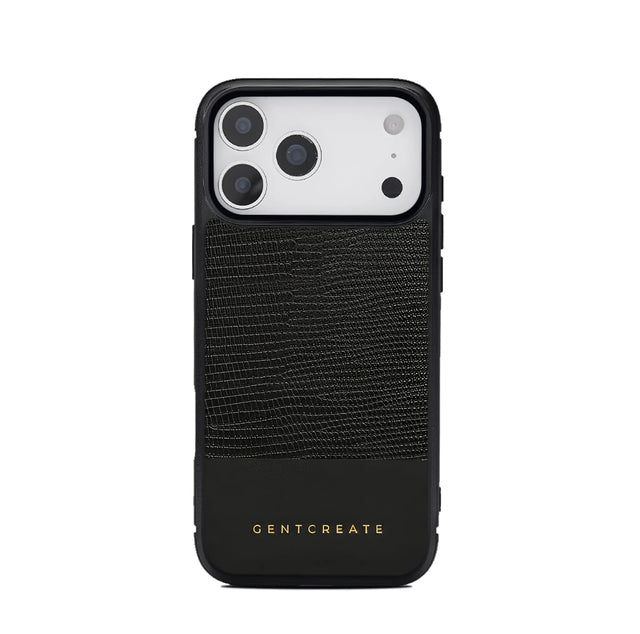


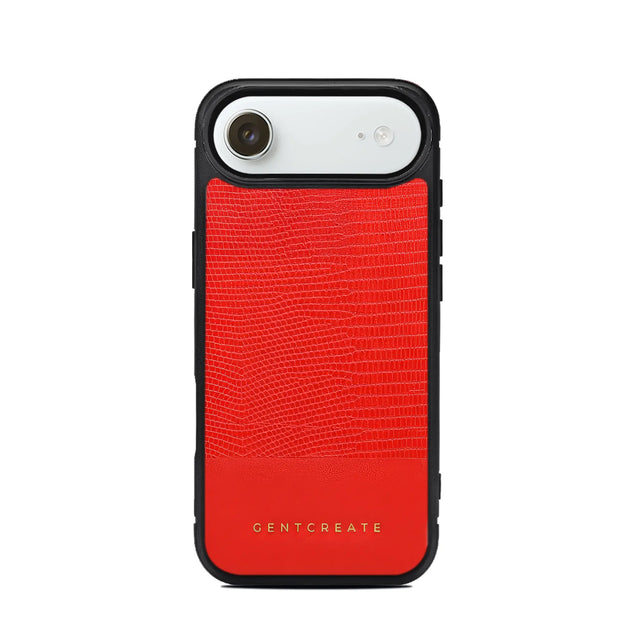


 Save $19 USD
Leather iPhone Case Lizard Pattern
- Product Specifications
- GENTCREATE Leather iPhone Case Lizard Pattern— Leather iPhone Case Lizard Pattern - Luxury Minimalistic Phone Case Our Lizard Leather iPhone case from Gentcreate is the perfect blend of style and ,Rubber Edge, Raised Camera Edge , Luxury , Calfskin Leather , fits iPhone 18 Pro Max, iPhone 18 Pro, iPhone 18, iPhone 17 Pro Max, iPhone 17 Pro, iPhone 17, iPhone 16 Pro Max, iPhone 16 Pro, iPhone 16, iPhone 15 Pro Max, iPhone 15 Pro, iPhone 15, iPhone 14 Pro Max, iPhone 14 Pro, iPhone 14 , available in Gray, Black, Orange, Green, Red, Yellow .
(46)From $79 $98 -


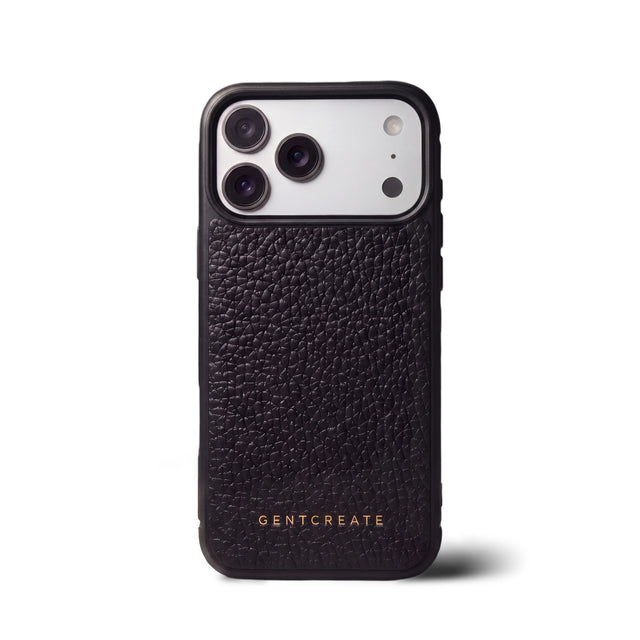


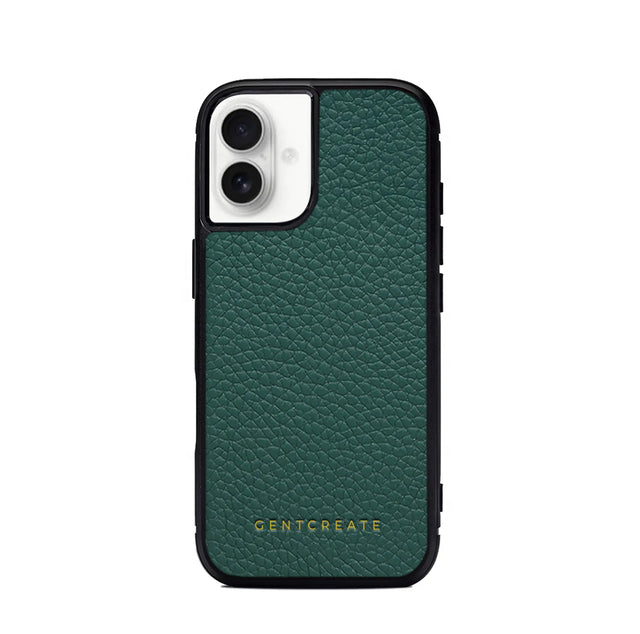


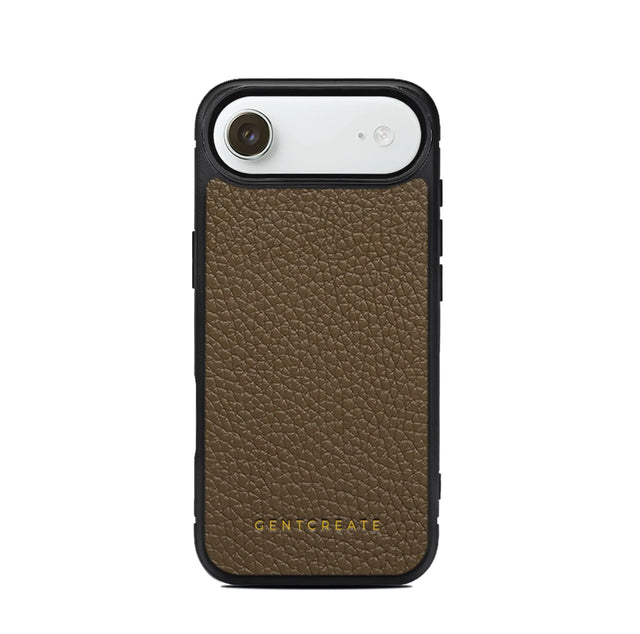

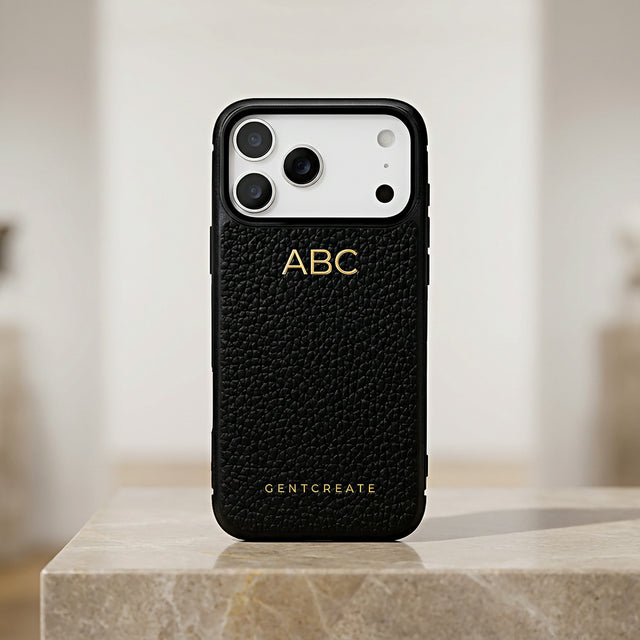


 Save $9 USD
Leather iPhone Case Pebble Pattern
- Product Specifications
- GENTCREATE Leather iPhone Case Pebble Pattern— Handmade Leather iPhone Case with a Pebbled Pattern This handmade Leather iPhone Case with a distinct pebble pattern is a really good value price purchase ,Rubber Edge, Raised Camera Edge , Luxury , Calfskin Leather , fits iPhone 18 Pro Max, iPhone 18 Pro, iPhone 18, iPhone 17 Pro Max, iPhone 17 Pro, iPhone 17, iPhone 16 Pro Max, iPhone 16 Pro, iPhone 16, iPhone 15 Pro Max, iPhone 15 Pro, iPhone 15, iPhone 14 Pro Max, iPhone 14 Pro, iPhone 14 , available in Navy, Black, Green, Brown, Khaki .
(29)From $65 $74 -




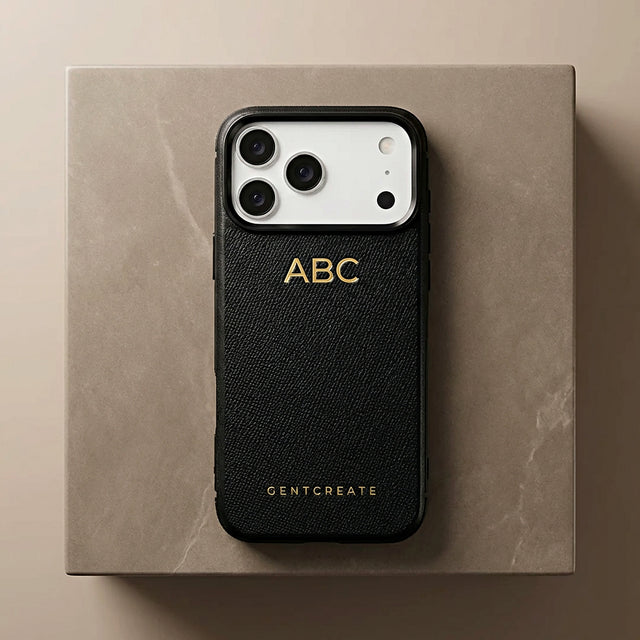


 Save $16 USD
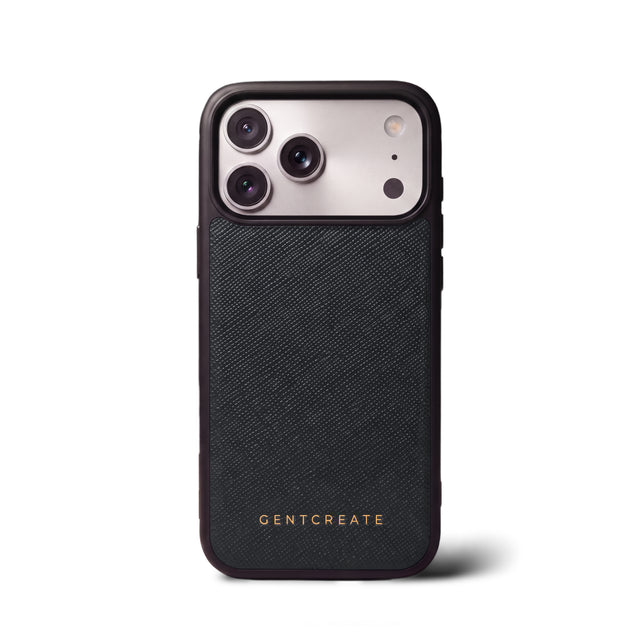
Leather iPhone Case Saffiano Pattern
- Product Specifications
- GENTCREATE Leather iPhone Case Saffiano Pattern— Uniquely Designed Contemporary Genuine Leather iPhone Case by Gentcreate Looking for a luxury leather iPhone case that will keep your device safe and ,Non-Slip, Gritty Feel, Raised Camera Edge , Luxury , Calfskin Leather , fits iPhone 18 Pro Max, iPhone 18 Pro, iPhone 18, iPhone 17 Pro Max, iPhone 17 Pro, iPhone 17, iPhone 16 Pro Max, iPhone 16 Pro, iPhone 16, iPhone 15 Pro Max, iPhone 15 Pro, iPhone 15, iPhone 14 Pro, iPhone 14 Plus, iPhone 14 Pro Max, iPhone 14 , available in Navy, Black .
(60)From $59 $75 -
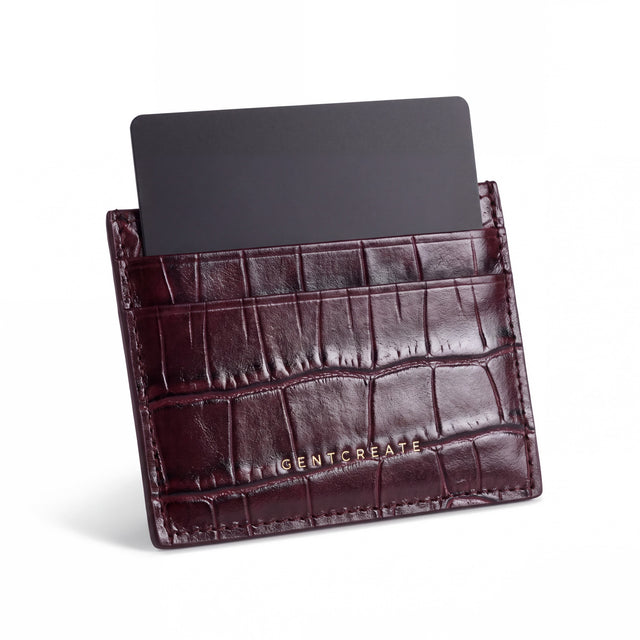


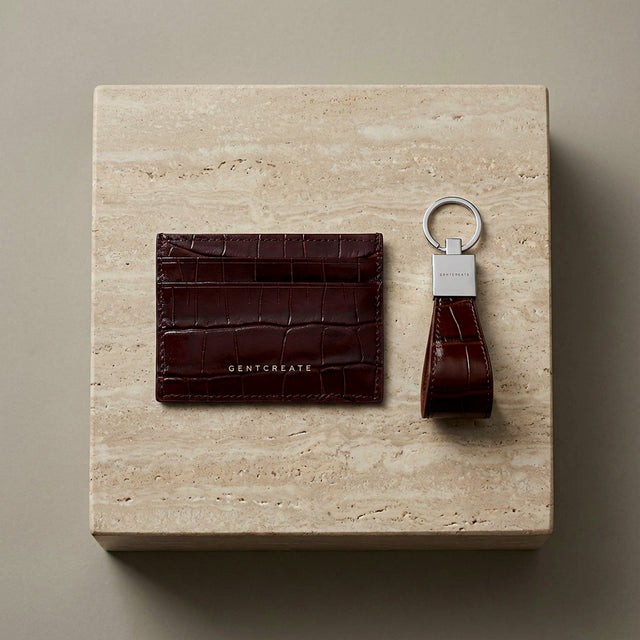


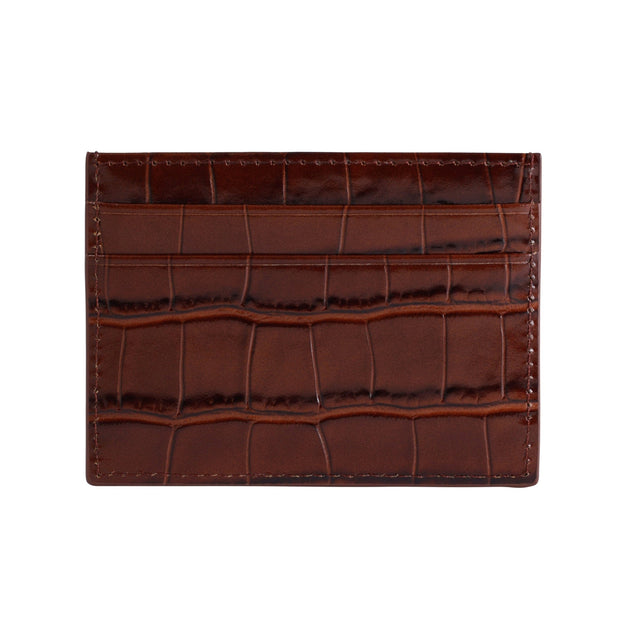


 Save $50 USD
Crocodile Embossed Leather Cardholder
- Product Specifications
- GENTCREATE Crocodile Embossed Leather Cardholder— Our Crocodile Embossed Leather Cardholder is made with premium calfskin leather with an embossed crocodile pattern, it features four card slots and a central ,Lightweight , Luxury , Calfskin Leather , 7.3 cm / 2.87 inch x 10.3 cm / 4,52 inch , available in Black, Burgundy, Green, Navy, Brown .
(47)$130 $180 -






 Save $85 USD
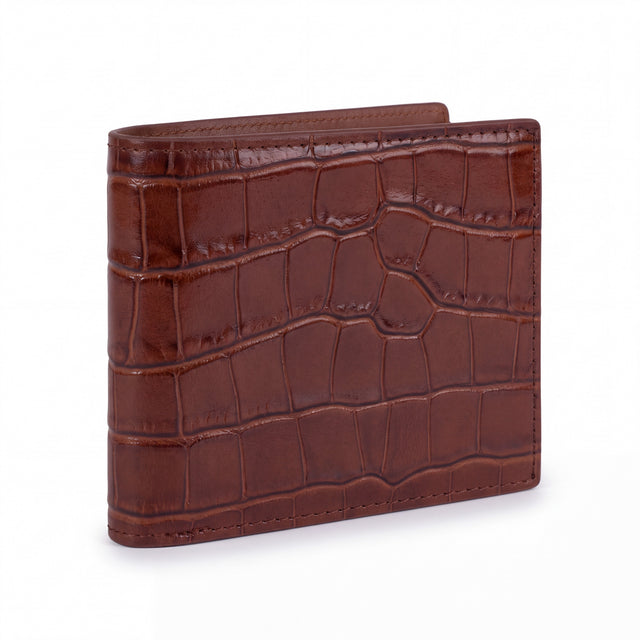
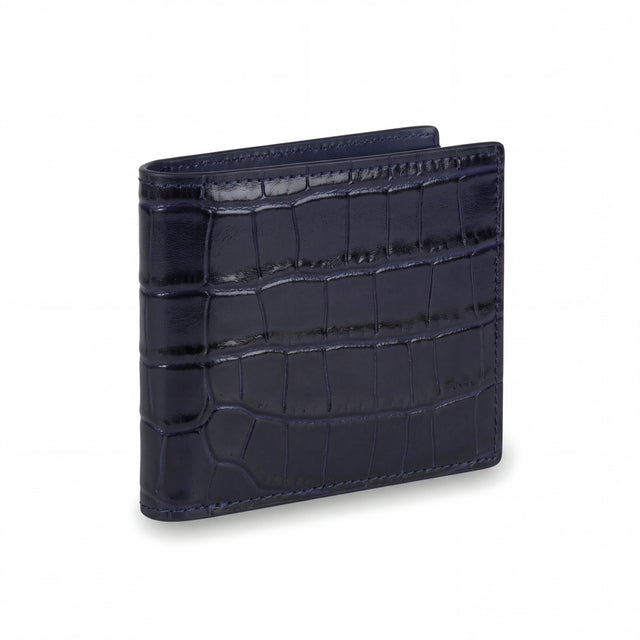
Crocodile Embossed Leather Wallet
- Product Specifications
- GENTCREATE Crocodile Embossed Leather Wallet— The crocodile bifold leather wallet is made from premium calfskin with a crocodile-embossed texture, offering a luxurious and timeless appeal. ,Lightweight , Luxury , Calfskin Leather , 9.5 cm / 3.74 inch x 11.5 cm / 4.52 inch , available in Black, Green, Brown, Burgundy, Navy .
(37)$165 $250 -




 Save $38 USD
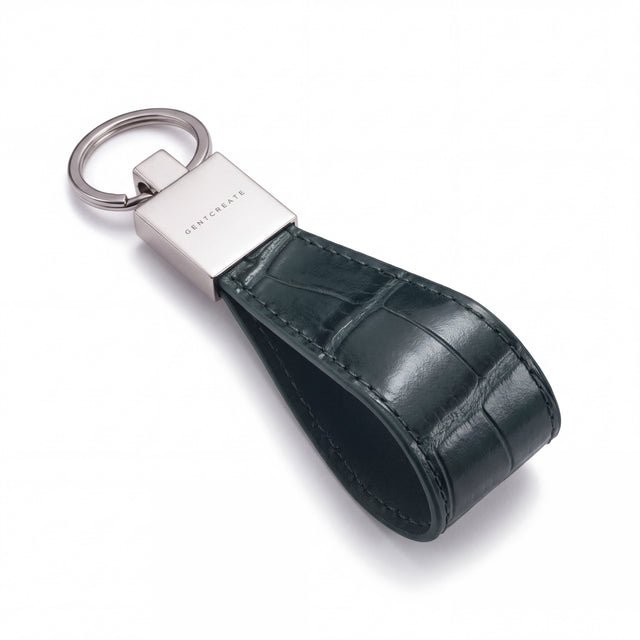
Crocodile Leather Keychain
- Product Specifications
- GENTCREATE Crocodile Leather Keychain— Crocodile Leather Keychain - Leather Accessories For Men and Women Made as a part of our crocodile leather accessories set, this keychain will only improve ,Stainless Steel , Luxury , Calfskin Leather , available in Black, Burgundy, Green, Navy, Brown .
(18)$59 $97


