

A well-made full-grain leather wallet realistically lasts ten to twenty years or more, while a cheap bonded or genuine leather wallet often gives out within two to four. The gap is not luck. It comes down to three things: the grade of leather, the way the wallet is built, and how it is carried day to day.
A well-made full-grain leather wallet realistically lasts ten to twenty years or more with basic care, while cheaper bonded or genuine leather wallets often fail within two to four years.
- Leather grade decides everything: full-grain outlasts top-grain, and both outlast the genuine and bonded leather found in disposable wallets by a decade or more.
- Wear comes from the edges first: stitch lines, fold creases, and corner abrasion fail before the leather body does, so construction matters as much as material.
- Conditioning is the lifespan multiplier: leather that is kept fed and clean resists cracking, while a dry, overstuffed wallet ages in fast-forward.
- The carry audit is the house method: trimming what you carry protects the fold, the stitching, and the silhouette that make a wallet last decades.
- One good wallet beats a cycle of cheap ones: the cost per year of carry falls dramatically when a single full-grain piece replaces three or four throwaways.
On our bench, lifespan is something we design for, not something we hope for. Full-grain leather is the most durable cut of a hide because it keeps the dense, tightly-fibered top layer intact, and that surface is what lets a wallet absorb a decade of friction and come out looking better, not worse. The rest of this guide breaks down the numbers, the wear points, and the simple habits that decide whether your wallet lasts a few seasons or a few decades.
We call our framework the carry audit: a quick, honest look at what your wallet actually holds and how it is treated. Run it once, and you change the lifespan of every wallet you ever own.
How many years does a quality leather wallet realistically last?
A quality full-grain leather wallet realistically lasts ten to twenty years or more, and many outlive that with light, consistent care. The number depends almost entirely on the leather grade and the construction, not on how often you reach for it.
Here is the honest range as we see it from the maker's side. A genuine or bonded leather wallet, the kind found at most checkout counters, tends to last two to four years before the surface flakes or the seams open. A top-grain wallet, sanded and corrected, gives you a respectable five to ten. A full-grain wallet, hand-stitched and finished properly, comfortably reaches the ten-to-twenty bracket and frequently keeps going.
| Leather grade | Typical lifespan | What ends it | Ages by |
|---|---|---|---|
| Bonded leather | 1 to 3 years | Surface peels, glue fails | Flaking, cracking |
| Genuine leather | 2 to 4 years | Thin coating wears through | Splitting, dullness |
| Top-grain | 5 to 10 years | Corrected surface thins | Gradual wear |
| Full-grain | 10 to 20+ years | Rarely the leather itself | A deepening patina |
The failure mode is assuming all "real leather" is equal. "Genuine leather" is a grading term for one of the lowest usable cuts, not a mark of quality. If lifespan is what you are buying, the word to look for is full-grain. For more on reading construction quality before you commit, see our guide on how to tell if a leather wallet is well made.
Why does full-grain leather outlast genuine and bonded leather wallets?
Full-grain leather outlasts every other type because it keeps the hide's strongest layer fully intact. The top surface of a hide, just beneath the hair, has the tightest fiber structure of the whole skin. Full-grain leaves that layer untouched, which is exactly why it resists abrasion, holds a stitch, and develops a patina instead of breaking down.
Bonded leather sits at the other end. It is leather scraps ground up and glued onto a backing, then coated to look uniform. That coating is the first thing to crack, and once it does, the wallet is finished. Genuine leather is a step up but still a low cut, usually a thin split with a printed finish that wears through at the corners and fold.
Top-grain is the closest competitor. It is a real, usable leather, but the natural surface has been sanded to remove blemishes and then refinished. That correction makes it smoother and more stain-resistant, but it also removes the densest fibers, so it wears faster and never patinas the way full-grain does.
The counter-case is buying on softness alone. A bonded wallet can feel buttery on day one because of its coating, then fail within a year. Full-grain often starts firmer and needs breaking in. If your new piece feels stiff, that is a good sign, not a flaw, and our guide on how to soften a stiff new leather wallet walks through it.

Which everyday habits wear a leather wallet out the fastest?
The fastest way to wear out a leather wallet is to overstuff it, sit on it, and let it get wet without ever conditioning it. Most wallets do not die from age. They die from a handful of daily habits that attack the weakest points first.
The edges and the fold go before the leather body does. Every time an overstuffed wallet is forced into a back pocket and sat on, the spine is bent past its natural fold and the corner leather is ground against the seam. Do that thousands of times and the stitching strains, the fold cracks, and the corners abrade through.
The habits that shorten life the most, in our experience:
- Carrying it in a back pocket and sitting on it daily, which warps the fold and stresses every seam.
- Overstuffing the bays until the wallet can no longer close flat.
- Letting it soak through rain or sweat, then drying it on a radiator, which stiffens and cracks the fibers.
- Never cleaning it, so grit acts like sandpaper on the surface.
- Storing it crammed flat under heavy items, which sets a permanent crease.
The failure mode is treating a wallet as indestructible because the leather is good. Even the best full-grain piece will crack if it is repeatedly bent the wrong way and never fed. This is where the carry audit earns its keep: most of these habits trace back to carrying too much.
How much longer does regular cleaning and conditioning make a wallet last?
Regular cleaning and conditioning is the single biggest thing you can do to extend a wallet's life, often adding years by keeping the leather supple enough to resist cracking. Leather is a natural material that holds oils. As those oils deplete with handling and exposure, the fibers dry, stiffen, and eventually split. Conditioning replaces them.
We treat conditioning as routine maintenance, not a rescue operation. A light wipe to remove grit every few weeks and a proper conditioning a few times a year is usually enough for a wallet in daily carry. Dry climates and heavy use call for more often.
The house rule we work to is simple: feed the leather before it tells you it is hungry. Once a surface looks dry or shows fine cracking, you are repairing damage rather than preventing it, and prevention always wins on lifespan. For the full routine, including products and frequency, read our guide on how to condition a leather wallet the right way.
The counter-case is over-conditioning. Drowning leather in product can darken it unevenly and leave the surface tacky, which attracts grit. A thin, even coat that is allowed to absorb does far more good than a heavy one. Less, more often, beats a lot, rarely.

Does overstuffing your wallet shorten its lifespan, and by how much?
Yes, overstuffing is one of the most reliable ways to cut a wallet's lifespan short, because it forces the leather and stitching past what they were built to flex. A wallet is engineered around a certain capacity. Push beyond it and you change the geometry of every fold and seam, concentrating stress where the material is thinnest.
Think about what a credit card is: roughly 0.76 mm thick. Stack eight of them, add folded cash and a few receipts, and a slim bifold is suddenly holding far more bulk than its fold radius allows. The spine can no longer close flat, the leather is bent into a tighter curve than intended, and the stitch line carries the strain every single day.
| Form factor | Comfortable capacity | What overstuffing does |
|---|---|---|
| Slim card holder (~2mm) | Up to ~8 cards | Stretches slots, splays the body |
| Bifold | ~6 to 10 cards plus cash | Bows the fold, strains the spine |
| Trifold | ~10 to 12 cards plus cash | Doubles fold stress, gaps the closure |
| Long / continental | High, laid flat | Best for volume, least fold stress |
This is the heart of the carry audit. Lay everything out, keep what you use weekly, and retire the rest. A wallet carried at its designed capacity keeps its silhouette and its stitching for years longer than one stuffed to the limit.
The failure mode is choosing a wallet too small for an honest carry, then forcing it to do a bigger wallet's job. If you genuinely carry a lot, the answer is a larger form like a long wallet, not an overstuffed slim one.

Is buying one good wallet cheaper than replacing a cheap one every few years?
Buying one good full-grain wallet is almost always cheaper over time than replacing a cheap one every few years, once you measure cost per year of carry instead of the price on the tag. The sticker on a quality wallet looks higher. Spread across its lifespan, it usually costs less per year than the cycle of throwaways it replaces.
Run the math the way we do. A bonded wallet replaced every two years means buying it again and again, plus the small frustrations each time: transferring cards, breaking in a new piece, watching it fail. A single full-grain wallet bought once and carried for fifteen years quietly does the work of four or five cheap ones.
There is a quieter cost, too. A worn, peeling wallet undercuts the rest of how you present yourself, while a full-grain piece looks better as it ages. Buying direct from the maker removes the third-party markup, so atelier-level quality does not have to carry a luxury-tier price. For a fuller breakdown of where the money goes, see how much a leather wallet should cost.
The counter-case is overpaying for a name rather than a grade. Price alone does not guarantee full-grain or honest construction. Buy the leather and the stitching, not the logo.
What are the signs your wallet is near the end of its life?
The clearest signs a wallet is near the end of its life are deep cracking along the fold, stitching that has burst or unraveled, and corners worn through to the layer beneath. Leather gives plenty of warning before it fails outright, and most of those warnings are fixable if you catch them early.
Watch for these, roughly in order of seriousness:
- Surface dryness and fine cracking, the earliest signal, usually reversible with conditioning.
- Color rubbing off at the corners and edges, where a thin finish is wearing through.
- Stitching that is fraying, loosening, or has snapped along a seam.
- A fold that has cracked through rather than simply creased.
- Card slots so stretched that cards slide out on their own.
- Bonded or genuine leather that is flaking or peeling, which cannot be saved.
There is an important distinction here. A cracked fold or peeling bonded surface is usually terminal. A scuff, a loose stitch, or a dry patch on full-grain is maintenance, not a death sentence. Our guide on how to repair a scratched or worn leather wallet covers what can be brought back.
The failure mode is throwing out a good wallet over cosmetic wear. On full-grain, scratches and darkening are the patina, not damage. The things that actually end a wallet are structural: the fold, the stitch, and the worn-through corner.
How does GENTCREATE build full-grain wallets to last decades instead of seasons?
GENTCREATE builds wallets to last decades by starting with full-grain leather, hand-stitching the seams, and controlling every stitch, fold, and cut in-house so durability is a process choice rather than a price tier. We make and hand-finish our leather goods and sell them direct, which means quality is decided on the bench, not negotiated away through a middleman.
Material comes first. We work in full-grain, the most durable cut, because it is the layer that earns its character over years of carry. Across the range you will also find top-grain, calfskin, Italian leather, structured Saffiano and Epsom, pebbled finishes, and crocodile- and lizard-embossed styles, each chosen to suit the form rather than the other way around.
Then construction. Hand-stitching lets us control tension at every fold and corner, the exact points where wallets usually fail first. Our card holders run ultra-slim at around 2 mm and hold up to roughly eight cards, sized so they are carried at capacity rather than overstuffed. Select styles add RFID protection where it makes sense. Every piece arrives in a sustainable gift box, is backed by our product warranty, and ships free, and the Custom Leather Wallets line lets you personalize a piece meant to outlast trends.
The doctrine underneath all of it is minimalism: clean lines, uncluttered design, and the discipline to carry only what you use. That is also the lifespan strategy. Explore the full-grain leather wallets collection or the broader fine leather wallets range to see how we put it into practice.

Your wallet longevity checklist
The first thing to decide is leather grade: choose full-grain for longevity, then run the carry audit and these habits to get the full lifespan out of any quality wallet.
- Buy full-grain if longevity is the goal, top-grain as a solid step down, and skip bonded entirely.
- Run the carry audit monthly: keep only what you use weekly, retire the rest.
- Match the form to your carry so you never overstuff a slim wallet meant for eight cards.
- Keep it out of your back pocket when you can, and avoid sitting on it.
- Wipe off grit every few weeks before it scratches the surface.
- Condition a few times a year, lightly and evenly, before the leather looks dry.
- Dry it slowly if it gets wet, away from direct heat.
- Catch repairs early: a loose stitch or scuff is fixable, a cracked fold often is not.
Frequently asked questions
A wallet's lifespan comes down to leather grade, construction, and care, and the answers below cover the questions we hear most about each.
How long does a leather wallet last on average? A quality full-grain leather wallet lasts ten to twenty years or more, while cheaper bonded and genuine leather wallets typically last two to four. The single biggest variable is the grade of leather, followed by construction and how it is carried.
Does conditioning really make a wallet last longer? Yes, conditioning meaningfully extends a wallet's life by keeping the leather supple enough to resist drying and cracking. A light wipe every few weeks and a proper conditioning a few times a year is usually enough. The aim is to feed the leather before it shows signs of dryness.
Why do cheap leather wallets fall apart so fast? Cheap wallets fail fast because they are made from bonded or genuine leather, the lowest usable cuts, with thin coatings that crack and peel. Once that surface layer goes, there is no durable leather beneath it to save. Full-grain, by contrast, has no fragile coating to lose.
Does carrying too many cards shorten a wallet's life? Yes, overstuffing shortens a wallet's life by forcing the leather and stitching past their designed flex. It bows the fold, strains the seams, and stretches the card slots. Carrying at the wallet's intended capacity, or sizing up to a long wallet, avoids the problem.
Can a worn leather wallet be repaired or is it done? It depends on what failed: dry patches, scuffs, and loose stitches on full-grain are usually repairable, but a cracked-through fold or peeling bonded surface generally is not. Catching wear early is what keeps a wallet in the repairable zone.
Is a more expensive wallet always longer-lasting? Not always, because price alone does not guarantee full-grain leather or honest construction. Look for the leather grade and the stitching rather than the logo. Buying direct from the maker also removes the markup that inflates price without adding lifespan.
A wallet should outlast the season you bought it in. When you are ready for one built to do exactly that, the full-grain leather wallets collection is where ours begin.
-


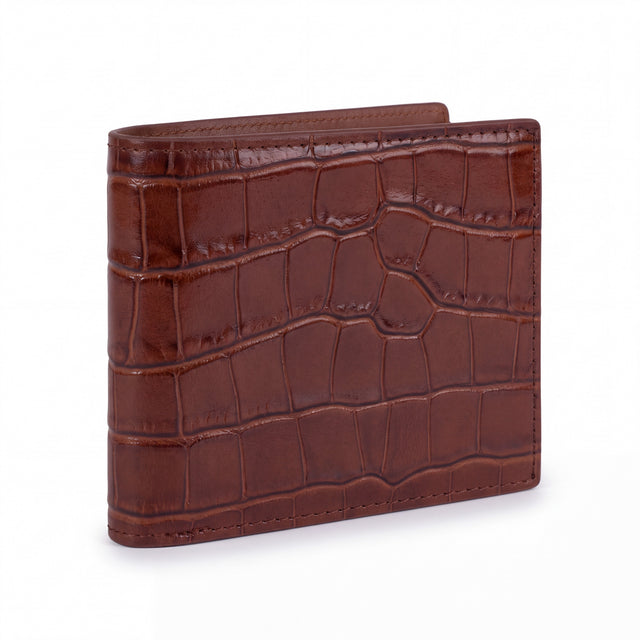


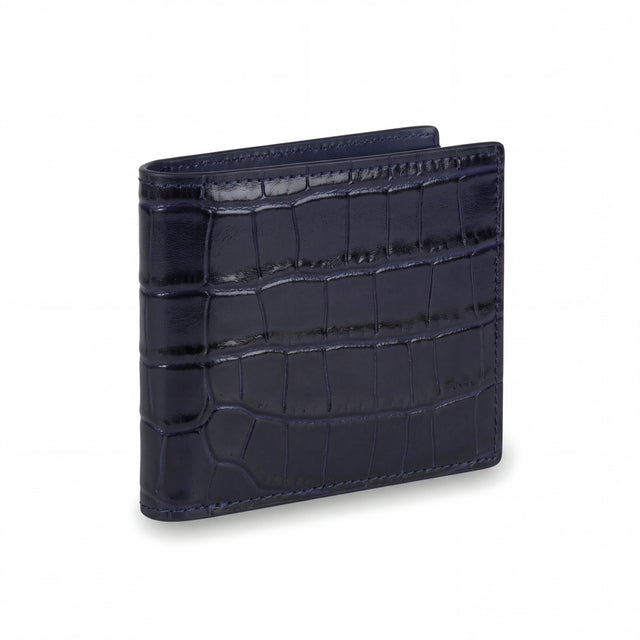


 Save $85 USD
Crocodile Embossed Leather Wallet
- Product Specifications
- GENTCREATE Crocodile Embossed Leather Wallet— The crocodile bifold leather wallet is made from premium calfskin with a crocodile-embossed texture, offering a luxurious and timeless appeal. ,Lightweight , Luxury , Calfskin Leather , 9.5 cm / 3.74 inch x 11.5 cm / 4.52 inch , available in Black, Green, Brown, Burgundy, Navy .
(37)$165 $250 -


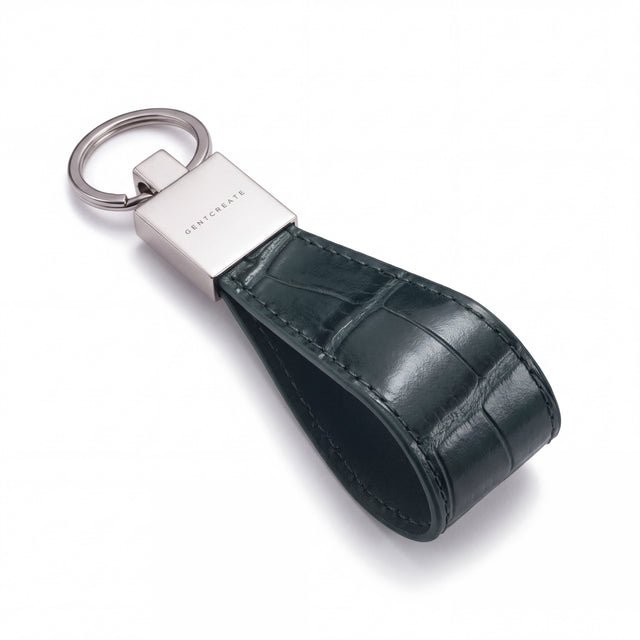


 Save $38 USD
Crocodile Leather Keychain
- Product Specifications
- GENTCREATE Crocodile Leather Keychain— Crocodile Leather Keychain - Leather Accessories For Men and Women Made as a part of our crocodile leather accessories set, this keychain will only improve ,Stainless Steel , Luxury , Calfskin Leather , available in Black, Burgundy, Green, Navy, Brown .
(18)$59 $97 -


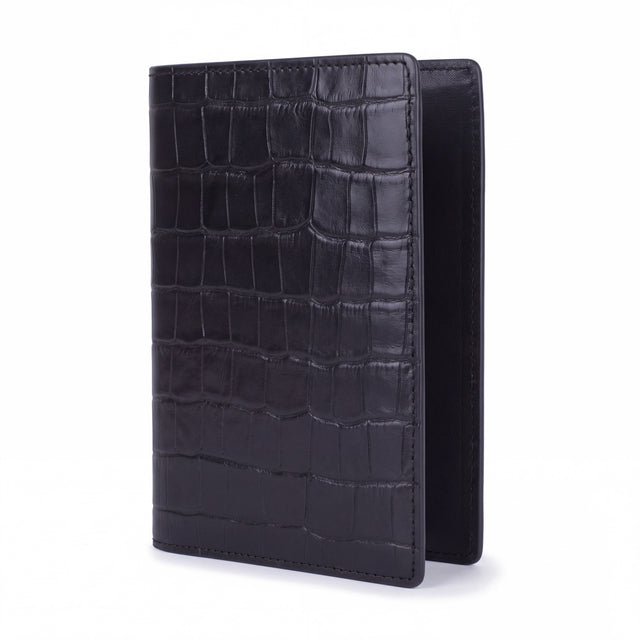


 Save $25 USD
Crocodile Leather Passport Holder
- Product Specifications
- GENTCREATE Crocodile Leather Passport Holder— The perfect companion for your travels, the Crocodile Leather Passport Holder combines elegance and practicality. ,Boarding Pass Pocket and Card Slots , Luxury , Calfskin Leather , 10.6 cm / 4.17 inch x 14.7 cm / 5.8 inches , available in Black, Brown, Navy .
(21)$130 $155 -


 Save $55 USD
Glossy Leather Passport Holder
- Product Specifications
- GENTCREATE Glossy Leather Passport Holder—Boarding Pass Pocket, Nappa Leather Interior , Luxury , Calfskin Leather , 10.6 cm / 4.17 inches x 14.7 cm / 5.8 inches , available in Black, Blue, Burgundy, Green .
(21)$190 $245 -
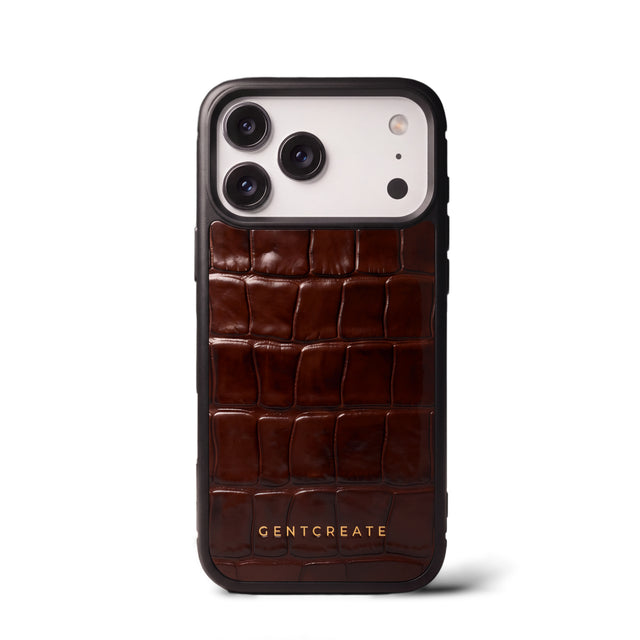


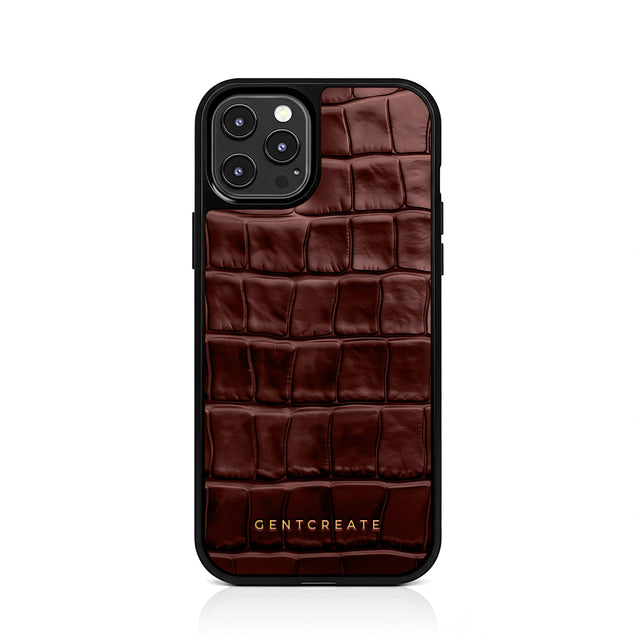


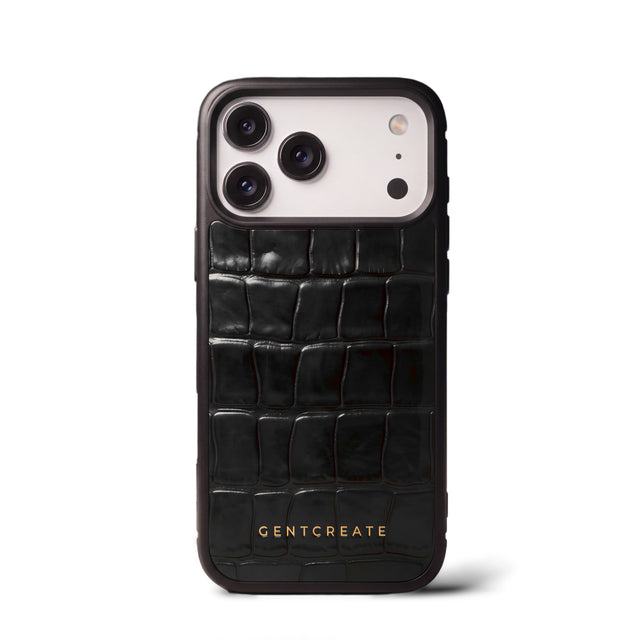

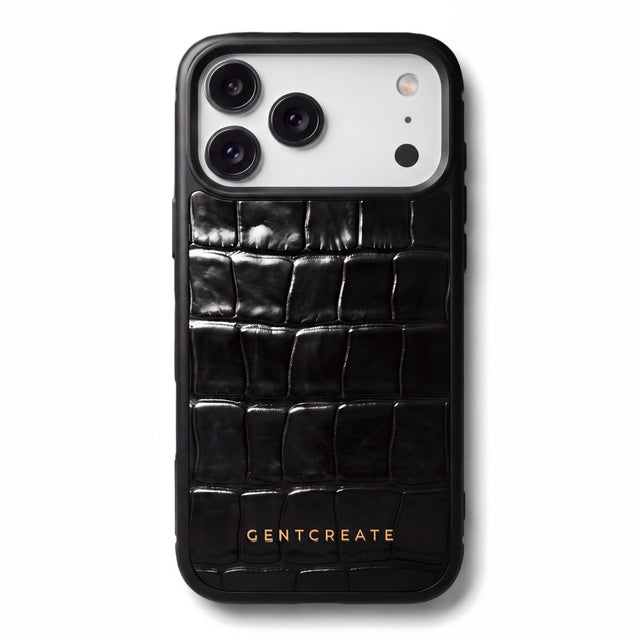












 Save $50 USD
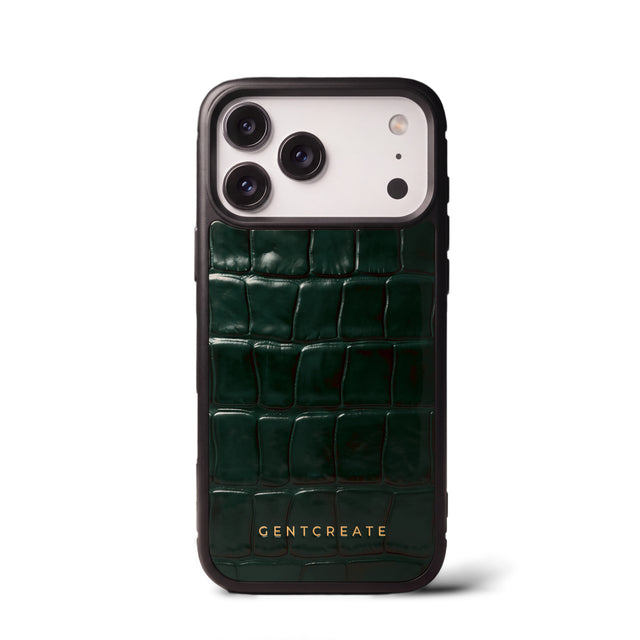
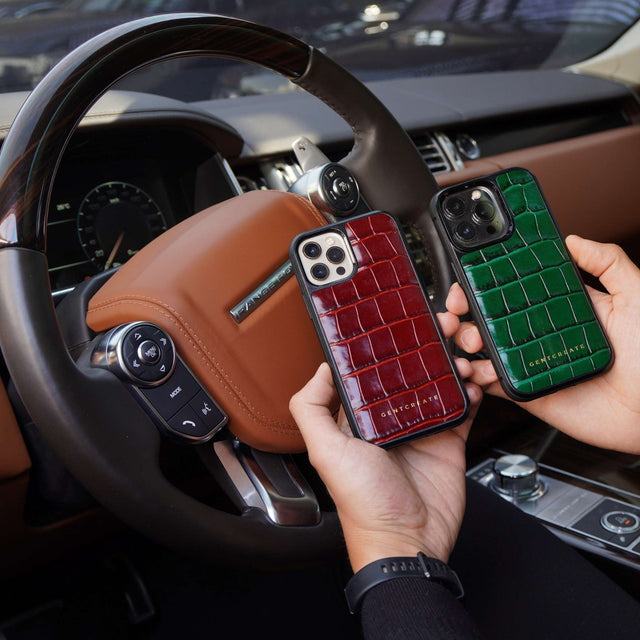
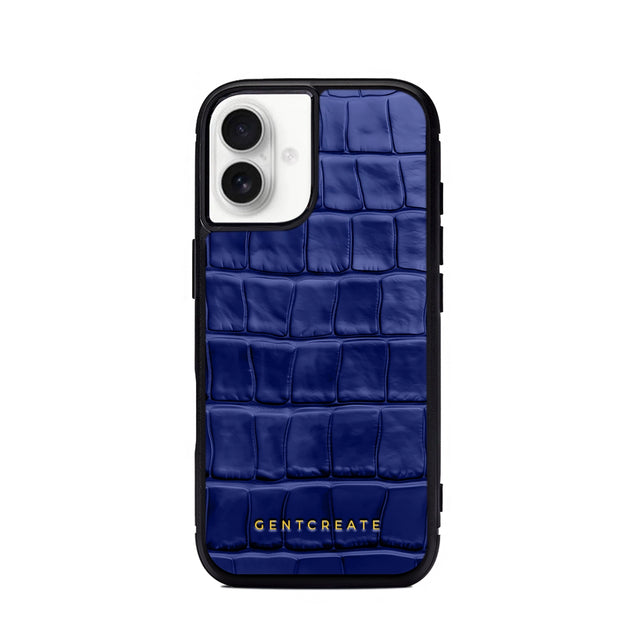
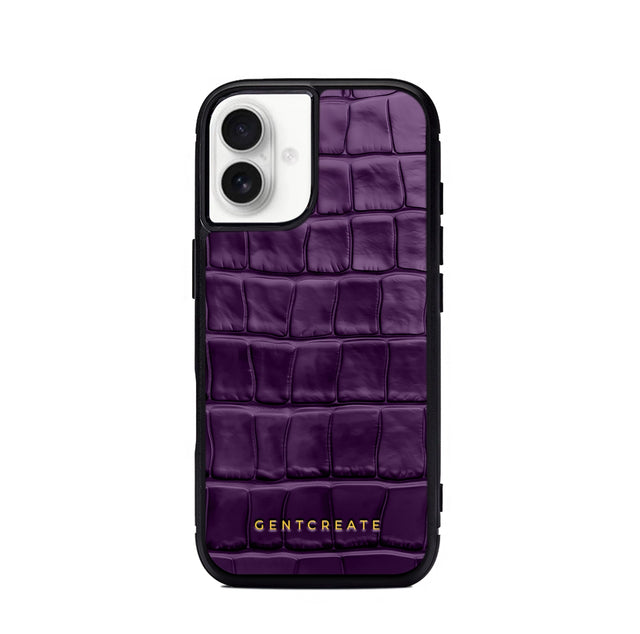
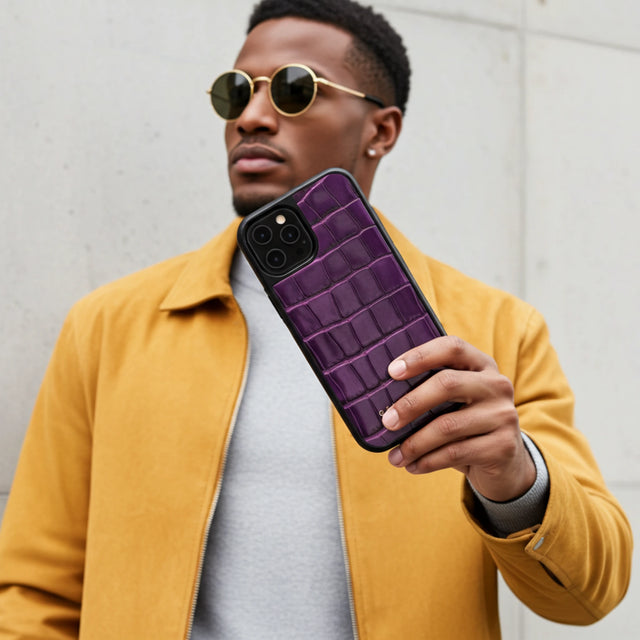
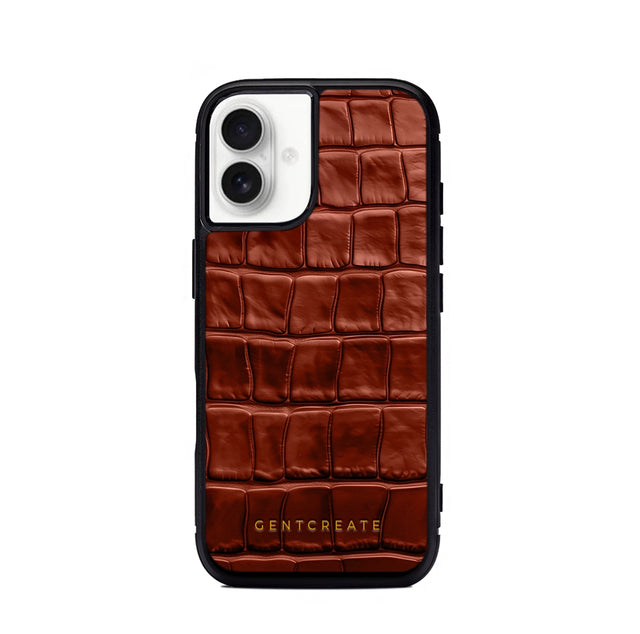
Leather iPhone Case Croco Glossy
- Product Specifications
- GENTCREATE Leather iPhone Case Croco Glossy— Premium leather iPhone case with crocodile pattern. Handcrafted Italian calf leather, wireless charging straight through. Fits all recent iPhone models. Shop now. ,Rubber Edge, Raised Camera Edge , Luxury , Calfskin Leather , fits iPhone 18 Pro Max, iPhone 18 Pro, iPhone 18, iPhone 17 Pro Max, iPhone 17 Pro, iPhone 17, iPhone 16, iPhone 16 Pro, iPhone 16 Pro Max, iPhone 15, iPhone 15 Pro, iPhone 15 Pro Max, iPhone 14, iPhone 14 Pro, iPhone 14 Pro Max , available in Glossy Burgundy, Glossy Black, Glossy Green, Glossy Blue, Glossy Magenta, Glossy Brown .
(264)From $65 $115 -



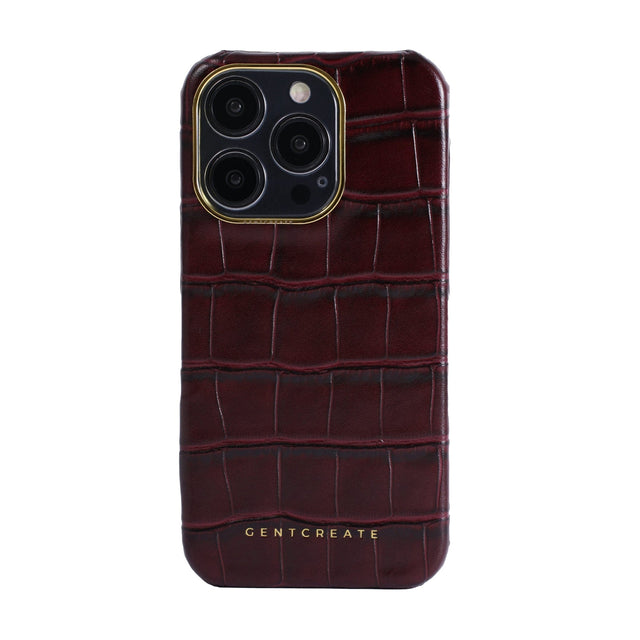


 Clearance Sale
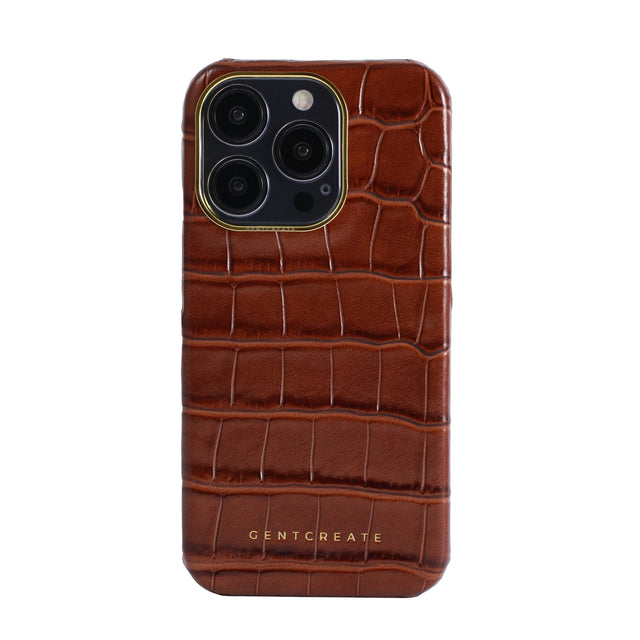
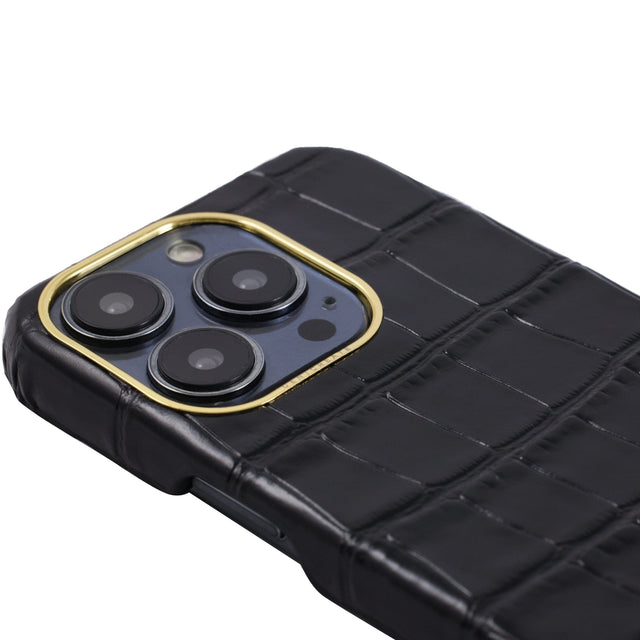
Leather iPhone Case Crocodile Pattern
- Product Specifications
- GENTCREATE Leather iPhone Case Crocodile Pattern— Our classic Leather iPhone Case with a Crocodile Pattern creates a 'classic look' for your iPhone, often preferred by our minimalist-oriented customers. ,Full Pattern Raised Camera Edge , Luxury , Calfskin Leather , fits iPhone 15 Pro Max, iPhone 15 Pro, iPhone 14 Pro Max, iPhone 14 Pro , available in Brown, Green, Black, Burgundy, Dark Navy .
(70)$60 $115


