

A stiff new leather wallet softens through patient daily carry, not force: warm it with your hands, flex it gently as you use it, and let two to four weeks of pocket time relax the fibers. The rigidity you feel on day one is not a flaw. It is a brand-new full-grain hide that has not yet learned your hands, your pocket, or the cards you carry.
A stiff new leather wallet softens through patient daily carry and body warmth, not force or heat, with full-grain styles loosening noticeably over two to four weeks of use.
- Daily carry does the work: body heat, gentle flexing, and the cards you already use break a wallet in far more safely than any shortcut.
- Time, not force: most full-grain wallets soften noticeably in two to four weeks; heat guns, water soaks, and oven tricks crack or warp the leather instead.
- Front-pocket carry softens faster: the constant sit-down flex and closer body warmth limber a wallet quicker than back-pocket carry, though both work.
- Condition sparingly, later: a brand-new wallet rarely needs conditioner; a thin coat after a few weeks supples the surface, while over-oiling makes leather spongy.
- Stiffness is the start of patina: the same fibers that feel rigid today are the ones that will burnish into your unique, personal sheen.
On our bench, we call the safe break-in path the slow-hands method: small, consistent flexing over days, never a single dramatic shortcut. Because we control every stitch, fold, and cut, we build a wallet to be firm at first and supple for years, the way atelier-quality leather should age. That is the quiet trade of buying direct from the maker rather than through a middleman: you get full grain strength up front and the patience to earn the rest.
This guide walks through why new leather is stiff, how long softening really takes, and the handful of mistakes that ruin a good hide. We will keep it honest: real leather facts, the maker's method, and no miracle hacks.
Why is a new full-grain leather wallet so stiff at first?
A new full-grain wallet is stiff because the hide's tight, intact fiber structure has never been flexed, and that density is exactly what makes the leather durable. Full-grain is the top layer of the hide with its grain left intact, so nothing has been sanded away to make it artificially soft. That untouched surface is the strongest, longest-lasting cut of leather you can carry.
Stiffness, in other words, is a feature wearing the costume of a flaw. The same dense fibers that resist your fold today are the ones that will hold a clean edge and develop a deep patina for years.
Compare that to corrected or heavily finished leathers, which often feel soft out of the box because the surface has been buffed and coated. They give you instant pliability and far less life. On our bench we accept the early stiffness because we are building for the long carry, not the first impression.
The failure mode here is mistaking softness for quality. A wallet that feels like a worn glove on day one has usually given up grain strength to get there. If you want a deeper map of what you are actually holding, our breakdown of every part of a wallet and how it is built explains where that grain layer sits.

How long does it take to soften a leather wallet with daily carry?
Most full-grain leather wallets soften noticeably within two to four weeks of daily carry, and continue to relax for months as the fibers mold to your routine. There is no fixed clock, because the timeline depends on the leather, the thickness, and how often you actually open and flex it.
A few honest variables shape the pace:
| Factor | Softens faster | Softens slower |
|---|---|---|
| Leather grade | Calfskin, Italian calf | Thick full-grain, crocodile-embossed |
| Wallet form | Slim card holder, bifold | Long/continental, zip-around |
| Carry frequency | Opened and used daily | Used a few times a week |
| Carry location | Front pocket, close to the body | Bag or jacket, rarely flexed |
The slow-hands method is simply consistency over intensity. A slim card holder you reach for ten times a day, the ultra-slim sort we build at roughly 2mm, limbers up well before a long wallet you open twice. A lighter, supple Italian calfskin style relaxes sooner than a dense full-grain bifold built for decades.
The failure mode is impatience: deciding at day three that the wallet is "too stiff" and reaching for heat or water to force the timeline. Give it the weeks. If you are weighing how this break-in fits into the whole arc of ownership, our look at how long a leather wallet actually lasts puts the first month in context.
Does front-pocket carry soften a wallet faster than back-pocket carry?
Yes, front-pocket carry usually softens a wallet faster, because the constant sit-down flexing and closer body warmth work the fibers more often than back-pocket carry. Every time you sit, stand, and walk, a front-pocket wallet bends slightly against your leg. That gentle, repeated motion is exactly the kind of flex the slow-hands method relies on, except your day does it for you.
Body heat matters too. Leather responds to warmth, relaxing as it reaches skin temperature, and a front pocket keeps the wallet closer and warmer through the day.
Back-pocket carry still softens a wallet, just less evenly. The risk is sitting on it: prolonged crushing under your full weight can warp a wallet or stress the spine fold in one fixed direction rather than limbering the whole piece. A slim or front-pocket wallet is built to thrive in this break-in, which is why so many who carry only what they use reach for one.
The failure mode is treating your wallet like a seat cushion for hours at a time. Flex is good; sustained crushing is not. Carry it, move with it, and let the motion do the softening.

Can you loosen tight card slots by storing extra cards in them overnight?
Yes, gently storing a card or two extra in tight slots overnight is one of the safest ways to loosen a snug card bay, because it stretches the leather slowly and evenly to the exact shape it needs. New card slots are often the stiffest part of a wallet, since the leather there is fresh and the stitch lines hold the pocket tight. A credit card is about 0.76 mm thick, so the leather only needs to relax a fraction of a millimeter to glide.
When we hand-stitch a card bay on our bench, and many of our styles run up to about eight slots, we size each one to grip the card snugly at first on purpose. A slot that is loose on day one will be sloppy in a year. The overnight-card trick simply asks the leather to grow into its job a little faster.
Here is the careful version of the method:
- Slide one extra card into the tight slot, not three or four.
- Leave it overnight, or for a day or two while you carry the wallet.
- Remove it and test the fit; repeat once or twice if needed.
- Stop the moment the card slides smoothly; over-stretching is permanent.
The failure mode is jamming a thick stack into a single slot to "speed it up." That over-stretches the leather, leaves a permanent bulge, and can stress the stitching. Patience again beats force.

Should you condition a new wallet to speed up the soften?
Usually not right away: a brand-new wallet rarely needs conditioner, and a light application a few weeks in does more for softening than anything you can do on day one. Quality leather arrives with enough natural character to break in through carry alone. Conditioning is about replenishing oils over time, not jump-starting a new hide.
When you do condition, less is more. A thin, even coat of a proper leather conditioner, worked in with a soft cloth and left to absorb, will gently supple the surface and help the fibers move. This is a finishing touch on top of the slow-hands method, not a substitute for it.
The failure mode is drowning a new wallet in oil or balm to force softness. Over-conditioning makes leather feel spongy, darkens it unevenly, and can leave a tacky surface that attracts grime. It also muddies the patina you are trying to earn.
There is real technique to this, including which products suit which leathers and how often to reapply. Rather than improvise, follow our full method for conditioning a leather wallet the right way before you reach for any balm.
What soften mistakes can crack or warp a new leather wallet?
The mistakes that ruin a new wallet almost all involve heat, water, or force: the three shortcuts that crack, stiffen, or permanently warp leather instead of softening it. Leather is a natural material, and the fast tricks people try treat it like rubber or fabric. It is neither.
Here are the shortcuts to avoid, and what they actually do:
| The "hack" | What people expect | What really happens |
|---|---|---|
| Heat gun or hair dryer | Quick softening | Dries out oils, makes leather brittle and prone to cracking |
| Soaking in water | Loosened fibers | Warps shape, leaves stains, stiffens hard as it dries |
| Oven or microwave | Fast break-in | Scorches and ruins the hide; never do this |
| Bending it forcefully | Instant flexibility | Stresses stitch lines, creases the grain permanently |
| Drowning it in oil | Soft, supple feel | Spongy, dark, tacky leather with muddied patina |
The single worst offender is heat. Leather holds natural oils that keep it flexible, and a heat gun or dryer drives those oils out, leaving the fibers dry and brittle. The wallet may feel softer for a moment and then crack along the folds.
Water is the second trap. A wet soak warps the panels, can stain the surface, and dries the leather harder than it started. If your wallet does get caught in the rain, the recovery is specific, and we cover it in what to do when a leather wallet gets wet.
The failure mode underneath all of these is the wish for instant results. Every safe softening method is slow on purpose. If a wallet does get damaged, our guide to repairing a scratched or worn leather wallet can help, but prevention beats repair every time.
How does breaking in your wallet kick-start its patina and personal fit?
Breaking in a wallet kick-starts its patina because the same flexing, warmth, and handling that soften the leather also begin the slow burnishing that gives full-grain its unique sheen. Softening and patina are not two separate processes. They are the same fibers responding to the same daily life, just on different timelines.
Patina is the gradual change in a leather's surface as oils from your hands, light, and friction work into the grain. Full-grain develops it best, because the intact surface is still there to take on color and depth. The wallet darkens, gains a soft luster, and starts to carry small marks that are entirely yours.
That personal fit is the quiet reward of the slow-hands method. A broken-in wallet curves to your pocket, opens to your hand, and grips your cards the way you carry them. No two age the same, which is the point. This is the heart of the minimalist case: carry only what you use, let the leather earn its character through that use, and let clean, uncluttered design do the rest.
The failure mode is chasing a "finished" look from day one. Patina cannot be bought or faked; it is the visible record of time well carried. Rushing past the stiff phase robs you of the most rewarding part of owning real leather.

Your wallet break-in checklist
Decide first that time and daily carry, not heat or force, will do the softening; the steps below are simply the safe routine that gets you there.
- Carry it daily. Body heat and motion are the safest softening tools you own.
- Flex it gently by hand. Open, fold, and work the leather a little each day. Never force a hard bend.
- Choose your pocket. Front-pocket carry softens faster; avoid sitting on a back-pocket wallet for hours.
- Loosen tight slots slowly. One extra card overnight, repeated until the fit glides. Stop when it is smooth.
- Wait on conditioner. Give it a few weeks, then apply a thin coat with a soft cloth, not before.
- Never use heat or water. No dryers, heat guns, soaks, or ovens. Ever.
- Let patina come. Stiffness is the start of character, not a defect to defeat.
Frequently asked questions
Patient daily carry, not shortcuts, answers nearly every break-in question, and the specifics below cover the ones that come up most.
How long should I wait before my new wallet feels broken in? Expect a clear difference within two to four weeks of daily carry, with full suppleness arriving over a few months. Thinner calfskin and slim card holders relax sooner; dense full-grain and long wallets take longer. There is no need to rush the timeline.
Is it normal for a new leather wallet to be very stiff? Yes, stiffness in a new full-grain wallet is completely normal and a sign of quality, not a defect. The grain layer is intact and unworn, which is exactly what makes the leather durable. It softens with carry.
Can I use coconut oil or olive oil to soften my wallet? No, household cooking oils are not made for leather and can go rancid, darken the hide unevenly, and leave a greasy residue. Use a proper leather conditioner instead, and only after the wallet has had a few weeks to break in. Less product is always safer than more.
Will softening my wallet ruin its shape? Done correctly, softening improves the fit rather than ruining the shape, because gentle flexing molds the leather to your carry. The shape only suffers when you force it with heat, water, or by sitting on the wallet for hours. Patient carry keeps the form clean.
Does conditioning a new wallet make it softer immediately? Conditioning supples the surface, but it works best as a gentle assist a few weeks in rather than an instant softener. A thin coat replenishes oils and helps the fibers move. Over-applying makes the leather spongy and muddies the patina, so go light.
Are some leathers naturally softer than others out of the box? Yes, calfskin and finer Italian calf leathers tend to feel more supple early, while thick full-grain and embossed leathers like crocodile- or lizard-embossed start firmer. The firmer cuts trade early softness for longevity. Both break in beautifully with the slow-hands method.
Ready for a wallet built to soften gracefully into its own patina? Explore our full-grain leather wallets for the long-aging classics, or our soft leather wallets if you prefer a more supple feel from the first fold.
-


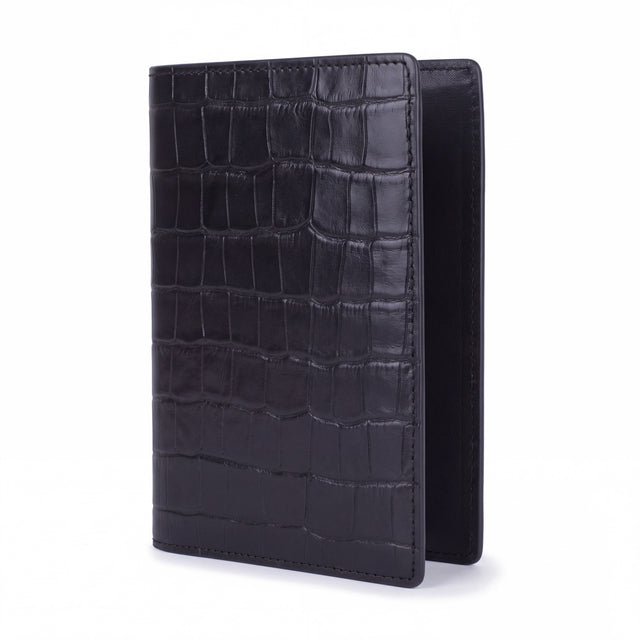


 Save $25 USD
Crocodile Leather Passport Holder
- Product Specifications
- GENTCREATE Crocodile Leather Passport Holder— The perfect companion for your travels, the Crocodile Leather Passport Holder combines elegance and practicality. ,Boarding Pass Pocket and Card Slots , Luxury , Calfskin Leather , 10.6 cm / 4.17 inch x 14.7 cm / 5.8 inches , available in Black, Brown, Navy .
(21)$130 $155 -


 Save $55 USD
Glossy Leather Passport Holder
- Product Specifications
- GENTCREATE Glossy Leather Passport Holder—Boarding Pass Pocket, Nappa Leather Interior , Luxury , Calfskin Leather , 10.6 cm / 4.17 inches x 14.7 cm / 5.8 inches , available in Black, Blue, Burgundy, Green .
(21)$190 $245 -
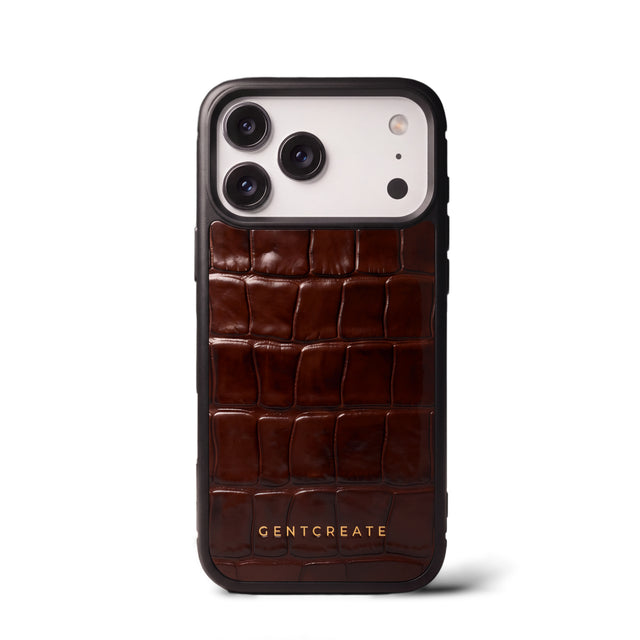


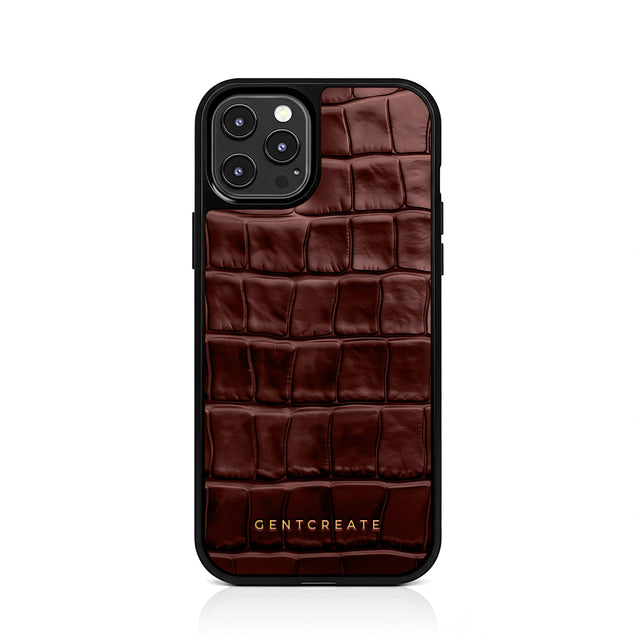


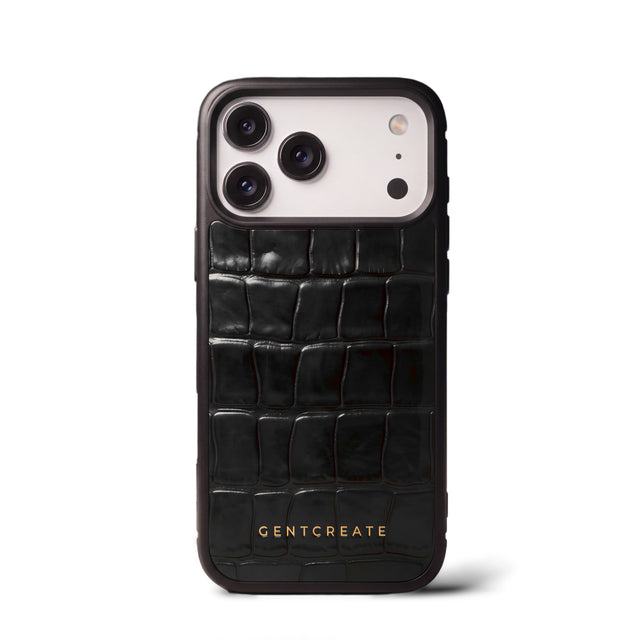









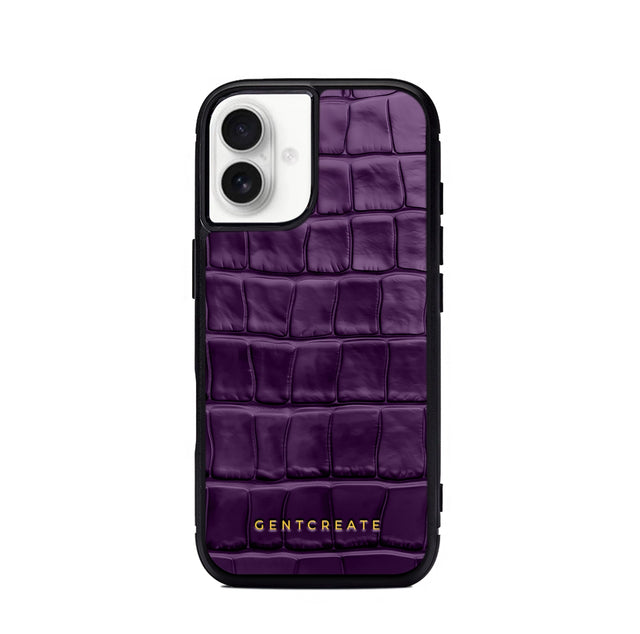


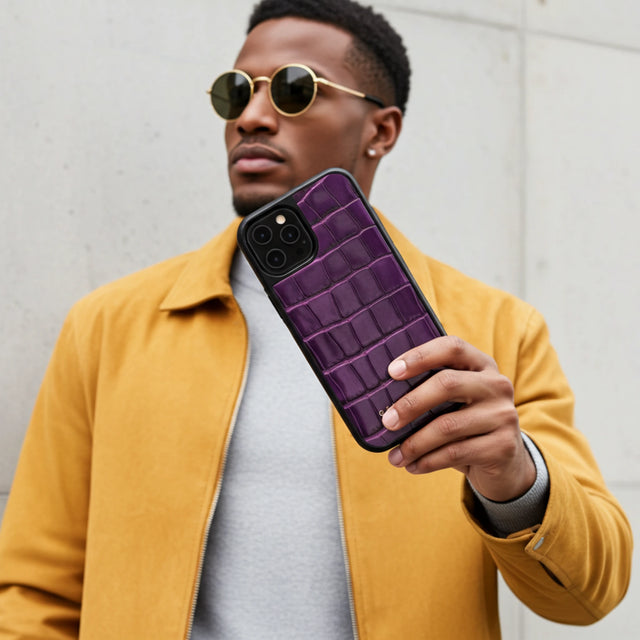


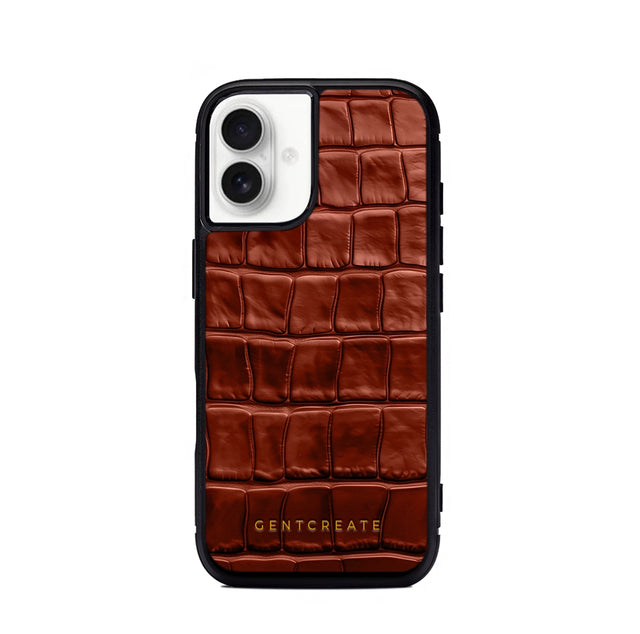
 Save $50 USD
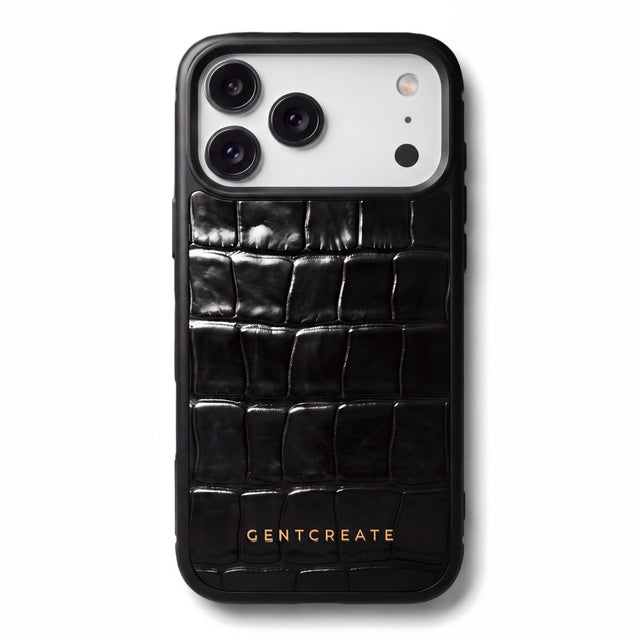
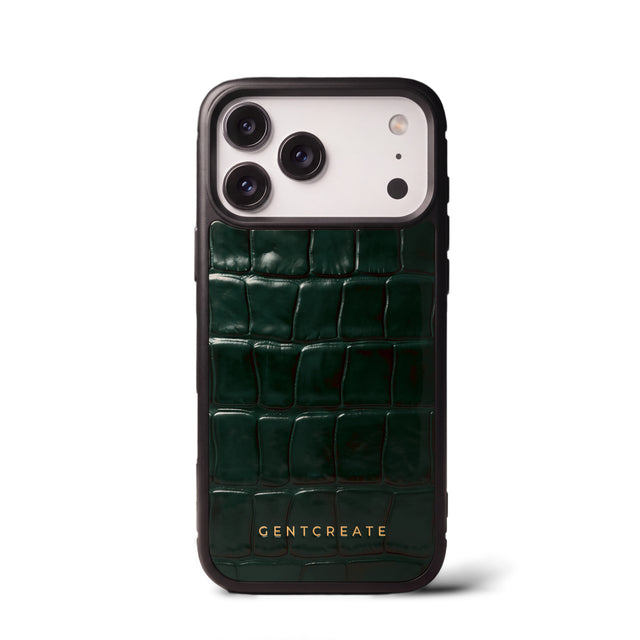
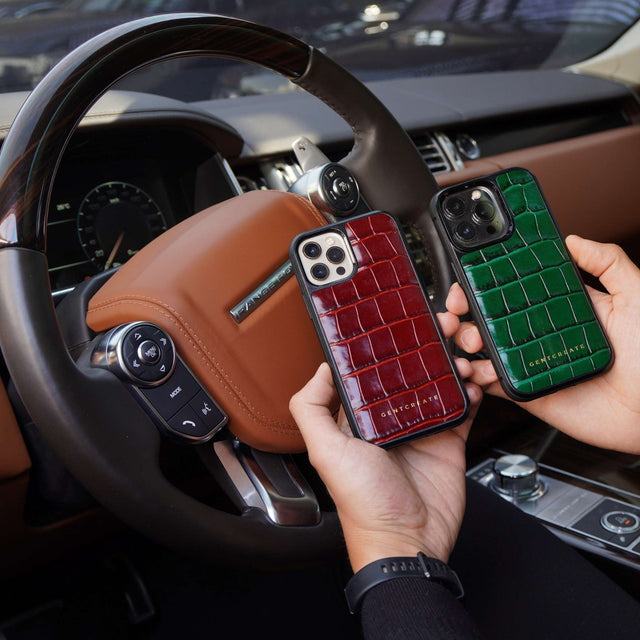
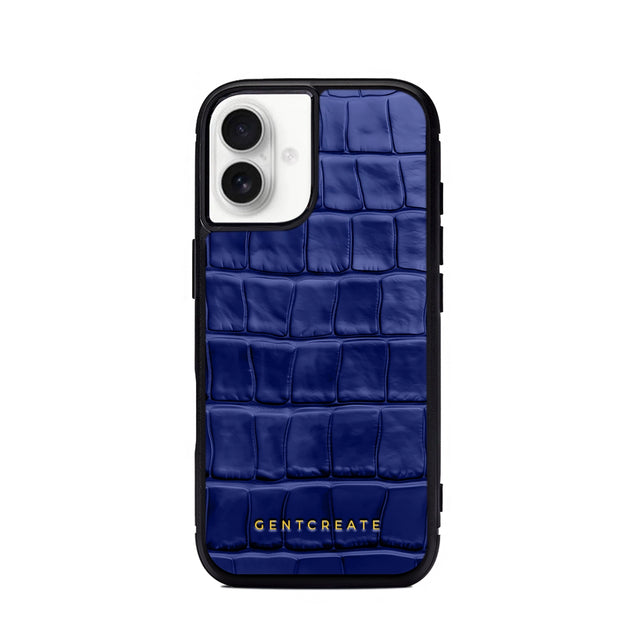
Leather iPhone Case Croco Glossy
- Product Specifications
- GENTCREATE Leather iPhone Case Croco Glossy— Premium leather iPhone case with crocodile pattern. Handcrafted Italian calf leather, wireless charging straight through. Fits all recent iPhone models. Shop now. ,Rubber Edge, Raised Camera Edge , Luxury , Calfskin Leather , fits iPhone 18 Pro Max, iPhone 18 Pro, iPhone 18, iPhone 17 Pro Max, iPhone 17 Pro, iPhone 17, iPhone 16, iPhone 16 Pro, iPhone 16 Pro Max, iPhone 15, iPhone 15 Pro, iPhone 15 Pro Max, iPhone 14, iPhone 14 Pro, iPhone 14 Pro Max , available in Glossy Burgundy, Glossy Black, Glossy Green, Glossy Blue, Glossy Magenta, Glossy Brown .
(264)From $65 $115 -
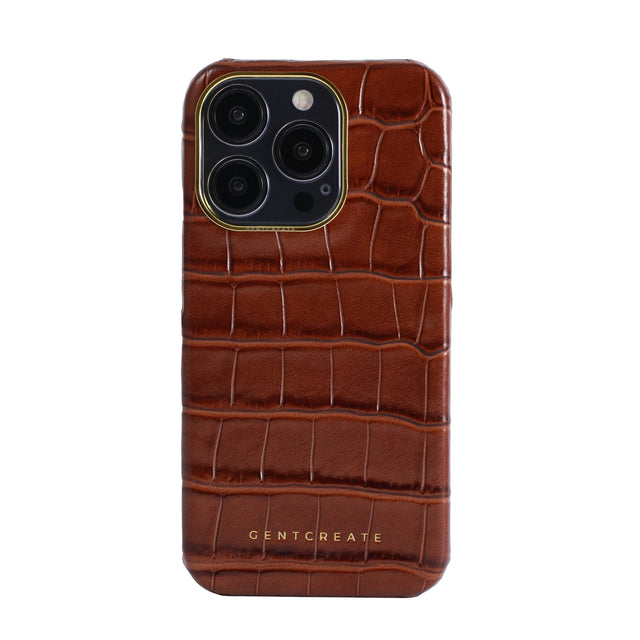





 Clearance Sale
Leather iPhone Case Crocodile Pattern
- Product Specifications
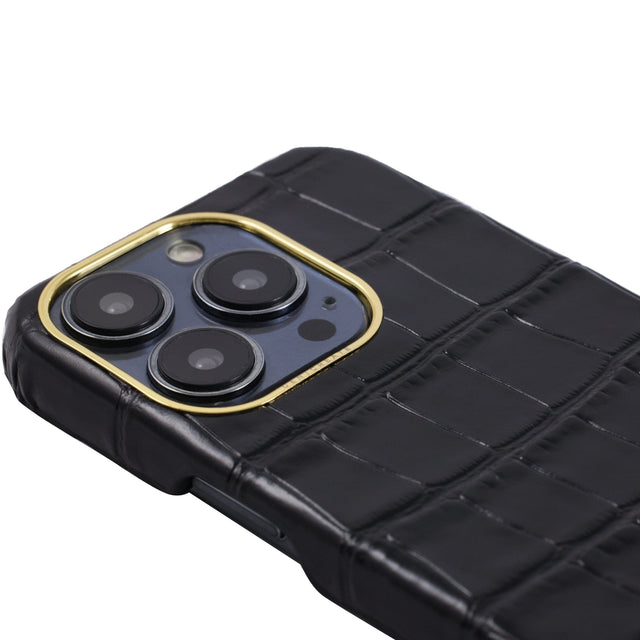
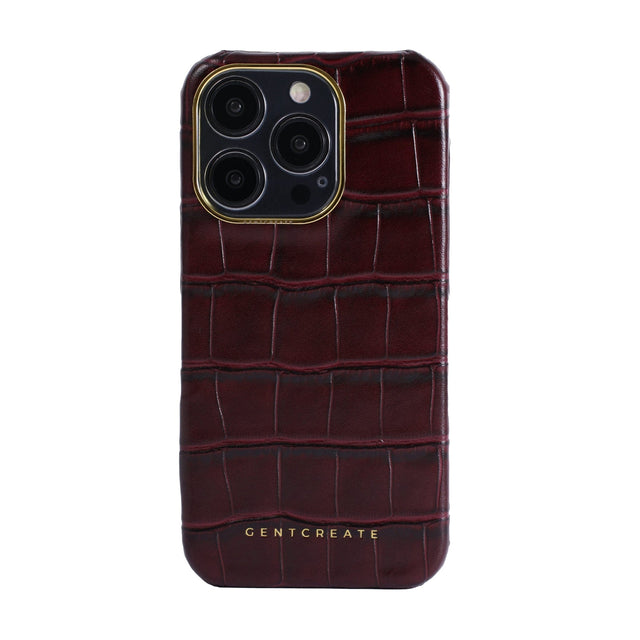
- GENTCREATE Leather iPhone Case Crocodile Pattern— Our classic Leather iPhone Case with a Crocodile Pattern creates a 'classic look' for your iPhone, often preferred by our minimalist-oriented customers. ,Full Pattern Raised Camera Edge , Luxury , Calfskin Leather , fits iPhone 15 Pro Max, iPhone 15 Pro, iPhone 14 Pro Max, iPhone 14 Pro , available in Brown, Green, Black, Burgundy, Dark Navy .
(70)$60 $115 -






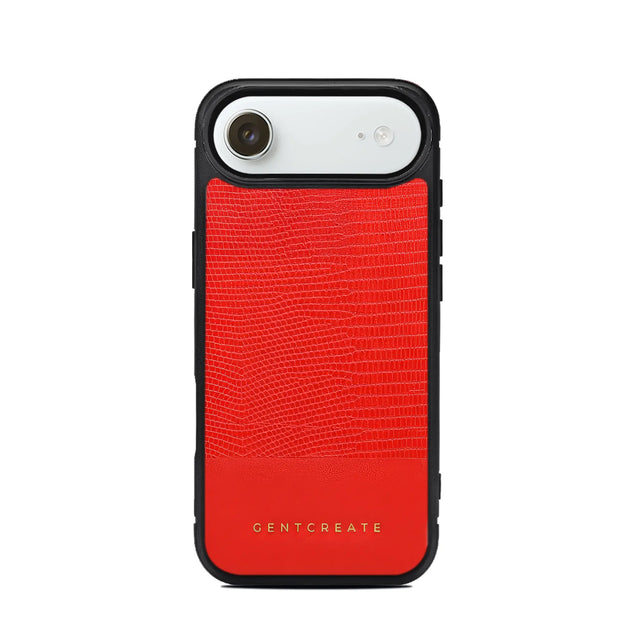


 Save $19 USD
Leather iPhone Case Lizard Pattern
- Product Specifications
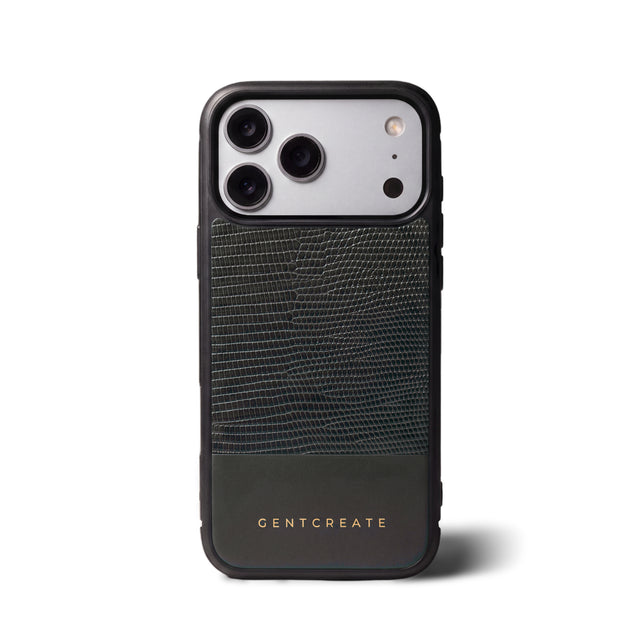
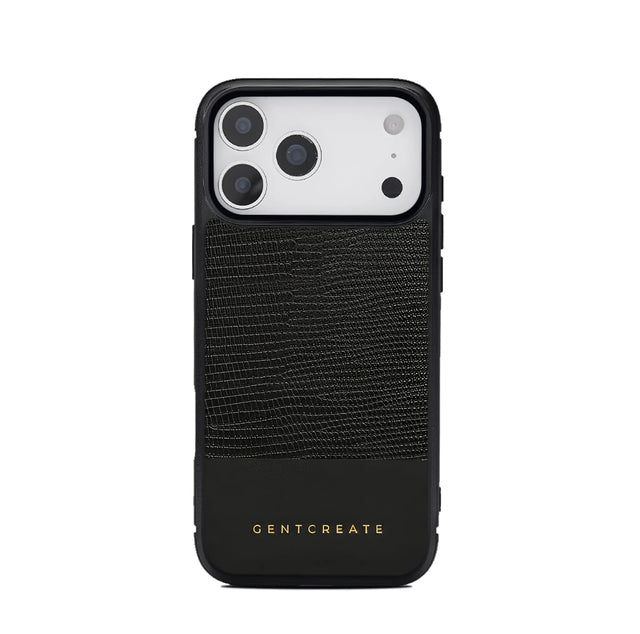
- GENTCREATE Leather iPhone Case Lizard Pattern— Leather iPhone Case Lizard Pattern - Luxury Minimalistic Phone Case Our Lizard Leather iPhone case from Gentcreate is the perfect blend of style and ,Rubber Edge, Raised Camera Edge , Luxury , Calfskin Leather , fits iPhone 18 Pro Max, iPhone 18 Pro, iPhone 18, iPhone 17 Pro Max, iPhone 17 Pro, iPhone 17, iPhone 16 Pro Max, iPhone 16 Pro, iPhone 16, iPhone 15 Pro Max, iPhone 15 Pro, iPhone 15, iPhone 14 Pro Max, iPhone 14 Pro, iPhone 14 , available in Gray, Black, Orange, Green, Red, Yellow .
(46)From $79 $98 -


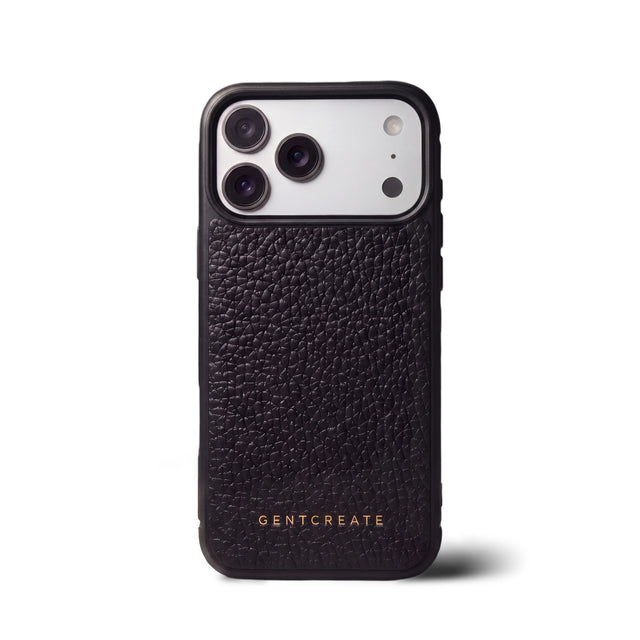


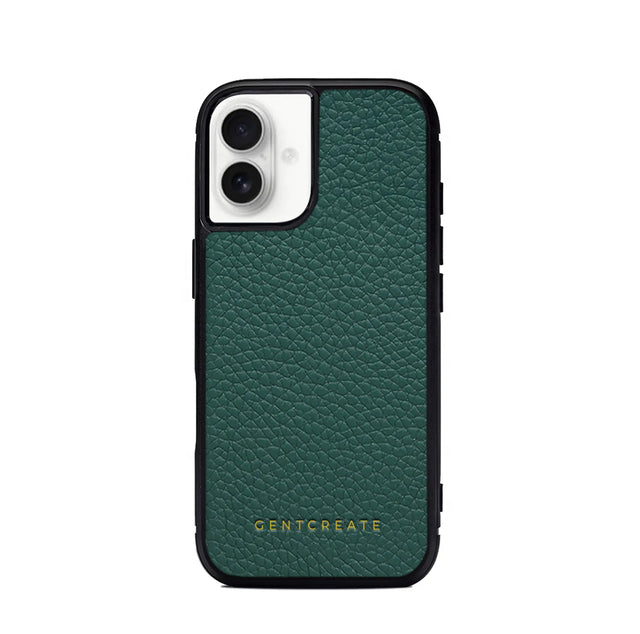


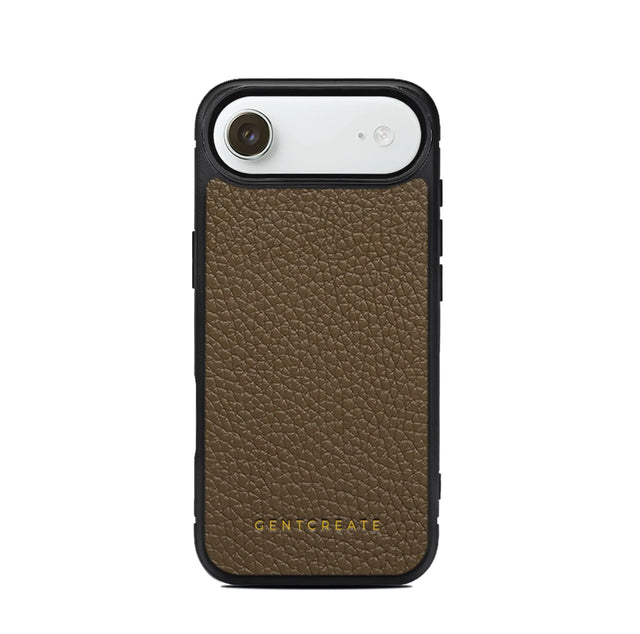



 Save $9 USD
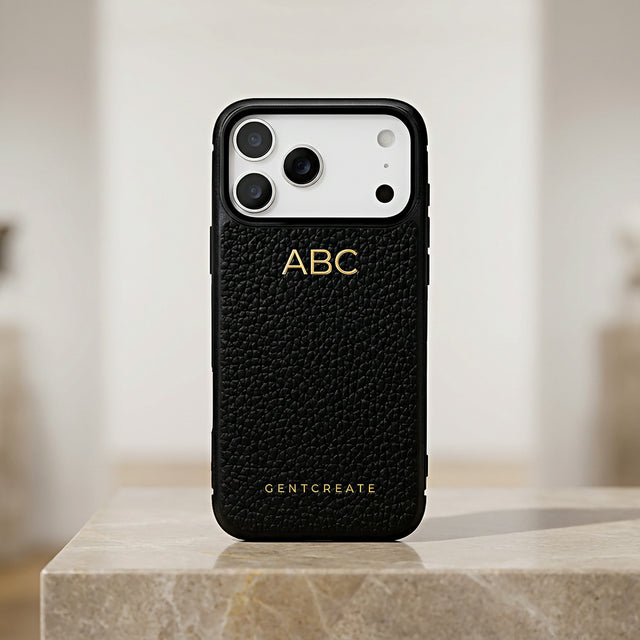
Leather iPhone Case Pebble Pattern
- Product Specifications
- GENTCREATE Leather iPhone Case Pebble Pattern— Handmade Leather iPhone Case with a Pebbled Pattern This handmade Leather iPhone Case with a distinct pebble pattern is a really good value price purchase ,Rubber Edge, Raised Camera Edge , Luxury , Calfskin Leather , fits iPhone 18 Pro Max, iPhone 18 Pro, iPhone 18, iPhone 17 Pro Max, iPhone 17 Pro, iPhone 17, iPhone 16 Pro Max, iPhone 16 Pro, iPhone 16, iPhone 15 Pro Max, iPhone 15 Pro, iPhone 15, iPhone 14 Pro Max, iPhone 14 Pro, iPhone 14 , available in Navy, Black, Green, Brown, Khaki .
(29)From $65 $74


