

Condition a leather wallet by wiping it clean, working a thin and even layer of a leather-specific conditioner into the grain with a soft cloth, letting it absorb for a few minutes, then buffing away whatever the leather did not drink. That is the whole method, and the most common mistake is doing more than that. Most wallets are not damaged by neglect; they are damaged by enthusiasm.
Condition a leather wallet by wiping it clean, applying a thin, even pass of a leather-specific conditioner with a soft cloth, letting it absorb, then buffing off the excess, only when the leather signals it is dry.
- Read the leather first: condition because the surface looks dry or feels tight, not on a fixed calendar; the wallet tells you when.
- Less, more often: a thin pass two or three times a year beats a heavy soak that softens structure and over-darkens the grain.
- Skip the pantry and the barn: neatsfoot, coconut, and olive oil over-soften, go rancid, or stain; use a leather-specific conditioner.
- Expect a darker tone: conditioning deepens color the moment it absorbs, and on full-grain that shift becomes part of the patina you keep.
- Buff off every excess: leather takes only what it needs; the residue you leave behind is what attracts grime and dulls the finish.
On our bench, we treat conditioning as a quiet correction, not a ritual. A wallet rides in a pocket, against body heat, every day. The leather flexes, dries a little, and asks for moisture back. Your job is to read that signal and answer it lightly.
We call our approach the thirst test: you condition when the leather is thirsty, not when the calendar says so. Below, we walk through what conditioning actually does inside the fibers, how to do it without staining or over-saturating, and why a well-finished full-grain wallet asks for so little.
What does conditioning actually do to the fibers inside a leather wallet?
Conditioning replaces the natural oils and moisture that leather loses over time, keeping the fiber bundles flexible so they bend instead of crack. Leather is a network of collagen fibers that were once kept supple by the animal's own oils. Tanning preserves that structure, but daily carry, body heat, and air slowly draw the moisture out.
When those fibers dry, they stiffen and grind against each other every time the wallet folds. That friction is what produces the fine white lines, the flaking edges, and eventually the deep cracks across a bifold spine. A conditioner re-introduces oils and humectants that coat and plump the fibers so they glide rather than abrade.
There is a balance point, though. Too little and the leather stays brittle; too much and the fibers swell, lose tension, and the wallet goes limp and loose in the hand. The goal is supple, not soft: a card holder should still hold its shape and snap.
The failure mode here is treating conditioner like a cure-all. It restores flexibility; it does not repair structural damage. Once the grain has split, you are into repairing a scratched or worn wallet, not conditioning it.
How often should you condition a leather wallet that you carry daily?
A daily-carry leather wallet usually needs conditioning two to three times a year, but you let the leather decide rather than the calendar. That cadence suits most full-grain and top-grain wallets in normal indoor use. Carry it through a dry winter, a humid summer, or a lot of sun, and the timing shifts.
This is where the thirst test earns its keep. Press a thumb into a flat panel and watch how the surface responds. If the grain looks dull, feels papery, or shows faint pale creases when you flex it, it is thirsty. If it still has a soft sheen and springs back, leave it alone.
Different leathers drink at different rates. A natural full-grain wallet asks more often than a coated Saffiano, whose cross-hatched finish slows moisture loss considerably. Calfskin and Italian calf leather sit in between: smooth, fine-grained, and content with an occasional light pass.
| Leather type | Typical conditioning rhythm | What the surface tells you |
|---|---|---|
| Full-grain | 2 to 3 times a year | Dull, dry creases, thirsty edges |
| Top-grain | 2 times a year | Slight stiffness, faded sheen |
| Calfskin / Italian calf | 1 to 2 times a year | Smooth but flat-looking |
| Saffiano / Epsom (coated) | Rarely; wipe-clean mostly | Edges and unfinished seams only |
The failure mode is a fixed schedule. Conditioning a wallet that does not need it just builds residue and over-darkens the grain. When in doubt, wait a week and look again; leather rarely fails between Tuesday and Friday.

Which conditioners should you avoid on a wallet, such as neatsfoot, coconut, and olive oil?
Avoid neatsfoot oil, coconut oil, olive oil, and other kitchen or barn oils on a wallet, because they over-soften the leather, can turn rancid, and may stain the grain unevenly. These oils were never formulated for fine, finished leather goods, and a wallet is a small, structured object where their downsides show fast.
Neatsfoot oil is a traditional saddle dressing built to make thick tack pliable. On a slim card holder it does the opposite of what you want: it floods the fibers, kills the wallet's snap, and darkens it dramatically and permanently. What softens a bridle ruins a bifold.
Cooking oils are worse. Olive oil and coconut oil are food fats: they do not bond with leather, they migrate through it, and over weeks they oxidize and go rancid, leaving a faint sour smell and greasy patches that attract dirt. We have opened wallets a customer "fed" with pantry oil and found dark blotching no conditioner can lift.
| Avoid | Why it fails on a wallet |
|---|---|
| Neatsfoot oil | Over-softens, darkens heavily, kills structure |
| Coconut oil | Goes rancid, leaves greasy residue, can stain |
| Olive oil | Oxidizes, migrates, smells over time |
| Petroleum jelly / mineral oil | Sits on top, traps grime, can degrade stitching |
| Saddle soap (as a conditioner) | A cleaner, not a conditioner; can dry leather further |
The failure mode is reaching for whatever is in the cupboard because it "feels natural." Use a conditioner made for fine leather goods: a balanced cream or lotion that absorbs cleanly and does not leave the grain greasy. The right product does less, and that is exactly the point.
What conditioner and method work best for full-grain wallet leather?
For full-grain wallet leather, a light, leather-specific conditioning cream applied in thin passes works best, because full-grain has an intact surface that absorbs slowly and rewards restraint. Full-grain keeps its natural top layer, the densest, most durable part of the hide, so it does not need aggressive feeding to stay healthy.
On our bench we use what we call the two-pass rule: one thin coat, full absorption, then a second thin coat only if the leather still reads dry. Two whisper-thin layers always beat one heavy one. The leather sets the pace; you follow it.
Reach for a cream or lotion conditioner over a heavy oil or a hard wax. Creams carry moisture and a little nourishment without flooding the fibers, and they buff to a natural finish rather than a plastic shine. A neutral, uncolored conditioner is safest: tinted products can transfer onto cards and clothing.
Match the product to the surface, too. Smooth full-grain and calfskin take a cream beautifully; a pebbled or crocodile-embossed grain holds a touch more, so work it gently into the texture and buff the high points clean. For coated leathers like Saffiano and Epsom, you barely condition the face at all; you just keep the cut edges and unfinished interior from drying.
The failure mode is over-feeding good leather. Full-grain that is finished well is already engineered to last; drowning it in product softens what should stay structured and muddies its developing patina.
How do you apply leather conditioner without over-saturating or staining your wallet?
Apply conditioner sparingly with a soft, dry cloth in thin circular passes, let it absorb, then buff off the excess; never pour or rub product directly onto the leather. The cloth is your dosing tool; it meters how much actually reaches the grain and keeps you from flooding one spot.
Here is the sequence we follow:
- Clean first. Wipe the wallet with a dry or barely damp microfiber cloth to lift surface grime. Conditioning over dirt seals it in.
- Test on a hidden area. Dab a little inside a card slot or on the back lower edge, let it dry, and check the color shift before you commit.
- Load the cloth, not the leather. Put a pea-sized amount on the cloth and work it in; do not squeeze conditioner onto the wallet face.
- Thin circles, even coverage. Move in small overlapping circles across each panel, getting into the fold and along the seams without saturating the stitching.
- Let it absorb. Give it ten to fifteen minutes at room temperature. Never force-dry with heat; a radiator or hair dryer cooks the leather stiff.
- Buff. Take a clean dry cloth and buff the surface until no residue transfers. Leather keeps what it needs; the rest is yours to remove.
The fold deserves attention. A bifold or trifold flexes hardest at the spine, so that is where drying and cracking start; work a little extra there, but still thinly. If your wallet ever takes a true soaking, that is a different problem; see what to do when a leather wallet gets wet before you reach for conditioner.
The failure mode is over-saturation: a wallet that looks shiny and feels tacky an hour later got too much. If that happens, buff hard with a dry cloth and let it rest a full day before judging the result.

Does conditioning darken leather, and is that change permanent?
Yes, conditioning almost always darkens leather, at least temporarily, and on natural full-grain a portion of that deepening becomes permanent as part of the patina. The moment oils and moisture enter the fibers, the leather absorbs more light and looks richer and darker. That is physics, not damage.
How much of the change stays depends on the leather and the product. A light cream on calfskin often lifts back toward its original tone as it fully cures over a day or two. A natural, untreated full-grain will hold more of the deepening, because that is the same mechanism that gives full-grain its prized patina over years of carry.
This is why the hidden-spot test matters. If you love your wallet's exact current shade, condition lightly and accept a slightly warmer tone; if you welcome a deeper, lived-in color, a natural full-grain will reward you. Coated leathers like Saffiano shift the least: their finish sits above the absorbent layer.
The failure mode is panic. People see the wallet darken mid-application, assume they ruined it, and pile on more product or scrub at it, which only deepens the change. Apply thinly, let it cure, and judge the color after twenty-four hours, never during.

How do you know when your wallet needs conditioning versus when you are overdoing it?
Your wallet needs conditioning when the leather looks dull, feels dry or tight, and shows pale stress lines as it folds; you are overdoing it when the leather feels soft, tacky, or limp and has lost its shape. Both states are easy to read once you know the signals: the thirst test catches the first, and your hands catch the second.
Signs it is thirsty: a flat, lifeless surface; faint white creasing at the fold; edges that feel papery or rough; a general stiffness that was not there when it was new. A genuinely stiff brand-new wallet is its own situation; see how to soften a stiff new leather wallet rather than over-conditioning it.
Signs you have overdone it: a greasy or tacky face, residue that transfers to your fingers, a wallet that has gone floppy and no longer holds its fold, or noticeably darkened, blotchy patches. Over-conditioned leather also collects pocket lint and grime far faster, because the surplus oil is sitting on top with nowhere to go.
| Needs conditioning | Properly conditioned | Over-conditioned |
|---|---|---|
| Dull, dry, papery | Soft natural sheen | Greasy or tacky |
| Pale creases when folded | Flexes cleanly, no white lines | Limp, lost its shape |
| Stiff, rough edges | Supple but structured | Blotchy, uneven darkening |
The failure mode is chasing a "better" feel. Once the leather flexes cleanly and holds its shape, stop. More conditioner past that point does not improve the wallet; it slowly unbuilds it. Good conditioning, like good leather, is an exercise in restraint.
How does GENTCREATE finish its full-grain wallets so they stay supple with simple conditioning?
We finish our full-grain wallets at the bench so the leather arrives supple and balanced, which means simple, occasional conditioning is all most of them ever need. Because we control every stitch, fold, and cut, we can prepare and hand-finish the leather rather than relying on a heavy coating to fake softness.
When we hand-stitch a card bay, we work with full-grain chosen for an intact, healthy surface, the cut that is most durable and that earns its patina honestly over years of carry. That starting quality is why our wallets ask for so little: the fibers are already conditioned and aligned before the wallet ever reaches a pocket.
It also shapes how you should care for them. A well-finished full-grain wallet wants the thirst test, the two-pass rule, and a soft cloth, nothing more. The minimalist doctrine we build by carries through to care: carry only what you use, and do only what the leather needs. If you want a deeper sense of the lifespan this makes possible, see how long a leather wallet lasts.
The failure mode is treating a finely finished wallet like raw leather that needs constant feeding. Ours do not. Light, infrequent conditioning keeps the grain alive without ever flooding it.

Your leather wallet conditioning checklist
Decide first whether the leather is actually thirsty; only condition when it reads dry, then move through the steps below in order.
- Read before you treat. Run the thirst test; condition only when the leather looks dull, feels tight, or creases pale at the fold.
- Clean first. Wipe away surface grime with a dry or barely damp microfiber cloth.
- Test in a hidden spot. Dab inside a card slot, let it dry, and check the color shift before committing.
- Use the right product. A neutral, leather-specific conditioning cream; never neatsfoot, coconut, olive, or mineral oil.
- Load the cloth, not the leather. Apply a pea-sized amount in thin circular passes.
- Follow the two-pass rule. One thin coat, full absorption, a second only if it still reads dry.
- Mind the fold. Give the spine a little extra attention; that is where cracking begins.
- Never force-dry. Let it absorb at room temperature; no radiators or hair dryers.
- Buff off every excess. If product transfers to a clean cloth, keep buffing.
- Judge color at 24 hours. Expect some darkening; let it cure before deciding.
- Stop when it flexes cleanly. Supple and structured is the finish line; more is not better.
Frequently asked questions
Conditioning comes down to reading the leather and using the right product sparingly, and the answers below settle the questions we hear most.
How often should I really condition a leather wallet? Most daily-carry wallets need conditioning only two to three times a year, and you should let the leather decide rather than a calendar. Run the thirst test: if the surface looks dull or feels papery, treat it; if it still has a soft sheen and springs back, wait. Coated leathers like Saffiano need it even less often.
Can I use coconut oil or olive oil on my wallet in a pinch? No, coconut oil and olive oil are food fats that can go rancid, stain, and over-soften wallet leather, so they should be avoided entirely. They migrate through the fibers and oxidize over time, leaving greasy patches and a faint sour smell. Wait for a proper leather conditioner rather than improvising from the kitchen.
Will conditioning darken my wallet permanently? Conditioning will darken leather at least temporarily, and on natural full-grain some of that deepening becomes permanent as part of the patina. Lighter creams on calfskin often lift back toward the original tone as they cure. Always test on a hidden spot and judge the final color after a full day.
What is the safest conditioner for a full-grain wallet? A neutral, uncolored, leather-specific conditioning cream is the safest choice for full-grain, because it adds moisture without flooding the fibers or transferring color. Apply it in thin passes using the two-pass rule and buff off the excess. Skip heavy oils and hard waxes, which over-soften or build up.
My wallet feels greasy after conditioning, what do I do? A greasy, tacky feel means you over-applied, so buff the surface firmly with a clean dry cloth and let the wallet rest for a full day. Leather absorbs only what it needs, and the surplus is sitting on top attracting grime. Next time, load the cloth instead of the leather and use less.
Do I need to condition a coated leather like Saffiano or Epsom? Coated leathers like Saffiano and Epsom rarely need face conditioning, because their finish already seals the surface against moisture loss. Focus instead on keeping the cut edges and unfinished interior from drying, and wipe the textured face clean as needed. For these, less care is genuinely better.
When your full-grain finally earns the patina you have been conditioning for, explore the full-grain leather wallets and soft leather wallets built to age that way, made by the maker, finished to need so little.
-


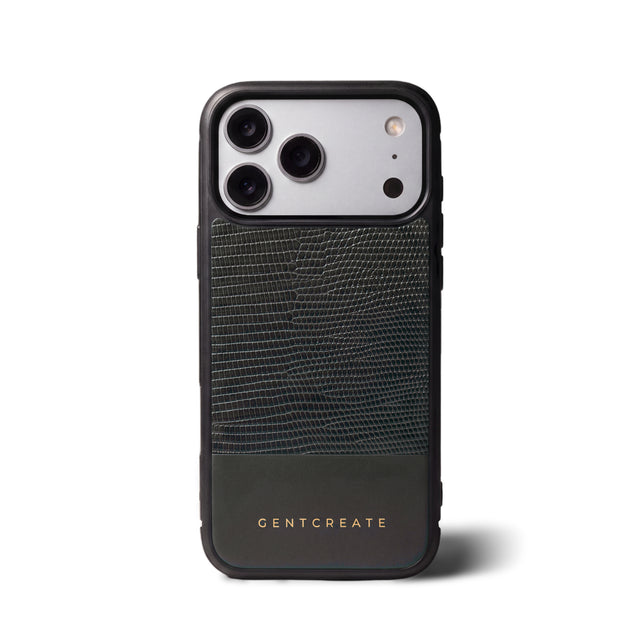


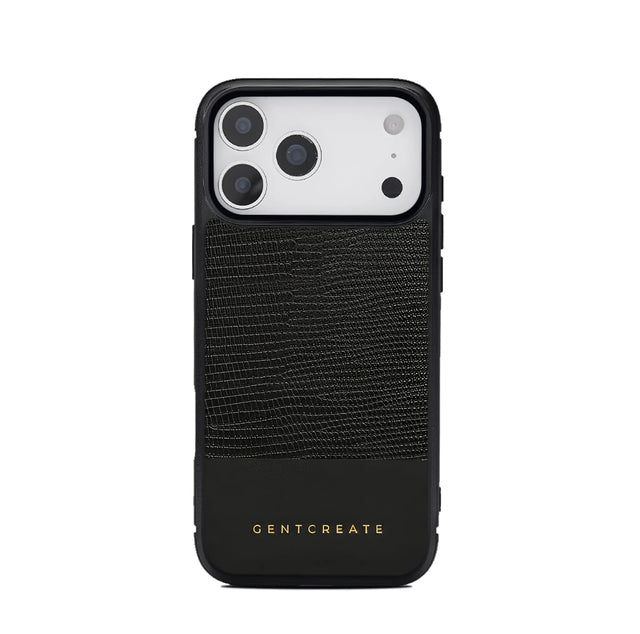


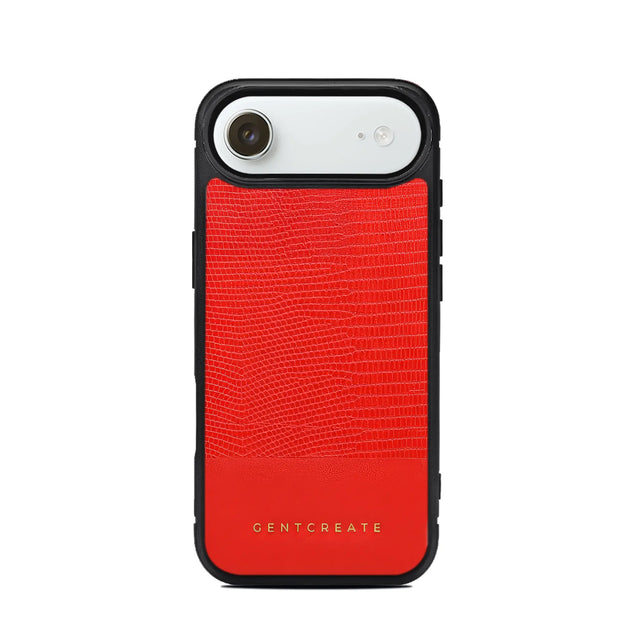


 Save $19 USD
Leather iPhone Case Lizard Pattern
- Product Specifications
- GENTCREATE Leather iPhone Case Lizard Pattern— Leather iPhone Case Lizard Pattern - Luxury Minimalistic Phone Case Our Lizard Leather iPhone case from Gentcreate is the perfect blend of style and ,Rubber Edge, Raised Camera Edge , Luxury , Calfskin Leather , fits iPhone 18 Pro Max, iPhone 18 Pro, iPhone 18, iPhone 17 Pro Max, iPhone 17 Pro, iPhone 17, iPhone 16 Pro Max, iPhone 16 Pro, iPhone 16, iPhone 15 Pro Max, iPhone 15 Pro, iPhone 15, iPhone 14 Pro Max, iPhone 14 Pro, iPhone 14 , available in Gray, Black, Orange, Green, Red, Yellow .
(46)From $79 $98 -


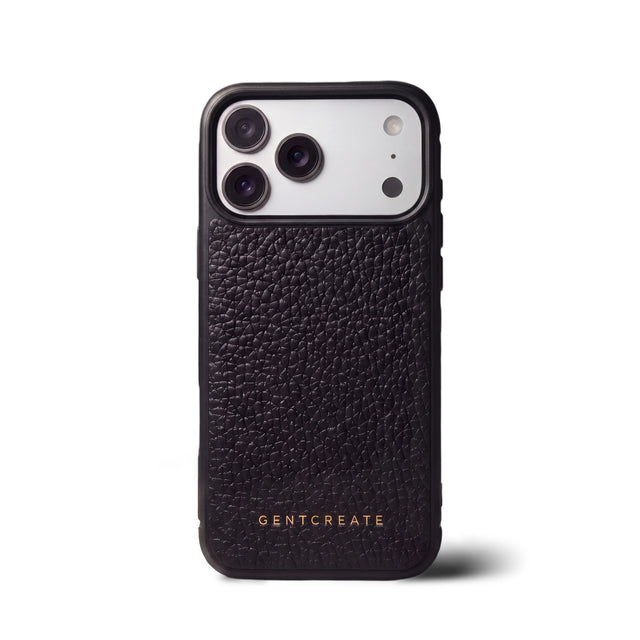


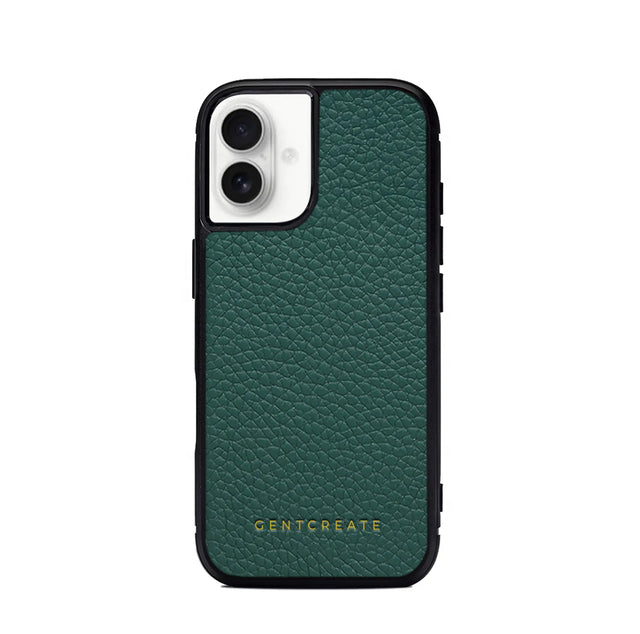


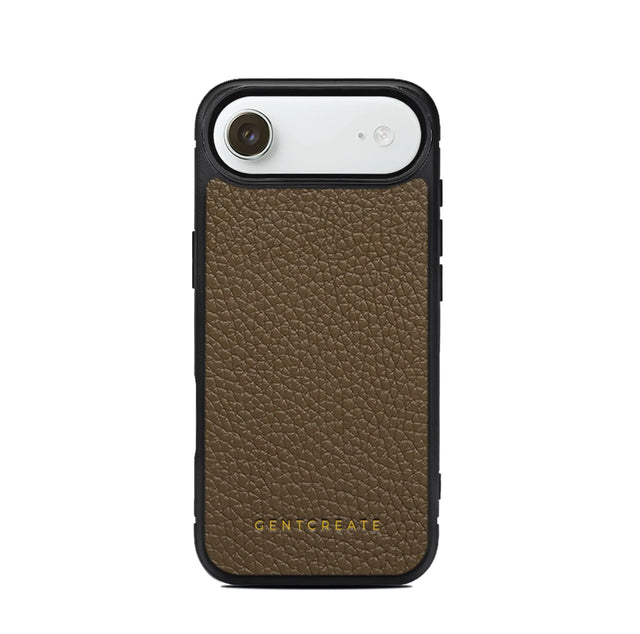

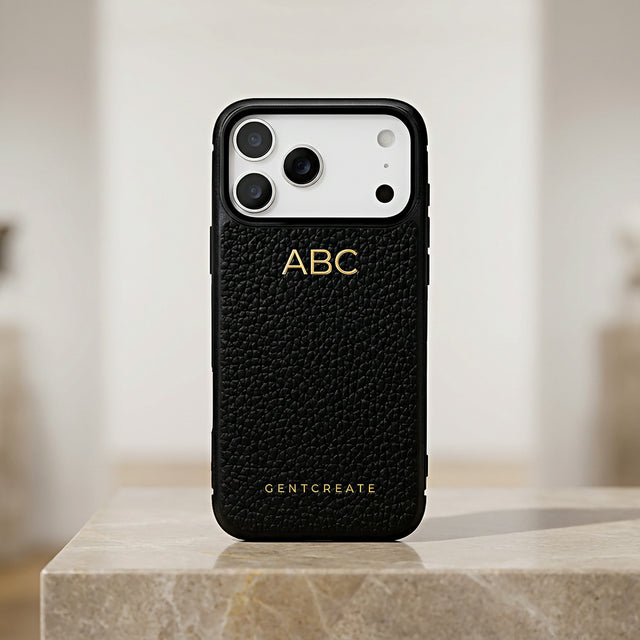


 Save $9 USD
Leather iPhone Case Pebble Pattern
- Product Specifications
- GENTCREATE Leather iPhone Case Pebble Pattern— Handmade Leather iPhone Case with a Pebbled Pattern This handmade Leather iPhone Case with a distinct pebble pattern is a really good value price purchase ,Rubber Edge, Raised Camera Edge , Luxury , Calfskin Leather , fits iPhone 18 Pro Max, iPhone 18 Pro, iPhone 18, iPhone 17 Pro Max, iPhone 17 Pro, iPhone 17, iPhone 16 Pro Max, iPhone 16 Pro, iPhone 16, iPhone 15 Pro Max, iPhone 15 Pro, iPhone 15, iPhone 14 Pro Max, iPhone 14 Pro, iPhone 14 , available in Navy, Black, Green, Brown, Khaki .
(29)From $65 $74 -




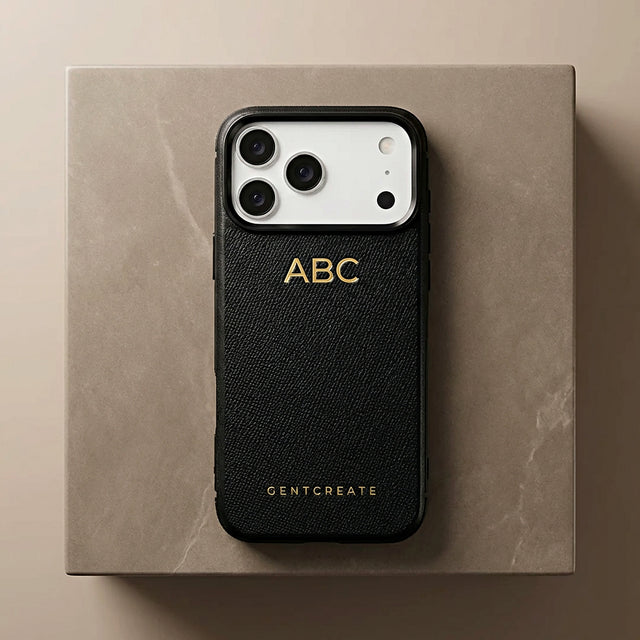


 Save $16 USD
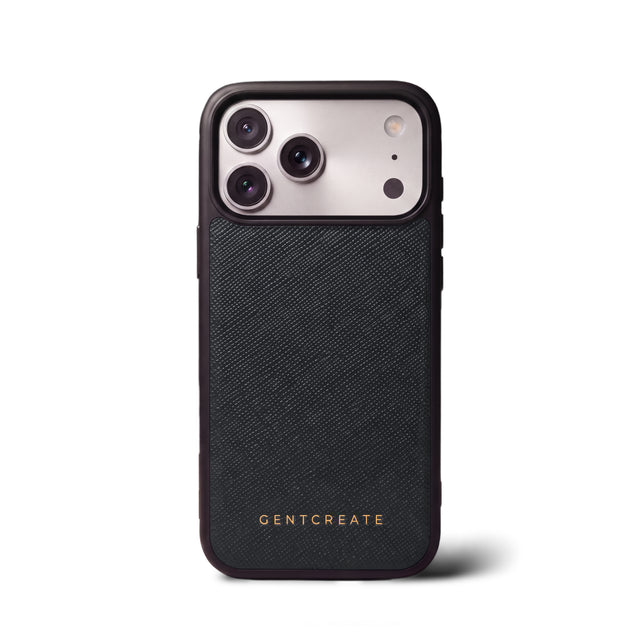
Leather iPhone Case Saffiano Pattern
- Product Specifications
- GENTCREATE Leather iPhone Case Saffiano Pattern— Uniquely Designed Contemporary Genuine Leather iPhone Case by Gentcreate Looking for a luxury leather iPhone case that will keep your device safe and ,Non-Slip, Gritty Feel, Raised Camera Edge , Luxury , Calfskin Leather , fits iPhone 18 Pro Max, iPhone 18 Pro, iPhone 18, iPhone 17 Pro Max, iPhone 17 Pro, iPhone 17, iPhone 16 Pro Max, iPhone 16 Pro, iPhone 16, iPhone 15 Pro Max, iPhone 15 Pro, iPhone 15, iPhone 14 Pro, iPhone 14 Plus, iPhone 14 Pro Max, iPhone 14 , available in Navy, Black .
(60)From $59 $75 -
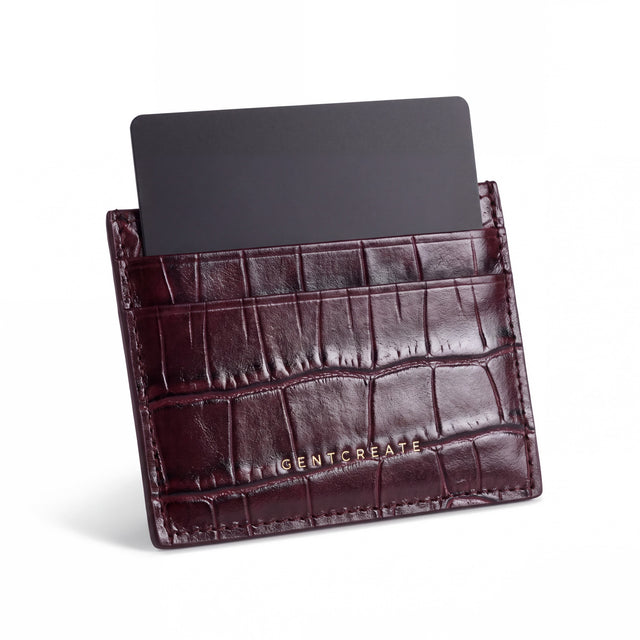


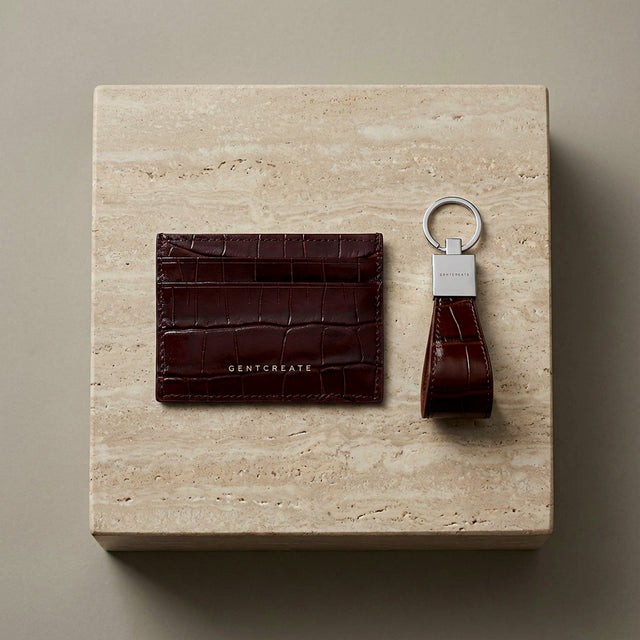


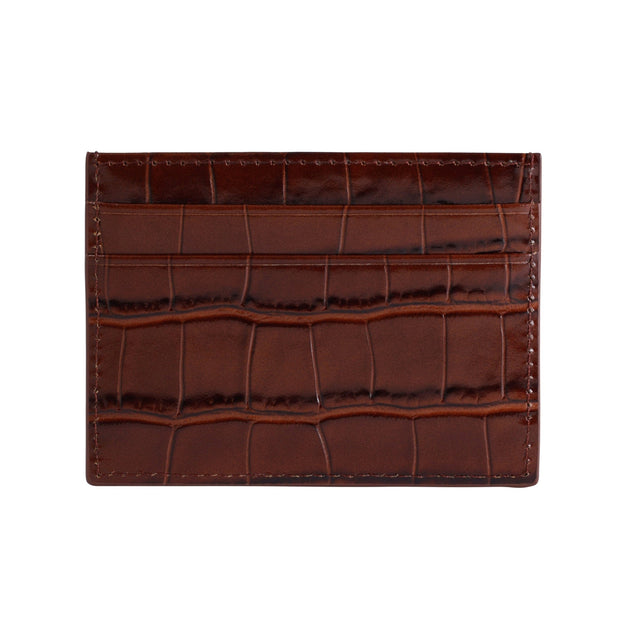


 Save $50 USD
Crocodile Embossed Leather Cardholder
- Product Specifications
- GENTCREATE Crocodile Embossed Leather Cardholder— Our Crocodile Embossed Leather Cardholder is made with premium calfskin leather with an embossed crocodile pattern, it features four card slots and a central ,Lightweight , Luxury , Calfskin Leather , 7.3 cm / 2.87 inch x 10.3 cm / 4,52 inch , available in Black, Burgundy, Green, Navy, Brown .
(47)$130 $180 -






 Save $85 USD
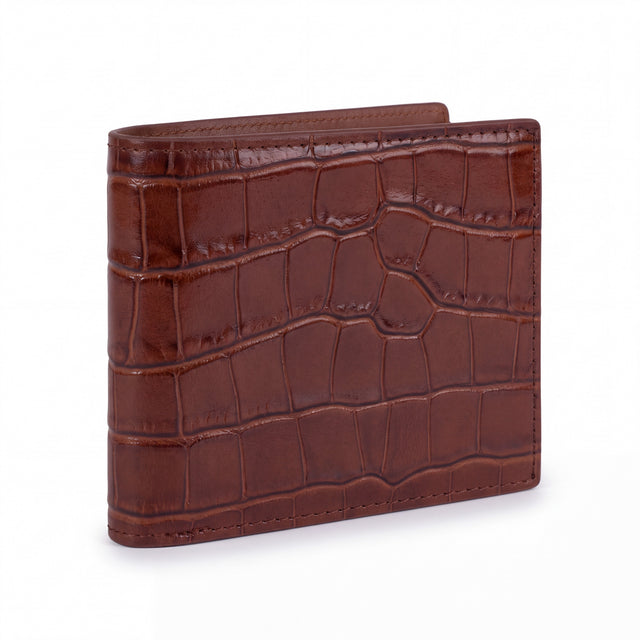
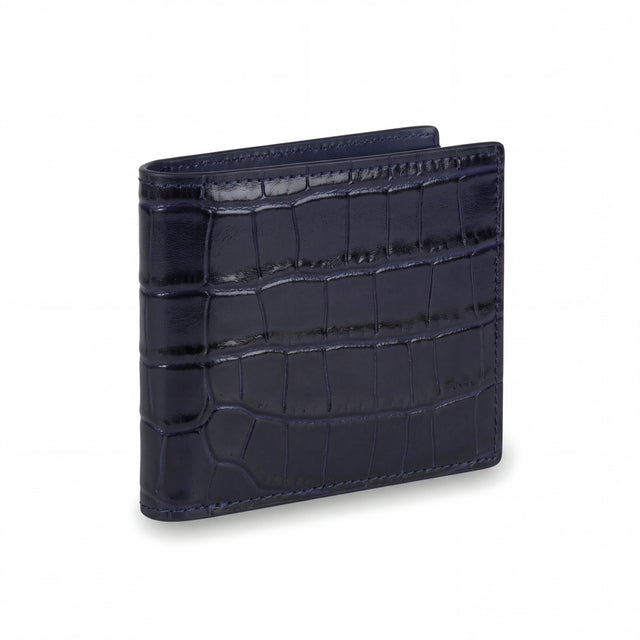
Crocodile Embossed Leather Wallet
- Product Specifications
- GENTCREATE Crocodile Embossed Leather Wallet— The crocodile bifold leather wallet is made from premium calfskin with a crocodile-embossed texture, offering a luxurious and timeless appeal. ,Lightweight , Luxury , Calfskin Leather , 9.5 cm / 3.74 inch x 11.5 cm / 4.52 inch , available in Black, Green, Brown, Burgundy, Navy .
(37)$165 $250 -




 Save $38 USD
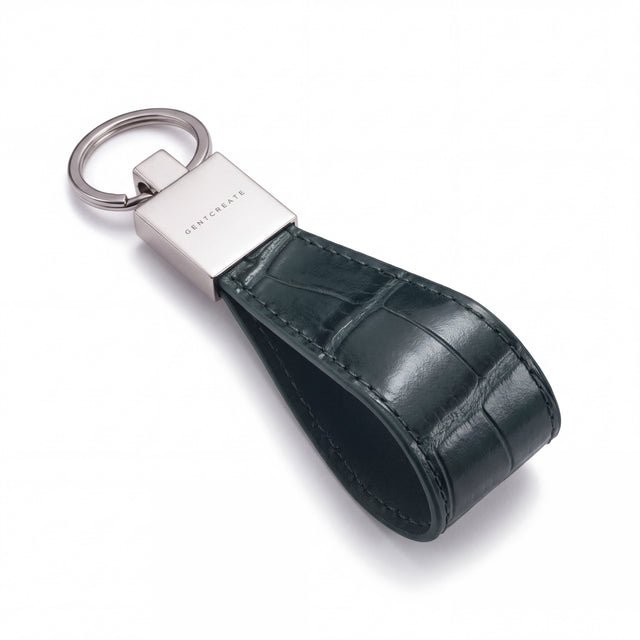
Crocodile Leather Keychain
- Product Specifications
- GENTCREATE Crocodile Leather Keychain— Crocodile Leather Keychain - Leather Accessories For Men and Women Made as a part of our crocodile leather accessories set, this keychain will only improve ,Stainless Steel , Luxury , Calfskin Leather , available in Black, Burgundy, Green, Navy, Brown .
(18)$59 $97


