

Yes, sitting on a thick wallet can cause or aggravate back pain and even sciatica-like symptoms, because a wedge of leather under one hip tilts your pelvis, twists your spine, and presses on the sciatic nerve. The good news is mechanical: the trouble comes from thickness, not from your back, and the fix is almost always to slim the wallet down or take it out from under you when you sit.
Yes, sitting on a thick wallet can cause or aggravate back pain and sciatica by tilting your pelvis and pressing on the sciatic nerve, and slimming or moving the wallet usually relieves it.
- Thickness over pocket: A bulky wallet, not the back pocket itself, is the real culprit; a slim wallet sits flat and keeps the pelvis level.
- Pelvic tilt is the mechanism: Sitting on a wedge of leather raises one hip, twisting the spine and loading muscles and nerves unevenly.
- Wallet neuritis is real: Sustained pressure on the piriformis and sciatic nerve can mimic sciatica, a pattern clinicians have long described.
- Relief is usually fast: Once the pressure is removed, mild irritation often eases within days to a couple of weeks for most people.
- The Flat-Pocket Test: GENTCREATE's house check; if your wallet shows a bulge through the pocket, it is thick enough to tilt you.
On our bench, we think about a wallet as something you sit on as much as something you carry. A wallet's job is to disappear into the pocket and into the day. When it instead becomes a hard, uneven block beneath you for eight hours, it stops being an accessory and starts being a posture problem.
This guide explains the real mechanism, separates myth from fact, and gives you a simple house method we call the Flat-Pocket Test to judge whether your everyday carry is working for your spine or against it.
What fat wallet syndrome is and whether it is real?
"Fat wallet syndrome" is a real, well-documented pattern, not a marketing scare; it describes the back, hip, and leg discomfort that develops when you habitually sit on a thick wallet. Clinicians have written about it for decades under names like "wallet neuritis" and "credit-card sciatica." The label is informal, but the mechanism behind it is straightforward physics.
Here is the core idea: a credit card is roughly 0.76 mm thick, so a wallet stuffed with ten or twelve cards plus folded cash quickly becomes a firm wedge an inch or more tall. Park that wedge under one buttock on a hard chair, and your body has to sit crooked.
The failure mode is treating the soreness as a back problem to be stretched or massaged away, while the wedge stays in your pocket every single day. The pain is a symptom; the thickness is the cause.
We do not claim a percentage of people are affected or cite a study, and we will not invent numbers. What we can say from the maker's side is simpler: the thinner and flatter the wallet, the less there is to sit on, and the less reason for the syndrome to start.
How sitting on a wallet twists the pelvis and spine?
Sitting on a wallet works like slipping a doorstop under one side of a table: it lifts one hip, tilts the pelvis, and forces the spine to curve sideways to keep you upright. That sideways compensation is where the strain begins.
Your pelvis is the foundation your spine sits on. When it stays level, the vertebrae stack cleanly and the load spreads evenly. Raise one side by even a centimeter, and the whole column has to bend to keep your head balanced over your base.
Hold that bend for hours and the muscles on one side of your lower back work overtime while the other side slackens. The result is the classic one-sided ache that often shows up after a long drive or a long shift at a desk.
The counter-case worth naming: an occasional minute or two on a thick wallet does nothing lasting. The damage comes from duration and repetition, the daily commute, the marathon meeting, the long-haul flight, not from a single sit. Wallet pain is a habit injury, which is also why a habit change tends to fix it.

What wallet neuritis and piriformis irritation are?
Wallet neuritis is nerve irritation caused by sustained pressure on the sciatic nerve, often through the piriformis muscle deep in the buttock, from sitting on a bulky wallet. It is the more specific, nerve-level version of fat wallet syndrome.
The sciatic nerve is the largest nerve in the body, running from the lower spine through the buttock and down the back of each leg. The piriformis is a small muscle that sits right on top of it. Compress that area against a hard wedge for long enough and the nerve can become irritated, sending signals that feel like burning, tingling, or numbness down the leg.
That is why people describe wallet pain as "sciatica" even when their spine is fine: the symptom travels down the leg because the nerve does. Pressure near the piriformis can produce leg symptoms without any disc involvement at all.
The failure mode here is chasing the leg. You feel it in the calf or hamstring, so you stretch the calf or hamstring, while the actual pressure point sits forgotten in your back pocket. Address the source under your hip and the downstream symptoms usually settle.
Whether a back-pocket wallet causes sciatica or only aggravates it?
For most people a back-pocket wallet aggravates or mimics sciatica rather than being the sole cause, but in some cases sustained pressure is enough to trigger genuine nerve symptoms on its own. Both things are true, and the distinction matters for what you do next.
True sciatica usually originates at the spine, often from a disc pressing on a nerve root. A wallet does not create a herniated disc. What it can do is add an external pressure point that either sets off nerve symptoms in a susceptible person or pours fuel on an irritation that already exists.
Think of it as the trigger versus the kindling. If your low back is already sensitive, the wallet is the trigger that turns a quiet problem loud. If your back is healthy, the wallet is usually an irritant that fades once removed.
The counter-case: persistent, severe, or worsening leg pain, numbness, or weakness is not a wallet question. It is a clinician question. We make leather goods, not diagnoses. Removing the wallet is a smart, free first step, but it does not replace medical advice when symptoms are serious or lasting.
Why a thinner wallet reduces uneven pressure when sitting?
A thinner wallet reduces uneven pressure because it lowers the height of the wedge you sit on, so your pelvis stays closer to level and the load spreads across both hips instead of one. Less height means less tilt, and less tilt means less strain.
The math is intuitive. A bulky bifold or trifold packed with receipts can stand an inch or more proud of the pocket. An ultra-slim card holder, the kind we build at around 2 mm with up to about eight slots, is barely thicker than the cards inside it. Sit on the first and you sit crooked; sit on the second and you barely register it.
This is the heart of the Flat-Pocket Test, our house method: stand in front of a mirror with your wallet in your back pocket and look for a visible bulge. If the pocket lies flat, the wallet is unlikely to tilt you. If it pushes out a noticeable lump, it is tall enough to lift your hip when you sit, and it is time to slim down. We would rather you carry less than carry a doorstop.
| Wallet thickness | Typical capacity | How it sits when you sit on it | Pelvic-tilt risk |
|---|---|---|---|
| Ultra-slim card holder (~2 mm) | Up to ~8 cards | Nearly flat, barely noticeable | Lowest |
| Slim / front-pocket wallet | ~6 to 10 cards, light cash | Low profile, minimal wedge | Low |
| Standard bifold | ~6 to 10 cards plus cash | Modest wedge, depends on contents | Moderate |
| Overstuffed trifold | ~10 to 12 cards plus receipts | Tall, firm block | Highest |
The takeaway from the table is the same as the takeaway from the bench: capacity is not the enemy, accumulated bulk is. A disciplined slim wallet can hold what you actually use while staying flat enough to sit on safely.

How quickly pain eases once the pressure is removed?
For mild, wallet-driven discomfort, relief is often quick: many people notice improvement within a few days to a couple of weeks once they stop sitting on the wallet. When the cause is purely mechanical, removing the cause tends to remove the symptom.
The logic follows the injury. If irritation came from days of uneven sitting, then days of even sitting give the muscles and nerve a chance to calm down. Take the wedge out, sit level, and the one-sided ache usually fades on its own.
The honest counter-case: deeper or longer-standing problems do not resolve on a tidy timeline, and a wallet swap is not a cure for spinal issues. If pain lingers past a few weeks, intensifies, or comes with weakness or numbness, that is a signal to see a professional rather than to wait it out.
A practical bridge in the meantime: move the wallet to a front pocket or a bag while you sit, and keep it there for long drives and desk days. Even before you upgrade, simply not sitting on the wallet is the fastest free relief available.

Whether thickness matters more than which pocket you use?
Thickness matters more than the pocket: a slim wallet in your back pocket is gentler on your spine than a thick one anywhere you end up sitting on it. The pocket is the location; the thickness is the problem.
It is fashionable to say "never use the back pocket," and moving the wallet forward genuinely helps because you stop sitting on it. But the advice misses the real lever. The reason a front pocket helps is that it removes the wedge from under your hip, and a wallet thin enough not to be a wedge solves the same problem without changing your habit.
So the priority order is clear: first slim the wallet, then mind the pocket. A 2 mm card holder in the back pocket may never tilt you at all, while an overstuffed trifold can pressure a thigh nerve even from the front. Solve thickness and the pocket question gets much smaller.
The failure mode is treating pocket choice as the whole answer. People dutifully move a brick to the front pocket, feel a new pressure point on the leg, and conclude nothing helps. The wallet was always the issue. For a fuller breakdown of how slim builds differ, our guide on the difference between a slim wallet, a minimalist wallet, and a card holder is the place to start, and the phone case versus separate wallet comparison covers where to keep it once it is slim.

How does GENTCREATE design a slim leather wallet that sits flatter in the pocket?
GENTCREATE designs for flatness from the first cut: we choose lean leathers, hand-stitch tight clean lines, and limit slots so the finished wallet stays low and even in the pocket instead of building into a wedge. Minimalism here is not a look; it is a structural decision that happens to be good for your back.
The doctrine is simple: carry only what you use, and let the wallet earn its character through full-grain leather rather than through bulk. Because we control every stitch, fold, and cut as the maker, thinness is a process choice we make on the bench, not a compromise we hope the contents allow.
Material does the quiet work. A precise card bay in full-grain, calfskin, or a fine Italian leather holds its shape without padding, and a crisp hand-stitched edge keeps the profile tight. Saffiano and Epsom finishes resist the stretch and sag that turns a once-slim wallet into a swollen one over time, and a wallet that stays slim stays kind to your pelvis.
The counter-case we design against is the wallet that starts thin and grows fat. A loose, overbuilt interior invites you to stuff it; a disciplined one does not. Our ultra-slim card holders at around 2 mm and our slim and front-pocket styles are built to pass the Flat-Pocket Test on day one and on day one thousand. When you are ready to choose, our Slim Leather Wallets collection is built entirely around sitting flat, and the broader Leather Wallets range covers every form if you want to compare. To understand exactly which parts add height, our breakdown of the anatomy of a wallet and the guide to how a money clip wallet works both help you carry leaner.
Your slim-wallet-for-a-healthy-back checklist
Decide thickness first: a wallet that passes the Flat-Pocket Test is the single best thing you can do for your back, so run this quick check on your current carry and your habits.
- Run the Flat-Pocket Test with no visible bulge through the back pocket in the mirror.
- Count your cards and keep only what you use weekly; aim for a slim slot count, up to around eight.
- Drop the receipts and folded cash that turn a slim wallet into a wedge.
- Measure the height; an ultra-slim card holder sits near 2 mm, while a brick stands an inch or more.
- Take it out for long sits by removing the wallet for drives, flights, and desk marathons.
- Sit level and notice whether one hip rides higher; if so, the wallet is the likely doorstop.
- Choose a leather that holds shape; full-grain, Saffiano, or Epsom resists the slow swell into bulk.
- Escalate when needed; lasting, severe, or radiating leg symptoms mean see a clinician, not a new wallet.
Frequently asked questions
Sitting on a thick wallet is a mechanical problem with mechanical fixes, so the answers below come down to thickness, pocket choice, and when to see a clinician.
Can sitting on your wallet really cause sciatica? It can trigger or mimic sciatica through sustained pressure on the sciatic nerve, though it rarely causes spine-level sciatica by itself. A thick wallet under one hip can press on the piriformis muscle and the nerve beneath it, producing burning or tingling down the leg. For most people it aggravates an existing sensitivity rather than creating disc damage, but the symptoms can feel identical.
Is the back pocket the problem, or is it the wallet's thickness? Thickness is the bigger problem: a slim wallet causes far less trouble in any pocket than a thick one does. The back pocket only matters because that is where you sit on the wedge. Remove the bulk and the pocket question shrinks; a 2 mm card holder may never tilt you at all.
How thin should my wallet be to avoid back pain? Thin enough to pass the Flat-Pocket Test, with no visible bulge when it is in your back pocket. In practice that points to an ultra-slim card holder around 2 mm or a disciplined slim wallet carrying only what you use. The lower the profile, the more level your pelvis stays when you sit.
How long until wallet-related back pain goes away? Mild, mechanical discomfort often eases within a few days to a couple of weeks after you stop sitting on the wallet. When the cause is purely pressure, removing the pressure lets the muscles and nerve recover. If pain persists, worsens, or comes with numbness or weakness, see a clinician rather than waiting.
Will moving my wallet to the front pocket fix it? It usually helps because you stop sitting on it, but slimming the wallet is the more complete fix. A front pocket removes the wedge from under your hip, yet an overstuffed wallet can still press a thigh nerve. Solve thickness first, then choose the pocket that suits you.
Does the type of leather affect how flat my wallet sits? Yes: leathers and construction that hold their shape keep a wallet slim over time instead of letting it swell. A precise hand-stitched card bay in full-grain or fine Italian leather stays tight, while structured finishes like Saffiano and Epsom resist the stretch that turns slim into bulky. A wallet that stays flat stays kind to your back.
Carry only what you use, keep it flat, and your spine will barely know it is there. Start with the styles built for exactly that in our slim leather wallets collection.
-


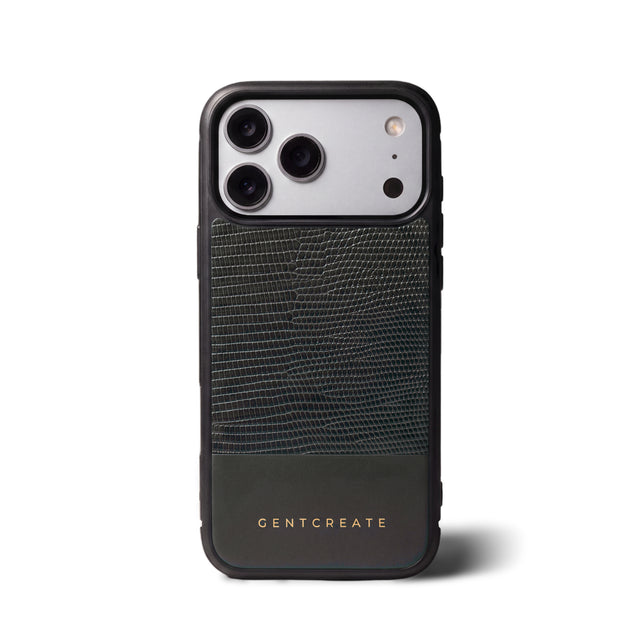


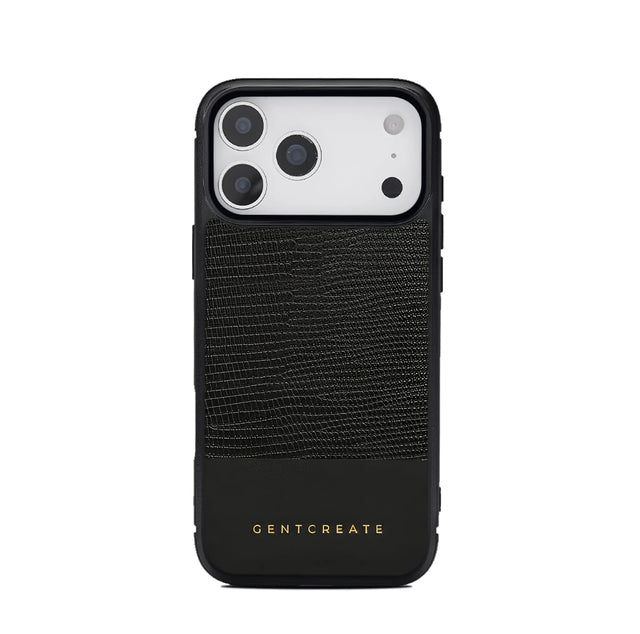


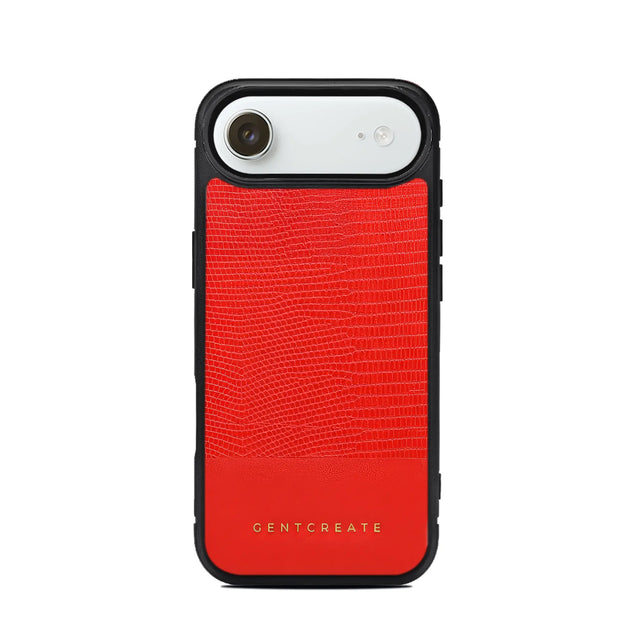


 Save $19 USD
Leather iPhone Case Lizard Pattern
- Product Specifications
- GENTCREATE Leather iPhone Case Lizard Pattern— Leather iPhone Case Lizard Pattern - Luxury Minimalistic Phone Case Our Lizard Leather iPhone case from Gentcreate is the perfect blend of style and ,Rubber Edge, Raised Camera Edge , Luxury , Calfskin Leather , fits iPhone 18 Pro Max, iPhone 18 Pro, iPhone 18, iPhone 17 Pro Max, iPhone 17 Pro, iPhone 17, iPhone 16 Pro Max, iPhone 16 Pro, iPhone 16, iPhone 15 Pro Max, iPhone 15 Pro, iPhone 15, iPhone 14 Pro Max, iPhone 14 Pro, iPhone 14 , available in Gray, Black, Orange, Green, Red, Yellow .
(46)From $79 $98 -


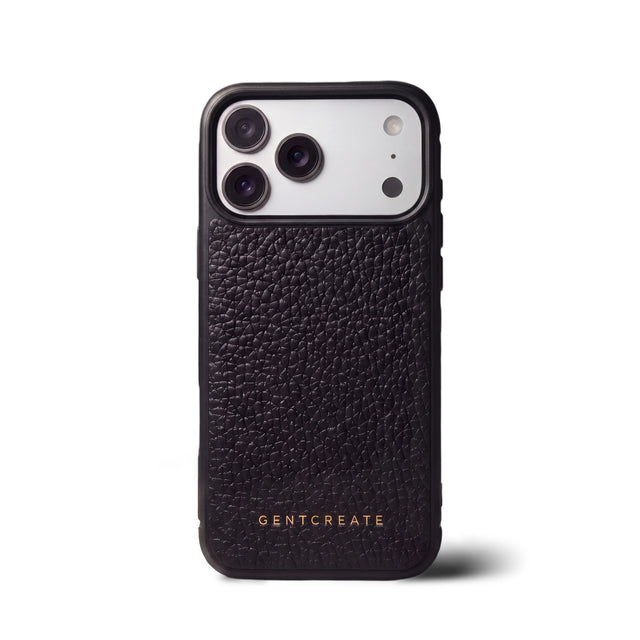


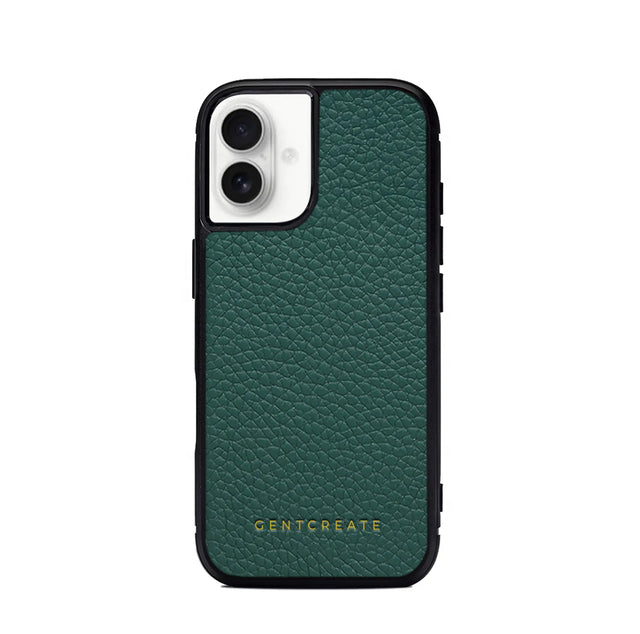


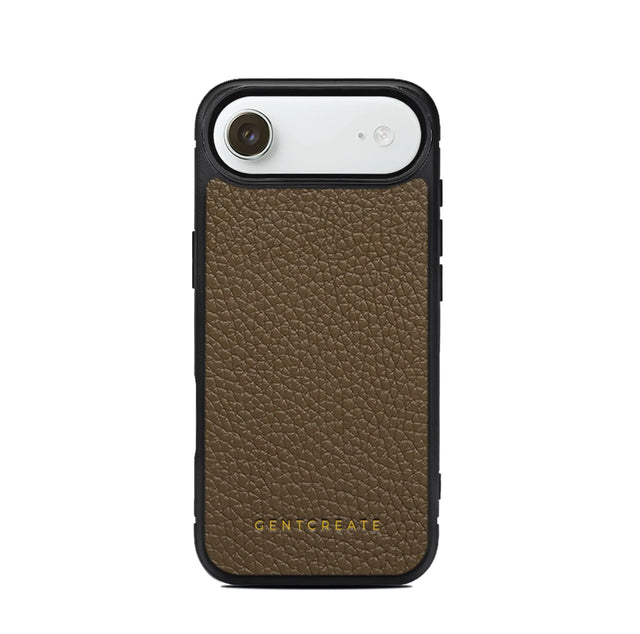

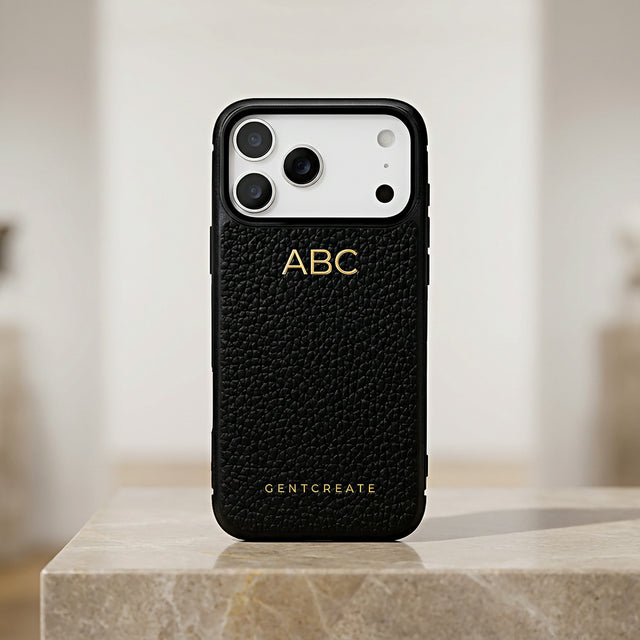


 Save $9 USD
Leather iPhone Case Pebble Pattern
- Product Specifications
- GENTCREATE Leather iPhone Case Pebble Pattern— Handmade Leather iPhone Case with a Pebbled Pattern This handmade Leather iPhone Case with a distinct pebble pattern is a really good value price purchase ,Rubber Edge, Raised Camera Edge , Luxury , Calfskin Leather , fits iPhone 18 Pro Max, iPhone 18 Pro, iPhone 18, iPhone 17 Pro Max, iPhone 17 Pro, iPhone 17, iPhone 16 Pro Max, iPhone 16 Pro, iPhone 16, iPhone 15 Pro Max, iPhone 15 Pro, iPhone 15, iPhone 14 Pro Max, iPhone 14 Pro, iPhone 14 , available in Navy, Black, Green, Brown, Khaki .
(29)From $65 $74 -


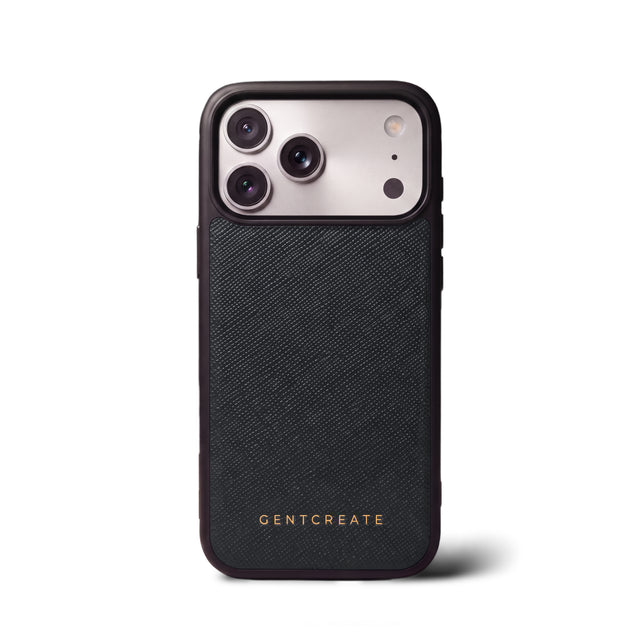


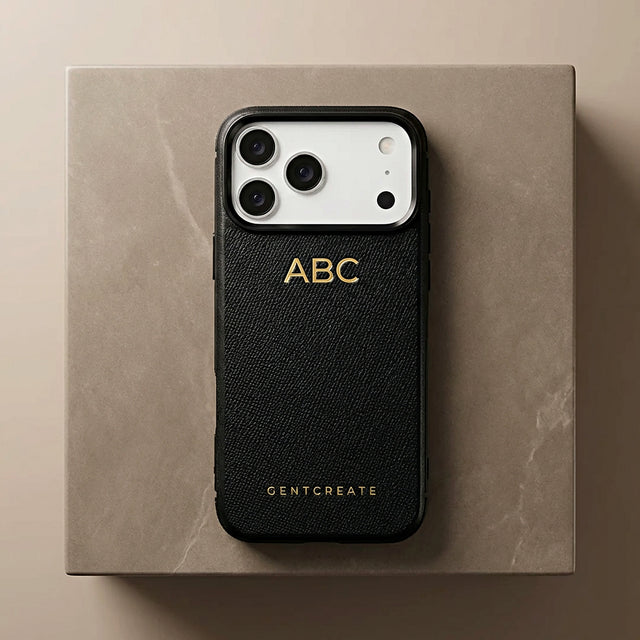


 Save $16 USD
Leather iPhone Case Saffiano Pattern
- Product Specifications
- GENTCREATE Leather iPhone Case Saffiano Pattern— Uniquely Designed Contemporary Genuine Leather iPhone Case by Gentcreate Looking for a luxury leather iPhone case that will keep your device safe and ,Non-Slip, Gritty Feel, Raised Camera Edge , Luxury , Calfskin Leather , fits iPhone 18 Pro Max, iPhone 18 Pro, iPhone 18, iPhone 17 Pro Max, iPhone 17 Pro, iPhone 17, iPhone 16 Pro Max, iPhone 16 Pro, iPhone 16, iPhone 15 Pro Max, iPhone 15 Pro, iPhone 15, iPhone 14 Pro, iPhone 14 Plus, iPhone 14 Pro Max, iPhone 14 , available in Navy, Black .
(60)From $59 $75 -
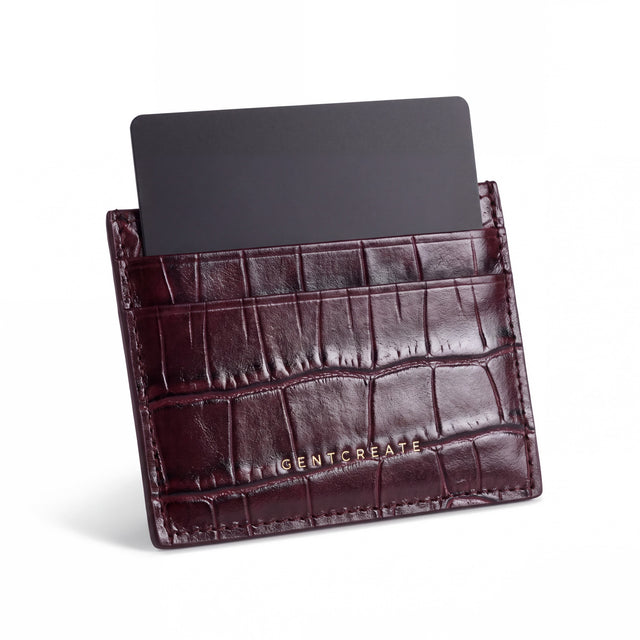


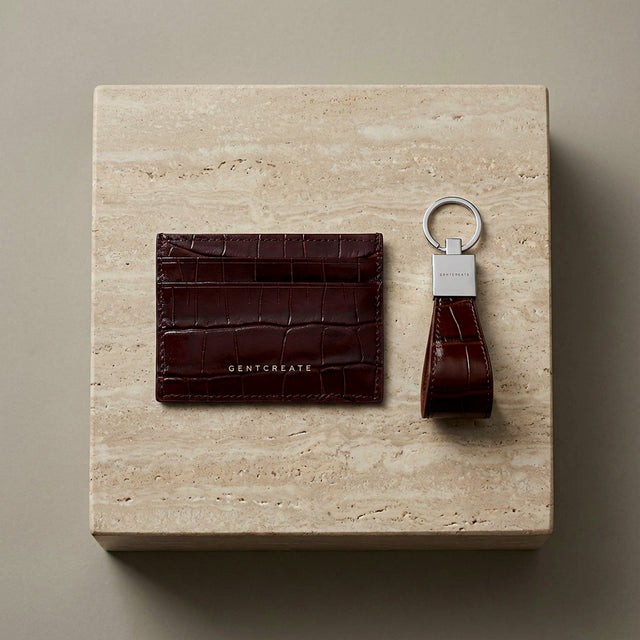


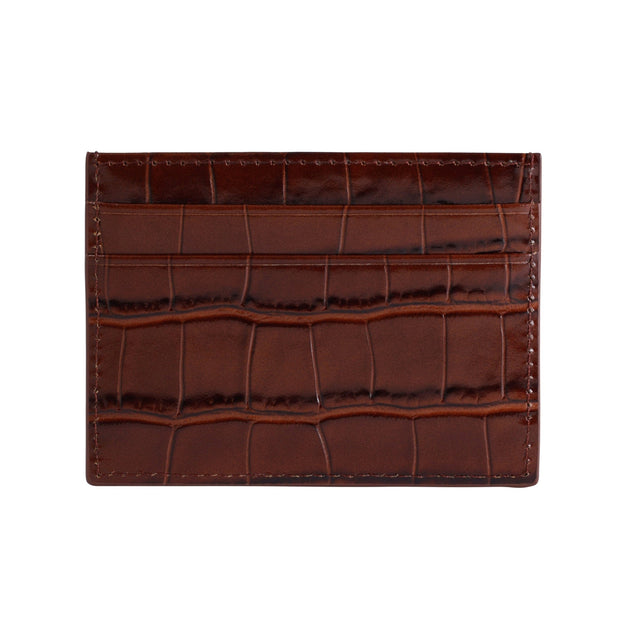


 Save $50 USD
Crocodile Embossed Leather Cardholder
- Product Specifications
- GENTCREATE Crocodile Embossed Leather Cardholder— Our Crocodile Embossed Leather Cardholder is made with premium calfskin leather with an embossed crocodile pattern, it features four card slots and a central ,Lightweight , Luxury , Calfskin Leather , 7.3 cm / 2.87 inch x 10.3 cm / 4,52 inch , available in Black, Burgundy, Green, Navy, Brown .
(47)$130 $180 -






 Save $85 USD
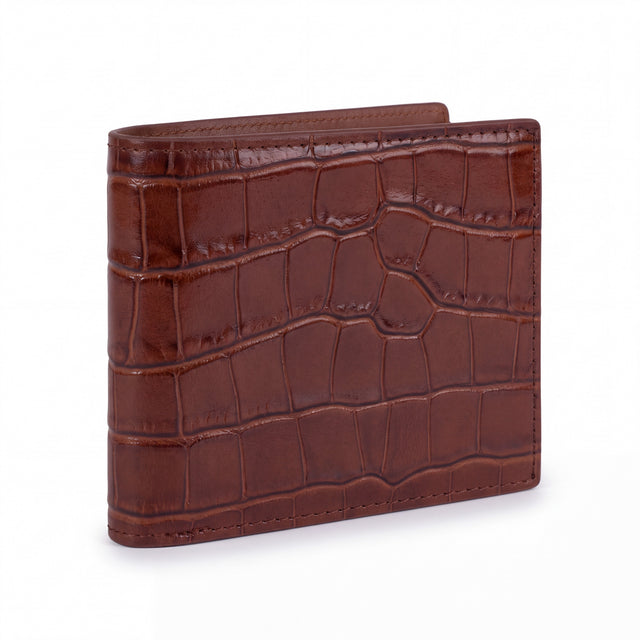
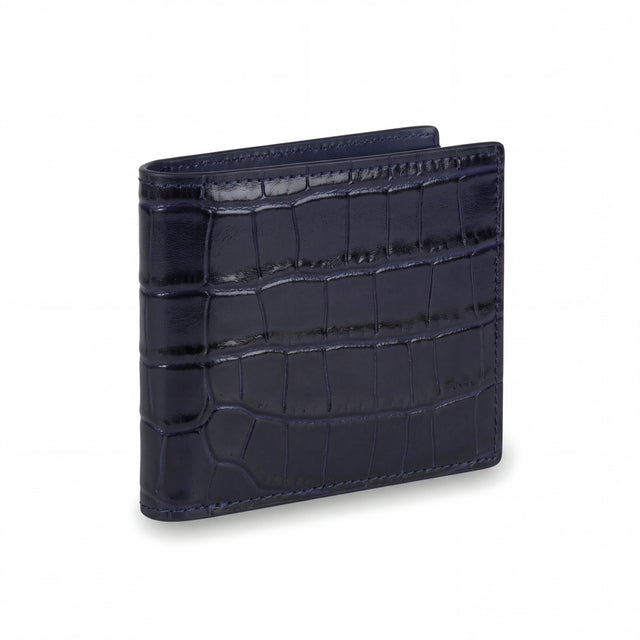
Crocodile Embossed Leather Wallet
- Product Specifications
- GENTCREATE Crocodile Embossed Leather Wallet— The crocodile bifold leather wallet is made from premium calfskin with a crocodile-embossed texture, offering a luxurious and timeless appeal. ,Lightweight , Luxury , Calfskin Leather , 9.5 cm / 3.74 inch x 11.5 cm / 4.52 inch , available in Black, Green, Brown, Burgundy, Navy .
(37)$165 $250 -




 Save $38 USD
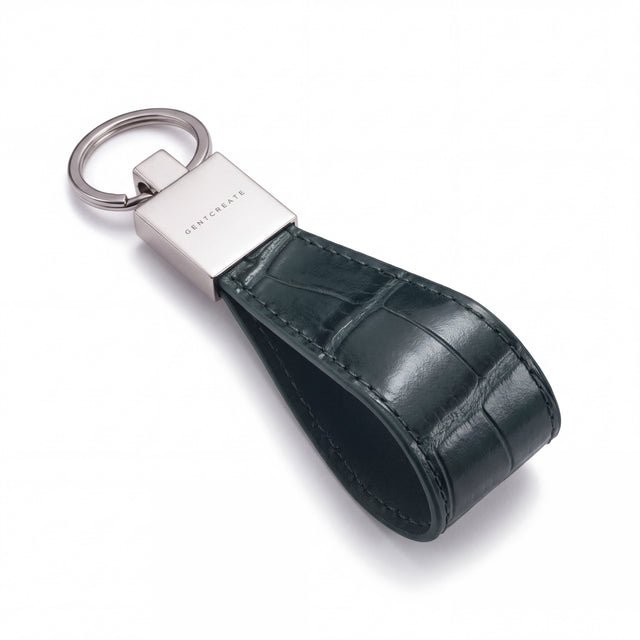
Crocodile Leather Keychain
- Product Specifications
- GENTCREATE Crocodile Leather Keychain— Crocodile Leather Keychain - Leather Accessories For Men and Women Made as a part of our crocodile leather accessories set, this keychain will only improve ,Stainless Steel , Luxury , Calfskin Leather , available in Black, Burgundy, Green, Navy, Brown .
(18)$59 $97


