

A money clip wallet is a slim leather carry that pairs a few stitched card bays with a metal clip that pins your folded bills in place, so cash and cards travel together without the bulk of a traditional folded billfold. It does two jobs in one body: the leather face holds the cards you reach for, and the clip handles the cash a card holder cannot. The result is a flatter pocket and a faster draw.
A money clip wallet is a slim leather carry that holds your cards in stitched bays and pins your folded bills under a metal clip, so cash and cards travel together without the bulk of a folded billfold.
- Two jobs, one body: a money clip wallet combines a card pocket with a metal clip that grips folded cash, replacing the billfold's bulky cash slot.
- Clip type matters: a spring clip uses tension and grips harder over time, while a magnetic clip closes flat and cleaner but holds fewer bills.
- Magnets are weaker than you fear: a fridge-strength magnet will not wipe a modern chip card, though it can scramble an old magnetic hotel key.
- Capacity is the point: plan for 3 to 8 cards and a folded stack of bills; load it for daily reach, not for everything you own.
- The Clip-and-Carry Check: our bench habit of folding bills once, seating them under the clip, and tugging before you stand keeps cash from slipping.
That is the whole idea behind what is a money clip wallet as a category. It strips a wallet down to its working parts and removes the empty volume a billfold carries even when it is half full. On our bench, we think of it as the minimalist's answer to the question of where the cash goes.
This guide explains how the clip and the card bays work together, who the format suits, how magnetic and spring clips differ, whether the magnet can hurt your cards, how much it really holds, how it stacks up against a pure card holder, and how to load one so nothing slips. It is a process, and like every fold and stitch we cut, the details decide whether it works.
What is a money clip wallet and how does it actually work?
A money clip wallet works by separating the two things a wallet must carry, cards and cash, and giving each its own mechanism instead of one shared fold. The cards sit in leather slots, usually on the front or the back face. The cash gets folded once or twice and slides under a sprung or magnetized metal clip that holds it flat against the leather.
The clip is the part that does the heavy lifting. Tension, not a fold, is what keeps your bills from sliding out, so the wallet stays slim no matter how many cards sit beside it. A classic billfold thickens fastest at its cash pocket; the clip removes that pocket entirely.
When we hand-stitch a card bay on a money clip wallet, we are tuning two things at once, the grip of the slot and the seat of the clip. The card bay should hold a card snug enough to stay put, the clip firm enough to pin a single folded bill or a small stack. The failure mode is a wallet built like a billfold with a clip bolted on, thick where it should be thin, defeating the entire reason you chose the format.
If you want to see how each component earns its place, our field guide to every part of a wallet breaks the anatomy down piece by piece.

Who is a money clip wallet best suited for in everyday carry?
A money clip wallet suits the person who carries a handful of cards, some cash, and wants the flattest possible pocket, especially front-pocket carriers. If your daily reach is three cards and a few bills, the clip format gives you cash access a card holder cannot, without the heft a billfold adds. It is built for editing down, not for hoarding.
It also serves anyone who has retired the back pocket. A slim clip wallet sits comfortably in a front pocket or an inside jacket pocket, where a thick billfold never could. For the long-standing reasons your back pocket is the wrong home for a wallet, our note on whether sitting on your wallet causes back pain lays out the case.
The counter-case is honest: if you carry ten-plus cards, loyalty cards, multiple memberships, and a thick fold of bills, a clip wallet will frustrate you. That carrier wants a bifold or a zip-around with real capacity. We would rather you carry the right tool than force a clip to do a billfold's job.
This is where our carry audit earns its keep. Empty your current wallet onto a table, sort what you touched this week from what you did not, and count what remains. Most people land at four to six cards and some cash, which is exactly the clip wallet's home turf.

What is the difference between a magnetic money clip and a spring clip?
The difference is the holding mechanism: a spring clip uses bent-metal tension to pinch your bills, while a magnetic clip uses two magnetized leaves that snap shut over them. Both hold cash flat against the leather, but they feel and behave differently in daily use, and the choice shapes how the wallet carries.
A spring clip grips by force and tends to hold a wider range, from a single bill to a small stack, with consistent pressure. A magnetic clip closes flush and clean, with no visible spring, which many find more elegant, but its hold is gentler and better suited to a few bills than a fat fold.
Here is how the two compare on the points that matter at the pocket:
| Feature | Spring clip | Magnetic clip |
|---|---|---|
| Holding force | Firm, tension-based | Gentle, snap-flat |
| Best cash load | 1 to ~12 folded bills | 1 to ~6 folded bills |
| Profile when full | Slight spring visible | Closes flush and flat |
| Single-bill grip | Reliable | Can feel loose |
| Card-safety concern | None | Mind old magnetic keys |
The failure mode for a spring clip is over-stuffing until the tension relaxes; the failure mode for a magnetic clip is expecting it to pin a thick wad it was never built to hold. Match the clip to your real cash habit, not to the day you carry the most.
Will the magnet in a money clip wallet damage your credit cards or hotel keys?
A magnetic money clip will not erase a modern chip-and-PIN credit card, but it can scramble an older magnetic-stripe hotel key or transit card if you press the two together. Today's bank cards store their data on an EMV chip and increasingly on contactless antennas, neither of which a small wallet magnet can affect. The chip is the brain, and magnets do not reach it.
The genuine risk is the old-fashioned magnetic stripe, the brown or black band on the back. A strong magnet held against that stripe can corrupt it, which is why hotel key cards, some gym fobs, and legacy gift cards are the ones to keep apart from a magnetic clip. Bank cards with stripes are more robust than people assume, but caution costs nothing.
The practical answer on our bench is simple: a magnetic clip and your cards do not share the same space. Cards live in the leather bays; cash lives under the clip. Keep that separation and the magnet question disappears. The failure mode is sandwiching a hotel key directly against the magnet for hours, so drop that key in the card bay instead.
If clip-versus-card questions are steering your whole carry decision, our comparison of a phone wallet case against a separate wallet covers the magnet-near-phone worry too.
How many cards and bills can a money clip wallet realistically hold?
A money clip wallet realistically holds three to eight cards in its bays and a folded stack of bills under the clip, though the comfortable number is lower than the maximum. The leather slots set the card ceiling; the clip's tension sets the cash ceiling. Push past either and the wallet stops being slim, which forfeits its only real advantage.
A credit card is about 0.76 mm thick, so the math is friendlier than it looks: eight cards stack to roughly 6 mm, about the height of a few stacked coins. Add a folded set of bills and a slim clip wallet still rides flatter than a half-empty bifold. The constraint is rarely thickness; it is restraint.
| Carry profile | Cards | Folded bills | Best format |
|---|---|---|---|
| Ultra-minimal | 1 to 3 | A few | Card holder or slim clip |
| Everyday clip | 3 to 6 | Small fold | Money clip wallet |
| Cash-forward | 4 to 6 | Larger fold | Spring-clip wallet |
| High capacity | 8 to 12 | Thick fold | Bifold or zip-around |
Our carry audit again sets the honest number. The failure mode is treating the maximum as the target, cramming eight cards plus a wad until the clip splays and the leather strains. Load for the week you actually live, not the contingency you imagine.

How does a money clip wallet compare to a slim leather card holder?
A money clip wallet and a slim card holder are close cousins, but the clip adds dedicated cash carry that a pure card holder lacks. A card holder is the leanest possible wallet, sometimes an ultra-slim sleeve around 2 mm thick with up to about eight card slots, built for cards alone. The money clip wallet keeps that slim spirit and adds a place for bills.
So the real question is whether you carry cash. If you almost never do, a card holder is the purer minimalist answer. If you want a little cash on hand without reverting to a billfold, the clip is the bridge between the two, slim like a card holder, capable like a wallet.
The failure mode is buying a card holder, then stuffing folded bills into a card slot, which bulges the leather and wears the seams unevenly. That is exactly the job the clip was designed to do. For the full three-way breakdown, our guide to the slim wallet, minimalist wallet, and card holder maps where each one wins, and the history of the leather money clip wallet explains how the clip earned its place in the first place.

How do you load and use a money clip wallet so cash and cards stay secure?
You load a money clip wallet by seating cards in their bays first, then folding your bills once and sliding them fully under the clip so the fold faces inward. Cards go in their slots, never under the clip; cash goes under the clip, never in a card slot. Keeping those two zones separate is the whole discipline of carrying one well.
We teach a habit on the bench we call the Clip-and-Carry Check: fold your bills once cleanly, seat them deep under the clip until the fold sits flush, then give the stack a firm tug before you stand. If it holds against the tug, it will hold in your pocket. If it shifts, you have too few bills for the tension or you seated them shallow.
A few working notes keep it secure over the years:
- Fold bills once, not three times; a single crisp fold seats flattest under the clip.
- Slide cash all the way in so no edge peeks past the clip's mouth.
- Let full-grain leather break in; the card bays grip more confidently after a week of use.
- Recondition the leather occasionally so the bays stay supple and the clip's seat stays true.
The failure mode is the half-seated bill, tucked just under the lip, that walks out as you sit and stand through the day. The tug test catches it every time.
How does GENTCREATE craft leather money clip wallets that hold cards and cash without bulk?
GENTCREATE crafts its money clip wallets by hand-finishing full-grain and Italian leather, hand-stitching the card bays, and seating the clip so it grips cash without adding thickness. Because we control every stitch, fold, and cut, the slim profile is a process choice, not a price tier. We build the wallet thin on purpose, then prove it holds.
Full-grain is the most durable cut of leather, and it earns a patina that deepens with use, so the wallet you carry for years looks better than the day it shipped. We let the material do that work rather than masking it. Each piece arrives in a sustainable gift box, with free shipping and a product warranty behind it, and direct-from-maker pricing means atelier-grade craft without the middleman markup.
You can explore the full range in our leather money clip wallets collection, and if you are still weighing how slim you want to go, the broader slim leather wallets collection sits right alongside it. The minimalist principle holds throughout: the power of simplicity, of clean lines and uncluttered design, carrying only what you use.
Your money clip wallet checklist
Before you buy or load one, decide whether you truly carry cash often enough to need a clip; if you do, a money clip wallet is the right slim format for a small daily stack of cards and bills.
- Did you run the carry audit and count your real daily cards?
- Is your number in the 3-to-8 range a clip wallet handles well?
- Do you carry cash often enough to want a clip over a pure card holder?
- Did you pick a spring clip for a firmer hold or a magnetic clip for a flush close?
- Are old magnetic keys and stripe cards kept out of a magnetic clip's grip?
- Cards in the bays, cash under the clip, never the reverse?
- Did you fold bills once and run the Clip-and-Carry Check before standing?
- Is the leather full-grain or Italian so it ages with character?
Frequently asked questions
The short answers below settle the most common money clip wallet questions on capacity, magnets, coins, RFID, and personalization.
Is a money clip wallet better than a regular bifold? A money clip wallet is better than a bifold for slim, low-card carry, while a bifold wins on raw capacity. The clip format removes the bulky cash pocket, so it rides flatter in a front pocket. If you carry many cards and a thick fold, the bifold's slots and billfold serve you better. Match the tool to your real load.
Can a money clip wallet hold coins? No, a money clip wallet does not hold coins, since it has no zippered or snapped pouch. It is built for cards and folded bills only. If coins are part of your daily carry, a zip-around or a coin-pocket wallet is the right format. A clip wallet trades coin storage for slimness.
Will a magnetic money clip demagnetize my phone or AirTag? No, a small magnetic money clip will not harm your phone, and it will not erase an AirTag. Phones and modern electronics are built to coexist with everyday magnets. The only real magnetic-stripe risk is old hotel keys and legacy cards pressed against the clip. Keep those in the card bays and there is nothing to worry about.
How many bills can a money clip realistically grip? A spring clip realistically grips roughly one to a dozen folded bills, and a magnetic clip a handful fewer. Both hold best with a clean single fold. Overstuffing relaxes a spring clip's tension and splays a magnetic one. Carry the cash you use, not the cash you might.
Do money clip wallets offer RFID protection? Some money clip wallets offer RFID-protected styles, but only where the style states it. RFID-blocking is a feature of specific builds, not a guarantee across every clip wallet. Check the style you choose if contactless shielding matters to you. The card bays are where that protection lives.
Can I personalize a leather money clip wallet? Yes, you can personalize a leather money clip wallet through our Custom Leather Wallets line. Personalization makes a clip wallet a strong groomsmen or corporate gift, finished in the same sustainable gift box. It keeps the minimalist lines intact while adding a personal mark. The craft stays the same; the meaning deepens.
Carry less, carry better, and let the clip do the work it was made for. The full range lives in our leather money clip wallets collection whenever you are ready to choose yours.
-




 Save $25 USD
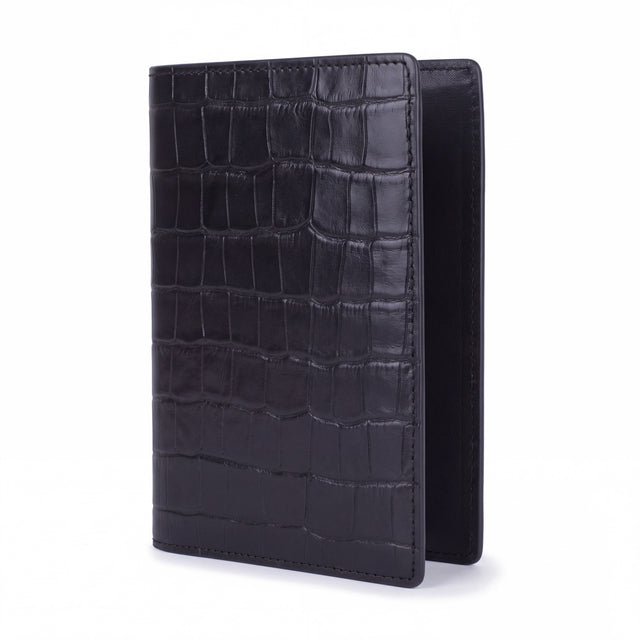
Crocodile Leather Passport Holder
- Product Specifications
- GENTCREATE Crocodile Leather Passport Holder— The perfect companion for your travels, the Crocodile Leather Passport Holder combines elegance and practicality. ,Boarding Pass Pocket and Card Slots , Luxury , Calfskin Leather , 10.6 cm / 4.17 inch x 14.7 cm / 5.8 inches , available in Black, Brown, Navy .
(21)$130 $155 -


 Save $55 USD
Glossy Leather Passport Holder
- Product Specifications
- GENTCREATE Glossy Leather Passport Holder—Boarding Pass Pocket, Nappa Leather Interior , Luxury , Calfskin Leather , 10.6 cm / 4.17 inches x 14.7 cm / 5.8 inches , available in Black, Blue, Burgundy, Green .
(21)$190 $245 -





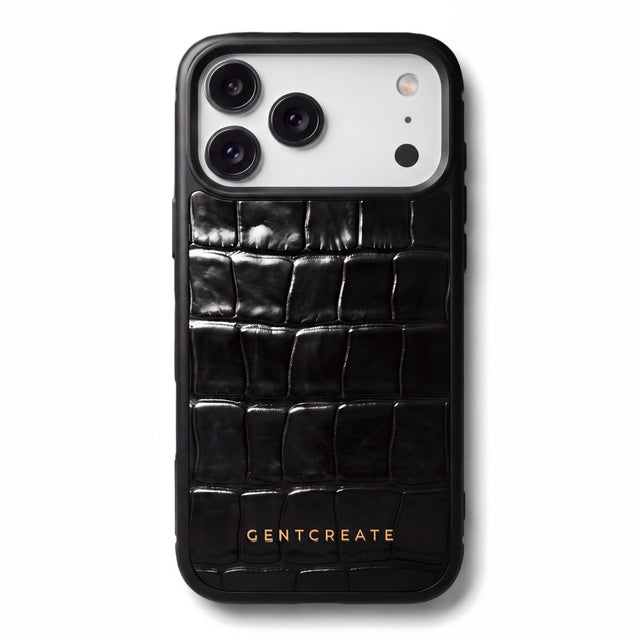


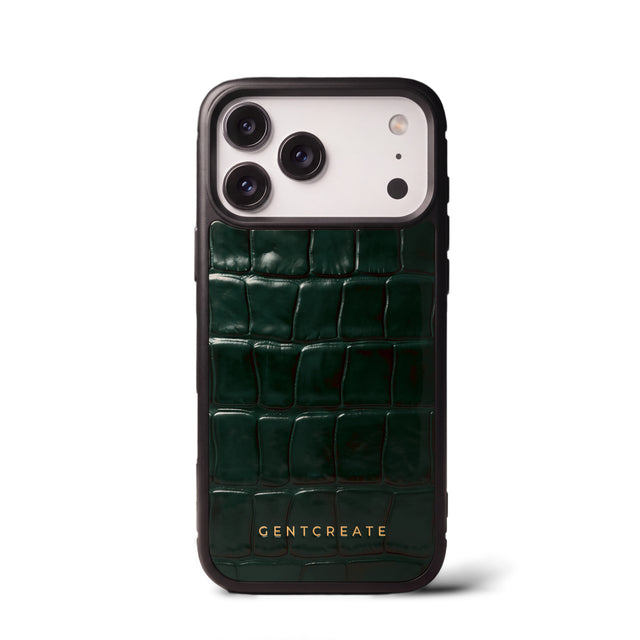


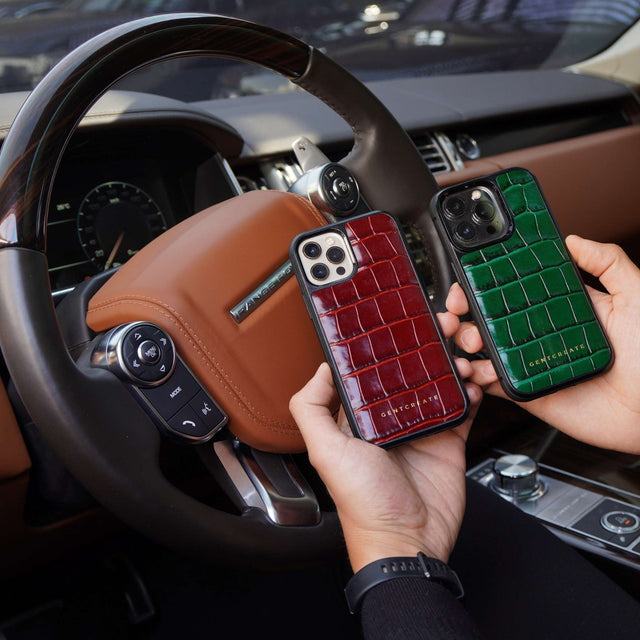


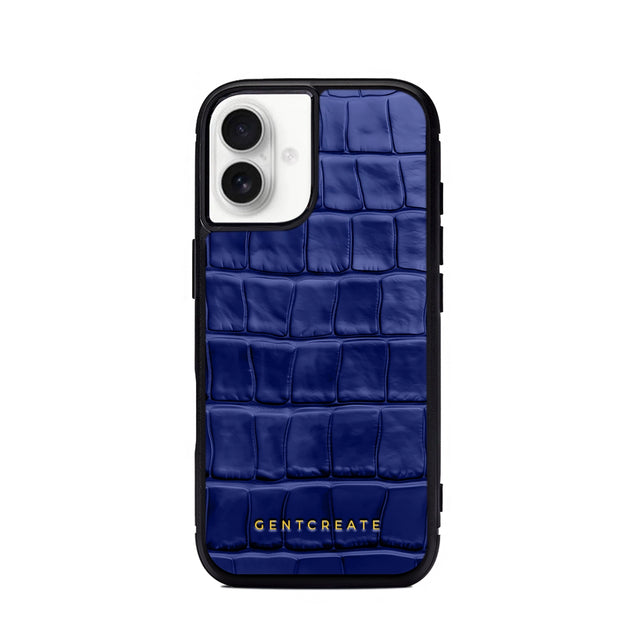


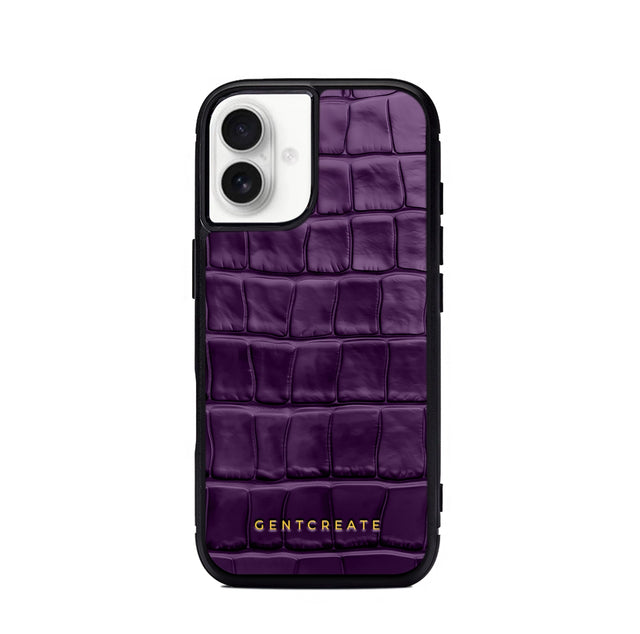


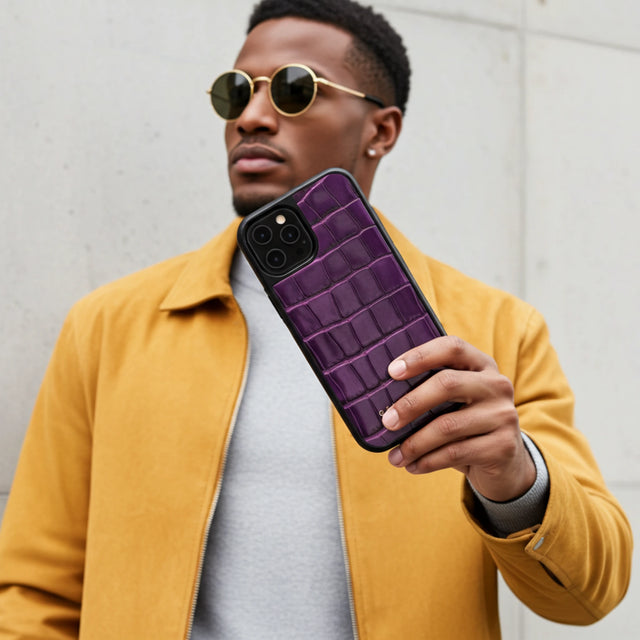


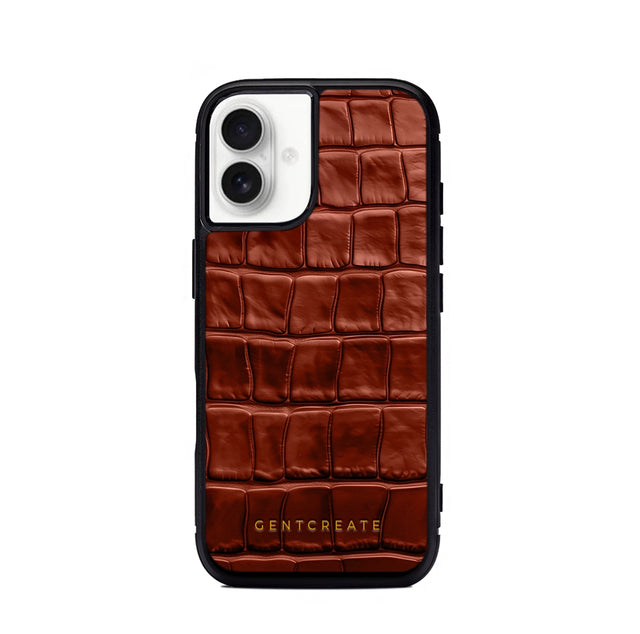
 Save $50 USD
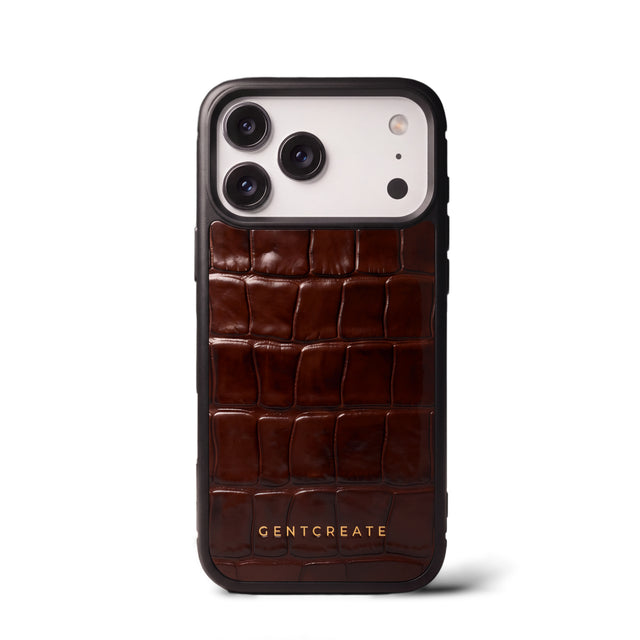
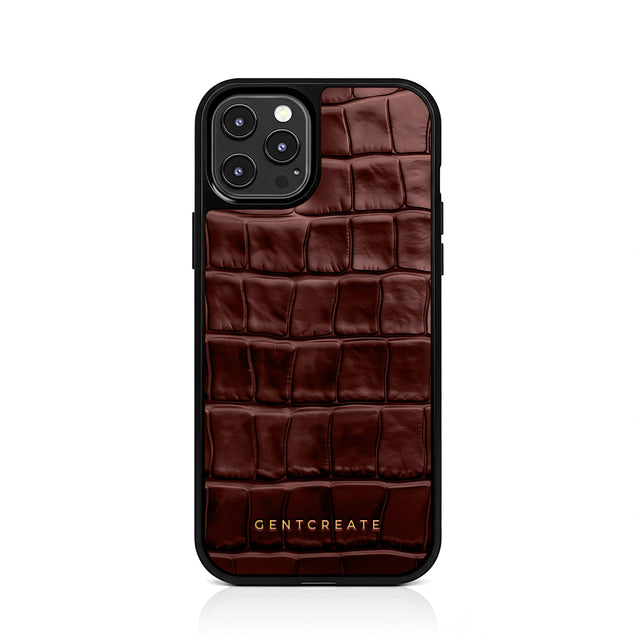
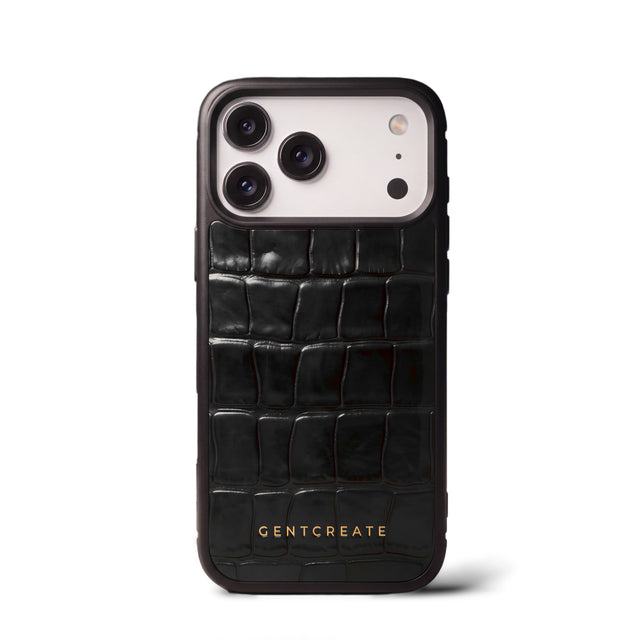
Leather iPhone Case Croco Glossy
- Product Specifications
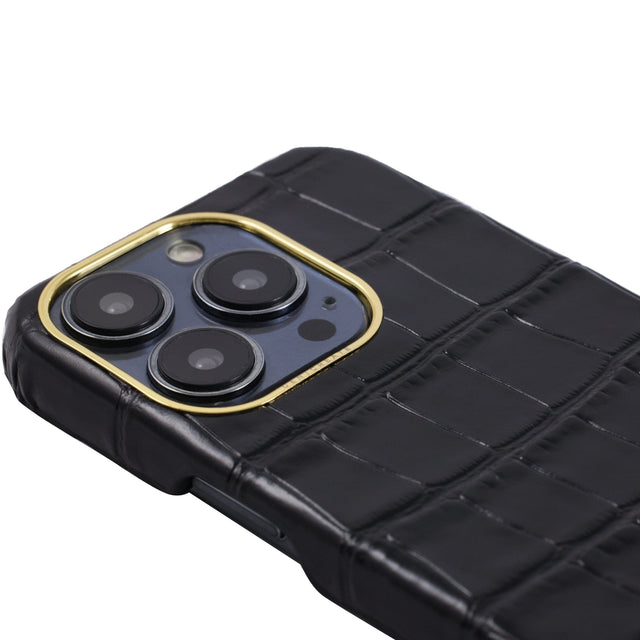
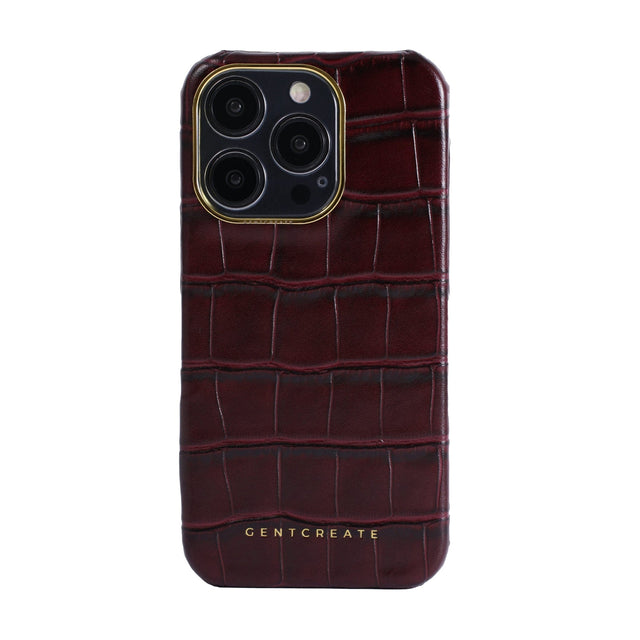
- GENTCREATE Leather iPhone Case Croco Glossy— Premium leather iPhone case with crocodile pattern. Handcrafted Italian calf leather, wireless charging straight through. Fits all recent iPhone models. Shop now. ,Rubber Edge, Raised Camera Edge , Luxury , Calfskin Leather , fits iPhone 18 Pro Max, iPhone 18 Pro, iPhone 18, iPhone 17 Pro Max, iPhone 17 Pro, iPhone 17, iPhone 16, iPhone 16 Pro, iPhone 16 Pro Max, iPhone 15, iPhone 15 Pro, iPhone 15 Pro Max, iPhone 14, iPhone 14 Pro, iPhone 14 Pro Max , available in Glossy Burgundy, Glossy Black, Glossy Green, Glossy Blue, Glossy Magenta, Glossy Brown .
(264)From $65 $115 -
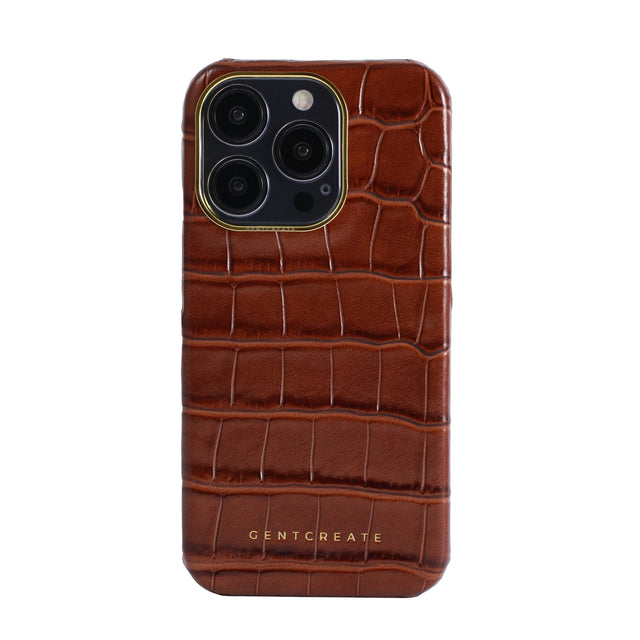





 Clearance Sale
Leather iPhone Case Crocodile Pattern
- Product Specifications
- GENTCREATE Leather iPhone Case Crocodile Pattern— Our classic Leather iPhone Case with a Crocodile Pattern creates a 'classic look' for your iPhone, often preferred by our minimalist-oriented customers. ,Full Pattern Raised Camera Edge , Luxury , Calfskin Leather , fits iPhone 15 Pro Max, iPhone 15 Pro, iPhone 14 Pro Max, iPhone 14 Pro , available in Brown, Green, Black, Burgundy, Dark Navy .
(70)$60 $115 -






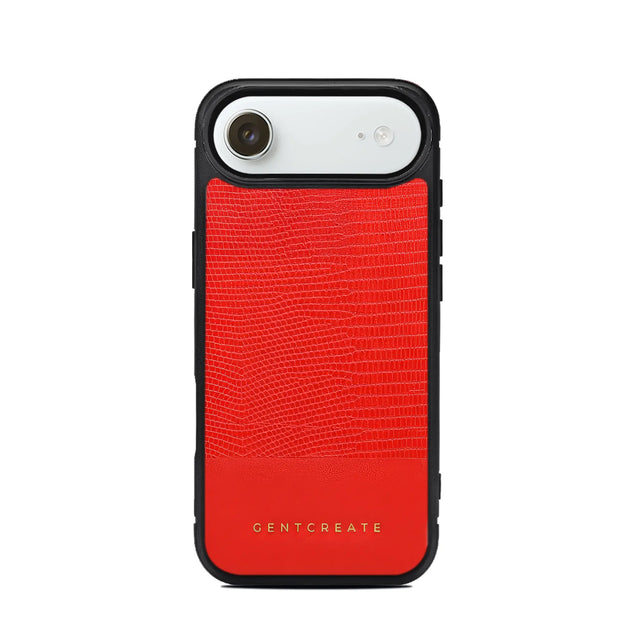


 Save $19 USD
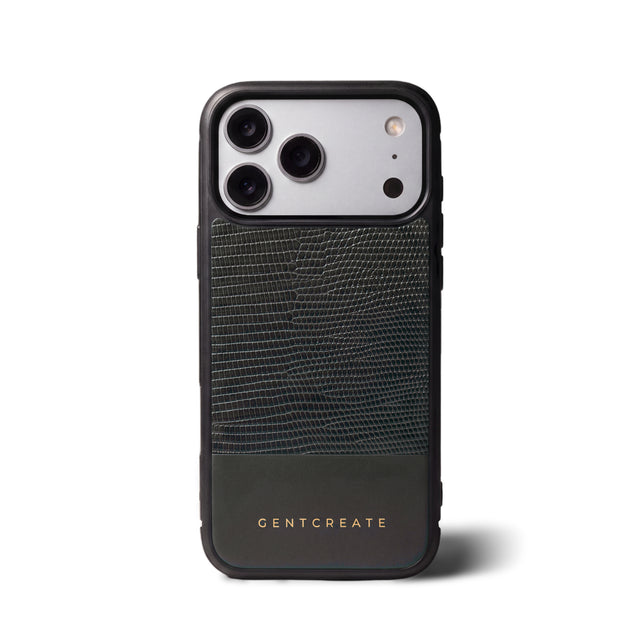
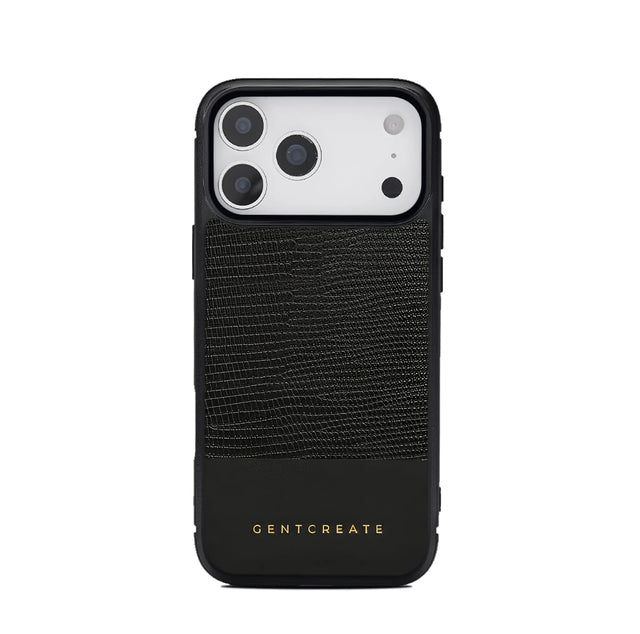
Leather iPhone Case Lizard Pattern
- Product Specifications
- GENTCREATE Leather iPhone Case Lizard Pattern— Leather iPhone Case Lizard Pattern - Luxury Minimalistic Phone Case Our Lizard Leather iPhone case from Gentcreate is the perfect blend of style and ,Rubber Edge, Raised Camera Edge , Luxury , Calfskin Leather , fits iPhone 18 Pro Max, iPhone 18 Pro, iPhone 18, iPhone 17 Pro Max, iPhone 17 Pro, iPhone 17, iPhone 16 Pro Max, iPhone 16 Pro, iPhone 16, iPhone 15 Pro Max, iPhone 15 Pro, iPhone 15, iPhone 14 Pro Max, iPhone 14 Pro, iPhone 14 , available in Gray, Black, Orange, Green, Red, Yellow .
(46)From $79 $98 -


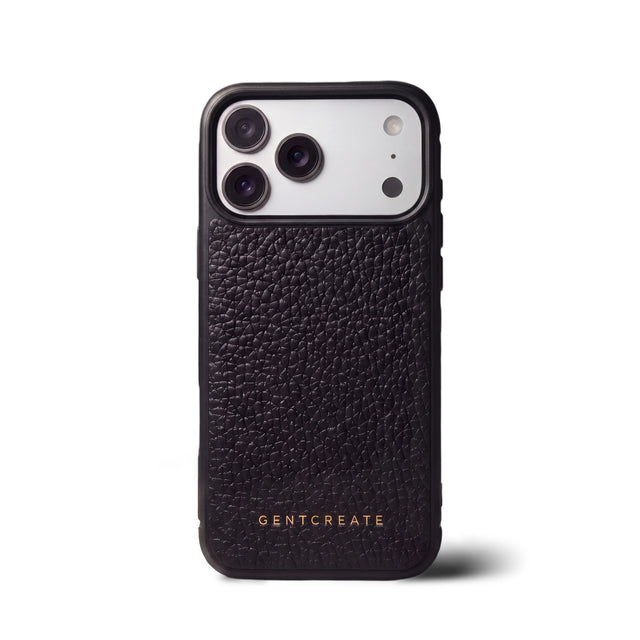


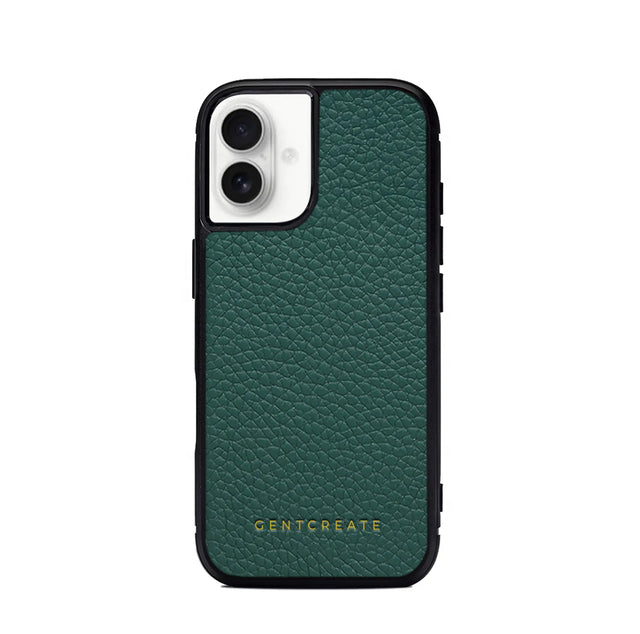


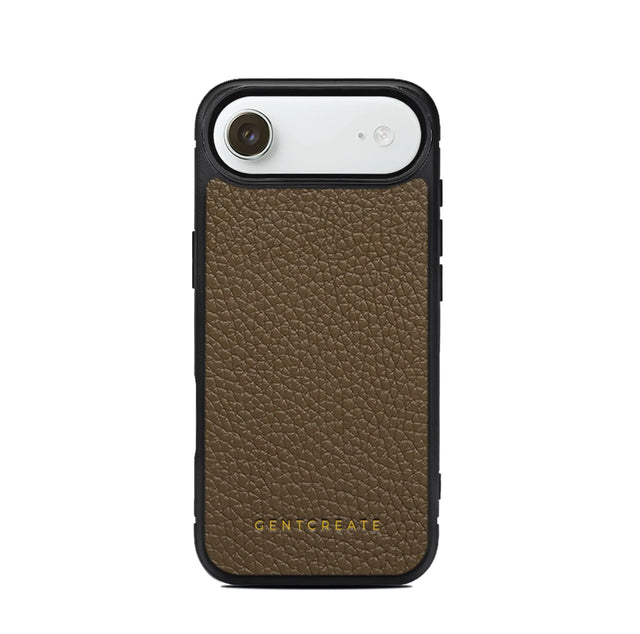



 Save $9 USD
Leather iPhone Case Pebble Pattern
- Product Specifications
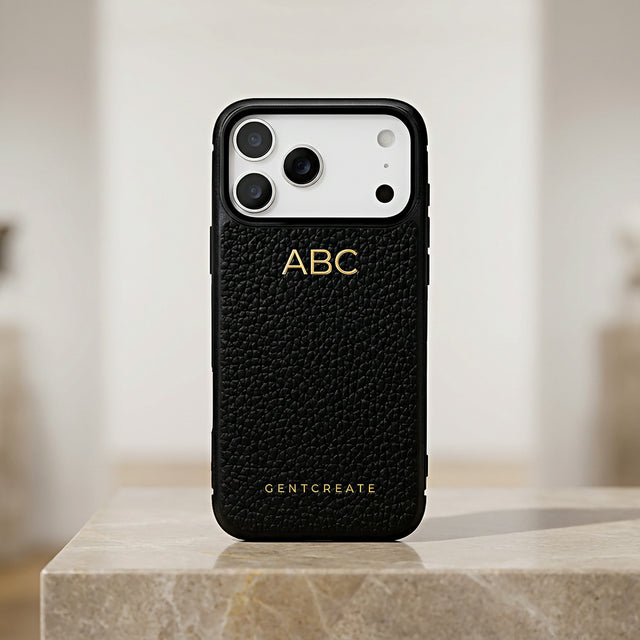
- GENTCREATE Leather iPhone Case Pebble Pattern— Handmade Leather iPhone Case with a Pebbled Pattern This handmade Leather iPhone Case with a distinct pebble pattern is a really good value price purchase ,Rubber Edge, Raised Camera Edge , Luxury , Calfskin Leather , fits iPhone 18 Pro Max, iPhone 18 Pro, iPhone 18, iPhone 17 Pro Max, iPhone 17 Pro, iPhone 17, iPhone 16 Pro Max, iPhone 16 Pro, iPhone 16, iPhone 15 Pro Max, iPhone 15 Pro, iPhone 15, iPhone 14 Pro Max, iPhone 14 Pro, iPhone 14 , available in Navy, Black, Green, Brown, Khaki .
(29)From $65 $74


