

The history of wallets runs in a straight line from the ancient drawstring coin pouch, through the 17th-century billfold built to hold the first paper money, to the slim card-led wallets we carry now. Each shape was a response to the money of its moment: round coins needed a soft sack, flat bills invited a fold, and thin cards asked for stitched bays. Read it as a story about geometry, and the whole arc makes sense.
The history of wallets traces a straight line from ancient drawstring coin pouches, through the 17th-century billfold born to hold paper money, to the slim card-led wallets we carry now.
- Money shaped the wallet: round coins demanded a soft pouch, while flat paper currency made the folding billfold possible.
- The bifold won on geometry: folding paper money in half created a pocket-friendly rectangle that still defines the wallet today.
- Cards reshaped the interior: the mid-century credit card added the stitched card bay and shifted the wallet from cash holder to credential holder.
- Full-grain leather endured: the most durable cut earns a patina over years of carry, which is why it has outlasted every passing material trend.
- The slim wallet is a return, not a revolution: paring carry back to a few cards echoes the compact pouch the wallet began as.
On our bench, we think about this lineage every time we cut a panel. A wallet is never just a fashion object; it is a small architecture shaped by what people need to carry. We call the lens we use the carry-era read, the house habit of asking, for any wallet, what money made this shape necessary? It is an observation, not a law, but it has never once failed us.
This guide walks the full timeline, then shows how a modern maker honors it. Along the way we name the leathers, the forms, and the small structural choices that connect a Roman purse to a slim front-pocket wallet finished today.
What did people use to carry money and valuables before the wallet existed?
Before the wallet existed, people carried money and valuables in pouches, purses, and folds of cloth tied to the body, because there was no flat currency to fold and no pocket to fold it into. Early garments rarely had sewn-in pockets, so the carrying problem was solved externally: a sack on a belt, a purse on a cord, a roll of fabric tucked into a sash.
The objects inside were heavy and awkward by modern standards. Coins, seals, small tools, keys, and the occasional folded document all competed for the same little space. Whatever held them had to cinch shut, hang securely, and survive daily abrasion.
This is the carry-era read in its earliest form: the money was three-dimensional and clinking, so the vessel was a soft, closeable bag rather than a flat case. You cannot fold a coin. You can only contain it.
The failure mode here was loss and theft. An open pouch spilled; a poorly tied one was easily cut from a belt by a thief. Security meant a tight neck and a knot you trusted, the first ancestor of every snap, zip, and money-clip wallet that came after.
How did ancient coin pouches work, and why did early money demand a pouch instead of a flat wallet?
Ancient coin pouches worked by gathering a circle of leather or cloth around a drawstring, and early money demanded this pouch shape because metal coins are bulky, irregular, and impossible to lay flat. Pull the cord and the mouth closes; loosen it and the bag opens to a fistful of coin. Simple, and almost unimprovable for the job.
Leather was the favored material even then, for the same reasons it dominates now: it is tough, it resists tearing, and it molds to its contents over time. A coin pouch in regular use developed a worn, burnished character, the distant ancestor of the patina a full-grain wallet earns today.
The geometry matters. Coins stack into a rounded mass, not a slim stack, so a flat folded case would have bulged uselessly and worn through at the creases. A gathered pouch distributes that mass and tolerates the lumps. The shape followed the money, exactly as the carry-era read predicts.
The counter-case is worth naming. A pouch is poor for anything flat or fragile: a folded note crumples, a thin token slides to the bottom and hides. The pouch was built for coin, and coin alone defined good carry until the money itself changed.
Why did the arrival of 17th-century paper money create the first true billfold?
Seventeenth-century paper money created the first true billfold because flat currency could finally be folded, and a folded note wanted a flat case that protected it from crumpling rather than a sack that crushed it. When notes entered circulation, the carrying problem inverted overnight: the prized item was now thin and creasable, and the old pouch was suddenly the wrong tool.
A folded bill asks for two things: a flat plane to lie against and a fold of its own that matches the case. Makers answered with a flat leather case that closed like a book over the notes. This is the moment the word wallet begins shifting toward the meaning we use now.
Early billfolds were often larger than today's, because early notes were larger and because they frequently doubled as a holder for documents and small papers. But the principle was set: a flat, folding leather case sized to flat, folding money.
If you trace the lineage of every part inside a modern wallet, you can stand most of it on this single shift. We map those parts in our breakdown of every part of a wallet, from the bill compartment to the card bays, and nearly all of them descend from the billfold's flat-money logic.
The failure mode of the early billfold was over-ambition. Stuff it with coins, documents, and notes at once and it returned to being a bulging brick, proof that the flat case only wins when its contents stay flat.
How did the bifold wallet become the standard shape we still carry today?
The bifold wallet became the standard because folding a billfold once, in half, produced a compact rectangle that slipped into a coat or trouser pocket while still holding folded notes flat. One fold was the sweet spot. It halved the footprint without crushing the contents or adding the bulk a second fold creates.
The bifold's logic is almost mathematical. A bill folded once fits a half-length case; the case folded once again becomes pocket-sized; open it and everything lies flat for the eye and the hand. Nothing about that arrangement has been meaningfully improved in generations, which is why the shape persisted.
| Wallet form | Era it answered | What the shape solves | Typical capacity |
|---|---|---|---|
| Drawstring coin pouch | Pre-paper money | Containing bulky round coins | A handful of coins |
| Early billfold | 17th-c. paper money | Keeping flat notes uncreased | Notes plus a few papers |
| Bifold | Pocket-carry era | Compact footprint, flat bills | ~6 to 10 cards plus cash |
| Trifold | High-card era | More slots in a shorter case | ~10 to 12 cards plus cash |
| Slim / front-pocket | Card-led, minimalist now | Lowest bulk, essentials only | A few cards plus folded cash |
The bifold also set the convention for what a wallet feels like in the hand: a folded leather rectangle that opens like a small book. When we cut a bifold today, we are working within a template four centuries deep. Our men's bifold leather wallets are direct descendants of that first single fold.
The counter-case is the trifold. Folding twice adds slots but also adds thickness, so a trifold trades slimness for capacity. Neither is wrong; they answer different carries. The bifold simply hit the broadest balance, and broad balance is how a standard is born.

How did the rise of credit cards in the 20th century reshape wallet design and add card slots?
Twentieth-century credit cards reshaped the wallet by adding the stitched card slot and shifting the wallet's job from holding cash to holding credentials. Once a thin rigid card became the thing people carried most, the interior had to grow rows of snug bays sized to grip a card at roughly 0.76 mm thick, the standard card thickness that still governs how we space a card bay.
This was the second great inversion, and the carry-era read sees it clearly. Money had gone from round coin, to flat note, to flat card, and each step pulled the wallet toward thinner, flatter, more compartmentalized construction. The card slot is simply the billfold's flat logic applied to a smaller, stiffer rectangle.
Card-heavy carry also created new forms. The wallet split into specialists: the cash-forward bifold, the slot-dense trifold, the zip-around that locks everything in, and eventually the card holder built to do one job superbly.
On our bench, the card bay is where craft shows most. Each slot has to grip a single card without stretching, hold a stack without gaping, and keep its mouth clean after years of in-and-out. We hand-stitch those bays so the tension stays even; a machined slot tends to loosen at the corners first.
The failure mode of the card era is the overstuffed wallet. Fill every slot, double up cards, and the wallet bows into a wedge that ruins a jacket line and warps the leather. More slots invite more carry, and more carry is not always better carry.

Why has full-grain leather remained the material of choice for wallets across centuries?
Full-grain leather has remained the material of choice because it is the most durable cut available and it earns a patina over years of carry, so it ages into something better rather than wearing out. From the coin pouch to the slim wallet, the demands have stayed constant: resist abrasion, survive daily flexing, and feel right in the hand for decades. Full-grain answers all three.
Full-grain keeps the entire top layer of the hide, including the tight, strong grain near the surface. That intact grain is what gives it durability and what lets it develop the deep, individual patina collectors prize. Top-grain, by contrast, is sanded and corrected: smoother and more uniform out of the box, but it sacrifices some of that character and long-term strength.
| Leather cut | Grain layer | Durability | Patina over time |
|---|---|---|---|
| Full-grain | Intact top surface | Highest | Develops a rich, individual patina |
| Top-grain | Sanded and corrected | High | More uniform, less character |
The brand's lexicon runs wider than these two, of course: calfskin and Italian calf leather for suppleness, structured finishes like Saffiano and Epsom for scratch resistance, and embossed crocodile or lizard for texture. Each has its place. But when the goal is a wallet that lives in a pocket for years and looks better for it, full-grain remains the spine of the craft.
The counter-case: full-grain is not the right choice when someone wants a flawless, factory-even surface that never marks. Its beauty is that it does mark, and that those marks become the patina. If you want a wallet that stays pristine, full-grain is the wrong instinct. If you want one that becomes yours, it is the only instinct.
How is the modern slim wallet a return to the compact pouches the wallet began as?
The modern slim wallet is a return to the wallet's origins because paring carry down to a few cards and a folded note recreates the small, low-bulk vessel the coin pouch always was. The arc bends back on itself. After centuries of the wallet growing slots and gaining heft, the minimalist slim wallet strips it back to essentials and rediscovers the compact form it started with.
This is the heart of our doctrine: the power of simplicity, of clean lines and uncluttered designs. Carry only what you use. A slim wallet, a card holder around 2 mm thick, or a money clip wallet does what the pouch did: it holds the necessary and refuses the rest. The materials and stitching are luxurious now; the spirit is ancient.
We run a small house exercise we call the carry audit: empty the wallet, sort what you touched this week from what merely rode along, and rebuild from the first pile only. Most carries shrink by half. That is not a statistic; it is what we observe, again and again, on our own benches and with the people we make for.
The slim family has its own internal choices, and the lines blur fast. If you are sorting a slim wallet from a minimalist wallet from a pure card holder, our comparison of slim, minimalist, and card holder forms draws the distinctions. And if a few coins still need a home, our take on whether a coin pocket still earns its place closes the loop back to where the whole story began.
The failure mode of slim carry is over-correction. Strip too far, leave behind the one card you actually need daily, and you have traded bulk for friction. Minimalism is editing, not deprivation: keep what you use, lose only what you don't.

How does GENTCREATE handcraft leather billfolds and slim wallets that carry on centuries of wallet tradition?
GENTCREATE carries on the tradition by hand-finishing leather billfolds and slim wallets the way the craft was always meant to be done, controlling every stitch, fold, and cut so quality is a process choice, not a price tier. We are a maker, not a reseller, and we sell direct, which means atelier-grade work reaches you without the middleman markup.
The forms we make are the same ones this history produced: the bifold that descends from the first single fold, the slim and front-pocket wallets that echo the original pouch, the card holder at roughly 2 mm, the money clip wallet, and longer continental and zip-around styles for those who carry more. Each is built in real leather, full-grain at the core, with calfskin, Italian calf leather, Saffiano, Epsom, and embossed options where the design calls for them.
The hand-work is the point. When we hand-stitch a card bay, we set the tension by feel so it grips a single card and a full stack equally well. Select styles add RFID-protected construction where it is offered. Each piece ships in a sustainable gift box, with free shipping and a product warranty behind it, and the Custom Leather Wallets line lets you personalize a piece into something singular.
The carry-era read is how we keep this honest. We ask what you actually carry, then build the shape that money, and your life, actually needs. You can see the full range across our leather wallets collection, each one a small continuation of a four-century story.

Your wallet-history checklist
Decide first what money the wallet is built for, because that single answer fixes the shape, the folds, and the cut you should choose. Use this to place any wallet, old or new, in the timeline, and to choose your own:
- Identify the money it was built for. Coins want a pouch; flat notes want a billfold; cards want stitched slots.
- Count the folds. No fold (pouch or card holder), one fold (bifold), two folds (trifold): each is a different bulk-versus-capacity trade.
- Check the cut of leather. Full-grain for durability and patina; top-grain for a smoother, more uniform face.
- Run the carry audit. Sort what you used this week from what merely rode along, then rebuild from the first pile.
- Match the form to your carry. Slim or card holder for essentials, bifold for the broad balance, trifold or zip-around for more capacity.
- Look for the hand-work. Even, hand-stitched card bays and clean folds outlast machined corners.
- Decide if a coin home matters. If a few coins persist, plan for them deliberately rather than overstuffing a slot.
Frequently asked questions
The wallet's whole history answers these questions: each shape was the response to the money of its moment, from coin pouch to billfold to slim card holder.
What is the actual origin of the wallet? The wallet originates in the ancient drawstring pouch used to carry coins and small valuables, long before flat paper money existed. Those pouches gathered leather or cloth around a cord, and the flat folding wallet only emerged once paper currency arrived in the 17th century and gave people something to fold.
When did the billfold first appear? The billfold appeared with 17th-century paper money, when flat notes finally made a flat folding leather case the right tool. Before that, money was coin, and coin called for a pouch. The folding case was a direct response to the new flat currency, and it set the template the bifold later refined.
Why is the bifold still the most common wallet shape? The bifold endures because one fold compresses a billfold into a pocket-sized rectangle without crushing flat notes or adding the bulk a second fold brings. It hit the broadest balance of slimness and capacity, and broad balance is how a shape becomes a standard. Centuries on, our men's bifold styles still work within that template.
How did credit cards change wallet design? Credit cards added the stitched card slot and shifted the wallet from a cash holder to a credential holder. Once a thin rigid card became the most-carried item, interiors grew rows of snug bays spaced for a card at roughly 0.76 mm thick. The card holder and slim wallet are the most refined results of that shift.
Is a slim wallet just a trend, or does it connect to wallet history? A slim wallet connects directly to wallet history; it is a return to the compact, low-bulk vessel the coin pouch always was. After centuries of wallets gaining slots and heft, minimalist carry strips back to essentials and rediscovers the original small form. The materials are luxurious now; the spirit is ancient.
What leather lasts longest in a wallet? Full-grain leather lasts longest, because it keeps the intact top grain that makes it the most durable cut and lets it earn a patina over years of carry. Top-grain is smoother and more uniform but trades away some character and long-term strength. For a wallet you want to keep for decades, full-grain is the spine of the craft.
The wallet has changed shape for four centuries to match the money in our pockets: explore the leather wallets collection to see where the story stands today.
-
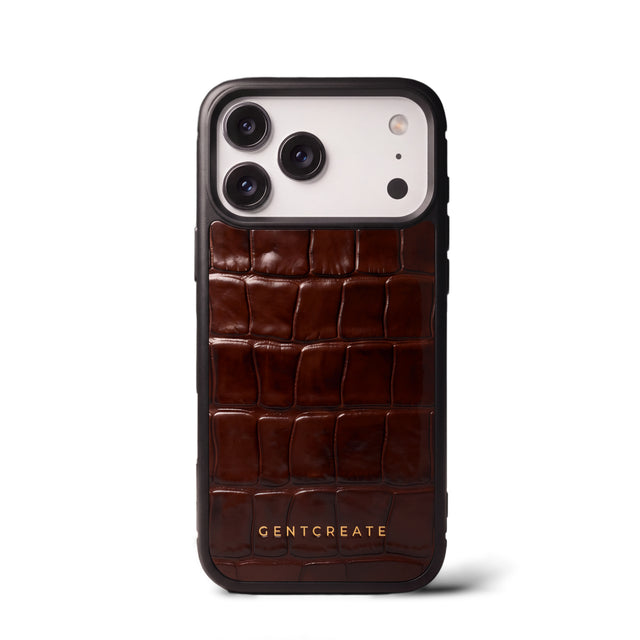


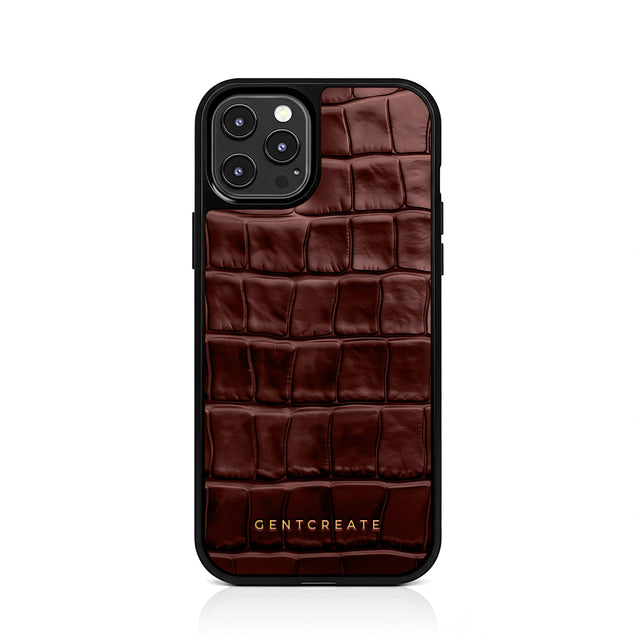


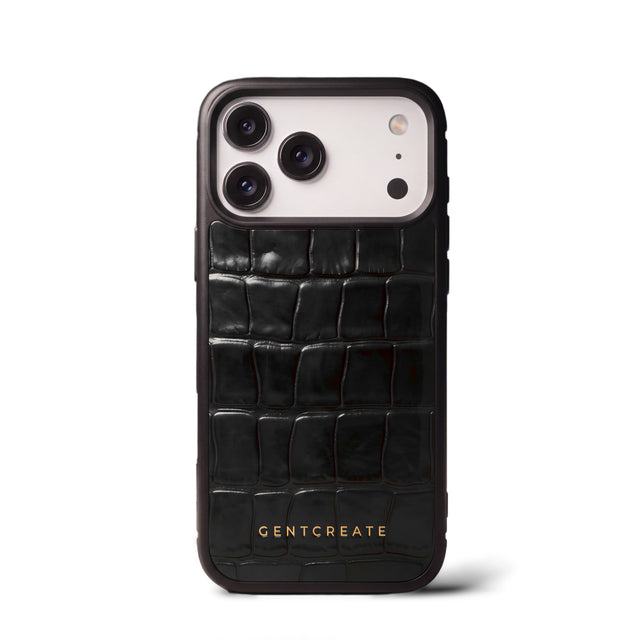

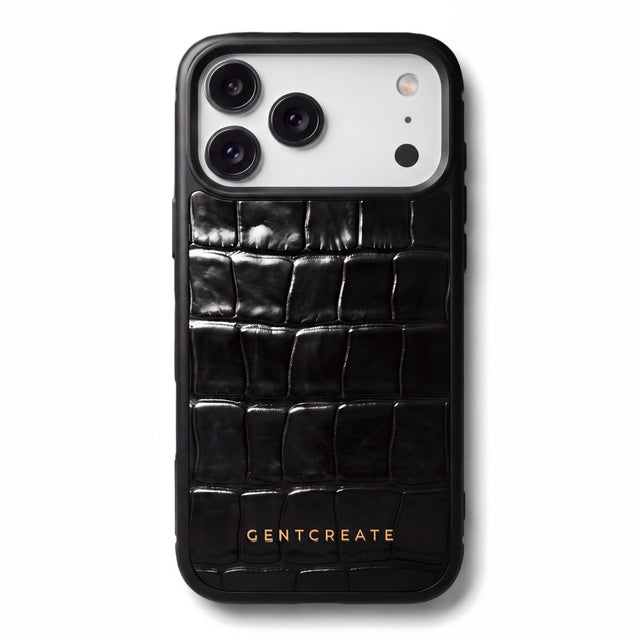


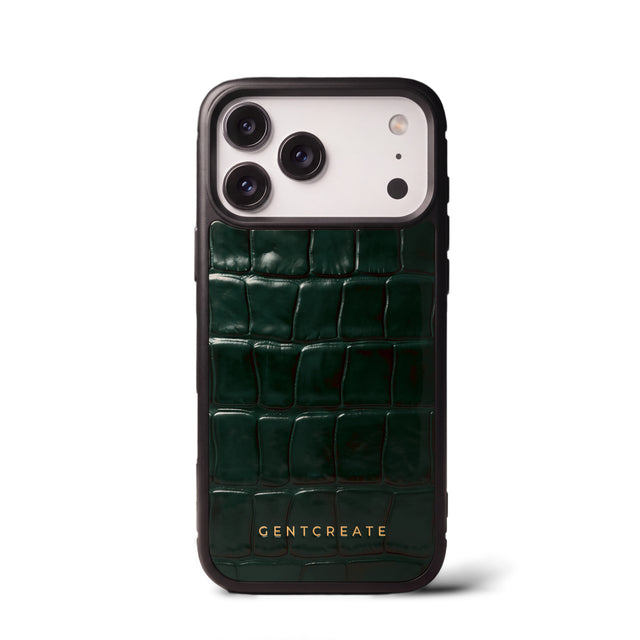


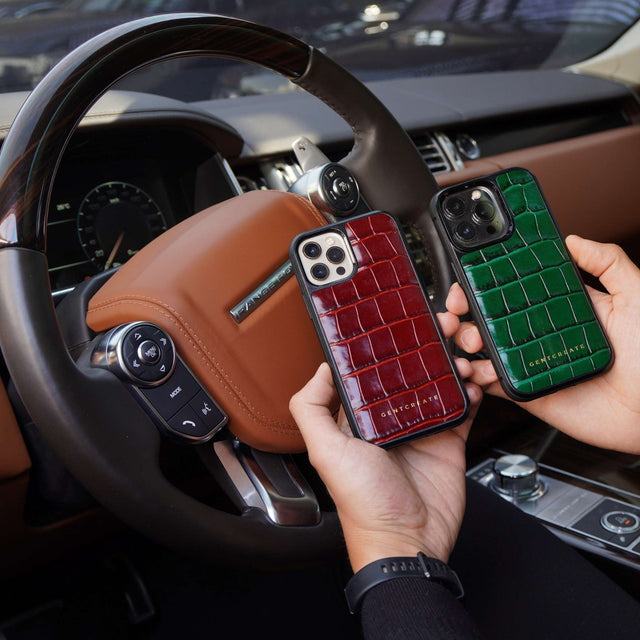


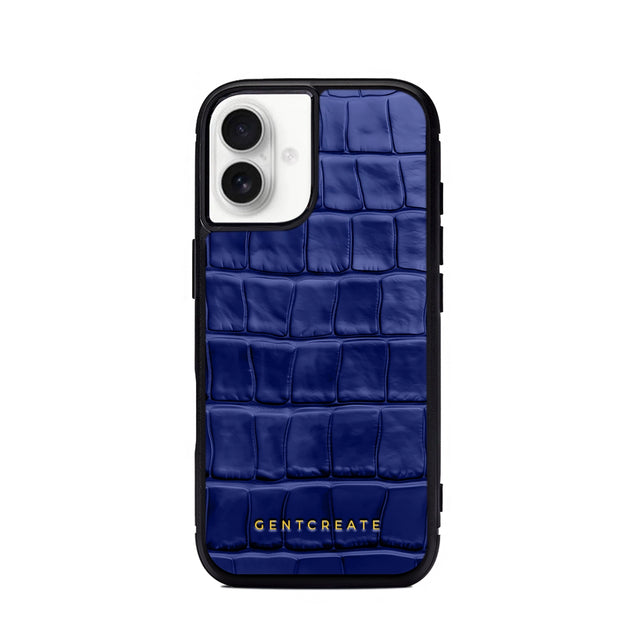


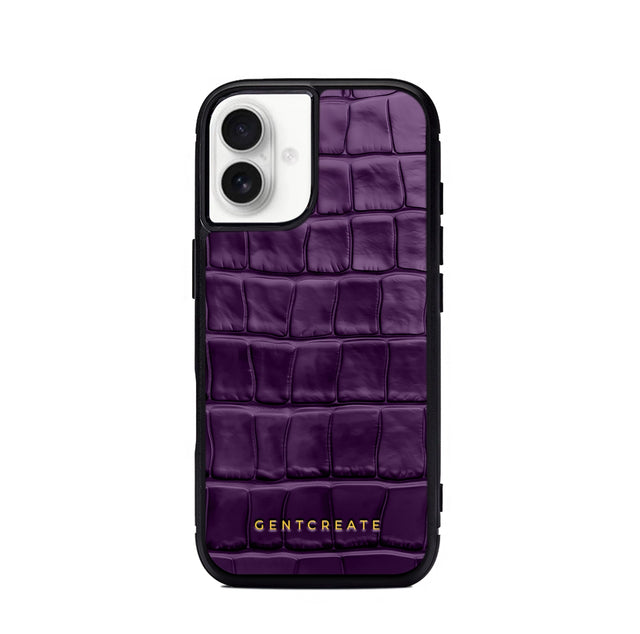


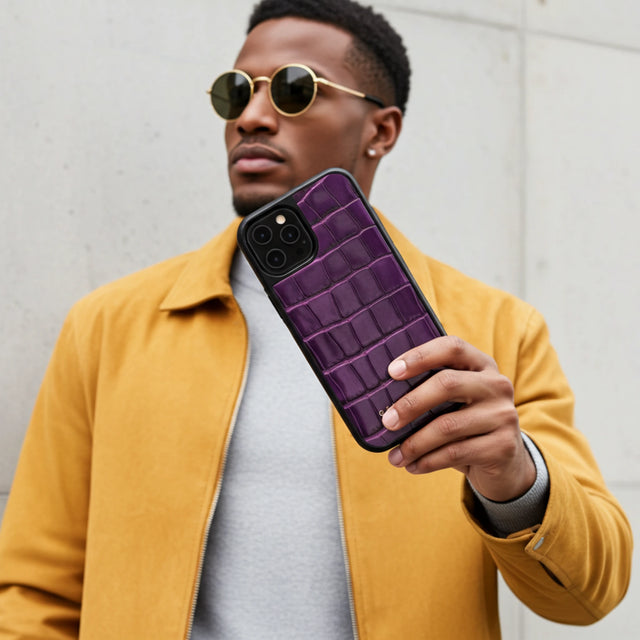


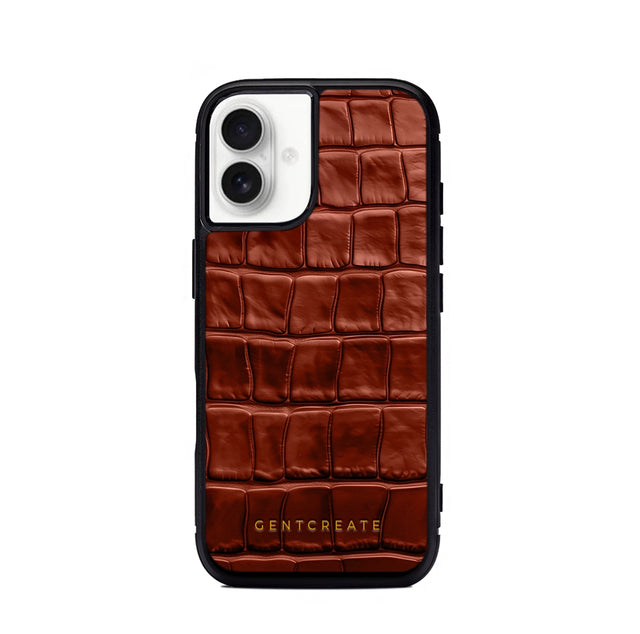
 Save $50.00 USD
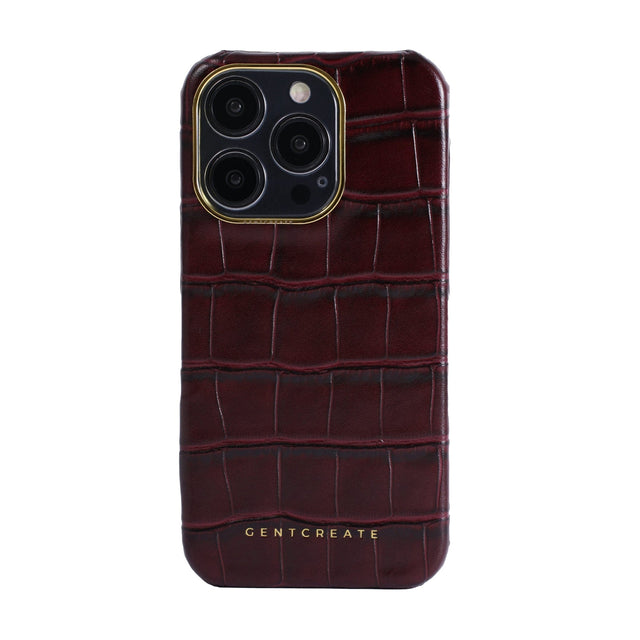
Leather iPhone Case Croco Glossy
- Product Specifications
- GENTCREATE Leather iPhone Case Croco Glossy— Premium leather iPhone case with crocodile pattern. Handcrafted Italian calf leather, wireless charging straight through. Fits all recent iPhone models. Shop now. ,Rubber Edge, Raised Camera Edge , Luxury , Calfskin Leather , fits iPhone 18 Pro Max, iPhone 18 Pro, iPhone 18, iPhone 17 Pro Max, iPhone 17 Pro, iPhone 17 Air, iPhone 17, iPhone 16, iPhone 16 Pro, iPhone 16 Pro Max, iPhone 15, iPhone 15 Pro, iPhone 15 Pro Max, iPhone 14, iPhone 14 Pro, iPhone 14 Pro Max , available in Glossy Burgundy, Glossy Black, Glossy Green, Glossy Blue, Glossy Magenta, Glossy Brown .
(264)From $65.00 $115.00 -
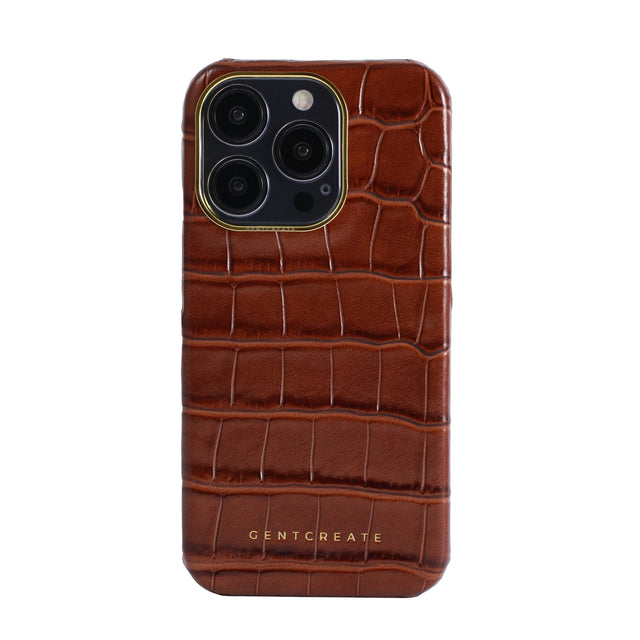


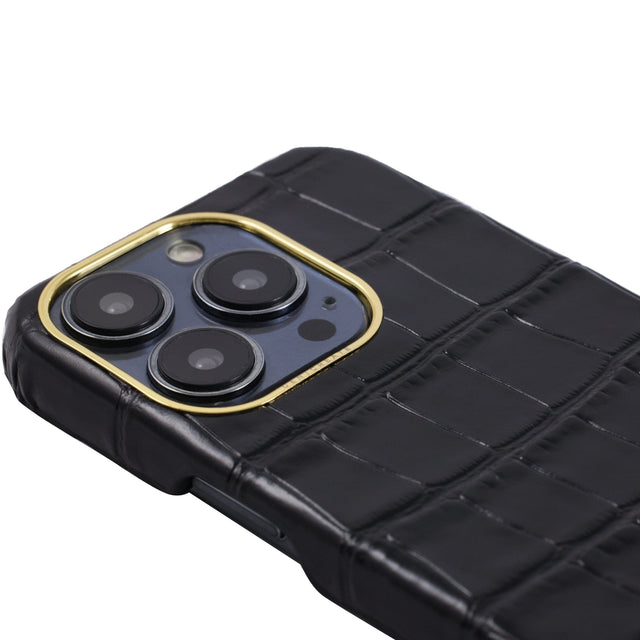



 Clearance Sale
Leather iPhone Case Crocodile Pattern
- Product Specifications
- GENTCREATE Leather iPhone Case Crocodile Pattern— Our classic Leather iPhone Case with a Crocodile Pattern creates a 'classic look' for your iPhone, often preferred by our minimalist-oriented customers. ,Full Pattern Raised Camera Edge , Luxury , Calfskin Leather , fits iPhone 15 Pro Max, iPhone 15 Pro, iPhone 14 Pro Max, iPhone 14 Pro , available in Brown, Green, Black, Burgundy, Dark Navy .
(70)$60.00 $115.00 -








 Save $19.95 USD
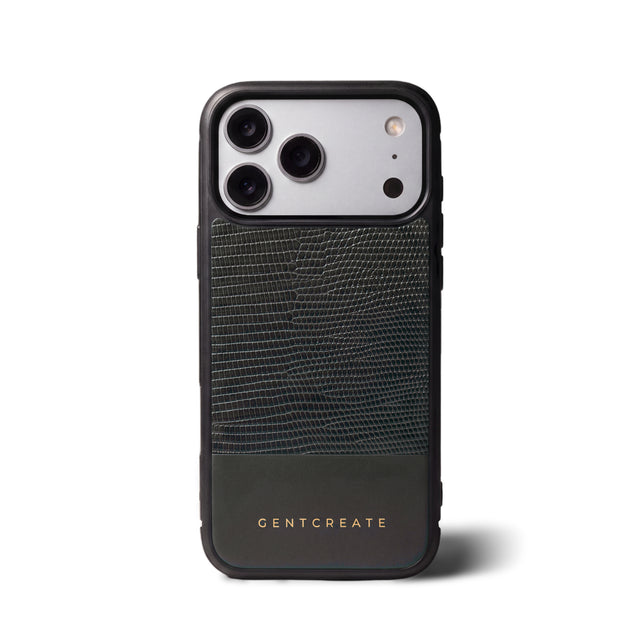
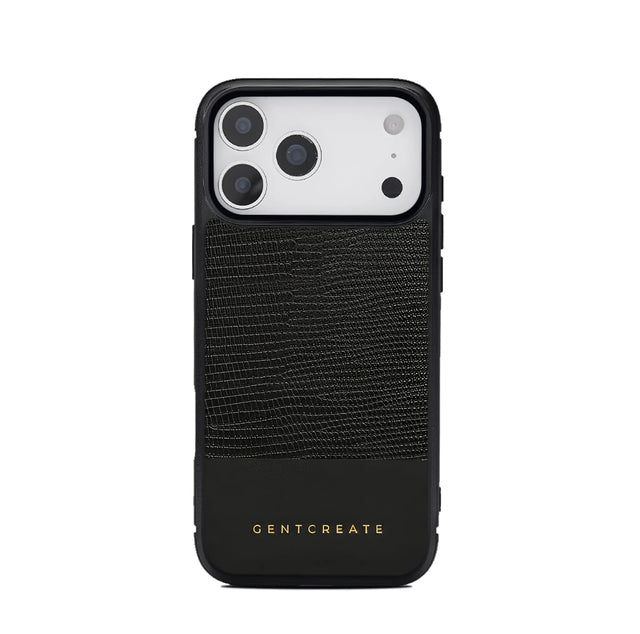
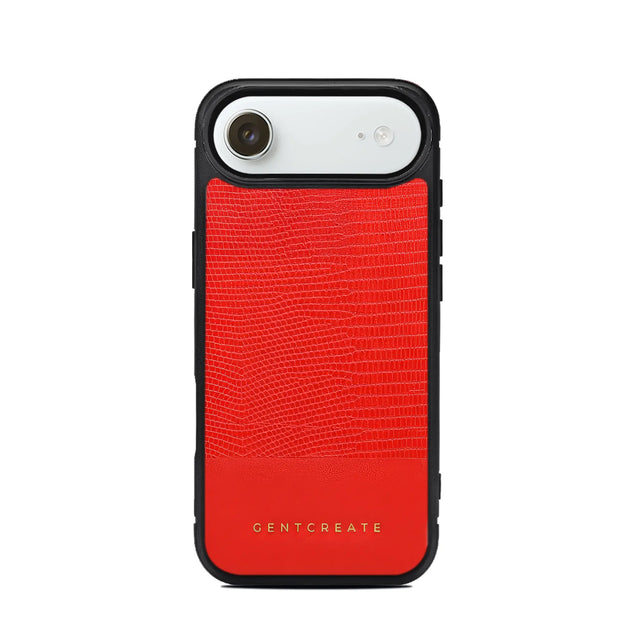
Leather iPhone Case Lizard Pattern
- Product Specifications
- GENTCREATE Leather iPhone Case Lizard Pattern— Leather iPhone Case Lizard Pattern - Luxury Minimalistic Phone Case Our Lizard Leather iPhone case from Gentcreate is the perfect blend of style and ,Rubber Edge, Raised Camera Edge , Luxury , Calfskin Leather , fits iPhone 18 Pro Max, iPhone 18 Pro, iPhone 18, iPhone 17 Pro Max, iPhone 17 Pro, iPhone 17 Air, iPhone 17, iPhone 16 Pro Max, iPhone 16 Pro, iPhone 16, iPhone 15 Pro Max, iPhone 15 Pro, iPhone 15, iPhone 14 Pro Max, iPhone 14 Pro, iPhone 14 , available in Gray, Black, Orange, Green, Red, Yellow .
(46)From $79.00 $98.95 -


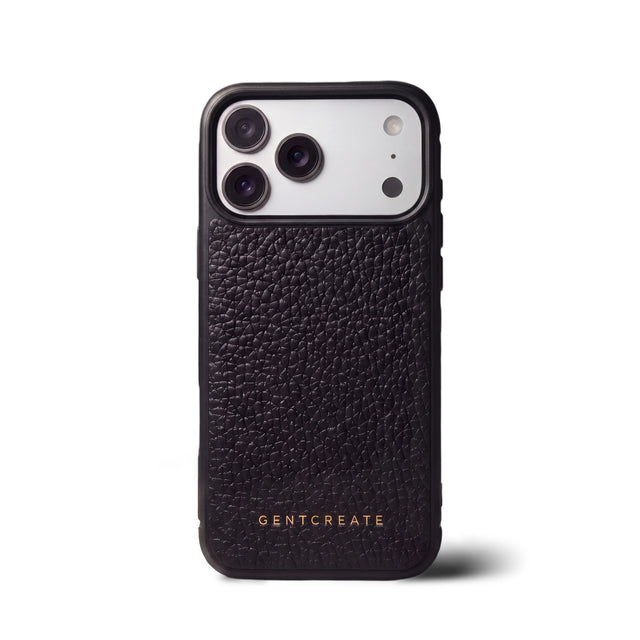


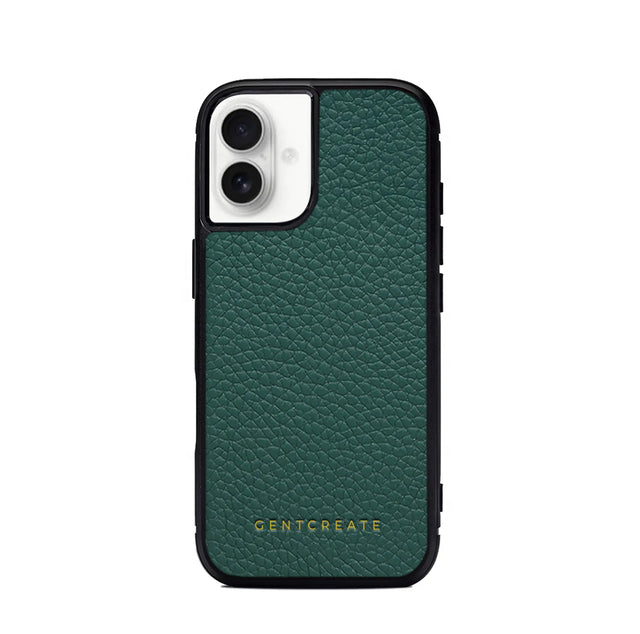


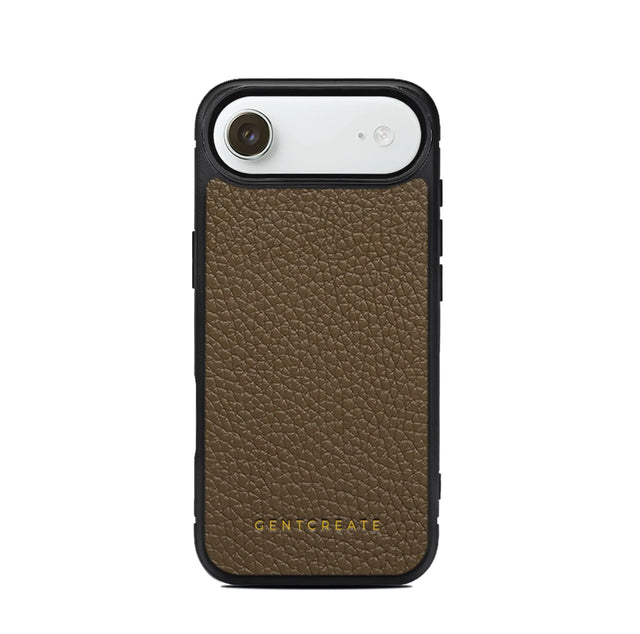

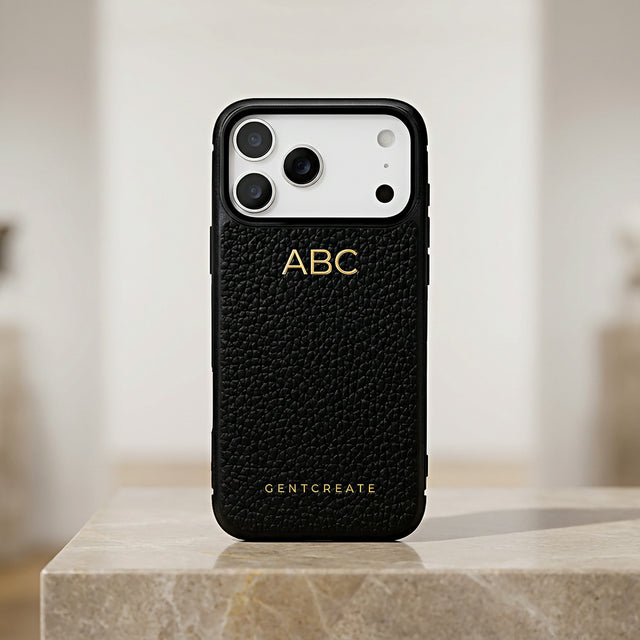


 Save $9.00 USD
Leather iPhone Case Pebble Pattern
- Product Specifications
- GENTCREATE Leather iPhone Case Pebble Pattern— Handmade Leather iPhone Case with a Pebbled Pattern This handmade Leather iPhone Case with a distinct pebble pattern is a really good value price purchase ,Rubber Edge, Raised Camera Edge , Luxury , Calfskin Leather , fits iPhone 18 Pro Max, iPhone 18 Pro, iPhone 18, iPhone 17 Pro Max, iPhone 17 Pro, iPhone 17, iPhone 17 Air, iPhone 16 Pro Max, iPhone 16 Pro, iPhone 16, iPhone 15 Pro Max, iPhone 15 Pro, iPhone 15, iPhone 14 Pro Max, iPhone 14 Pro, iPhone 14 , available in Navy, Black, Green, Brown, Khaki .
(29)From $65.00 $74.00 -


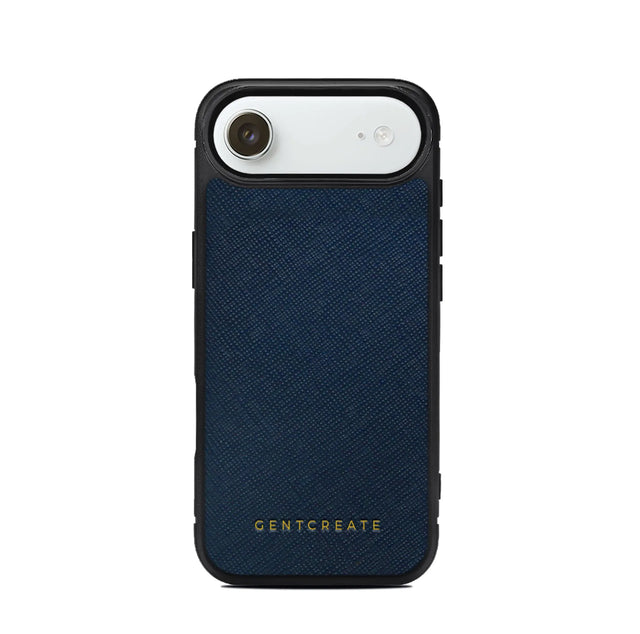

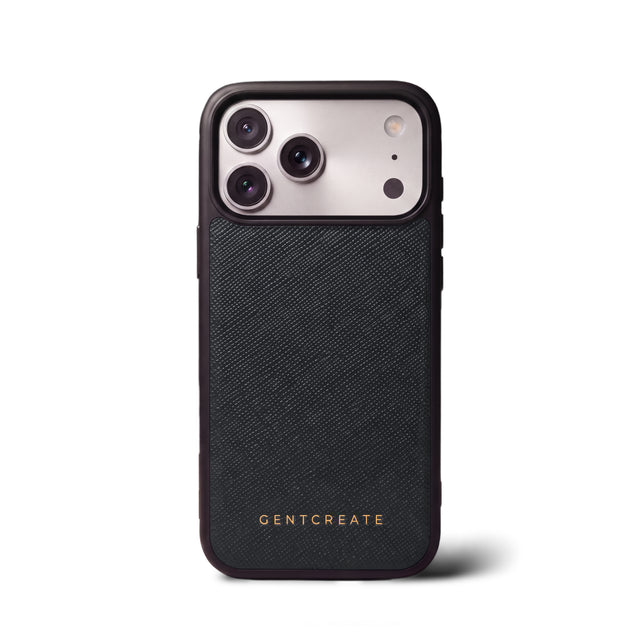


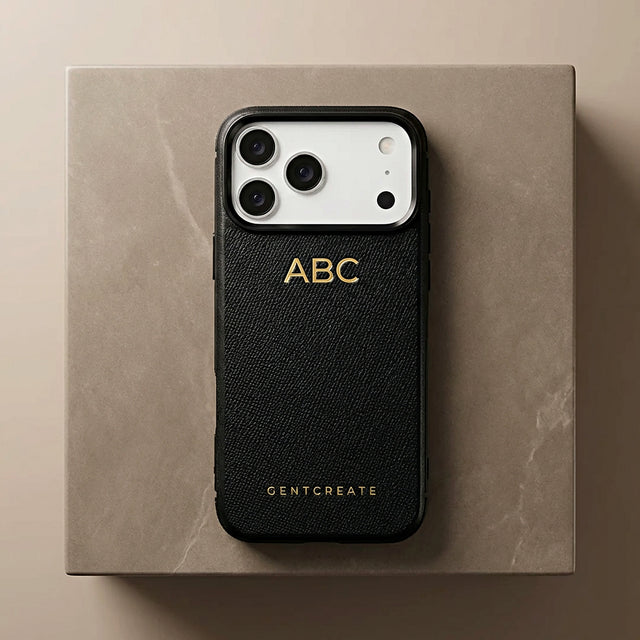


 Save $16.00 USD
Leather iPhone Case Saffiano Pattern
- Product Specifications
- GENTCREATE Leather iPhone Case Saffiano Pattern— Uniquely Designed Contemporary Genuine Leather iPhone Case by Gentcreate Looking for a luxury leather iPhone case that will keep your device safe and ,Non-Slip, Gritty Feel, Raised Camera Edge , Luxury , Calfskin Leather , fits iPhone 18 Pro Max, iPhone 18 Pro, iPhone 18, iPhone 17 Pro Max, iPhone 17 Pro, iPhone 17 Air, iPhone 17, iPhone 16 Pro Max, iPhone 16 Pro, iPhone 16, iPhone 15 Pro Max, iPhone 15 Pro, iPhone 15, iPhone 14 Pro, iPhone 14 Plus, iPhone 14 Pro Max, iPhone 14 , available in Navy, Black .
(60)From $59.00 $75.00 -
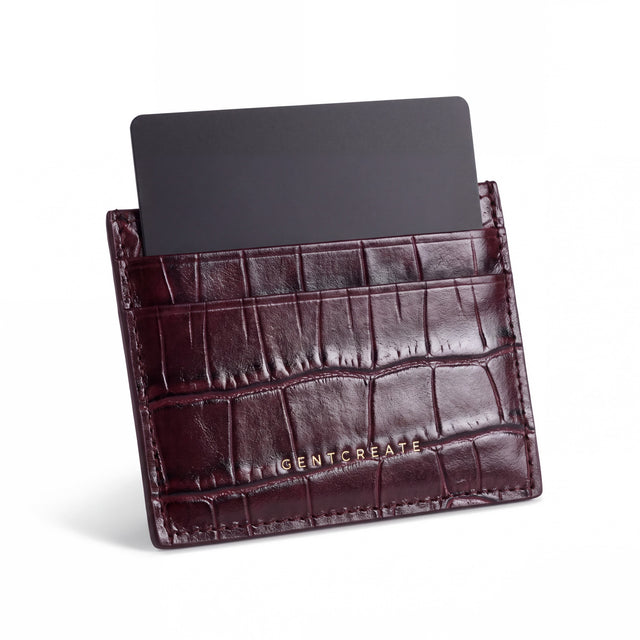






 Save $50.00 USD
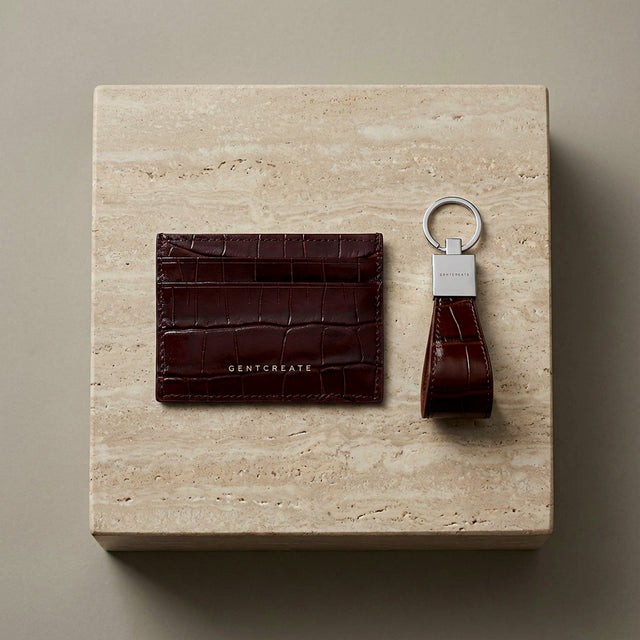
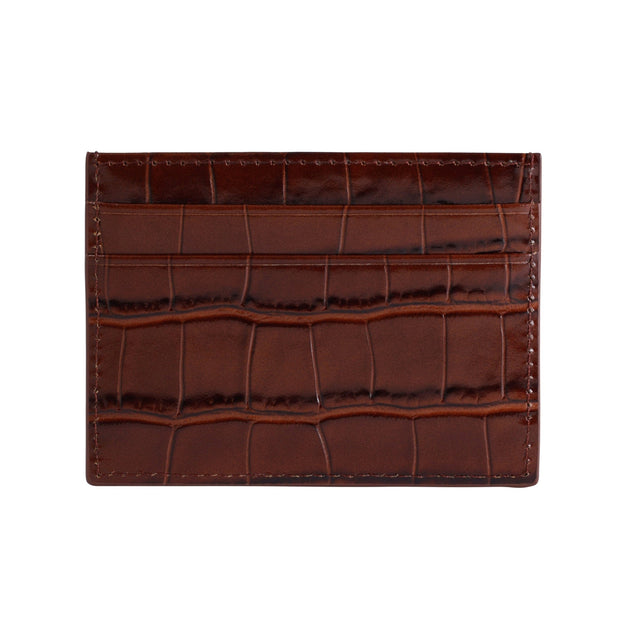
Crocodile Embossed Leather Cardholder
- Product Specifications
- GENTCREATE Crocodile Embossed Leather Cardholder— Our Crocodile Embossed Leather Cardholder is made with premium calfskin leather with an embossed crocodile pattern, it features four card slots and a central ,Lightweight , Luxury , Calfskin Leather , 7.3 cm / 2.87 inch x 10.3 cm / 4,52 inch , available in Black, Burgundy, Green, Navy, Brown .
(47)$130.00 $180.00


