

The history of money clips runs from an 1901 spring patent to today's leather money clip wallet, tracing a single idea across more than a century: carry money lean. The clip was born as a slim defense against bulky billfolds and probing fingers, rose into a gentleman's quiet status piece, faded when the Depression and credit cards reshaped the pocket, and returned wrapped in full-grain leather that holds cash and cards flat.
The money clip began in the early 1900s as a slim, spring-loaded answer to bulky billfolds and easy-target pickpockets, became a gentleman's status piece through the 1920s, faded with the Depression and the rise of credit cards, and lives on today in the leather money clip wallet that carries cash and cards flat.
- 1901 patent: The first United States money clip patent appeared in 1901, using a folded spring of metal to grip folded bills under tension. It set the template every later clip refined.
- Status object: In the early 1900s the bare clip signaled confidence and taste, a deliberately public way to carry money lean rather than thick. Quiet display, not loud spending.
- Decline and return: The Depression thinned wallets and credit cards reshaped what we carry, pushing the metal clip aside until leather revived it. The form survived because the idea did.
- Three carries compared: A metal clip holds cash only, a magnetic clip risks slipping, and a leather money clip wallet pairs a secure clip with card bays. Match the tool to what you actually carry.
- The flat-stack rule: GENTCREATE builds money clip wallets to sit flat in a front pocket by keeping the cash and card planes from fighting each other. Slimness is a construction choice, not a marketing word.
On our bench we think of the money clip less as an object and as a discipline. Strip away the folds and gussets of a thick wallet and you are left with the essential gesture: a few notes, the cards you actually use, held under tension and slipped into a front pocket. We call that discipline the flat-stack rule, and it has guided makers, knowingly or not, since the first clip was bent into shape. This is the story of how that idea traveled, and where it stands now.
Why were the earliest money clips invented as a slim defense against pickpockets and bulky billfolds?
The earliest money clips were invented because the alternatives were either too bulky to carry comfortably or too easy for a pickpocket to lift, and a slim spring of metal solved both at once. Before the clip, a gentleman's options were a swollen leather billfold riding in a back pocket or loose notes folded into a coat. The billfold announced itself; the loose cash wandered.
A folded spring changed the math. It held a tight stack of bills under constant tension, took up almost no room, and lived in the front pocket where a hand could rest on it and a thief could not reach it unseen. The clip was, in the most literal sense, a security tool before it was a style one.
The failure mode here is the one the clip was built to escape: a wallet so fat it deforms the line of a jacket and so heavy it begs to be set down and forgotten. That bulge is exactly what the early clip refused. Even now, when we audit what a person carries, the first question is whether the form has quietly grown back into a brick. The history of money clips is, at heart, a long argument against the brick.
If you want the modern version of that argument laid out plainly, our guide to what a money clip wallet is and how it works walks through the mechanics in detail.
What was the first United States money clip patent of 1901, and how did the spring design work?
The first United States money clip patent was granted in 1901, and it worked by folding a single piece of sprung metal back on itself so the two arms pressed together and gripped folded bills between them. The genius was in the simplicity. There were no hinges to wear, no clasps to fail, only the natural memory of tensioned metal wanting to return to a closed position.
You loaded it by spreading the arms slightly, sliding a folded stack into the gap, and letting the spring clamp down. The thicker the stack, the harder the clip held. That self-tightening behavior is why the design has been copied, scaled, and re-skinned for over a hundred years without anyone needing to fundamentally rethink it.
What the 1901 patent did not solve was cards, because in 1901 there were almost none to carry. That single gap is the seam along which the entire later history runs. The counter-case to the pure spring clip is the modern pocket: notes alone no longer describe what we carry, and a clip that ignores cards ignores most of a person's daily life. Holding that thought is what eventually produced the leather money clip wallet.

Why did the money clip become a symbol of wealth and confidence among gentlemen in the early 1900s?
The money clip became a symbol of wealth and confidence in the early 1900s because carrying cash openly, in a slim and deliberate object, signaled that a man had nothing to hide and nothing to fumble for. A fat wallet suggested clutter. A clean clip suggested control.
There was a quiet theater to it. Settling a bill from a clip is a single, unhurried motion: thumb the top note free, lay it down, return the rest to the pocket. No riffling through receipts, no hunting between billfold flaps. The gesture itself read as assurance, and assurance read as means.
This is where the clip first crossed from utility into the language of dress, and it is the same instinct GENTCREATE designs around today. Quiet luxury is not about the loudest object in the room; it is about the most considered one. The failure mode is the opposite impulse, the urge to signal status through sheer volume and gold-plated heft. That has never been the clip's argument. The clip says enough is plenty, an idea that sits at the center of the minimalist doctrine we build by.
How did the Roaring Twenties make the money clip a fixture of the well-dressed man's pocket?
The Roaring Twenties made the money clip a fixture because the decade's tailored, close-fitting menswear left no room for a bulging back pocket, and the clip fit the silhouette the era demanded. Suits grew sharper. Trousers were cut cleaner through the seat and thigh. A brick of a billfold ruined that line; a clip preserved it.
The Twenties also ran on cash and on a culture of being seen spending it well. The clip suited both. It was fast at the counter, flat against the body, and just visible enough to register as taste rather than wealth-flaunting. For a generation that treated dressing as a craft, the clip was simply the correct tool.
The era's lesson endures on our bench. When we shape a leather money clip wallet, we are still solving the Twenties problem: how to carry what a day requires without breaking the drape of good clothing. The failure mode is a carry that wins on capacity and loses on silhouette, the wallet that holds everything and sits well in nothing. For more on how that silhouette logic separates the slim categories, our comparison of the slim wallet, the minimalist wallet, and the card holder maps the distinctions cleanly.
Why did the Great Depression and the rise of credit cards push the money clip into decline?
The Great Depression and the later rise of credit cards pushed the money clip into decline because the first emptied the very thing the clip was made to hold, and the second made plastic, not cash, the thing most people needed to carry. A clip built for a stack of bills has little to do when there is no stack.
When the economy contracted, conspicuous cash carry lost its appeal along with the cash itself. Then, across the mid-century, the spread of charge plates and credit cards rewrote the contents of every pocket. The wallet, with its row of card slots, suddenly described daily life better than a bare spring did. The clip held money; the wallet held identity, credit, and access.
The clip did not die, but it narrowed into a niche, the choice of a cash-first minority while the billfold owned the mainstream. The failure mode the era exposed is rigidity: any carry that solves only yesterday's problem gets left behind. The full arc of how the wider object evolved is worth reading on its own, and our history of the wallet, from coin pouch to billfold, traces the parallel road the leather wallet took.
Why did style icons like Frank Sinatra favor a money clip over a thick leather wallet?
Style icons like Frank Sinatra favored a money clip over a thick leather wallet because the clip matched a particular kind of polish, the sharply tailored, unencumbered look that defined mid-century cool, and because it kept the line of a jacket clean. A man in a perfectly cut suit does not want a wallet-shaped lump distorting it.
The clip also fit a certain attitude. It was fast, unfussy, and a little glamorous, suited to someone who paid in cash, tipped well, and moved without rummaging. The object reinforced the persona: prepared, precise, never weighed down.
That association kept the clip alive through the wallet's dominance and seeded its revival. Our reading of it is straightforward. The clip never lost its appeal to people who care how an object behaves against the body, only to people optimizing for slot count. The failure mode is treating capacity as the only virtue. Sinatra's pocket is a reminder that how a carry sits and moves matters as much as how much it holds, the same standard the flat-stack rule applies.

What is the difference between a metal money clip, a magnetic clip, and a leather money clip wallet?
The difference is that a metal spring clip holds cash only, a magnetic clip relies on magnets to pinch a stack and can slip as the stack thins, and a leather money clip wallet combines a secure clip with card bays so it carries both cash and cards flat. Each solves a different slice of the modern pocket, and the gap between them is exactly the gap the 1901 patent left open.
A bare metal clip is the purest descendant of that original spring: elegant, minimal, and useless for cards. A magnetic clip trades the spring for magnets, which feels modern but loses grip as you spend down to a few notes. The leather money clip wallet is the form that closes the loop, pairing a reliable clip with slots for the cards that now dominate daily carry.
The failure mode is choosing on looks alone and discovering the carry does not match your life, a cash-only clip for a card-heavy person, or a magnetic clip that drops its last few bills. Match the tool to what you actually carry.
| Carry type | Holds cash | Holds cards | Grip mechanism | Sits flat in front pocket | Best for |
|---|---|---|---|---|---|
| Metal spring clip | Yes | No | Sprung metal under tension | Yes, when stack is modest | Cash-first minimalists |
| Magnetic clip | Yes | Limited | Magnets pinch the stack | Usually, can bulge | Occasional cash carry |
| Leather money clip wallet | Yes | Yes (up to ~8 slots on some styles) | Internal clip plus card bays | Yes, by design | Carrying cash and cards together |
For how the clip wallet relates to its slimmer cousins by capacity, the same slim versus minimalist versus card holder breakdown is the cleanest reference.

How does GENTCREATE design its leather money clip wallets to carry cash and cards slim and flat?
GENTCREATE designs its leather money clip wallets around the flat-stack rule, keeping the cash plane and the card plane from fighting each other so the finished wallet sits flat in a front pocket rather than wedging it open. When we hand-stitch a card bay, we are deciding how thick that side of the wallet is allowed to become, and we set that limit before we set anything else.
We start with the leather. Full-grain is the most durable cut and the one that earns a patina with use, so a money clip wallet broken in over a year tells the story of how it has been carried. Where a style calls for a tighter, more structured surface, we reach for top-grain, calfskin, Italian leather, or a textured finish like Saffiano or Epsom, chosen for how it will hold the stack and age. Because we control every stitch, fold, and cut, slimness is a process choice rather than a price tier, and there is no middleman markup between the bench and your pocket.
The clip itself sits where the spring sat in 1901, holding folded bills under tension, while the card bays answer the gap that patent never closed. The failure mode we design against is the wallet that is slim in the photo and fat in the hand, the one that looks lean until you load it. Our test is simple: stacked with everyday cash and cards, does it still lie flat? If it does not, it goes back on the bench. You can see how this thinking spans the broader line in our breakdown of the anatomy of a wallet, with every part explained, and explore the form itself across the Leather Money Clip Wallets collection, or step to its leaner sibling in the Slim Leather Wallets collection. This is also where the history of money clips finally resolves into something you can carry.

Your money clip buying checklist
Decide first whether you carry mostly cash or cash plus cards, because that single choice points you to a bare metal clip or a leather money clip wallet before anything else on this list matters.
- Audit what you actually carry. Count your daily bills and the cards you truly use before choosing a clip or a clip wallet, so capacity matches reality rather than habit.
- Decide cash-only or cash-plus-cards. A bare metal clip suits a cash-first carry; a leather money clip wallet suits anyone who needs card slots too.
- Check the grip mechanism. Favor a sprung clip that tightens on the stack over a magnet that loosens as the stack thins.
- Prioritize the flat-stack test. Load it with your real contents and confirm it lies flat in a front pocket, not just empty on a shelf.
- Choose leather for the long run. Full-grain develops a patina and is the most durable cut; structured finishes like Saffiano or Epsom hold a sharper line.
- Consider how it will age and be gifted. A hand-stitched wallet that arrives in a sustainable gift box makes a considered groomsmen or partner gift.
- Match it to your wardrobe. A clip lives or dies by silhouette, so pick a profile that keeps the line of your trousers and jacket clean.
Frequently asked questions
These quick answers cover the questions buyers ask most about money clips and leather money clip wallets, from their origins to how they carry today.
When was the money clip invented? The money clip emerged in the early 1900s, with the first United States money clip patent granted in 1901. That patent described a folded spring of metal that gripped bills under tension, and its core mechanism still underlies clips made today. Everything since has refined the idea rather than replaced it.
Why did people stop using money clips? Money clips declined as the Great Depression thinned the cash they were built to hold and credit cards later made plastic, not bills, the thing most pockets needed to carry. The slotted wallet simply described modern life better than a bare clip. The clip never vanished, though; it narrowed to a cash-first niche and then returned in leather form.
Is a money clip better than a wallet? A money clip is better when you carry mostly cash and want the slimmest possible profile, while a wallet wins when you need to organize many cards. The leather money clip wallet is the middle path, pairing a secure clip with card bays so you do not have to choose. Match the tool to what you actually carry, not to what looks good empty.
Do leather money clip wallets hold cards as well as cash? Yes, a leather money clip wallet is built to hold both, with a clip for folded bills and card bays alongside it, some styles offering up to around eight slots. That dual function is exactly what the original 1901 spring clip lacked. It is the form that finally closes the gap between cash carry and card carry.
What leather is best for a money clip wallet? Full-grain leather is the most durable cut and the one that develops a patina with use, which makes it a strong default for a money clip wallet. Where a sharper, more structured surface suits the style, top-grain, calfskin, Italian leather, or a finish like Saffiano or Epsom each hold the stack well. The right choice depends on how you want it to age.
Will a money clip wallet fit in a front pocket? A well-made leather money clip wallet is designed to sit flat in a front pocket, which is the whole point of the format. On our bench we test that by loading it with everyday cash and cards and confirming it still lies flat rather than wedging the pocket open. If it bulges, the construction, not the pocket, is the problem.
The clip has spent a century proving that carrying less is its own kind of polish; you can see where that idea lands now in our Leather Money Clip Wallets collection.
-
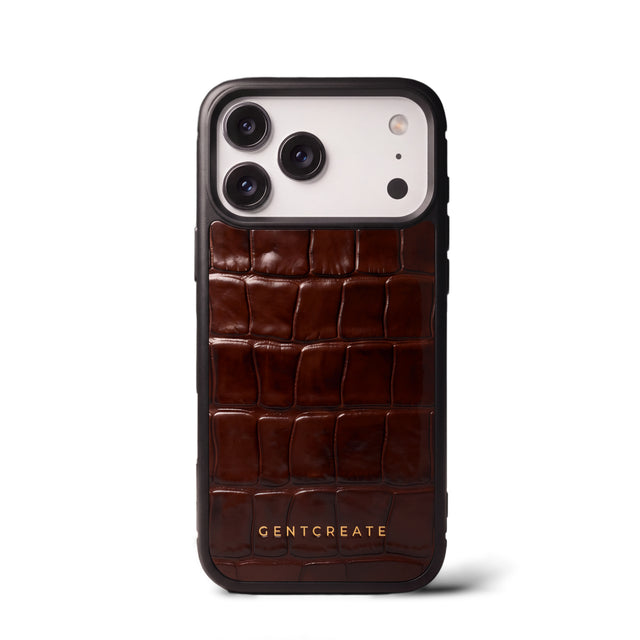


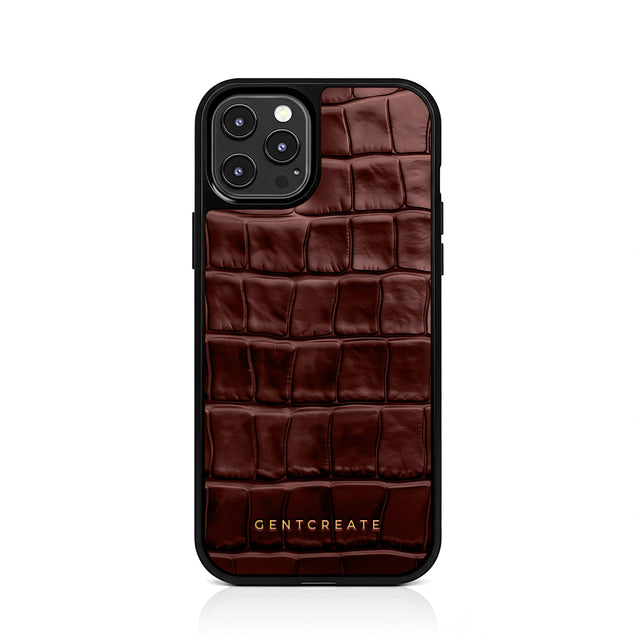


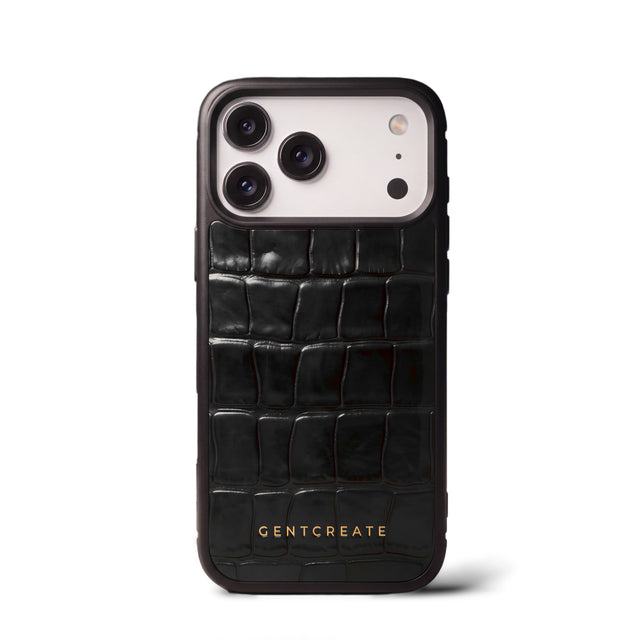

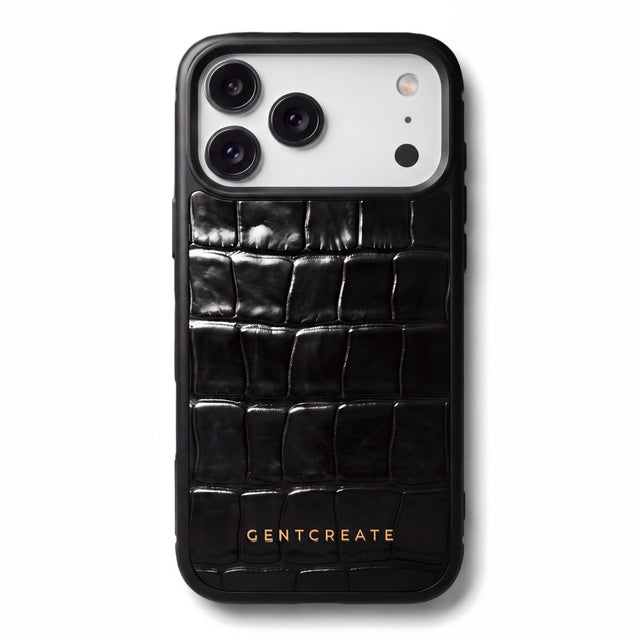


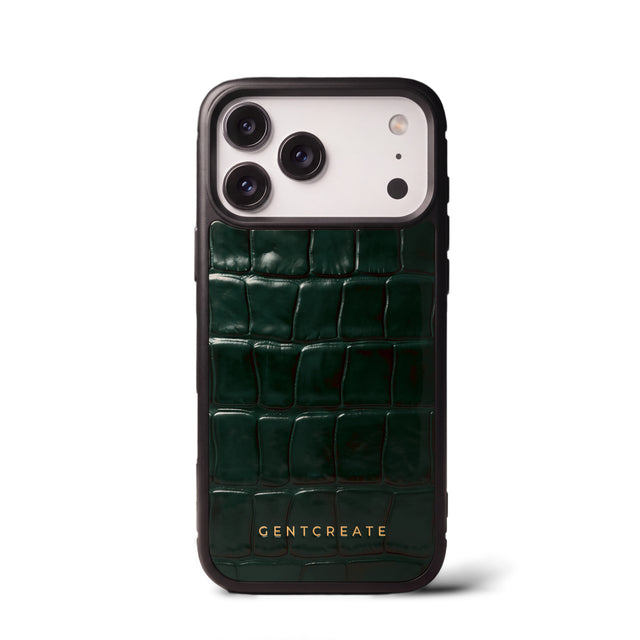


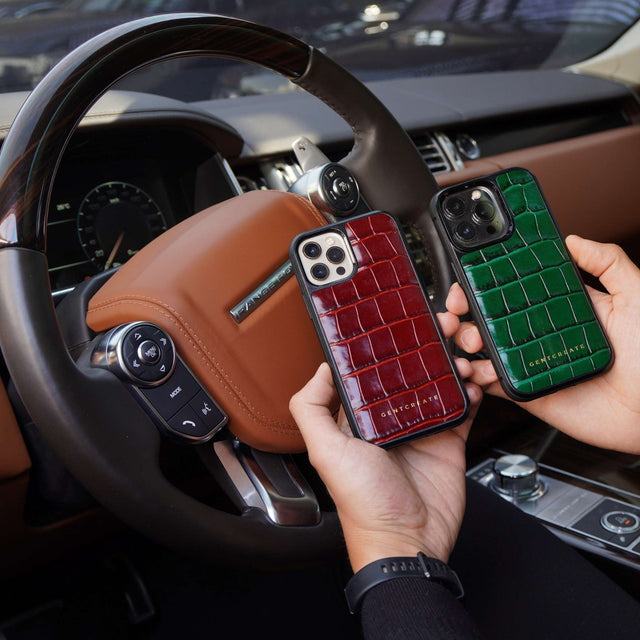


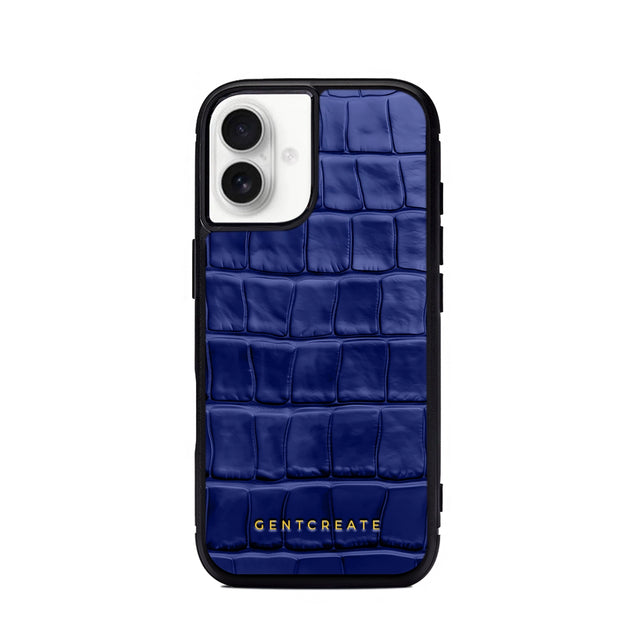


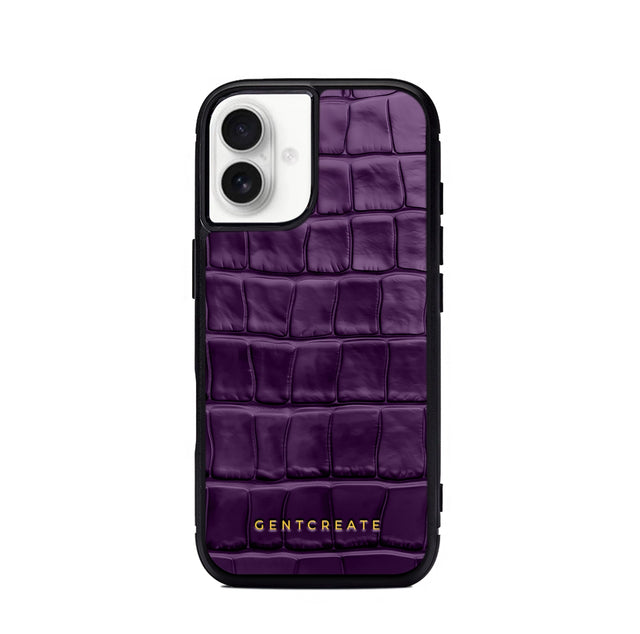


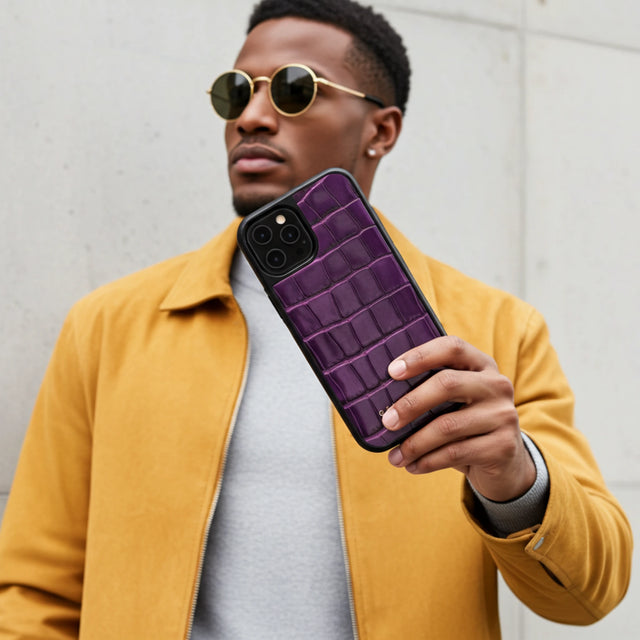


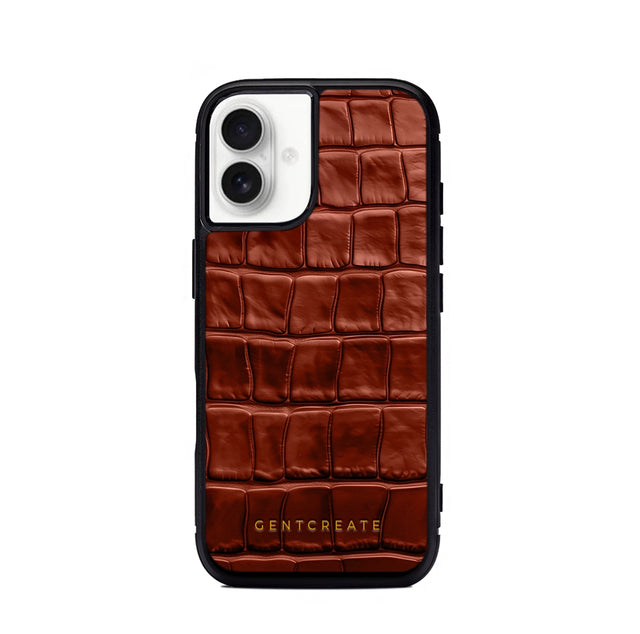
 Save $50 USD
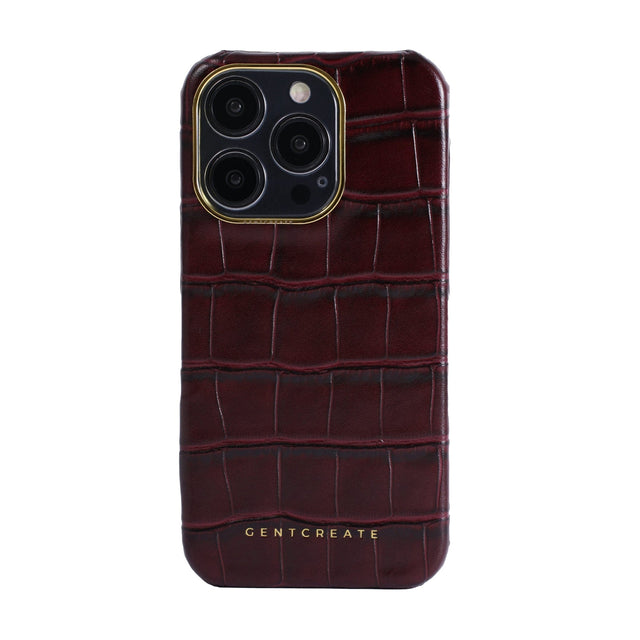
Leather iPhone Case Croco Glossy
- Product Specifications
- GENTCREATE Leather iPhone Case Croco Glossy— Premium leather iPhone case with crocodile pattern. Handcrafted Italian calf leather, wireless charging straight through. Fits all recent iPhone models. Shop now. ,Rubber Edge, Raised Camera Edge , Luxury , Calfskin Leather , fits iPhone 18 Pro Max, iPhone 18 Pro, iPhone 18, iPhone 17 Pro Max, iPhone 17 Pro, iPhone 17, iPhone 16, iPhone 16 Pro, iPhone 16 Pro Max, iPhone 15, iPhone 15 Pro, iPhone 15 Pro Max, iPhone 14, iPhone 14 Pro, iPhone 14 Pro Max , available in Glossy Burgundy, Glossy Black, Glossy Green, Glossy Blue, Glossy Magenta, Glossy Brown .
(264)From $65 $115 -
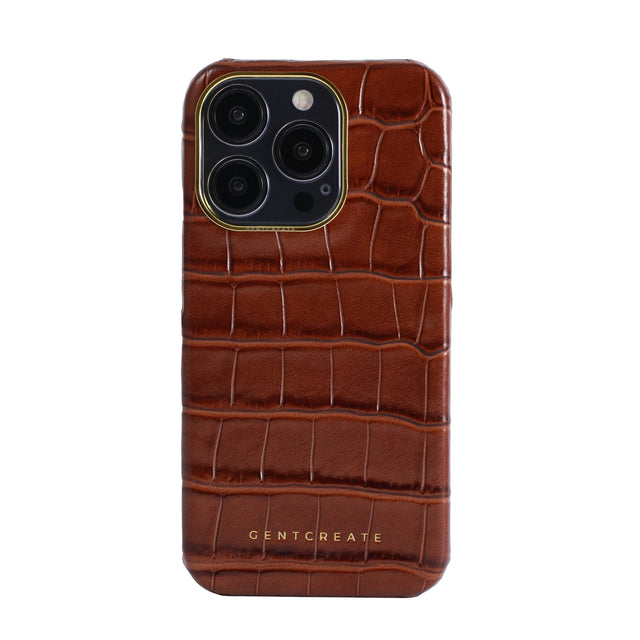


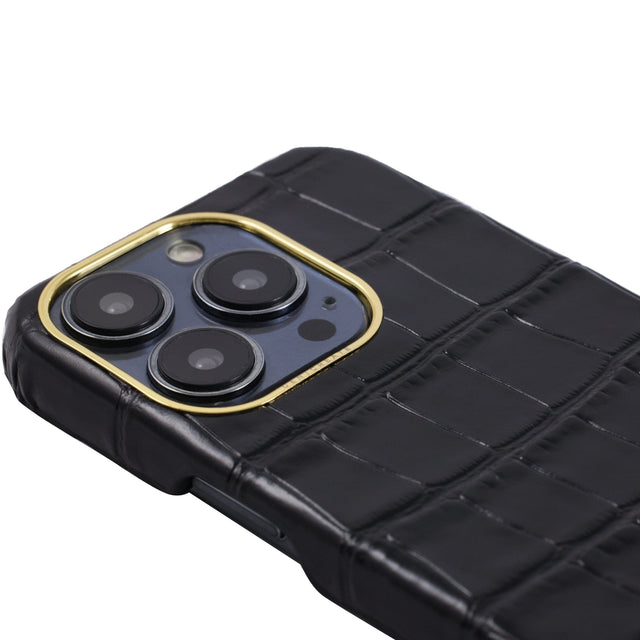



 Clearance Sale
Leather iPhone Case Crocodile Pattern
- Product Specifications
- GENTCREATE Leather iPhone Case Crocodile Pattern— Our classic Leather iPhone Case with a Crocodile Pattern creates a 'classic look' for your iPhone, often preferred by our minimalist-oriented customers. ,Full Pattern Raised Camera Edge , Luxury , Calfskin Leather , fits iPhone 15 Pro Max, iPhone 15 Pro, iPhone 14 Pro Max, iPhone 14 Pro , available in Brown, Green, Black, Burgundy, Dark Navy .
(70)$60 $115 -








 Save $19 USD
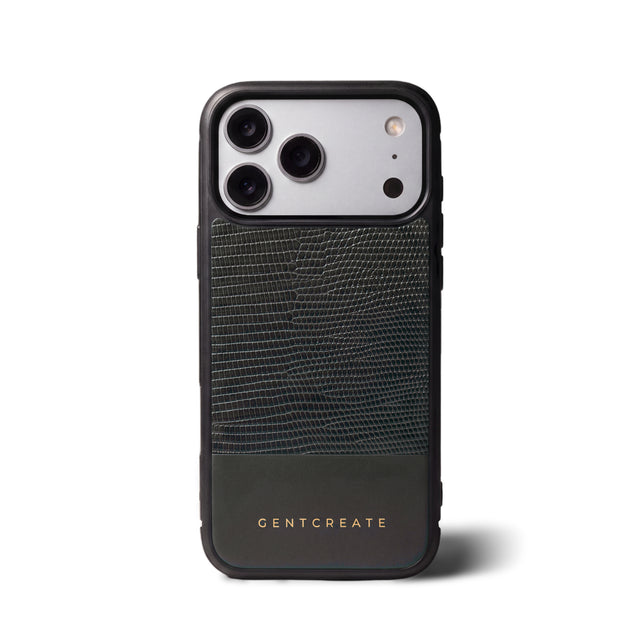
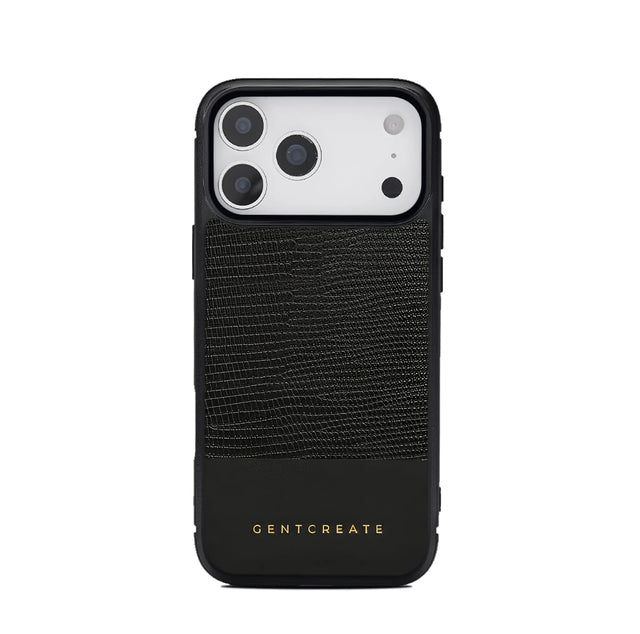
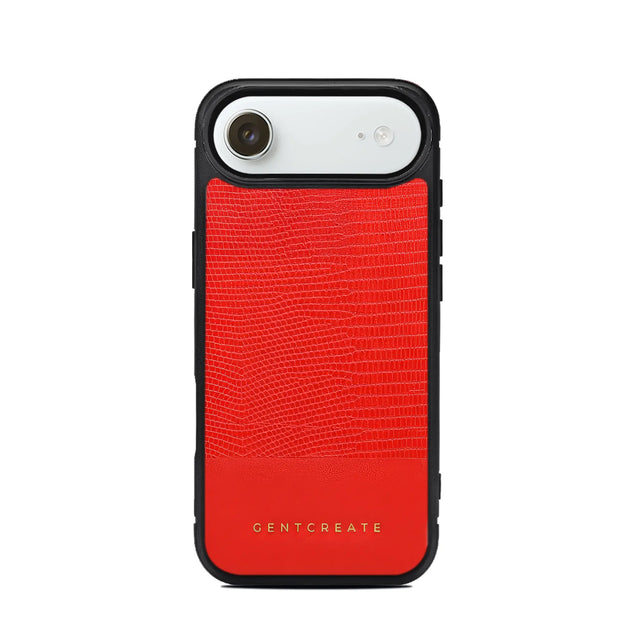
Leather iPhone Case Lizard Pattern
- Product Specifications
- GENTCREATE Leather iPhone Case Lizard Pattern— Leather iPhone Case Lizard Pattern - Luxury Minimalistic Phone Case Our Lizard Leather iPhone case from Gentcreate is the perfect blend of style and ,Rubber Edge, Raised Camera Edge , Luxury , Calfskin Leather , fits iPhone 18 Pro Max, iPhone 18 Pro, iPhone 18, iPhone 17 Pro Max, iPhone 17 Pro, iPhone 17, iPhone 16 Pro Max, iPhone 16 Pro, iPhone 16, iPhone 15 Pro Max, iPhone 15 Pro, iPhone 15, iPhone 14 Pro Max, iPhone 14 Pro, iPhone 14 , available in Gray, Black, Orange, Green, Red, Yellow .
(46)From $79 $98 -









 Save $9 USD
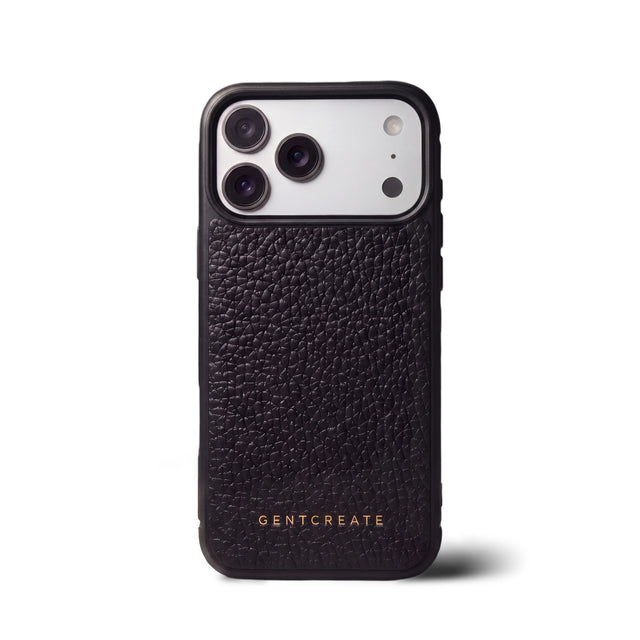
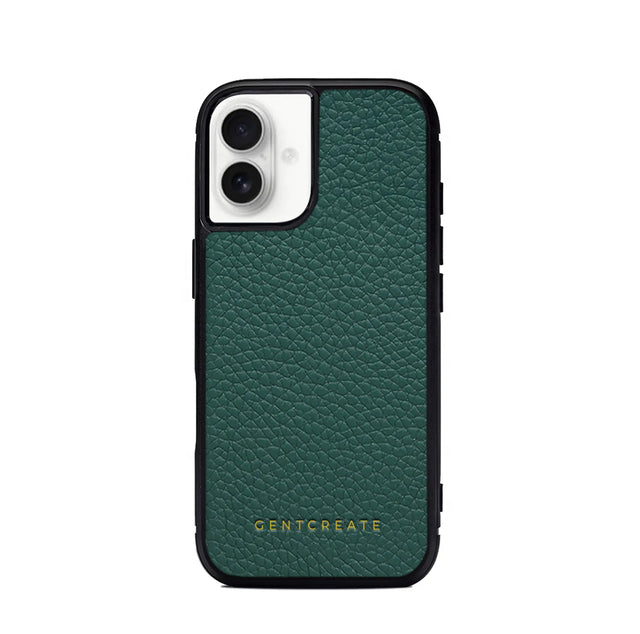
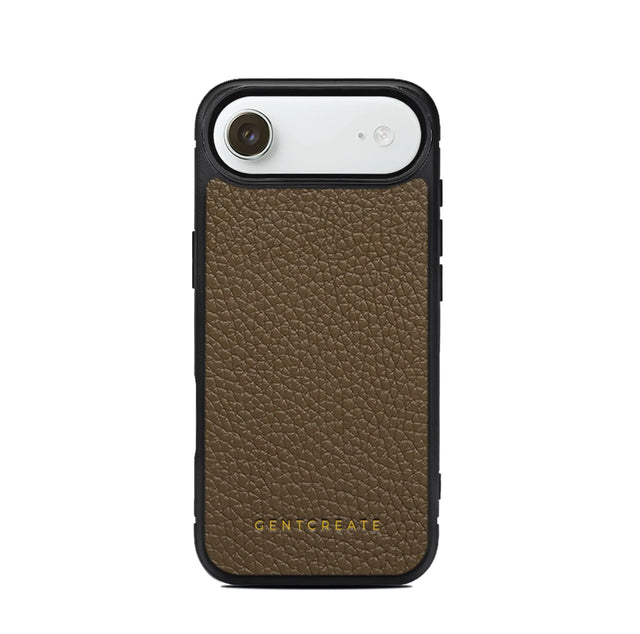
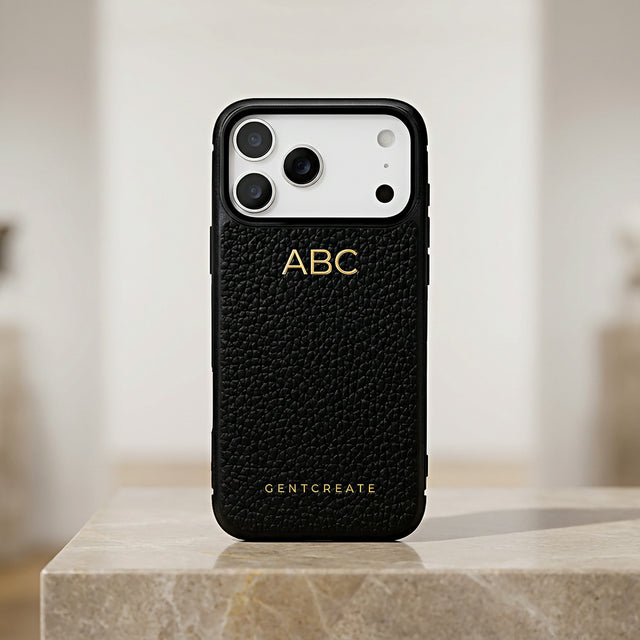
Leather iPhone Case Pebble Pattern
- Product Specifications
- GENTCREATE Leather iPhone Case Pebble Pattern— Handmade Leather iPhone Case with a Pebbled Pattern This handmade Leather iPhone Case with a distinct pebble pattern is a really good value price purchase ,Rubber Edge, Raised Camera Edge , Luxury , Calfskin Leather , fits iPhone 18 Pro Max, iPhone 18 Pro, iPhone 18, iPhone 17 Pro Max, iPhone 17 Pro, iPhone 17, iPhone 16 Pro Max, iPhone 16 Pro, iPhone 16, iPhone 15 Pro Max, iPhone 15 Pro, iPhone 15, iPhone 14 Pro Max, iPhone 14 Pro, iPhone 14 , available in Navy, Black, Green, Brown, Khaki .
(29)From $65 $74 -






 Save $16 USD
Leather iPhone Case Saffiano Pattern
- Product Specifications
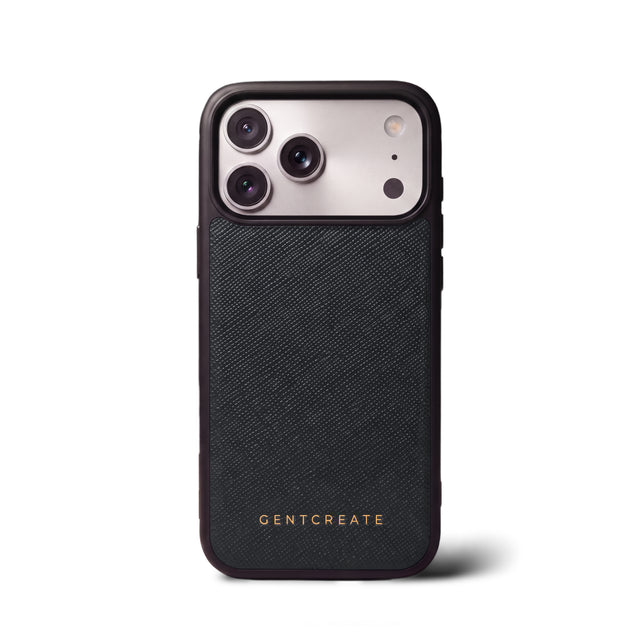
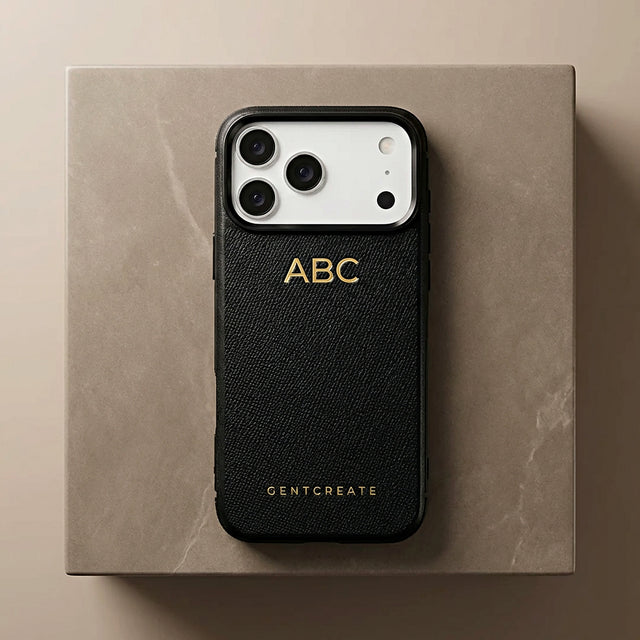
- GENTCREATE Leather iPhone Case Saffiano Pattern— Uniquely Designed Contemporary Genuine Leather iPhone Case by Gentcreate Looking for a luxury leather iPhone case that will keep your device safe and ,Non-Slip, Gritty Feel, Raised Camera Edge , Luxury , Calfskin Leather , fits iPhone 18 Pro Max, iPhone 18 Pro, iPhone 18, iPhone 17 Pro Max, iPhone 17 Pro, iPhone 17, iPhone 16 Pro Max, iPhone 16 Pro, iPhone 16, iPhone 15 Pro Max, iPhone 15 Pro, iPhone 15, iPhone 14 Pro, iPhone 14 Plus, iPhone 14 Pro Max, iPhone 14 , available in Navy, Black .
(60)From $59 $75 -






 Save $50 USD
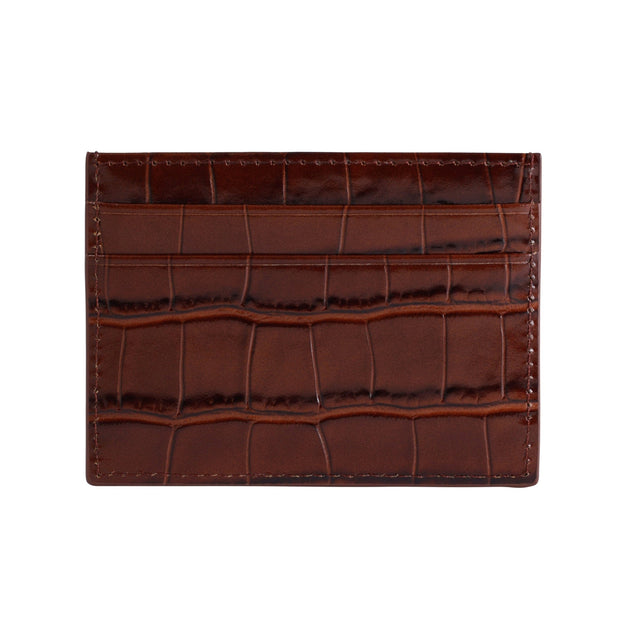
Crocodile Embossed Leather Cardholder
- Product Specifications
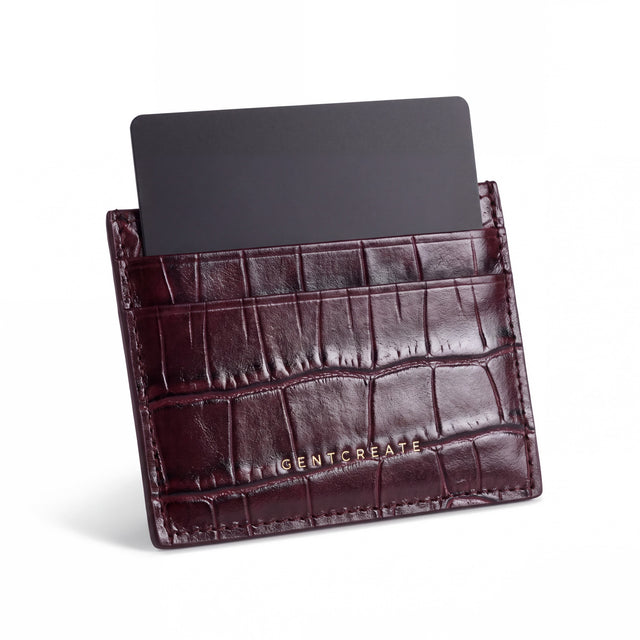
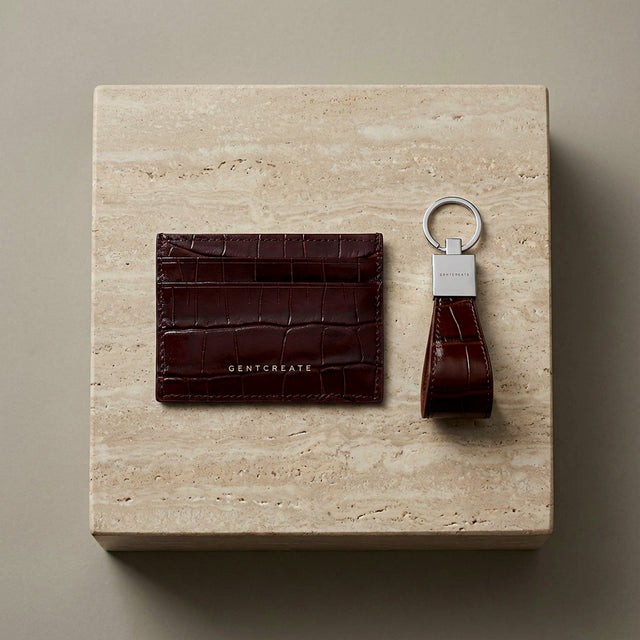
- GENTCREATE Crocodile Embossed Leather Cardholder— Our Crocodile Embossed Leather Cardholder is made with premium calfskin leather with an embossed crocodile pattern, it features four card slots and a central ,Lightweight , Luxury , Calfskin Leather , 7.3 cm / 2.87 inch x 10.3 cm / 4,52 inch , available in Black, Burgundy, Green, Navy, Brown .
(47)$130 $180


